
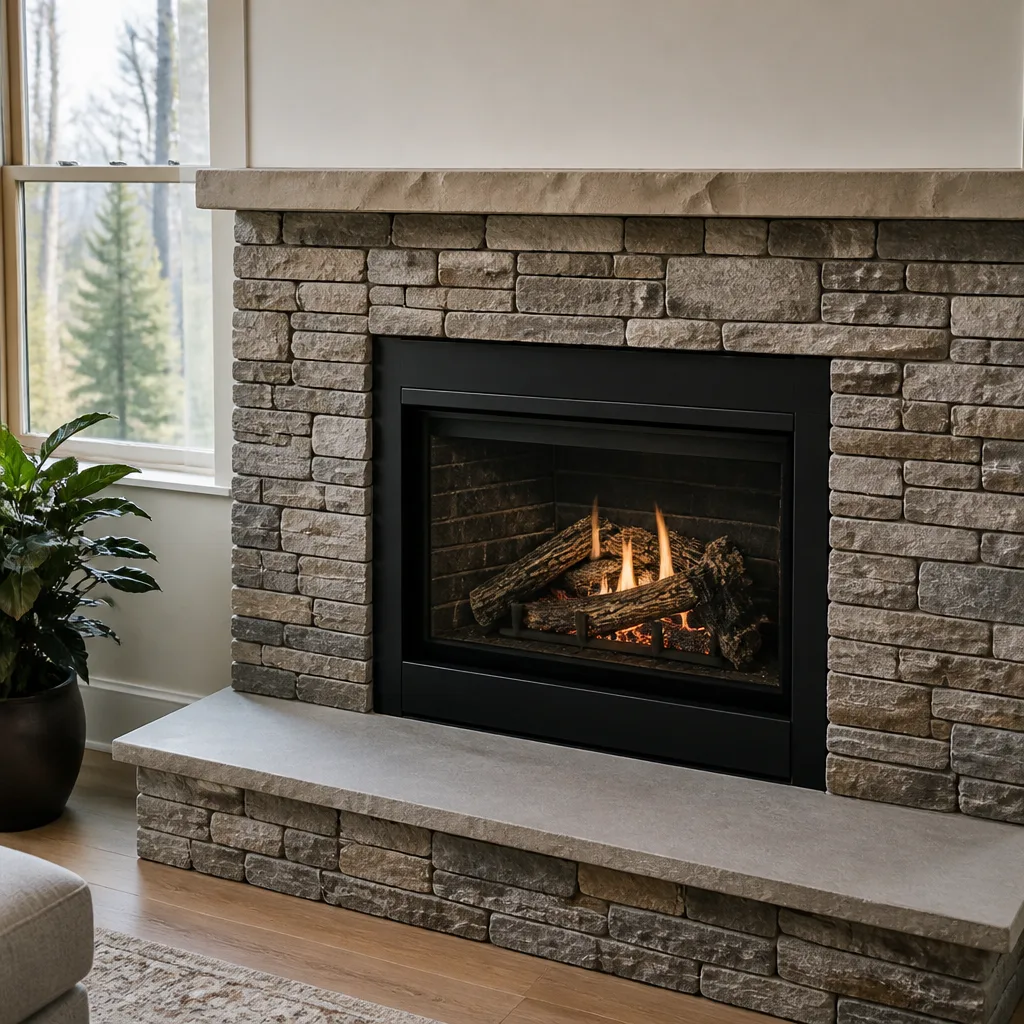
 Gas fireplace service
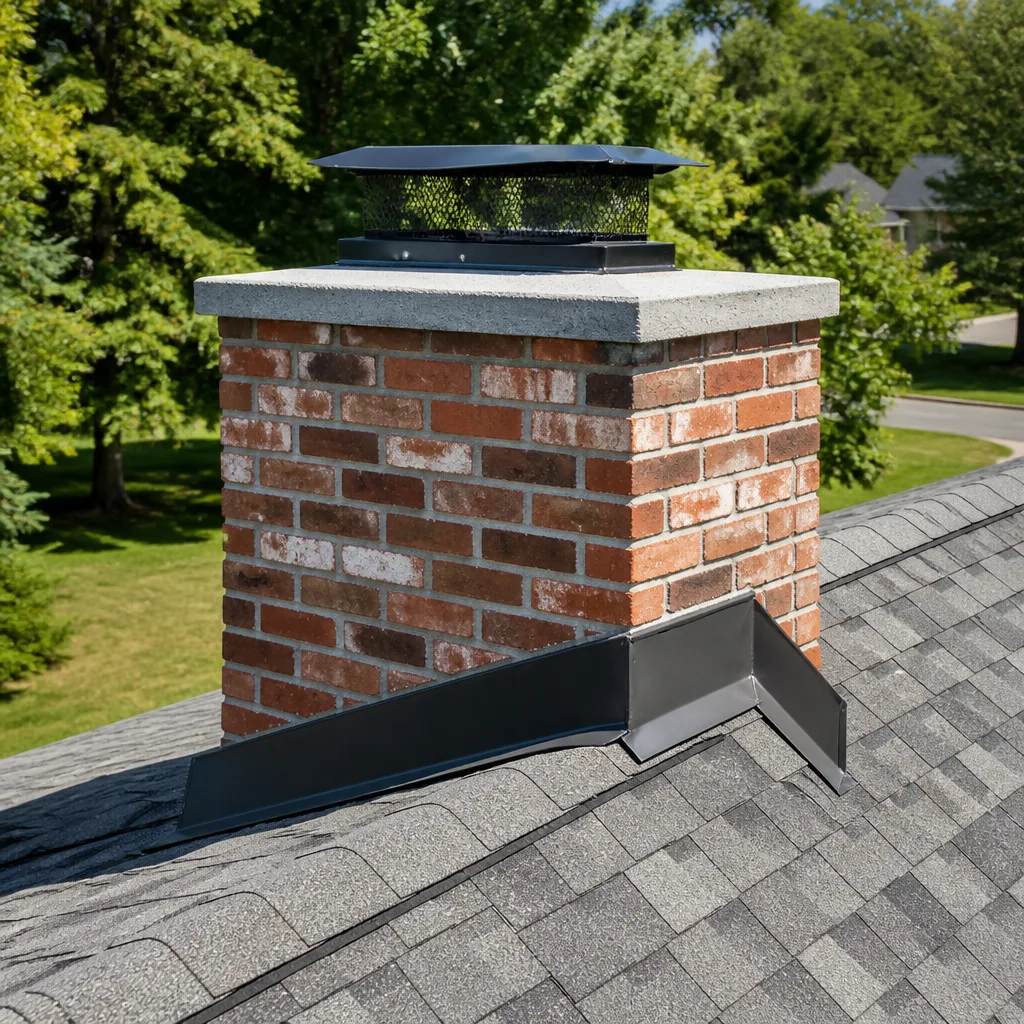 Sweep & inspection
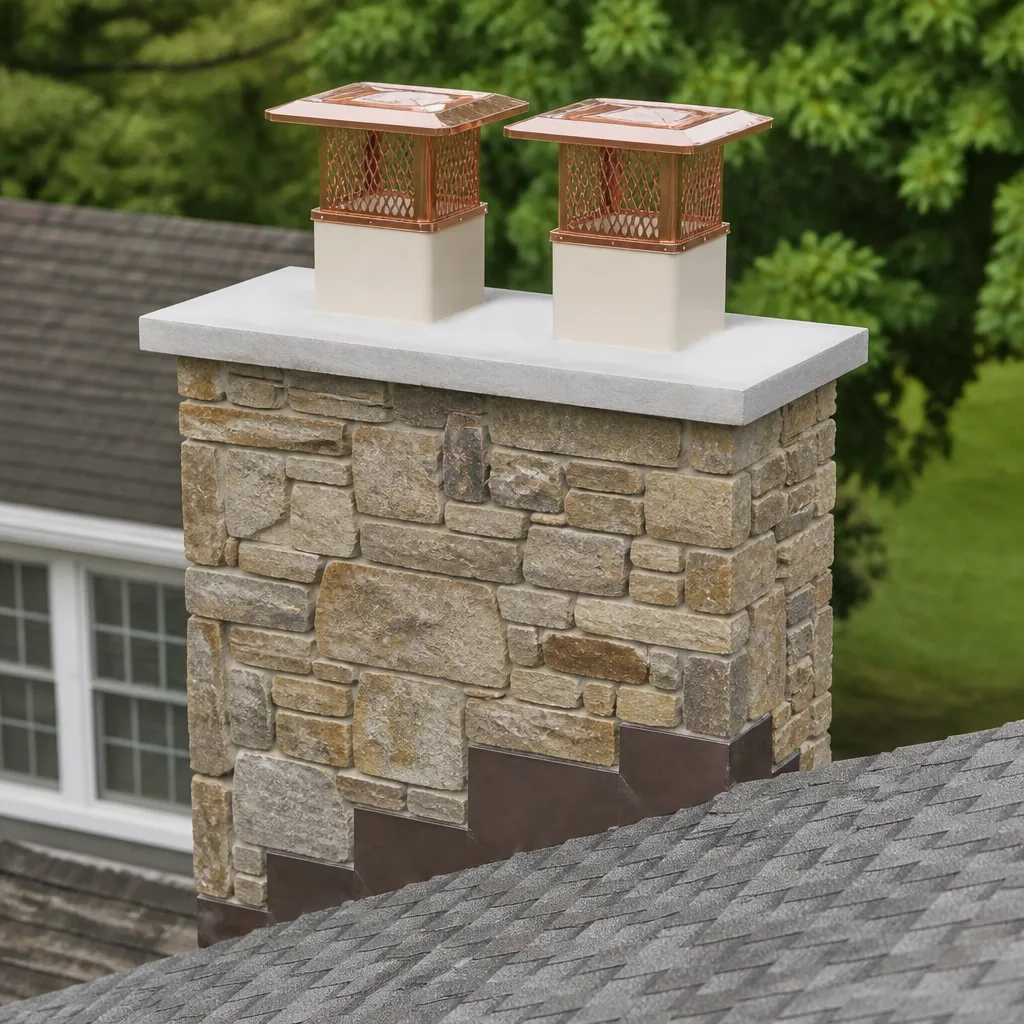 Caps & crowns
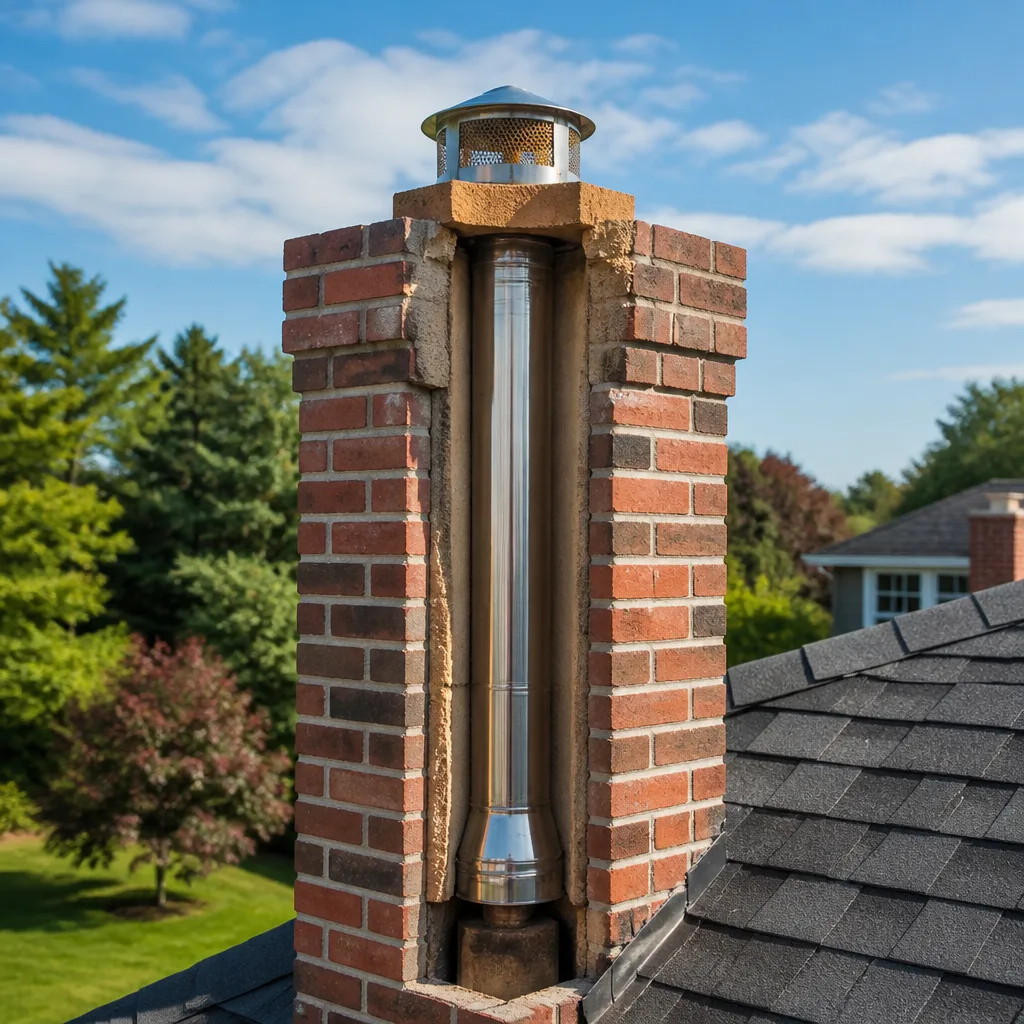 Flue relining
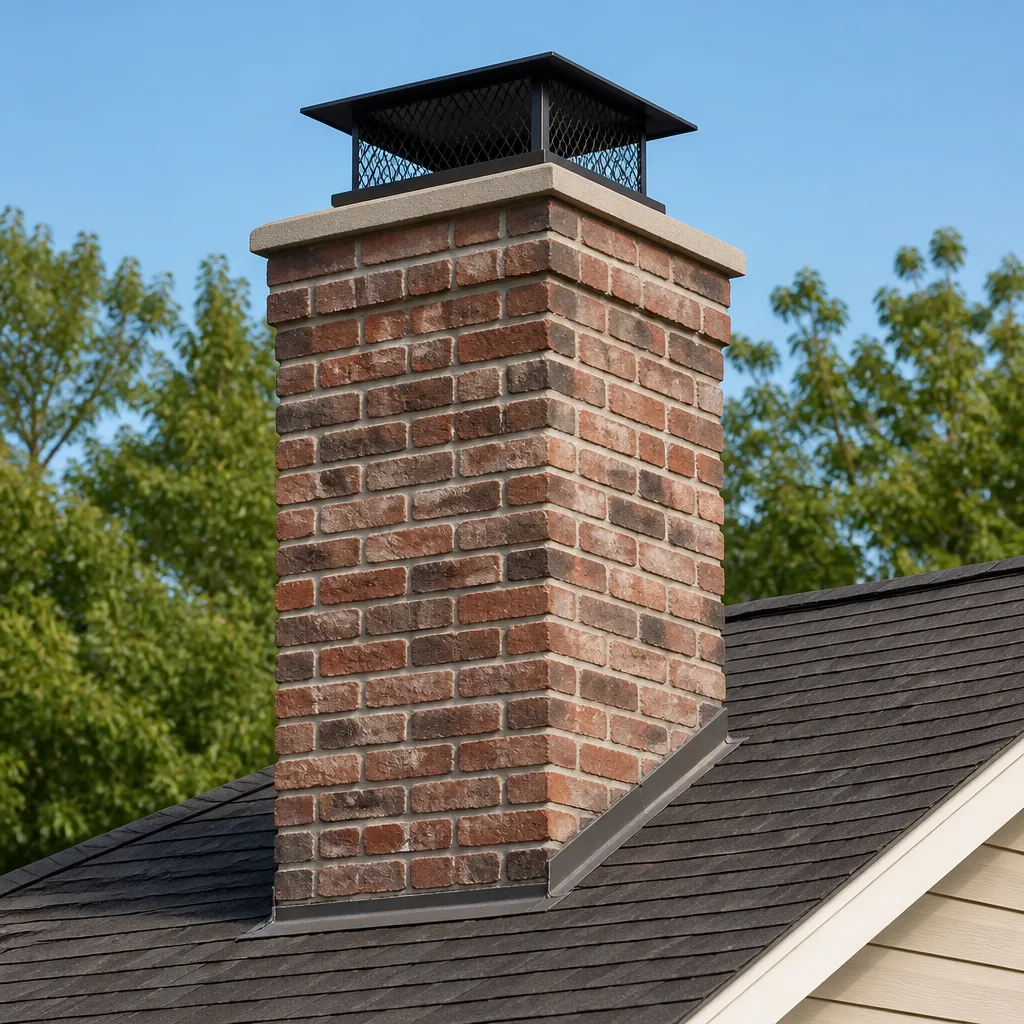 Masonry repair
Level 1 sweep and inspection to the NFPA 211 annual standard - flue, crown, cap, and flashing checked and photographed
Chimney sweep logs do not sweep chimneys. They loosen some creosote - which then falls where a brush and vacuum still have to collect it.
Why Park Hill Homeowners Choose HeatShield Chimney Cleaning
We provide independent HeatShield chimney cleaning and service in Park Hill, Colorado. HeatShield is a flue resurfacing product – a cast-in-place system that restores deteriorated flue tiles without tearing the chimney down – and our work with it starts with inspection, not a sales pitch. As an independent HeatShield service provider, we’re not authorized, sponsored, or endorsed by HeatShield. That independence is the point: our recommendations come from what the flue actually needs.
In Park Hill, that matters more than in most places. Early-20th-century Craftsman bungalows, Tudor cottages, and brick foursquares carry original single-wythe chimneys that lack modern clay tile liners, and many have been converted from coal to gas without proper relining. Decades of settling and Denver’s freeze-thaw cycles leave cracked crowns and spalling brick behind. A simple sweep is rare here; cleaning usually turns into a structural inspection. Our technicians have up to 12 years of experience with products from DuraFlex, HeatShield, Gelco, Olympia Chimney, Famco, and Copperfield. Call (877) 770-1914. We answer 24/7, with fast dispatch from 7am to 7pm.
Why Trust Chimney Sweep Park Hill for Your HeatShield Chimney Cleaning?
We work with HeatShield products every week in Park Hill’s older masonry chimneys – assessing flue condition, sizing the correct HeatShield liner system, and installing it to the manufacturer’s published tolerances. That routine exposure is the difference between a shop that knows the material and one that reads up on it before a job.
HeatShield liner work lives or dies on matched components. The cast-in-place mix, the sleeves, and the top-seal kits are designed to work as one system, and substituting anything along the way undermines the whole installation. For that reason we use genuine HeatShield system components on liner work. For caps, dampers, and hardware we’ll recommend quality aftermarket parts when they meet the same specification, and we’ll say so plainly when a flue is too far gone for relining and needs rebuilding instead.
Warranty-safe practice comes down to two habits: prepare the flue properly before application, and protect the finished surface from water afterward. Skip either and the installation fails early. We also handle the sub-services that keep a HeatShield liner alive – Level 2 Inspection, Creosote Removal, and Crown Coating – so nothing gets referred out and no scope falls between trades.
Our technicians work in the chimney trade exclusively, not as a side service between gutter and HVAC calls. Chimney Sweep Park Hill is a full-service chimney specialist covering sweep, inspection, fireplace repair, chimney repair, and cap and crown installation: from the firebox to the crown.
Styles & brands we work with
- Sweep & inspection
- Caps & crowns
- Flue relining
- Masonry repair
- Gas fireplace service
Common HeatShield Chimney Cleaning Problems We Fix in Park Hill
HeatShield failures tend to follow a pattern, and in Park Hill’s brick chimneys the pattern is moisture. Here are the five we see most often, and the real cause behind each.
- Cast-in-place lining applied over an unprepared flue. This is the most common cause of failure we diagnose. When the CeCure sleeve is installed over a flue that wasn’t properly cleaned, or over tile spalling that was never addressed, the material forms voids and adheres poorly. The result is premature failure at the joint – often within a few heating seasons, and often invisible from the firebox. A camera inspection shows it clearly.
- Moisture infiltration that breaks down the insulating layer. A failed crown or top-seal lets water into the flue, where it works into the liner’s insulating layer and causes cracking or delamination. Park Hill’s freeze-thaw cycles make this worse: water enters a hairline crack, freezes, expands, and widens it. Repeated through a winter, a small top-seal gap becomes a structural problem.
- Out-of-round or offset flues forming an oversized liner. Old brick chimneys aren’t true. When a liner forms around an out-of-round flue, or around the offset where a converted flue bends, it leaves gaps at the perimeter. Creosote and condensate bypass the lining and sit against bare brick. That’s a fire risk and a slow decay path at once.
- Corroded cap fasteners and no longer sealed flues. HeatShield custom caps and multi-flue assemblies do their job until the fasteners rust. Once a cap pulls loose, rain, snowmelt, and animals get in. We’ve found nests, debris, and standing water in flues whose owners thought the cap was fine.
- The forgotten second flue. Many Park Hill chimneys still have the second flue that served the original coal furnace, now unused. They’re often sealed with crumbling mortar or simply packed with debris, and homeowners don’t know they exist until a cleaning turns them up. We inspect both flues and report what we find on the unused side.
A typical call in a Park Hill brick chimney with a HeatShield CeCure liner is water intrusion. The crown has hairline cracks or the top-seal has failed, and the homeowner notices staining on the firebox or a musty smell after rain. A qualified local pro starts with a Level 2 camera inspection to see whether the liner itself is intact or moisture has already degraded it, then typically repairs the crown and reseals the top before any sweeping – because sweeping a compromised liner can do more damage. If the liner is sound, the job is a standard sweep and creosote removal; if it isn’t, the conversation turns to relining versus rebuilding.
HeatShield Parts & Our Repair-vs-Replace Approach
For HeatShield liner work, we use genuine HeatShield system components – the cast-in-place mix, sleeves, and top-seal kits – because the system’s integrity depends on matched materials, not substitutes. That’s not a brand preference. It’s how the product is designed to perform. For caps, dampers, and hardware we’ll recommend quality aftermarket parts where they meet the same spec, and we’ll tell you what the difference is if it matters to your flue.
The repair-versus-replace decision starts with the flue, not the budget. If the existing liner is sound and the damage is limited to the crown or top-seal, we repair and reseal. If the liner has voids, delamination, or bypass gaps, it needs to come out – a liner laid over a failed one just hides the problem. And when the masonry itself is too far gone, tuckpointing or rebuilding beats relining every time. We say so when that’s the case, even though the work is bigger.
Inspection first, recommendations second. Nothing gets quoted before the camera has been in the flue and you’ve seen the photos. Call (877) 770-1914 for a free estimate.
Our HeatShield Service Process – Step by Step
- 1
Diagnosis. A Level 2 camera inspection, always. We check liner condition, look for voids and bypass gaps, test the top-seal, and inspect the crown, cap, and flashing. In Park Hill we also check for second flues, spalling tile, and creosote condition – cold snaps here can glaze creosote hard enough to change how a sweep has to be done.
- 2
Repair or install. If a HeatShield system is already in place, we address what’s failed. If it’s a new installation, we clean and prep the flue properly, correct tile spalling, and apply the cast-in-place system to the manufacturer’s published tolerances. Crown repair and top-seal come as part of the job, not as an upsell.
- 3
Test. We verify the seal, check draft, and confirm the cap and crown are watertight before we call it finished. You get the camera footage and a photo report of the completed work.
- 4
Warranty and records. We document material types, dates, and conditions so you have a record for any warranty claim through HeatShield or your insurer. You’ll get the maintenance schedule in writing, and we’ll tell you honestly when work can safely wait.
See the difference
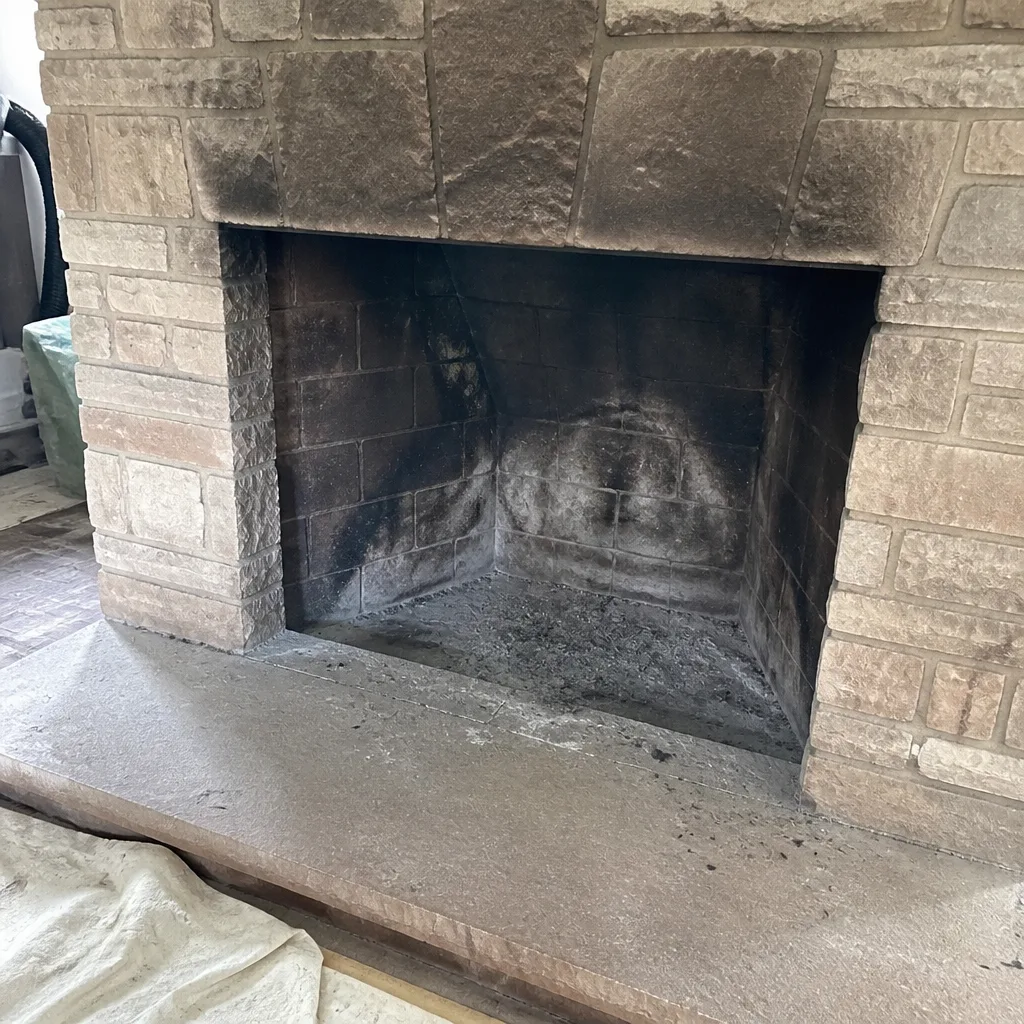 Before
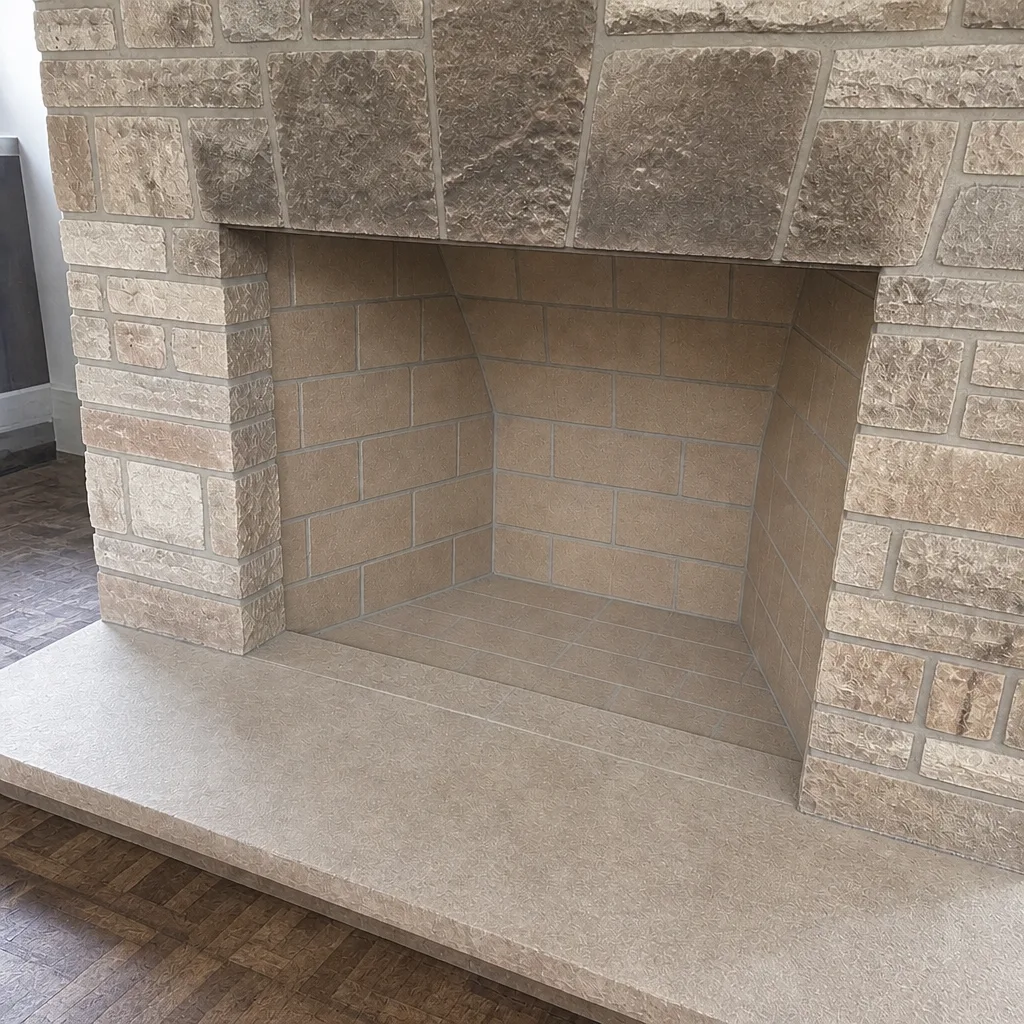 After
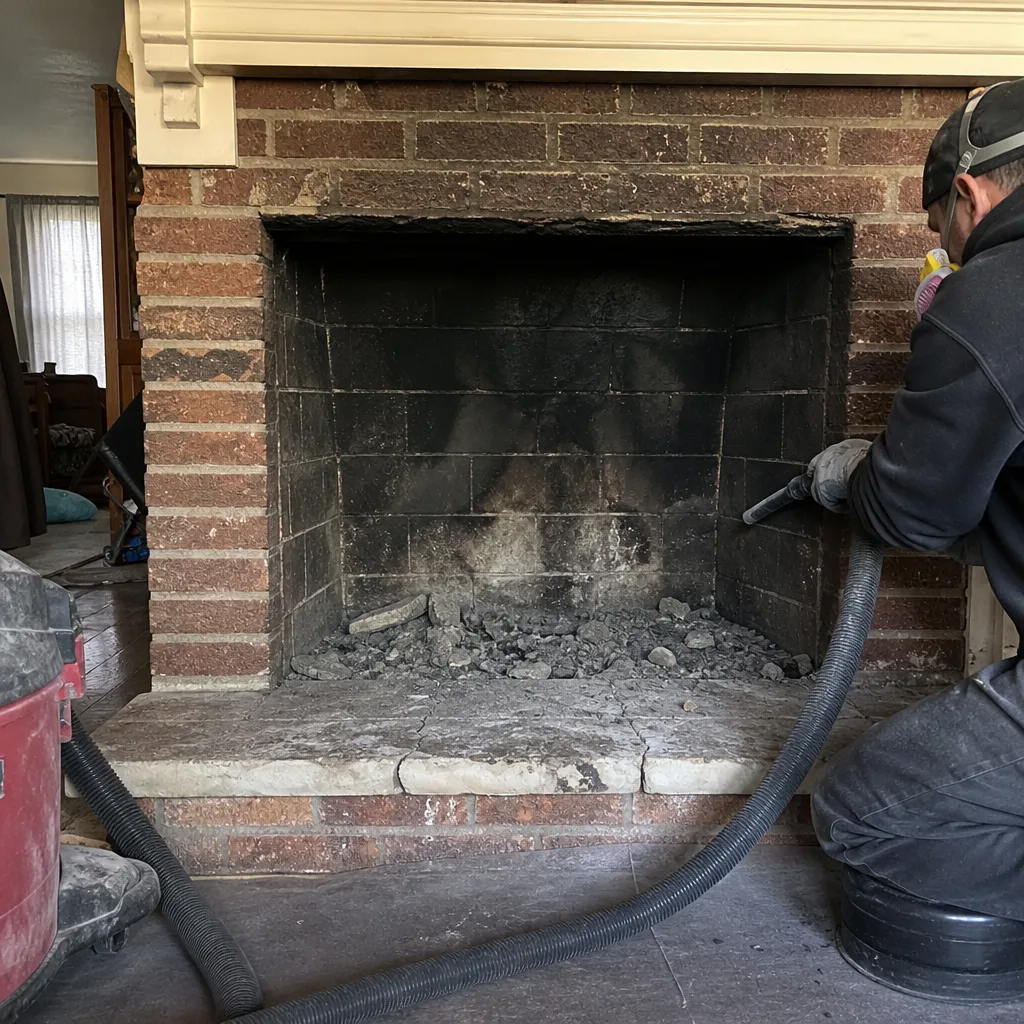 Before
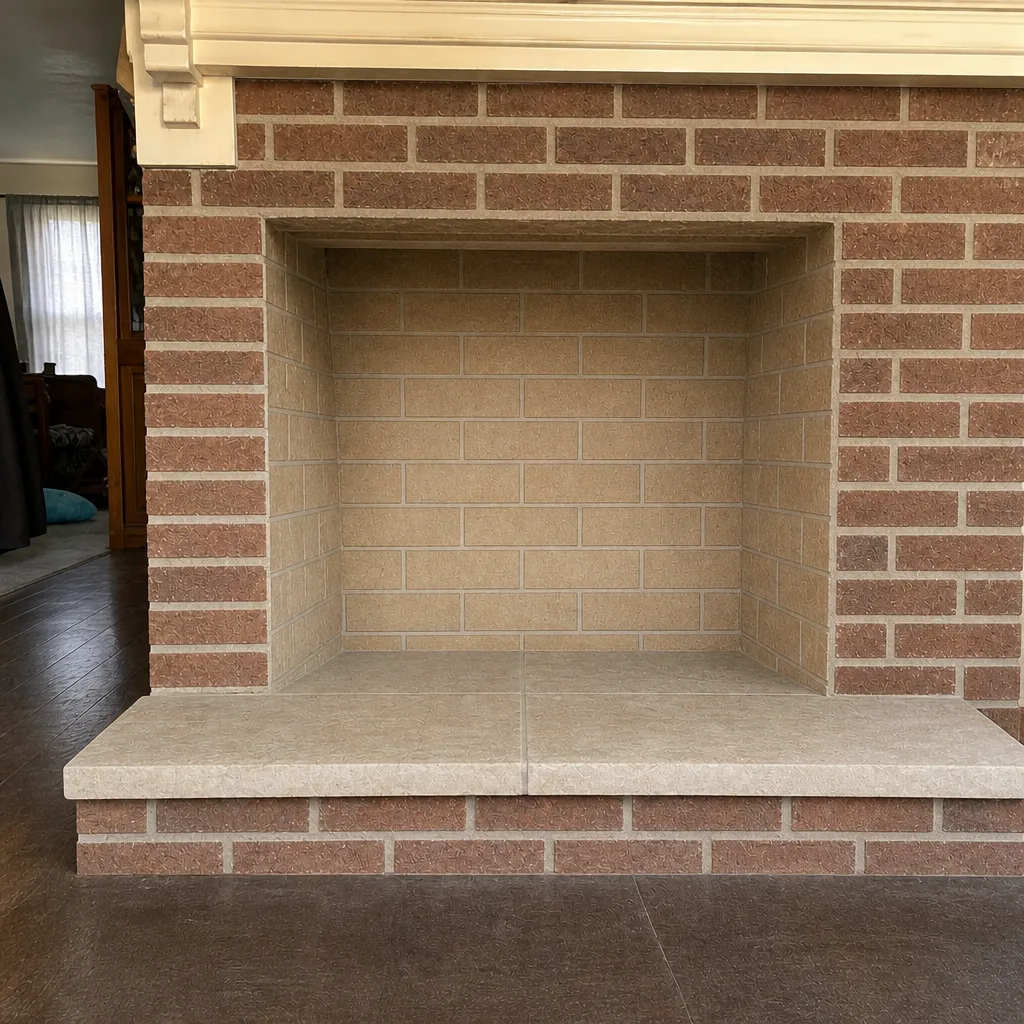 After
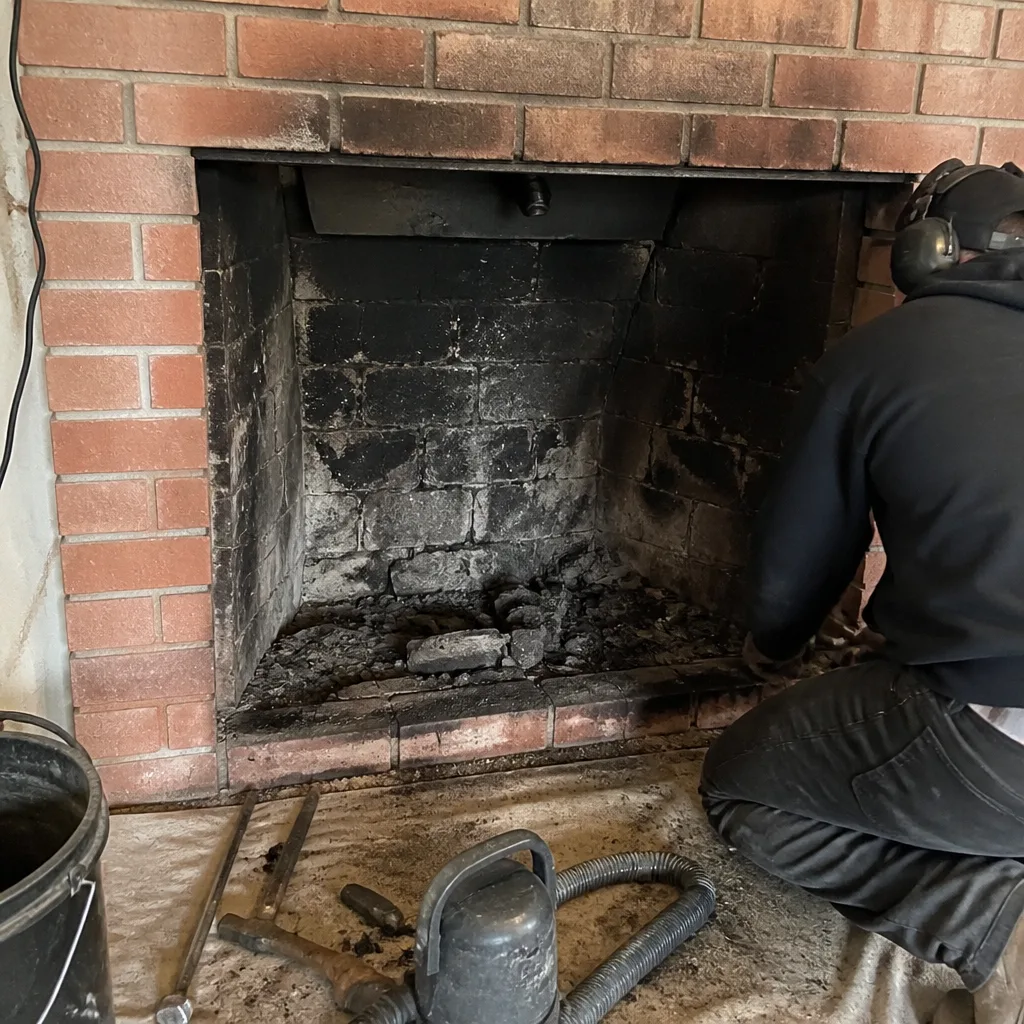 Before
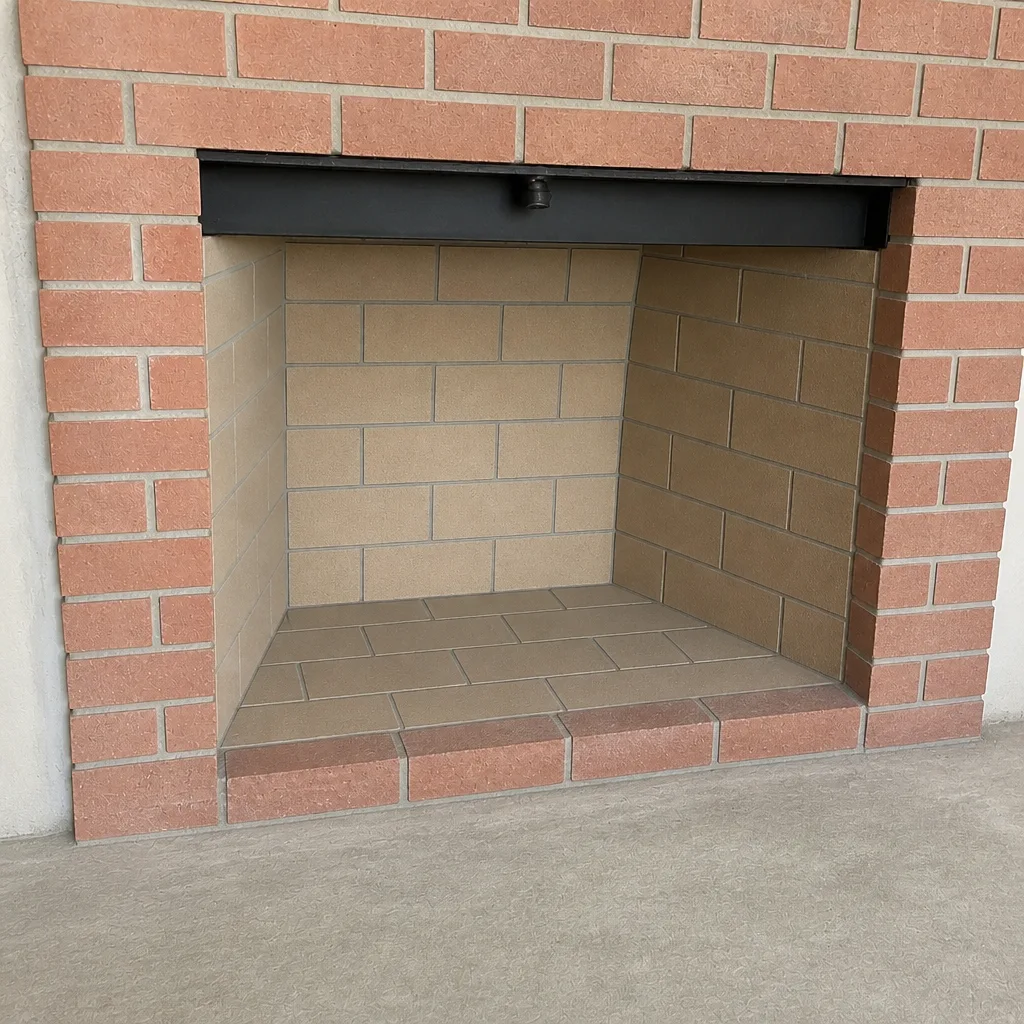 After
HeatShield Products We Service & Install in Park Hill
The HeatShield work we handle in Park Hill covers the full range of the product’s application. That includes the CeCure Sleeve Relining System, the cast-in-place liner used to restore a deteriorated flue without demolition. It includes the HeatShield Resurfacing System, used to repair damaged flue tiles and restore a smooth, sealed flue surface where the tile is cracked or spalling but the chimney structure is sound.
On the exterior side, we install and repair HeatShield custom stainless chimney caps, formed to the flue’s actual dimensions rather than the nearest stock size. We also service HeatShield multi-flue cap assemblies, the kind fitted to chimneys with more than one flue – which is common in Park Hill’s older brick chimneys. Each of these is assessed and quoted on the condition of the flue and the surrounding masonry.
We Also Service These Brands
HeatShield is one part of a broader lineup. We also install and service DuraFlex flexible stainless liners and Gelco components, along with products from Olympia Chimney, Famco, and Copperfield – the brands specified by certified chimney professionals across the country. If your chimney has a mix of systems, we can work with what’s there and tell you what each component needs. One trade, one visit, no referrals out.
FAQs – HeatShield Chimney Cleaning Service in Park Hill
No. We’re an independent HeatShield service provider, not authorized, sponsored, or endorsed by HeatShield. We work with the products and install to the manufacturer’s published tolerances, but our recommendations are our own – based on what your flue needs, not on a dealer agreement. That’s a deliberate choice on our part.
Yes. For HeatShield liner work we use genuine HeatShield system components – the cast-in-place mix, sleeves, and top-seal kits – because the system only performs when the materials match. For caps, dampers, and hardware we’ll recommend quality aftermarket parts that meet the same specification, and we’ll tell you when the difference doesn’t matter to your flue.
It depends on the scope, and we won’t guess before the inspection. A sweep and creosote removal on a sound HeatShield liner is a same-day job. Crown repair and top-seal work usually add a day or two because the seal has to cure properly. A full cast-in-place relining is a longer project, and the written estimate will give you the timeline once we’ve seen the flue. Call (877) 770-1914 for an exact quote – estimates are free.
We service and install the CeCure Sleeve Relining System, the HeatShield Resurfacing System for damaged flue tiles, HeatShield custom stainless chimney caps, and HeatShield multi-flue cap assemblies. If you’re not sure which system is on your chimney, a Level 2 inspection with a camera will identify it.
Not if the work is done correctly. HeatShield warranties are generally tied to proper installation and proper maintenance, so the risk comes from undocumented or incomplete work, not from having the flue serviced. We record material types, dates, and conditions so you have documentation for any claim. Ask us for the written report after every visit.
Prices are set per job by a written estimate, so there’s no single number – a standard sweep and a full cast-in-place relining sit at very different ends of the range. What we can tell you is that nothing gets quoted before the camera inspection and you’ve seen the footage yourself. Call (877) 770-1914 for an exact quote – estimates are free.
Yes, but carefully. A CeCure liner can be swept once it’s fully cured and intact, using the right tools so the cast-in-place surface isn’t scuffed or cracked. We inspect it first to confirm the liner is sound, because sweeping a compromised liner can do more damage than leaving it alone for a week. If the liner has voids or delamination, the sweep waits until the repair is done.
Watch for staining on the firebox, a musty smell after rain, pieces of liner material in the firebox, or draft that’s gotten worse from one season to the next. None of those are proof on their own – a Level 2 camera inspection is how you confirm it. In Park Hill especially, moisture is usually the culprit, and water damage to a liner often starts at the crown or top-seal rather than in the liner itself.
HeatShield is a cast-in-place flue resurfacing product, not a stainless liner. It’s applied inside the existing flue to restore a smooth, sealed surface. Stainless liners are a different product category – we install those too, with DuraFlex among other brands – and the right choice depends on the flue’s condition and what it’s venting. That decision comes after the inspection, not before.
Because water is getting in somewhere, and it’s almost always at the top. A hairline crown crack or a failed top-seal lets rain into the flue, where it sits against the liner’s insulating layer. Park Hill’s freeze-thaw cycles make it worse each winter. The fix is crown repair and resealing before any sweeping – sweeping a damp, compromised liner can do more damage. Call (877) 770-1914 and we’ll inspect it first.
A Level 2 camera inspection, in nearly every case. A Level 1 is a visual check of accessible components, which won’t show voids, bypass gaps, or delamination inside a cast-in-place liner. If there’s been a change in the system, a moisture problem, or you don’t know the liner’s history, Level 2 is the right call. Estimates are free – call (877) 770-1914.
Book Your HeatShield Service in Park Hill, CO
If your Park Hill chimney has a HeatShield liner, or you’re weighing relining against a rebuild, start with an inspection and see the footage yourself. We’ll tell you what’s sound, what needs work, and what can safely wait. Call (877) 770-1914. We answer 24/7. Fast dispatch from 7am to 7pm, Sunday through Friday. Estimates are free and the written estimate sets the final price.
Written by the team at Chimney Sweep Park Hill.