
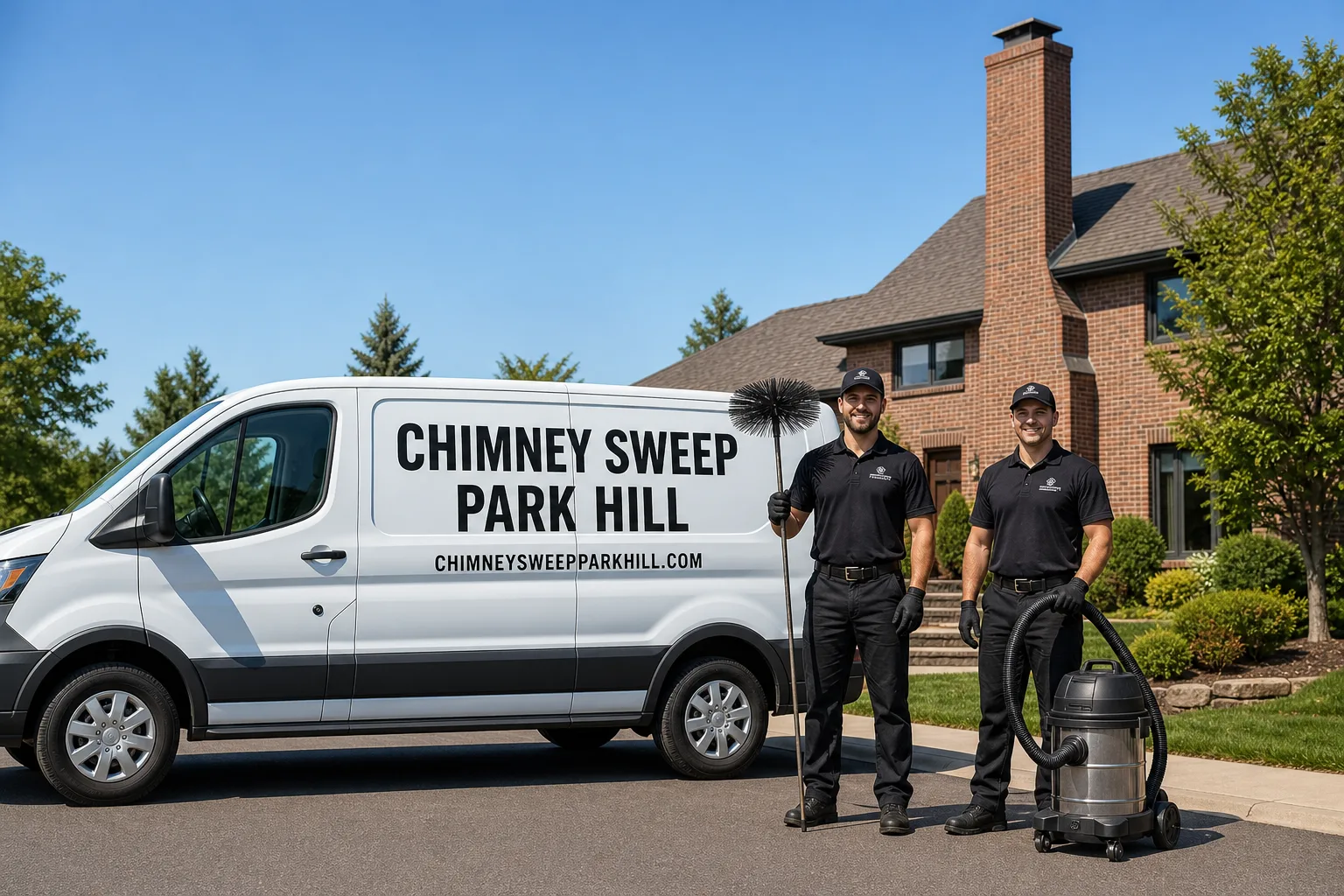
 Sweep & inspection
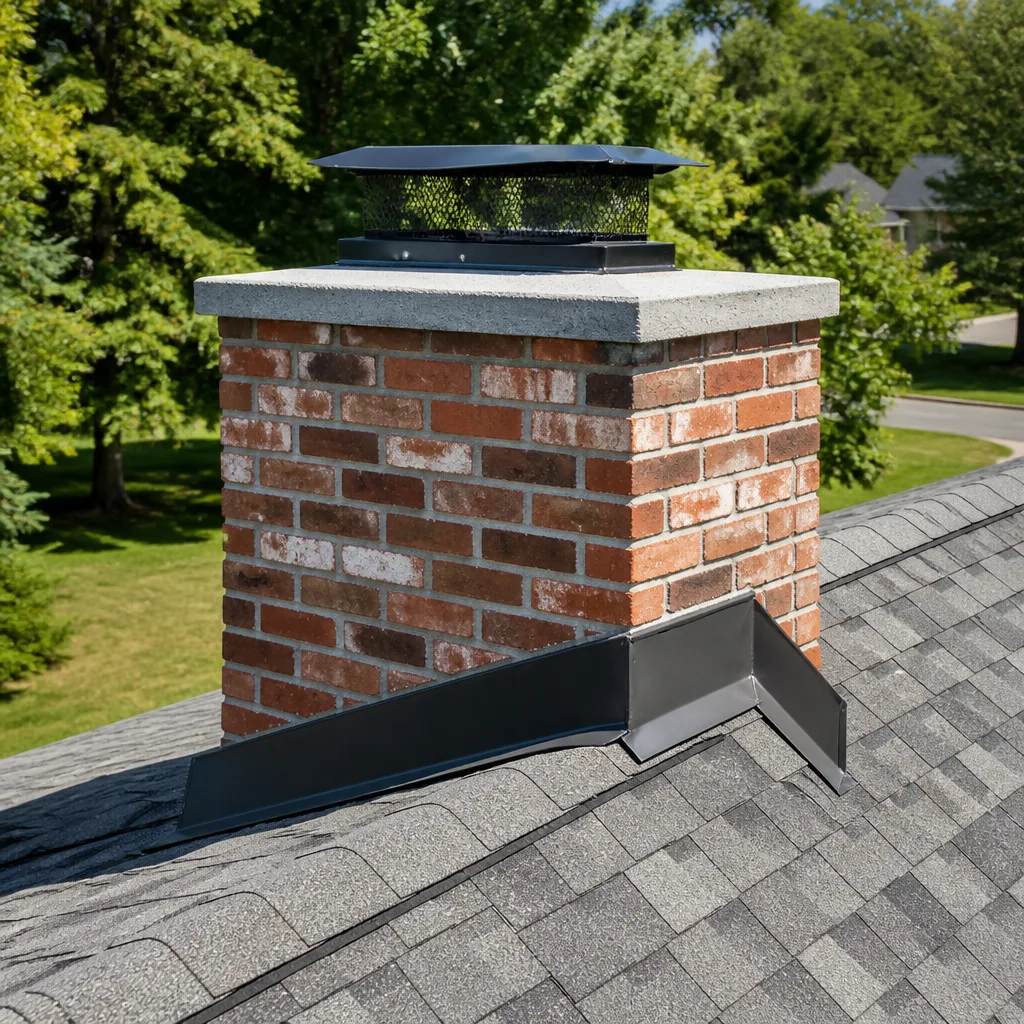
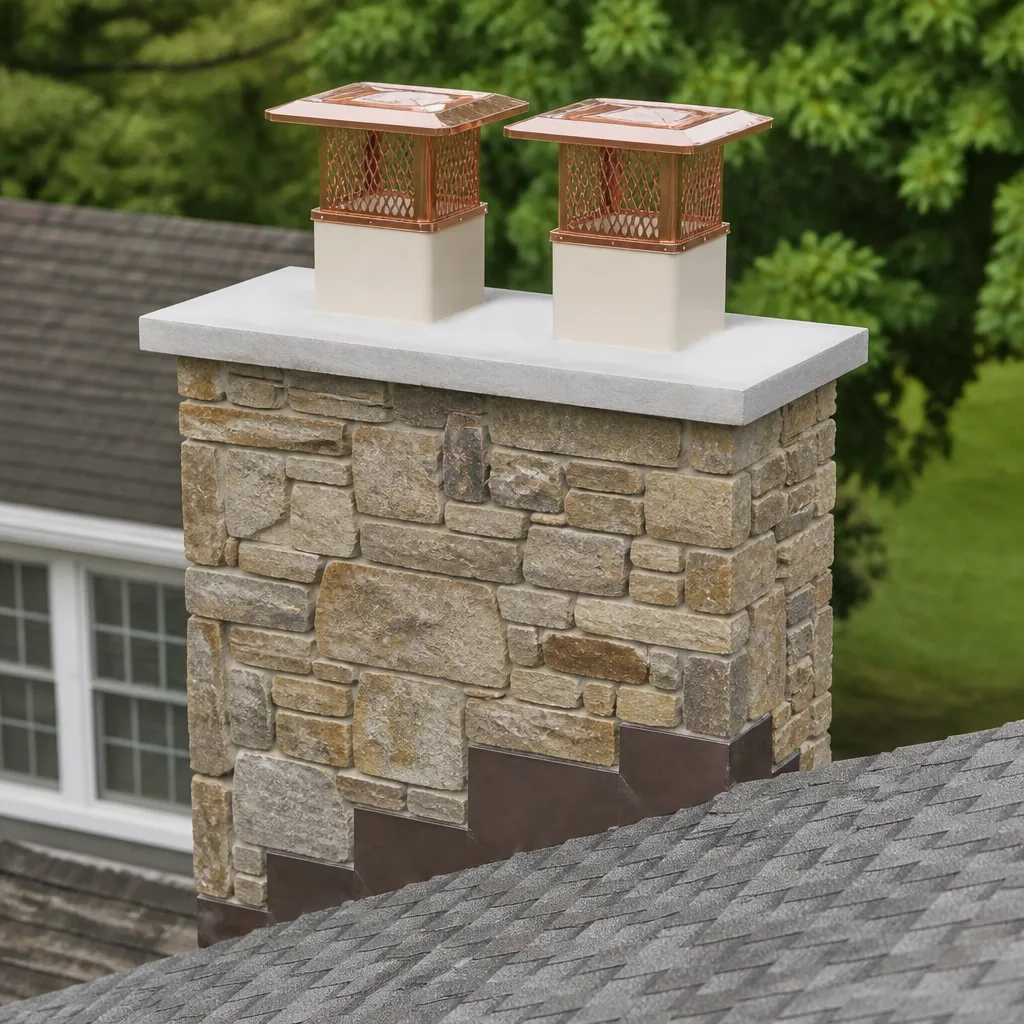 Caps & crowns
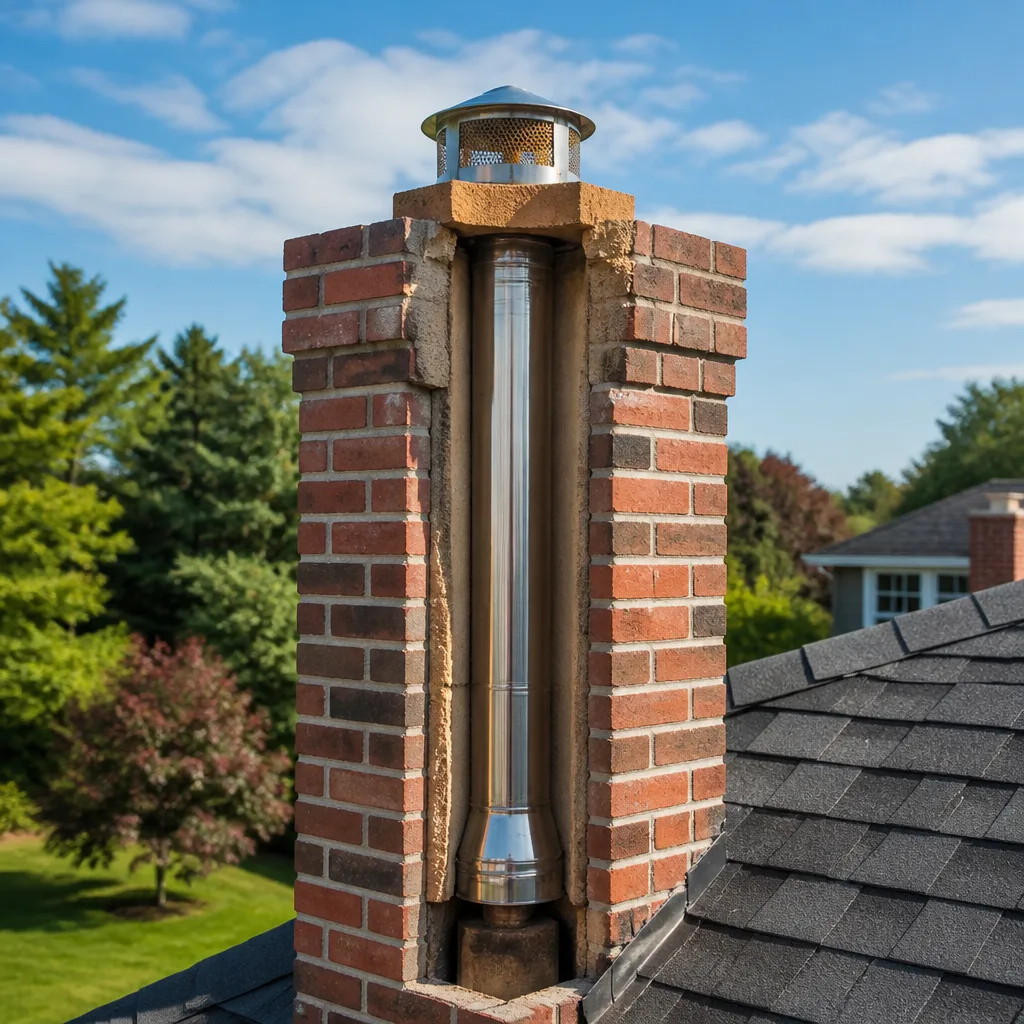 Flue relining
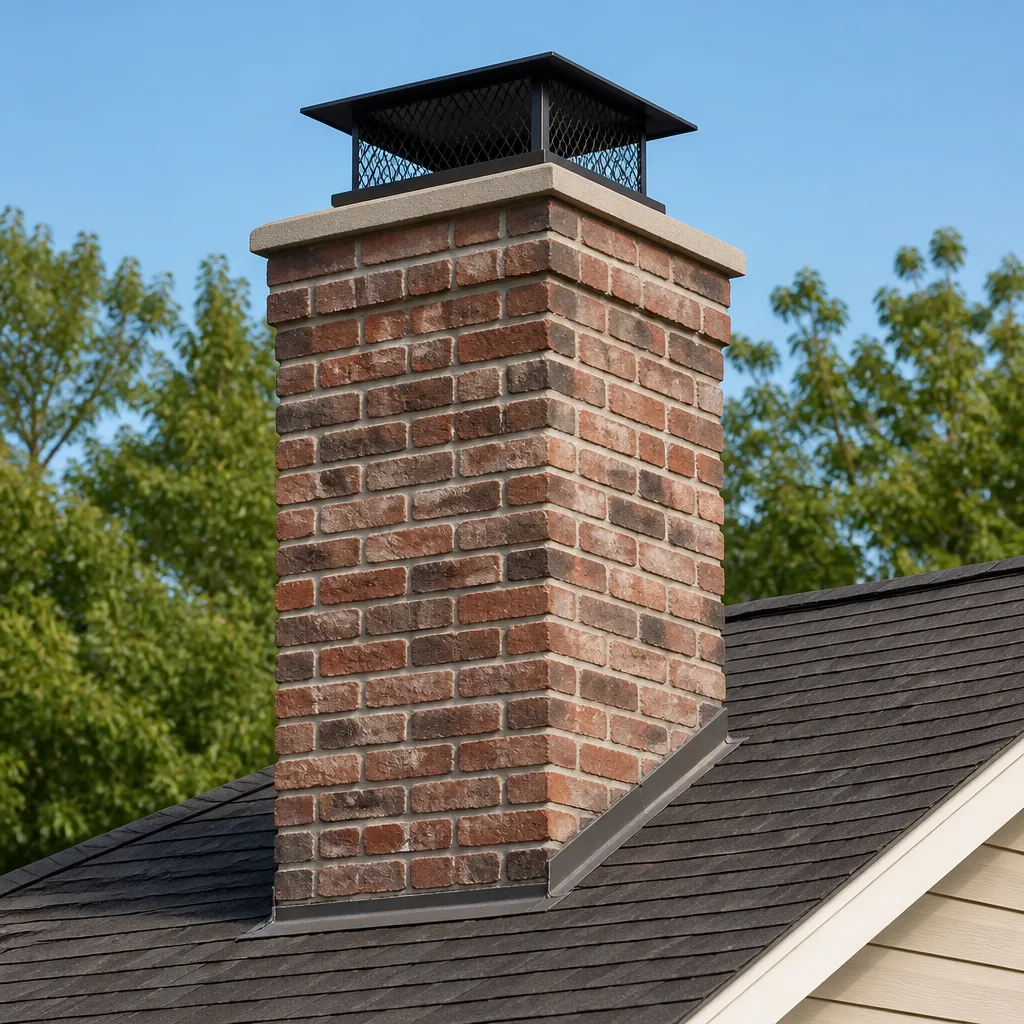 Masonry repair
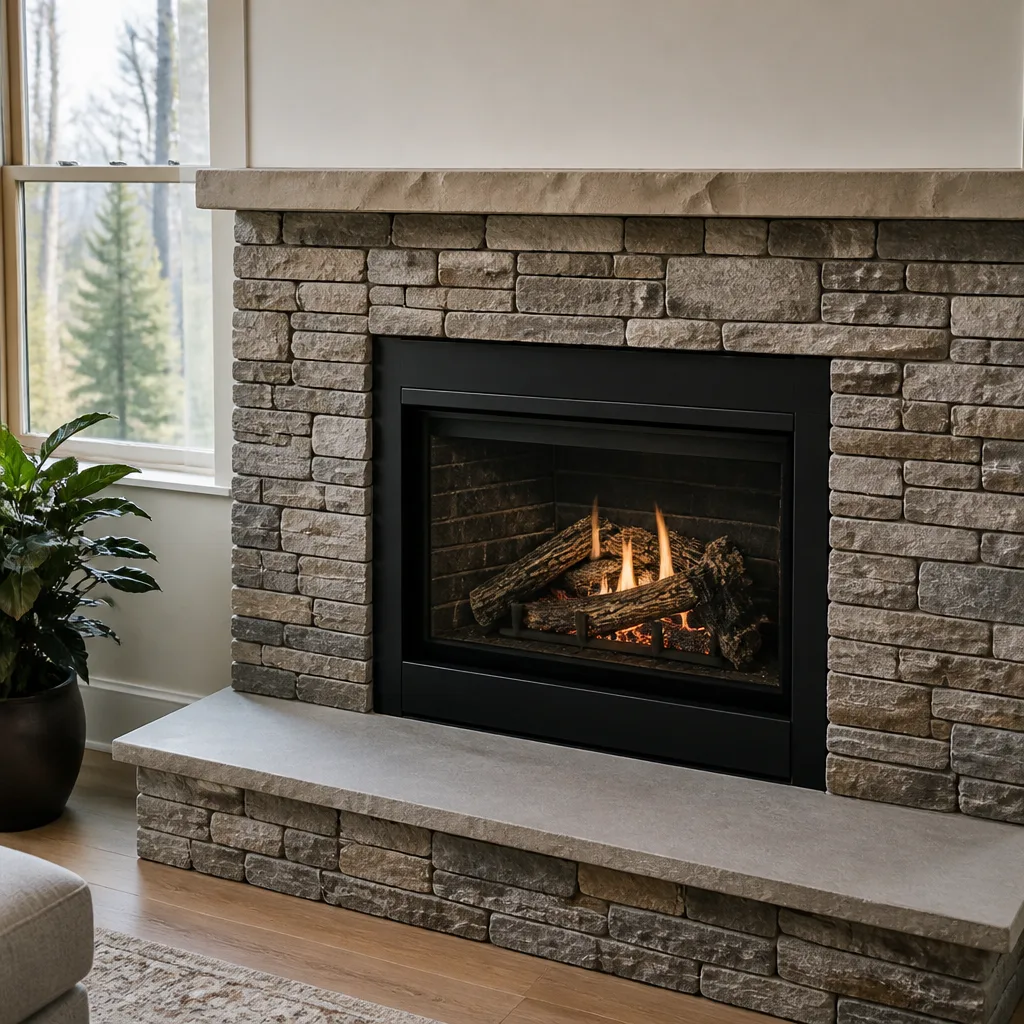 Gas fireplace service
Level 1 sweep and inspection to the NFPA 211 annual standard - flue, crown, cap, and flashing checked and photographed
Chimney sweep logs do not sweep chimneys. They loosen some creosote - which then falls where a brush and vacuum still have to collect it.
Trusted Chimney Inspection for Park Hill Homeowners
The problem with most chimney inspections is that you can’t see what the inspector sees. You get a verbal list of problems and no way to check any of it. We work the other way around: a camera goes up the flue, you watch the screen with us, and the report shows the same photos we’re looking at. If nothing needs doing, we tell you that plainly and the inspection ends there.
Our technicians have up to 12 years of experience, and every one of them works on chimneys only. No gutters, no HVAC, no general handyman work on the side. We inspect the whole system from the firebox to the crown, and the local pro who arrives is licensed and insured as their state requires. Same-day inspection is often possible when you call early. Call (877) 770-1914 to book one.
What Our Chimney Inspection Service Includes
Not every chimney needs the same level of scrutiny. The three inspection levels come from the trade’s standard framework, and the right one depends on what’s changing at your house. Here is how each works and when it applies.
Level 1 Inspection
A Level 1 inspection covers the readily accessible parts of your chimney and venting: the firebox, damper, visible flue, and the exterior from ground level. It’s the right choice when the appliance and fuel type haven’t changed and you just want a yearly condition check. We go through the firebox to the crown, note any deterioration, and tell you whether a sweep is due before the next burning season. No camera is needed at this level, and we won’t push one on you if your setup doesn’t call for it.
Level 2 Inspection
A Level 2 inspection adds a video camera run through the full length of the flue, plus accessible attics, crawl spaces, and chimney connectors. You need this one after any change in the system: a new appliance, a fuel switch, a flue liner replacement, or a chimney fire, and it’s also the standard for a real estate transaction. In Park Hill, where many homes have had inserts or gas logs added over the years, this is the level we run most often. The camera footage is recorded so you keep a copy.
Level 3 Inspection
A Level 3 inspection happens when a Level 1 or Level 2 turns up something that can only be seen by opening up part of the chimney or building. That might mean removing a section of crown, cutting into a wall, or accessing a concealed flue. It’s not routine, and it’s never something we recommend without the evidence from a lower-level inspection pointing at a specific area. Before anything gets opened, we explain what we expect to find and why, then show you photos of what’s actually there.
Camera Inspection
Camera inspection is the core of honest chimney diagnostics. We run a lighted camera down the flue and watch the footage together, looking at tile joints, mortar gaps, and the liner itself. Cracks that look minor from the top can leave gaps wide enough to let heat and carbon monoxide into the structure, and the camera is how you tell the difference. You see the screen as we do, and the pictures go in your report.
Flue Inspection
Flue inspection focuses on the passage your smoke and gases actually travel through, which is where most serious problems start. We check for cracked or spalled tiles, gaps at the joints, heavy creosote glazing, and obstructions like nests or fallen masonry. Whether your flue serves a wood fireplace or a gas appliance, a clear and sound flue is the whole safety picture. If you use HeatShield restoration on a deteriorated flue, we confirm the new surface is smooth and continuous before calling the job done.
Real Estate Inspection
A real estate inspection gives buyers and sellers a factual record of the chimney’s condition before closing. We perform a Level 2 inspection, capture camera footage of the flue, and document defects with photos you can attach to a report. That keeps the conversation about the chimney grounded in what the camera shows rather than guesswork at the negotiating table. It’s a sensible step before you take on an older Park Hill house with an unfamiliar fireplace.
Styles & brands we work with
- Sweep & inspection
- Caps & crowns
- Flue relining
- Masonry repair
- Gas fireplace service
Brands We Service for Chimney Inspection
We work with an industry-vetted product lineup, and we inspect those systems often enough to know where each one wears. HeatShield is the liner restoration system we use when flue tiles have deteriorated but the chimney structure is sound, and we know how to read a restored flue for the signs it needs another look. Olympia Chimney makes liners and venting components common in this part of the city, and we know where joints and connections on that equipment tend to loosen first.
Famco and Gelco products show up in caps, dampers, and venting work, and our familiarity with them means an inspection tells us what’s normal wear and what’s a real failure. We’re not a dealer and we don’t claim to stock anyone’s parts. But whether you have HeatShield, Olympia Chimney, or any other make, we can help: the inspection looks at the system as it is, not at a brand badge.
Signs You Need Chimney Inspection Right Now
Some of these are urgent and some can wait a week. You won’t know which without looking, and that’s exactly what an inspection settles.
- Smoke backing into the room. A fireplace that puffs smoke instead of drawing it up often has an obstruction or a draft problem in the flue. It’s worth checking before you light another fire, because a blocked flue sends exhaust the wrong way.
- A strong creosote smell, especially on warm days. Glazed creosote can build in layers that are hard to see from the firebox. It’s the fuel for chimney fires, and an inspection shows how much is there and whether cleaning will clear it.
- Water stains or white chalky deposits on the chimney exterior. Those white stains usually mean moisture is getting into the masonry through a failing crown or cap. Stopping the water early is a repair job; leaving it is a rebuild.
- Visible cracks, spalling brick, or loose mortar. Cracks in the flue tiles are a path for heat and gases into the structure. You can often see the damage from outside or in the firebox, but the camera shows whether it goes deeper.
- A chimney fire you know about, even a small one. A loud roar, a shower of sparks, or scorched creosote are signs of a fire in the flue. Even a brief one can crack tiles, and a Level 2 inspection is the standard next step afterward.
Our Chimney Inspection Process – Step by Step
The inspection is a booked visit, and the point of it is diagnosis: we look first and recommend second. Here’s how a typical visit runs.
- 1
We set the scope with you. Before anyone climbs anything, we ask about the appliance, its fuel, and what’s changed recently. That tells us which inspection level makes sense, so you’re not paying for a camera run a simple yearly check doesn’t need.
- 2
We inspect the accessible interior first. Firebox, damper, smoke chamber, and the visible flue, checked for creosote buildup, cracked tiles, and gaps at the joints. We note anything that looks off so the camera run can confirm or rule it out.
- 3
We run the camera. A lighted camera travels the full flue, and we watch the footage together. Cracks, mortar loss, and obstructions show up on screen, and we save the images for your report.
- 4
We check the exterior and the top of the system. Crown, cap, flashing, and the masonry above the roofline, looking for the entry points where water gets in. If your house is in Hilltop or Mayfair and the chimney sits high above the roof, this is often where the real defects are.
- 5
We write up what we found and what it means. You get a report with photos, a plain-language list of defects, and a recommendation for each: fix now, plan for it, or leave it alone. If the chimney can safely wait until before burning season, we say so.
See the difference
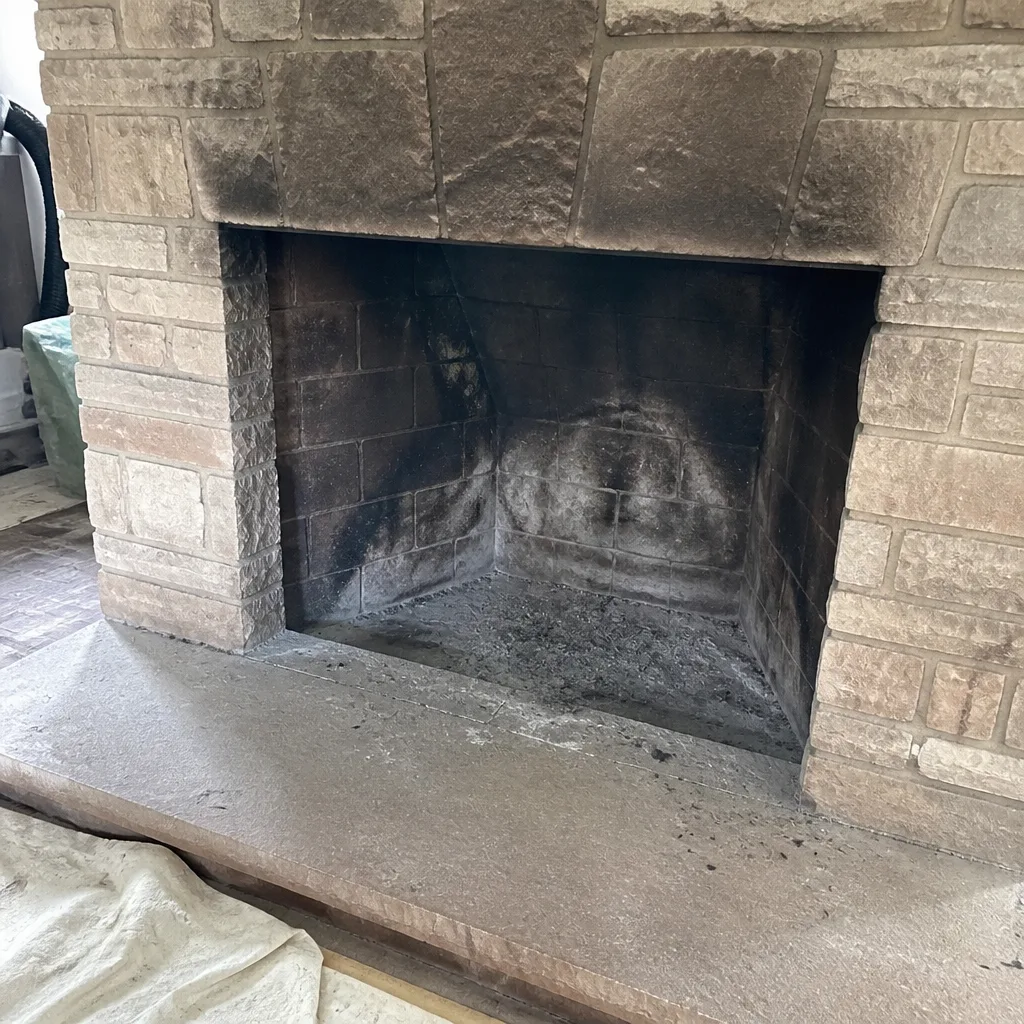 Before
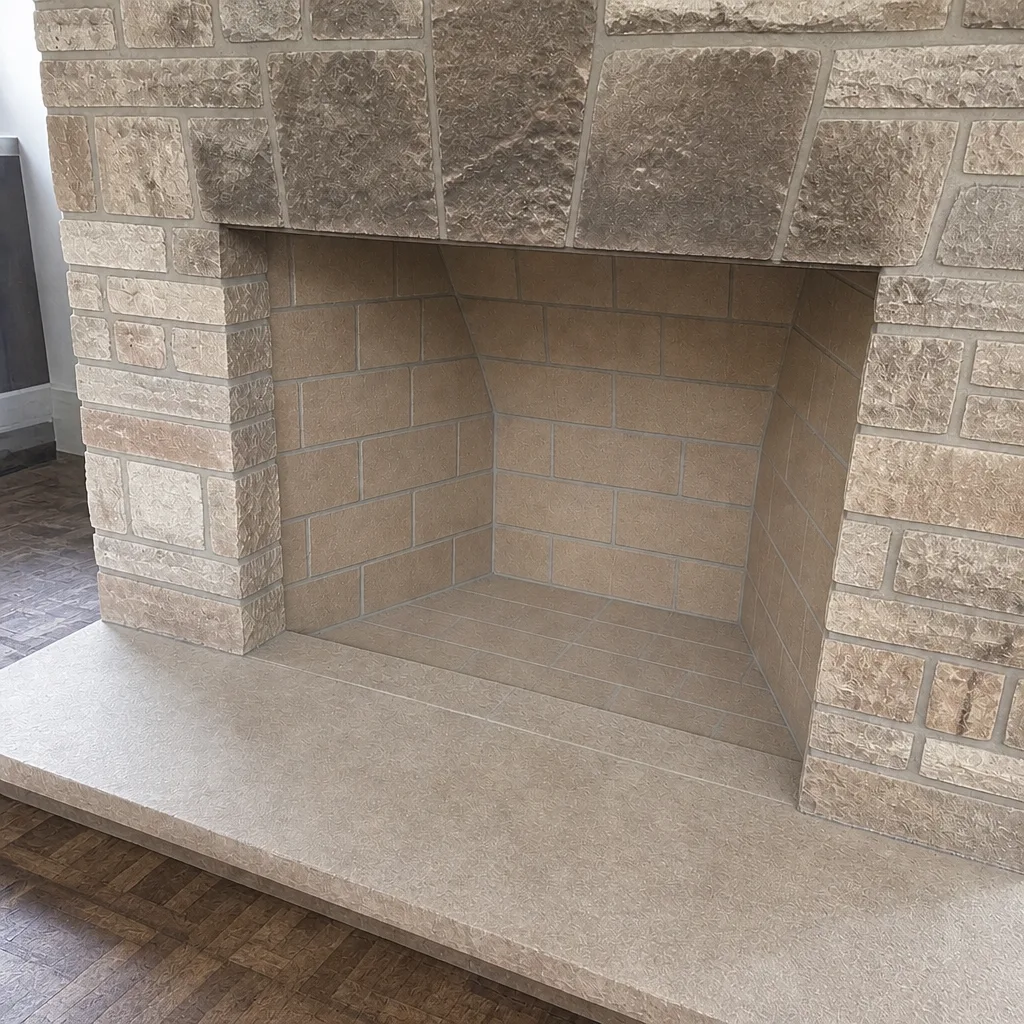 After
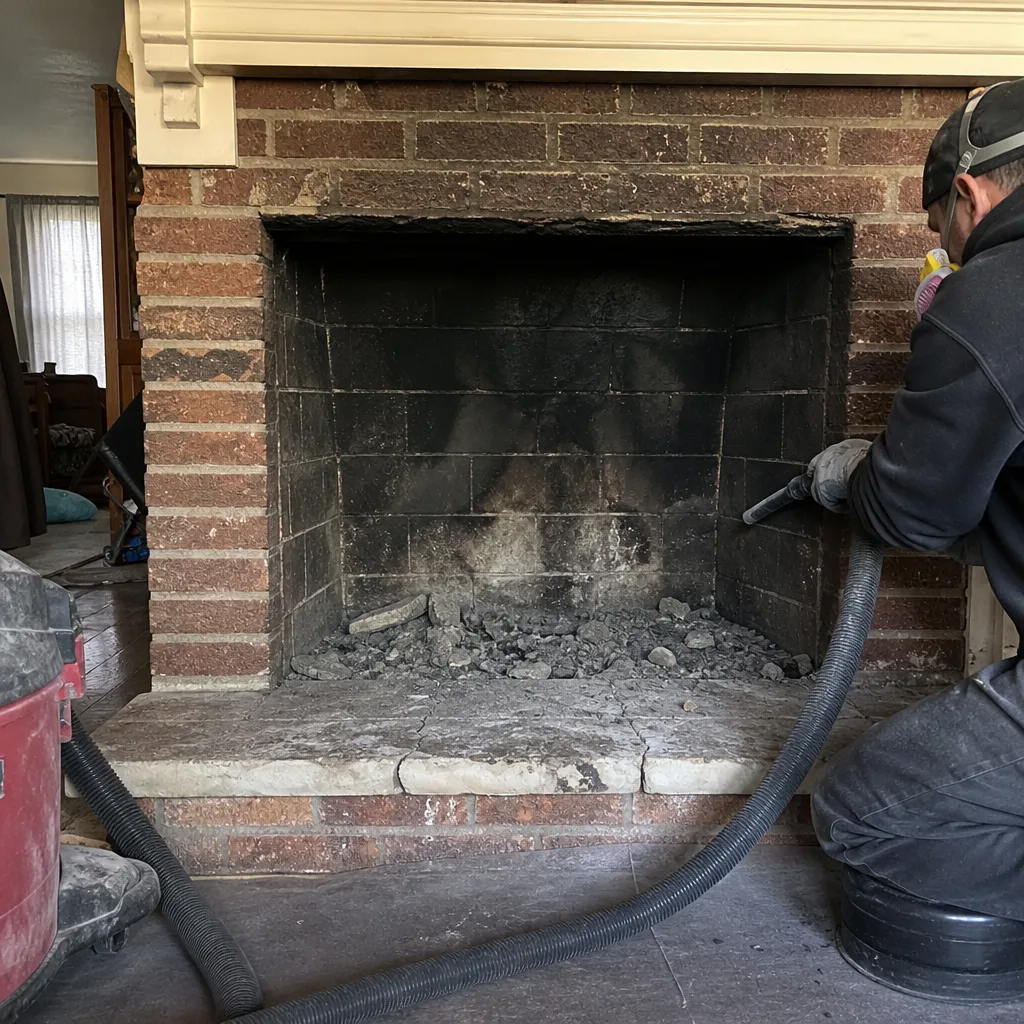 Before
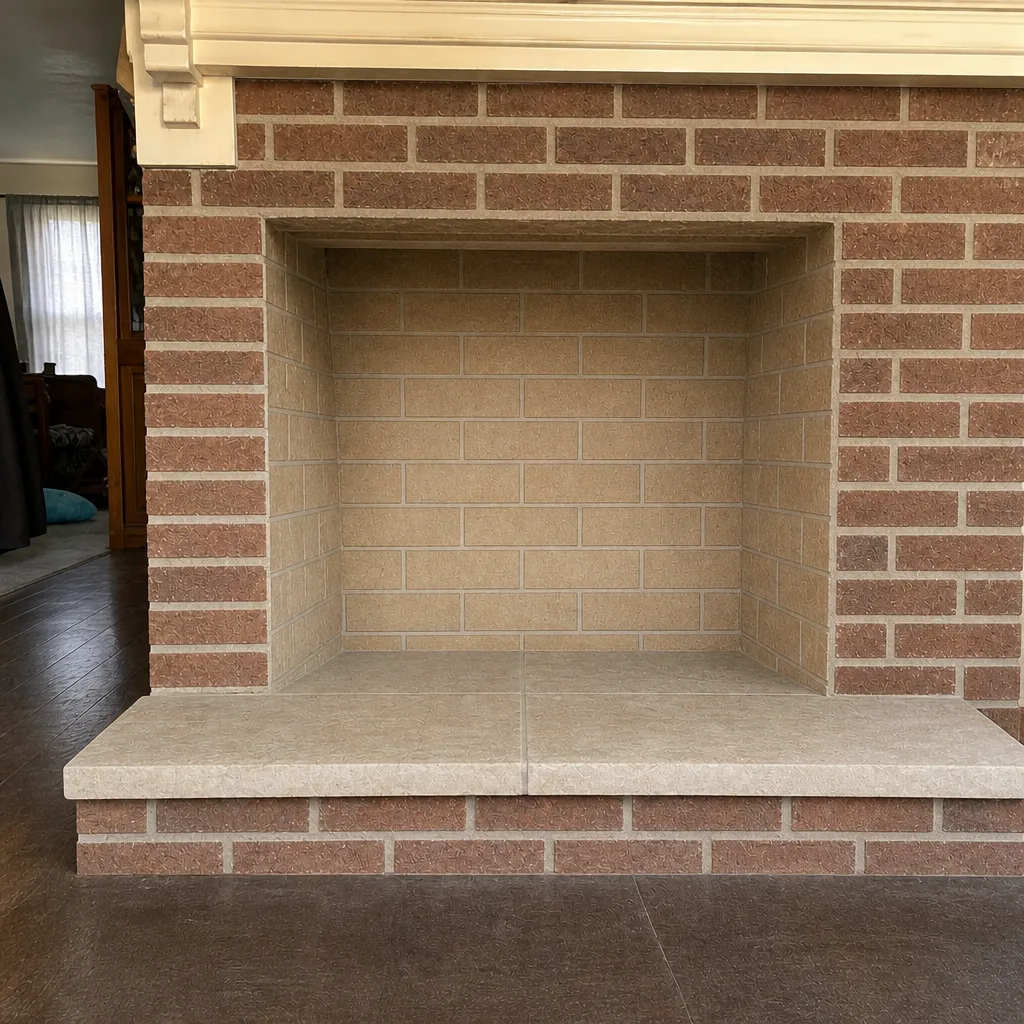 After
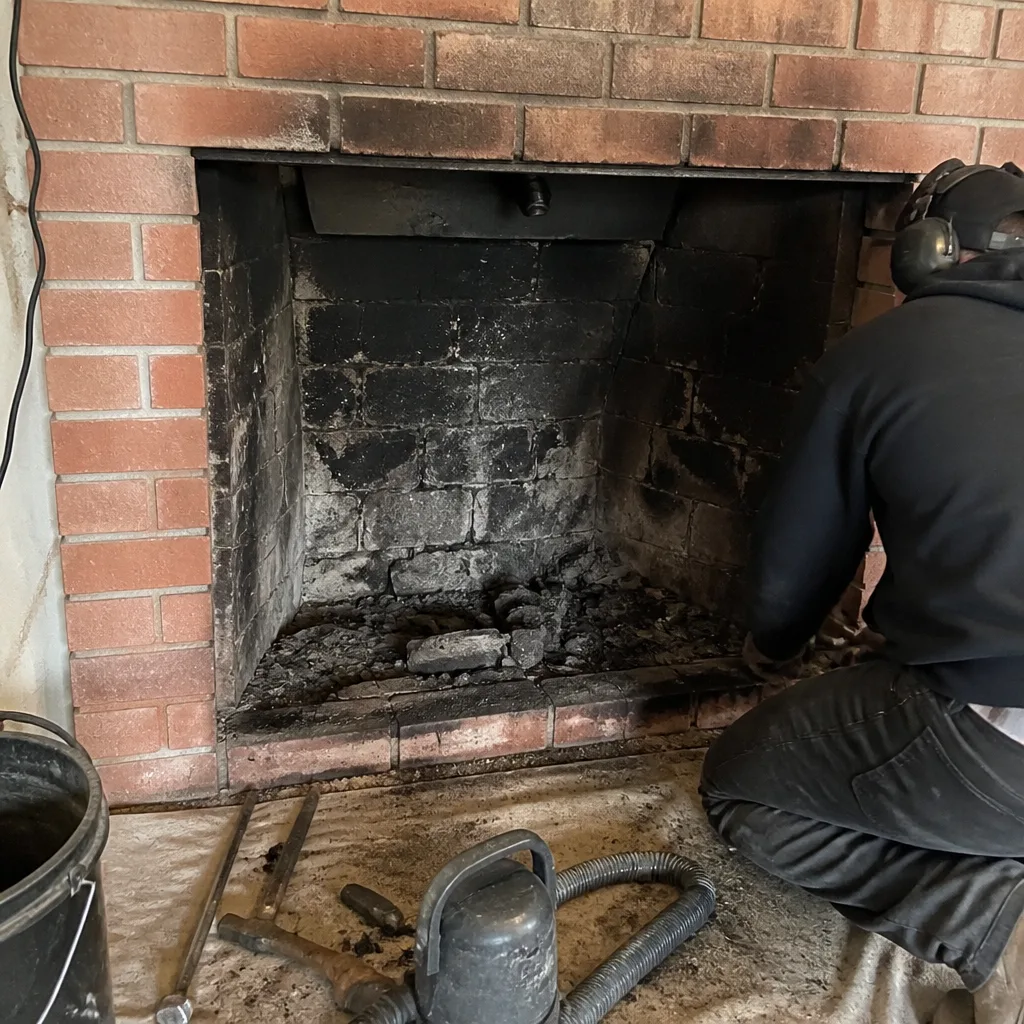 Before
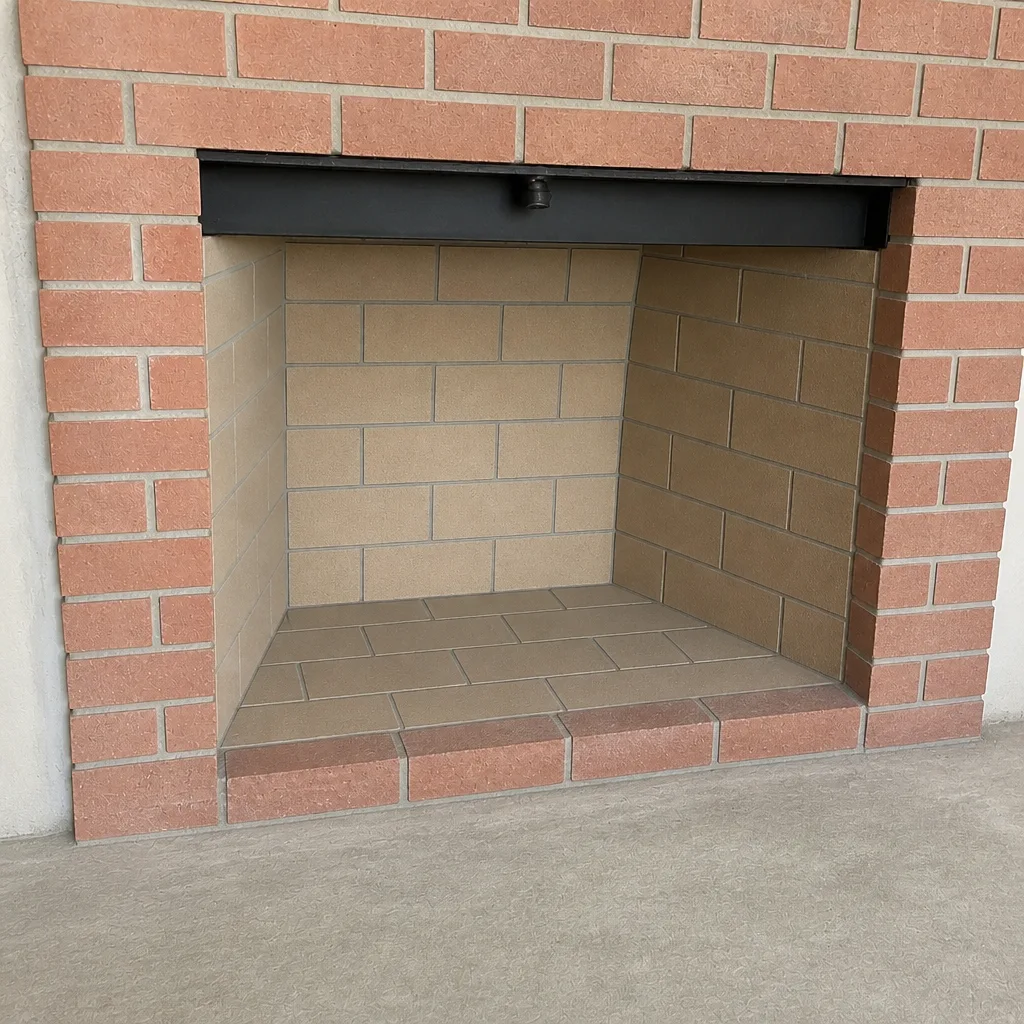 After
How Much Does Chimney Inspection Cost in Park Hill?
Chimney inspection in Park Hill typically runs $125 – $225 for a Level 1, $225 – $375 for a Level 2 with camera footage, and more for a Level 3 once the scope of opening up the chimney is clear. Those are estimated ranges, and the written estimate you get before the visit sets the final price. A camera inspection or flue inspection is usually part of a Level 2 rather than a separate line item. When an older Park Hill home needs a liner restored with HeatShield, that’s quoted as its own job after the inspection, not folded into the inspection fee.
What moves the price is mainly the level of inspection, the condition of the chimney, and whether concealed areas need opening. You avoid overpaying by matching the level to the situation: a yearly condition check on an unchanged system doesn’t need a camera, and a change of appliance does. A free estimate covers the scope and the estimate itself, and nothing is recommended without the camera evidence to back it up. If the chimney can safely wait, you’ll hear that too.
Chimney Inspection Near Park Hill – Our Service Area
We inspect chimneys across Park Hill and the neighborhoods around it, including Hilltop, Mayfair, Lowry, Capitol Hill, and Montbello. For a Level 1 or Level 2 inspection, response is typically same-day or next-day when you call early, and a Level 3 that needs more setup is scheduled once the scope is clear. Our technicians carry the camera gear and know what to expect from Park Hill’s older housing stock. If you want to see how we handle a full visit, read about our chimney inspection and the level that fits your situation.
Serving Park Hill, CO – Our Local Coverage Area
We serve Park Hill and nearby communities. Use the map below to see the area we cover. If you’re nearby, we can almost certainly help.
Frequently Asked Questions – Chimney Inspection in Park Hill
A chimney inspection is a visual and, where needed, camera-based examination of your chimney and venting system to find defects, blockages, and creosote buildup before they cause a fire or water damage. It comes in three levels, and a Level 2 adds video footage of the full flue. We perform all three, and the inspection ends with a written report you can read and keep. Call (877) 770-1914 to book one.
Most Level 1 and Level 2 inspections take 45 minutes to an hour and a half, depending on the size and condition of the system. A Level 3 that requires opening up part of the chimney takes longer, and we schedule it separately once the scope is clear. You’re welcome to watch the camera run and ask questions while we work. Estimates are free, so call (877) 770-1914 and we’ll set a time that fits your day.
Expect estimated ranges around $125 – $225 for a Level 1, $225 – $375 for a Level 2, and more for a Level 3 depending on what needs opening. The written estimate sets the final price, and a camera inspection or flue inspection is generally included in the Level 2. If you’re unsure which level you need, we’ll talk it through before booking so you’re not paying for a check that doesn’t apply. Call (877) 770-1914 for a free estimate.
Yes, we work with both, along with Famco and Gelco components. Our familiarity with Olympia Chimney venting and HeatShield liner restoration means an inspection covers those systems properly, including how the installed surface has held up. We’re not a dealer and don’t claim to stock anyone’s parts, but we can inspect and service what’s there. Call (877) 770-1914 to schedule it.
Same-day inspection is often possible when you call early. We answer 24/7, and dispatch runs 7am to 7pm, Sunday through Friday; we’re closed Saturday, and a call outside dispatch hours is booked into the next opening. Fireplaces often take their first light of the season before people think to book, so calling ahead of burning season is the easier route. Call (877) 770-1914 to check availability.
We stand behind the inspection and the report: if the footage shows something we miss, come back to us and we’ll make it right. The written report and photos are your record of what we found and what we recommended. Any repair work is quoted separately and covered by its own terms. Call (877) 770-1914 if you have questions about a previous inspection.
Clear the area around the fireplace and make sure we can reach the firebox and the access points in your attic or crawl space. Don’t light a fire for at least 24 hours before the visit if possible, so the flue is cool and the camera run reads cleanly. If you’ve had a chimney fire or a change in appliance, mention it when you book so we bring the right equipment. Call (877) 770-1914 with any questions before the visit.
Schedule Your Chimney Inspection Service in Park Hill Today
Inspection first, recommendations second: that’s how we run a visit. A chimney in Park Hill doesn’t need a rebuild just because a sweep says so, and it shouldn’t be ignored either. You deserve a clear report and camera evidence you can check yourself. Call (877) 770-1914 for a free estimate. We answer 24/7. Fast dispatch from 7am to 7pm, Sunday through Friday.
Written by the team at Chimney Sweep Park Hill.