
Last updated November 24, 2026
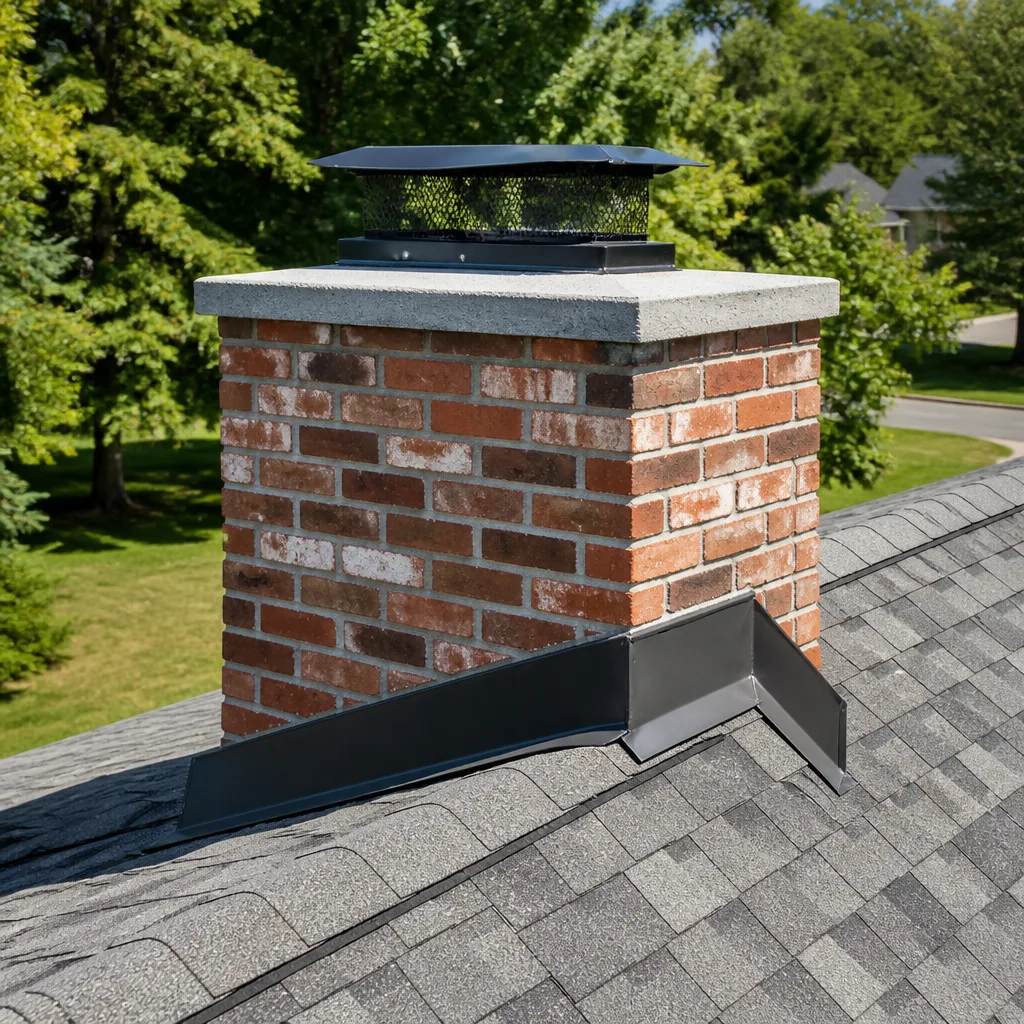 Sweep & inspection
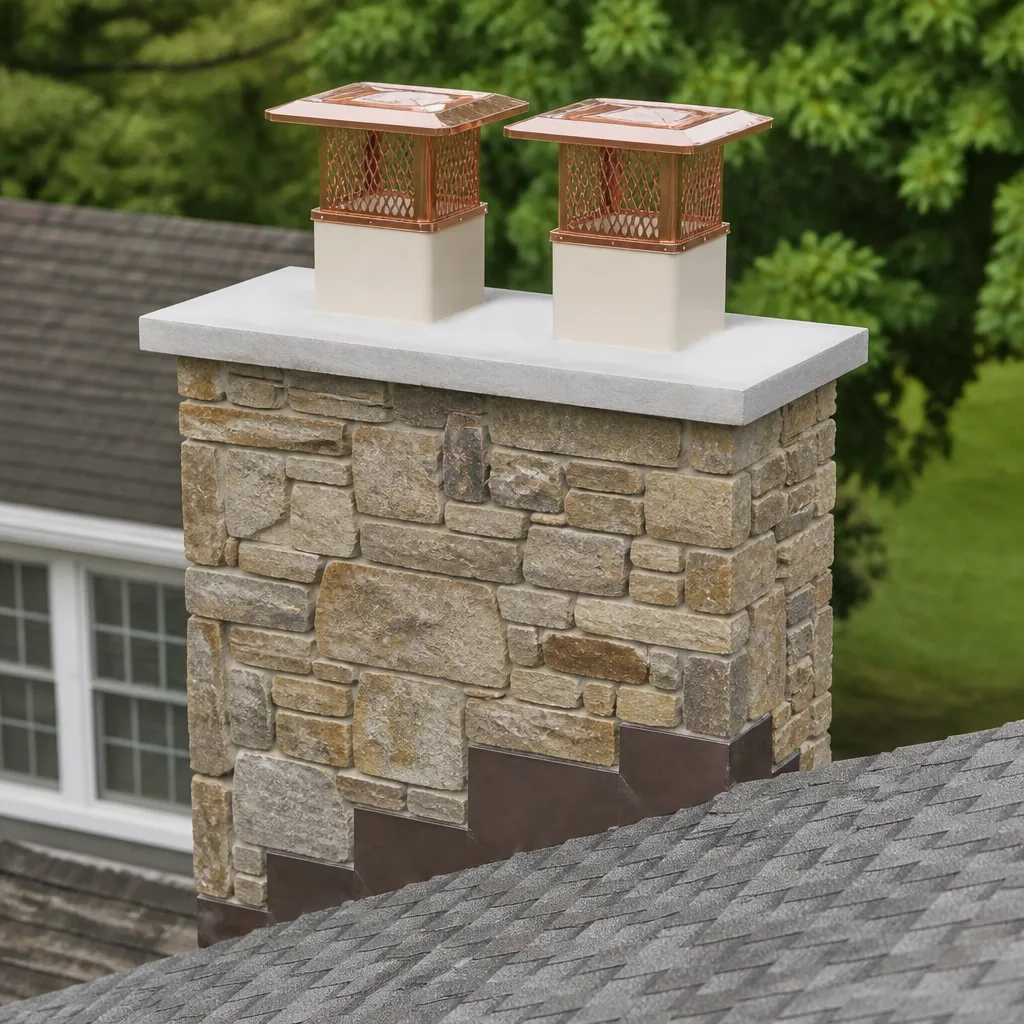 Caps & crowns
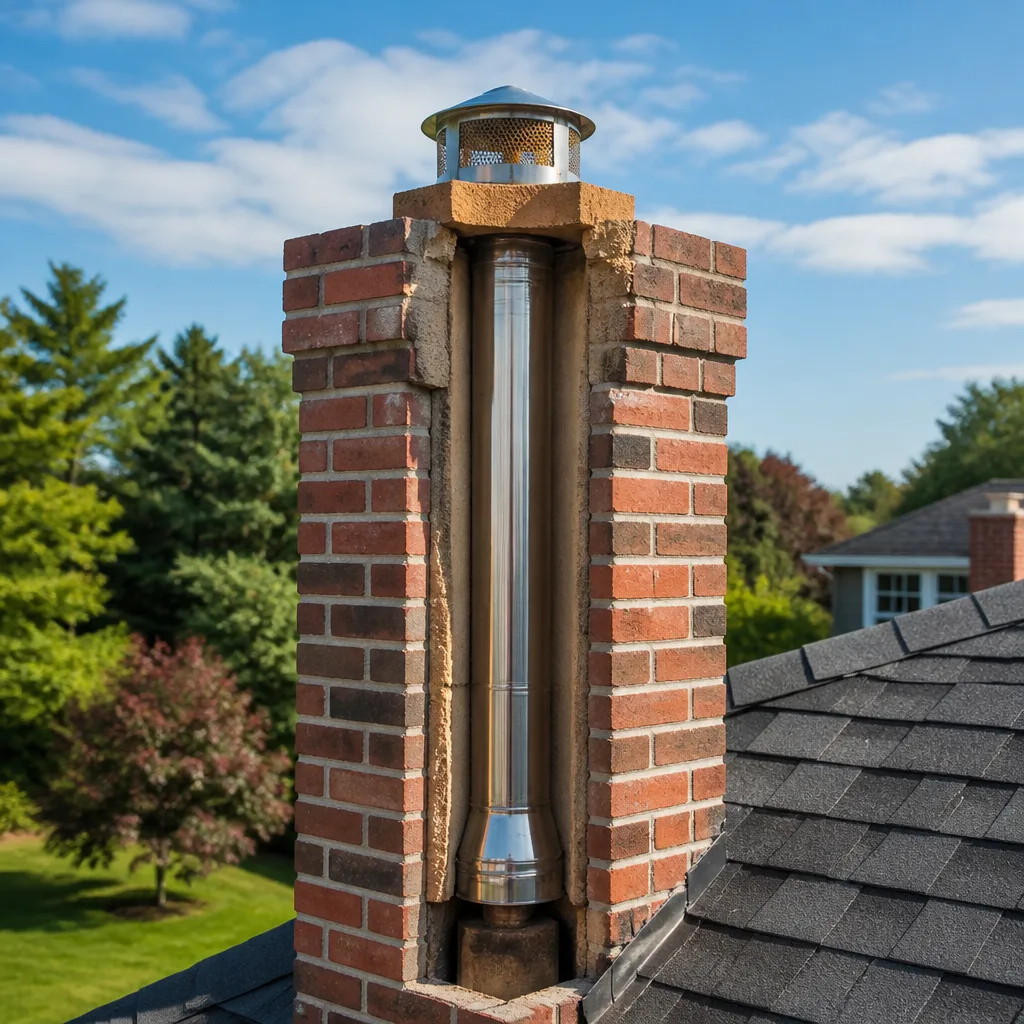 Flue relining
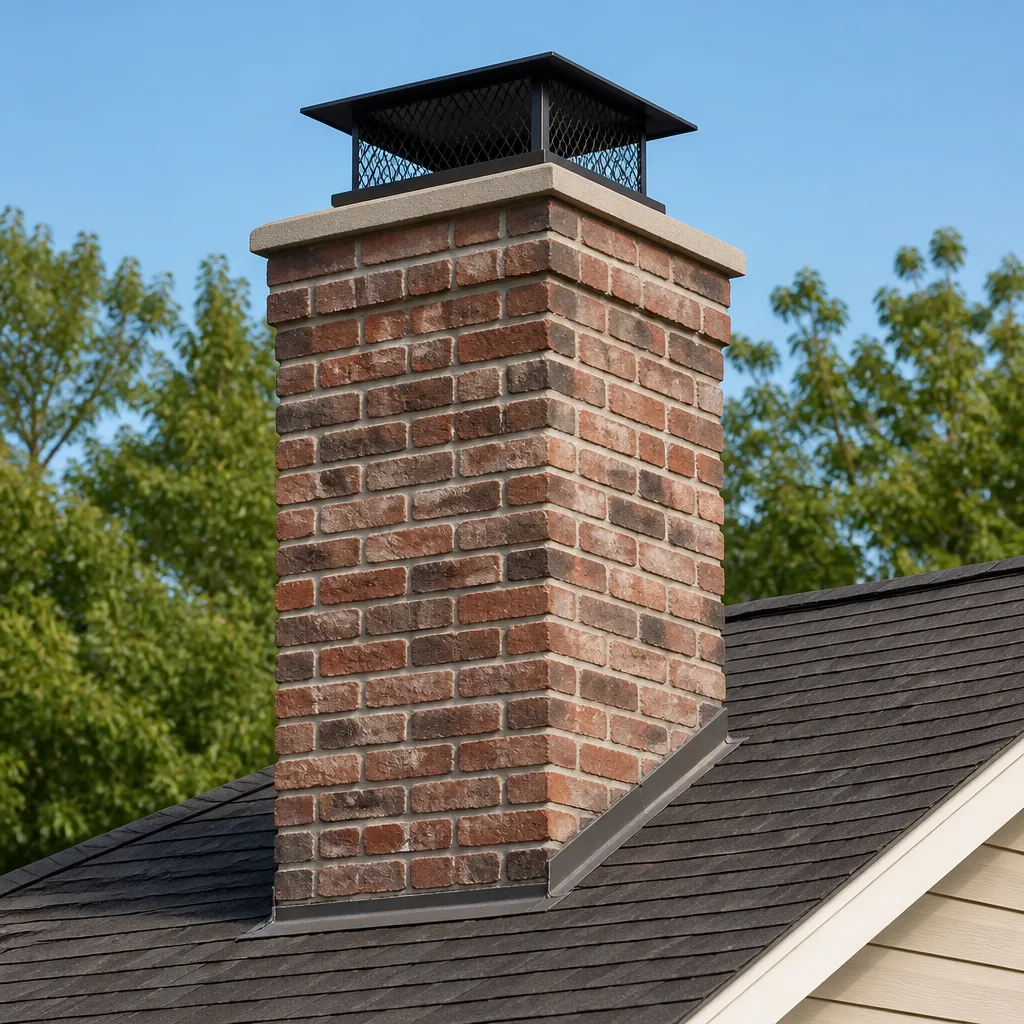 Masonry repair
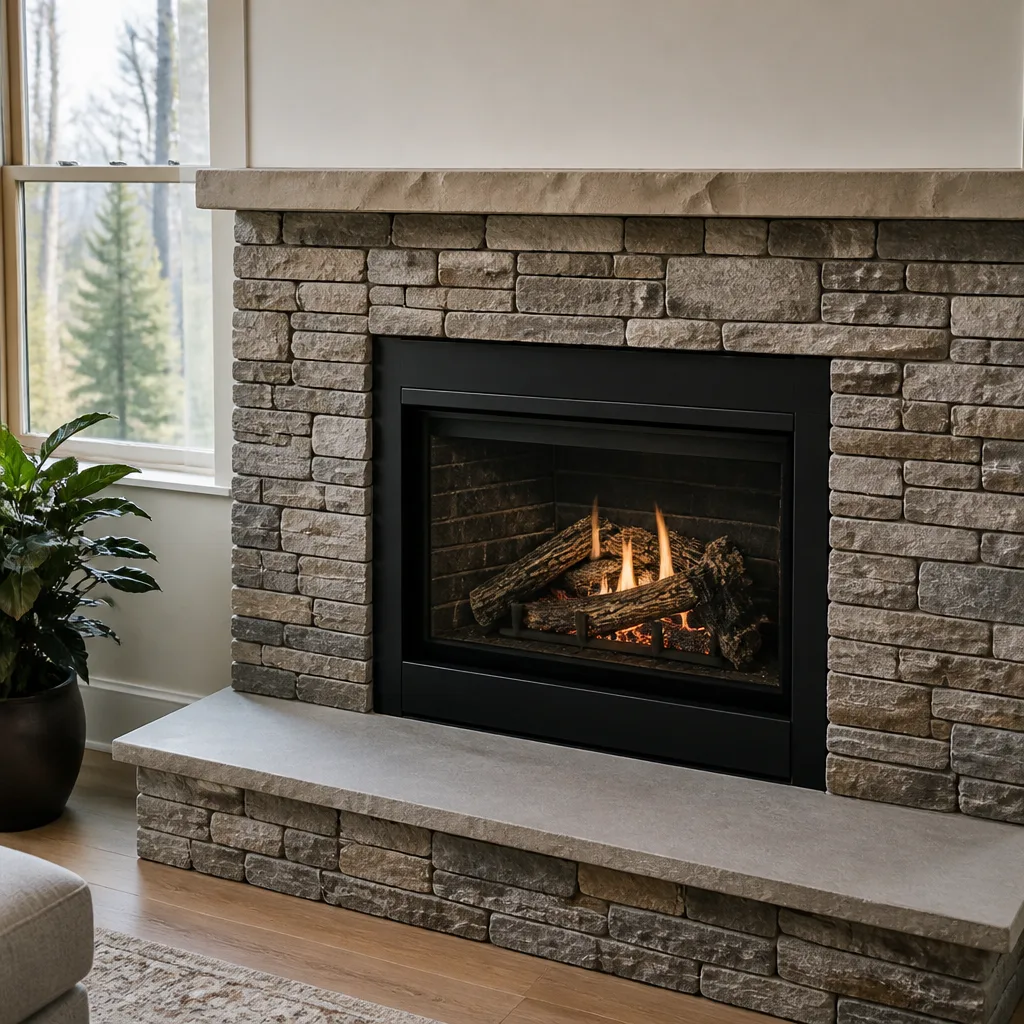 Gas fireplace service
Level 1 sweep and inspection to the NFPA 211 annual standard - flue, crown, cap, and flashing checked and photographed
Chimney sweep logs do not sweep chimneys. They loosen some creosote - which then falls where a brush and vacuum still have to collect it.
Chimney Sweep Maintenance Checklist for Park Hill Homeowners
Most chimney maintenance checklists are written as if you were going to be up on the roof with a flashlight and a brush. They aren’t written for the person actually living in the house. A line that says “inspect the flue” is worthless to a homeowner, because a flue is a dark vertical shaft you cannot see into without a camera. What you can do, safely and without a ladder, is learn the handful of surface-level signals that tell you whether your chimney is running normally or whether something has changed since last winter. That’s the checklist we’ve built here. It’s organized around what you can actually observe from the firebox opening and from the ground, when each item matters in Park Hill’s fire season, and how to keep a simple record year over year that will hold up when you sell the house or file an insurance claim.
Quick Answer
A working chimney maintenance checklist has three tiers: things you confirm yourself from inside the house, things a certified sweep confirms with a camera and a rod, and things that trigger an earlier appointment than your annual sweep. The homeowner-verifiable items are creosote buildup at the damper, white staining on the firebox brick, smoke that rolls back into the room, and water or rust at the roofline. If any of those four show up, your annual sweep moves up. If none do, an annual inspection and sweep before the heating season is what Park Hill homes need, usually scheduled in late summer or early fall before the first burn.
Styles & brands we work with
- Sweep & inspection
- Caps & crowns
- Flue relining
- Masonry repair
- Gas fireplace service
Table of Contents
- Why Most Chimney Checklists Miss the Point
- The Four Signals You Can Check Yourself
- Maintenance Items vs. Condition-Based Triggers
- Seasonal Timing Built Around Park Hill’s Fire Season
- What You Can Confirm vs. What Requires a Certified Sweep
- Roofline Checks That Don’t Require a Ladder
- How to Log Your Chimney’s Condition Year Over Year
- Common Mistakes to Avoid
- When to Call a Professional
- Frequently Asked Questions
Why Most Chimney Checklists Miss the Point
A chimney is a system, not a component. It runs from the firebox through the smoke chamber, past the damper, up the flue, out the cap, and terminates at the crown. Every one of those stages affects the others. When a checklist item says “clean the flue” and nothing else, it’s describing one link in that chain and pretending it’s the whole thing. In our experience, most of the expensive chimney problems we see in Park Hill started somewhere other than the flue. Water got in at the crown. A cap went missing and a bird nested at the top of the liner. A damper stopped sealing and the house started drafting cold air down the chimney in January.
The other problem with generic checklists is they don’t distinguish between a routine item and an urgent one. “Schedule an annual sweep” and “check for cracks in the flue tile” get lumped into the same bullet list, which means a homeowner reads them as equally routine. They aren’t. One is a maintenance habit. The other is a condition-based trigger that, if it’s confirmed, moves your timeline up regardless of when you last had the chimney swept.
So this guide splits the work into three tiers. Tier one is what you can confirm yourself, safely, from inside the house. Tier two is what a certified technician with a camera and rods confirms during an inspection. Tier three is the set of triggers that mean you call before your annual window arrives. If you can keep those three straight, you’ll never pay for a service you didn’t need, and you’ll never ignore something that deserved attention.
One more thing worth stating up front. A checklist is only useful if it produces certainty. When a technician tells you the liner needs work, you should be looking at a camera image of the liner, not taking it on faith. The whole point of the homeowner tier is that it gives you something concrete to compare against what a professional tells you. Inspection first, recommendations second.
The Four Signals You Can Check Yourself
There are four things a Park Hill homeowner can check from inside the house, without climbing anything, that reliably flag a chimney problem. None of them require tools beyond a flashlight and a pair of eyes. Each of them is an observable condition, not a guess.
1. Creosote at the damper
Open the firebox, look up at the damper, and check the metal plate and the brick just above it. Creosote is the tarry or crusty residue left behind when smoke cools against a cold surface. If you see a glaze, a shiny black coating, or a flaky brown crust accumulating at the damper, you’re looking at a stage of buildup that means the flue above it is likely worse. Glazed creosote is the most flammable grade, and it doesn’t brush off the way loose soot does. If you see glaze, that’s a professional call, not a wait-and-see.
2. White staining on the firebox brick
A white, powdery bloom on the brick or mortar around the firebox is called efflorescence, and it’s a water signature. Moisture has been moving through the masonry and has left mineral deposits behind as it evaporated. On a Park Hill home, that often traces back to the top of the chimney, not the firebox itself. Water gets in at the crown or past a failing cap, travels down, and shows up here. White staining is your first indication to look up rather than in.
3. Smoke that rolls back into the room
On a cold start, a little smoke spill can be normal as the flue warms. Consistent rollback once the fire is established is a draft problem. It can come from a flue that’s blocked, a damper that’s not opening fully, a house that’s too tight for the chimney to draw, or a cap that’s been blocked by debris. Don’t try to diagnose which one it is yourself. Just note it and call. Rollback is also a carbon monoxide concern, so this is one of the items on the list you never postpone.
4. Water, rust or staining near the roofline
From the ground, look at the chimney where it leaves the roof. You’re looking for crumbling mortar at the crown, a missing or bent cap, or dark stains running down the exterior brick. Rust streaks on a metal chimney indicate water intrusion at a joint or the cap. From inside the attic or the top floor, you’re looking for stains on the framing near the chimney chase. Water is the origin of most structural chimney problems in this region, and finding it early is what separates a routine cap and crown job from a rebuild.
What to do with what you find
Write down what you saw and when. If any of the four appears, that’s a condition-based trigger, and the annual window no longer applies. If none appear, you’re in routine maintenance territory, and the next item is scheduling the annual sweep before the heating season starts. Either way, chimney sweep service is what turns what you saw into a confirmed diagnosis. Your eyes get you to the phone call. The camera gets you to the answer.
Maintenance Items vs. Condition-Based Triggers
Confusing a maintenance item with a trigger is the single most common reason homeowners in Park Hill either overpay or under-react. A maintenance item is something you do on a schedule regardless of what things look like. A condition-based trigger is something you saw that overrides the schedule. The two belong on different lists, and once you separate them, the decisions get easier.
Maintenance items (do on schedule)
- Annual chimney sweep and inspection before the heating season starts
- Inspection of the cap, crown and flashing at each annual visit
- A sweep extra to the annual one if you burn heavily through the season
- Cleaning the firebox and ash pan after the last burn of the season
- Confirming the damper operates freely at the start and end of each season
- Verifying your smoke and carbon monoxide detectors once a season and replacing batteries
- A visual ground-level look at the roofline after storms and snowmelt
Condition-based triggers (move the timeline up)
- Glazed creosote visible at the damper opening
- Efflorescence or soot staining on the firebox brick
- Smoke rolling back into the room after the fire is established
- A strong creosote or smoky smell inside the house when the fireplace is idle
- Water stains, rust streaks, or a missing cap at the roofline
- Loose mortar, spalled brick, or a visibly cracked crown
- Any work on the chimney while it’s actively in use that isn’t a routine sweep
Here’s how the two lists interact. A typical Park Hill home runs the maintenance list on a schedule and watches for any trigger. If a trigger appears, the next annual sweep moves up to the current month, and the sweep determines whether what you saw is a minor issue or something structural. The mistake is treating the maintenance list as a substitute for watching for triggers. You don’t wait until the annual appointment to note that smoke is coming into the living room.
The reason this split matters for cost is that triggers, caught early, are usually cheap. Water staining caught once can mean a new cap and crown. The same water intrusion left for two seasons can mean a rebuilt chimney top, and sometimes a liner. In our experience, the difference between a cap-and-crown job and a major repair isn’t the skill of the technician, it’s how long the water had to work. That’s a homeowner decision, not a technician one.
Seasonal Timing Built Around Park Hill’s Fire Season
National chimney guides typically say “get it swept in fall.” That’s decent advice and it’s the wrong benchmark for a Park Hill homeowner, because fall here doesn’t arrive on the calendar most of the country uses. The heating season runs longer at elevation on the Front Range, daytime temperature swings are wide, and a first burn in September can quickly become a short daily burn through October and November before the cold really sets in.
The realistic schedule for this region
- Late summer, before the first burn: Book the annual sweep and inspection. This is the ideal window because the chimney has finished its season and the firebox is usually idle, so nothing you find is urgent.
- Early fall, first cold snap: Do your homeowner checks again, particularly creep at the damper and draft on a cold start. If a short burn produces rollback, call.
- Mid-winter, after heavy use: If you burn more than a few times a week, a mid-season check is worth it. A sweep typically cleans out what a heavy burn season accumulates. That may mean a second visit before the season ends.
- Late winter, last burn: Note what the season did. Any new staining, odor, or roofline issue gets logged and, if it’s a trigger, called on.
- Spring, after the season: This is your best window to schedule structural work like a cap and crown or a fireplace repair, so it’s done before the first burn of the next season.
The fire-season reason, not the calendar reason
The real reason timing matters here is fire smoke. Park Hill’s fire season overlaps with the initial cold snaps, and a chimney that isn’t drafting properly in September will draft worse when the house is closed up and burn first happens against a cold flue. A sweep before the first burn gives you clean walls and a confirmed diagnosis while the chimney is quiet. If you’re already seeing rollback in the first cold week, the sweep should have happened in August.
The other Park Hill timing reality is that spring work books up. Cap and crown jobs, liner restoration and fireplace repair all compete for the same window in March and April. If a fall inspection surfaces something that’s safer to address in spring, the honest answer is often “book it now for the first opening.” Nothing gets more expensive by waiting out the season, but the appointment calendar doesn’t care about your intentions.
What You Can Confirm vs. What Requires a Certified Sweep
There’s a clean line here, and it’s the line between “what I can see from inside the house” and “what’s above the damper.” Everything you can see from the firebox opening, from the ground, or with a flashlight in hand is fair game for the homeowner. Everything above the damper is the sweep’s territory, and for good reason.
Homeowner-confirmable (safe to do yourself)
- Open and close the damper and note whether it moves freely
- Look at the firebox interior for staining, cracked brick or mortar joints
- Check the damper plate for creosote glaze and crust
- Observe draft behavior on a cold start (rollback, smoke spill, downdraft)
- Note any odors inside the house when the fireplace is idle
- Inspect the roofline from the ground for missing caps, cracked crowns, or staining
- Check the attic space around the chimney chase for water stains
- Confirm smoke and carbon monoxide detectors work
Certified-sweep territory (do not attempt)
- Anything inside the flue above the damper, including rodding and brushing
- Camera inspection of the flue tile or liner
- Pulling and refitting the cap or anything else at the top of the chimney
- Assessing whether the flue tile is cracked, spalled or missing mortar
- Structural repair to the chimney top, crown or flashing
- Liner replacement or restoration work
Why the line is where it is: the flue is a confined vertical shaft with creosote deposits, and the roof is a height hazard. Getting on a roof to inspect a chimney is one of the more dangerous trips a homeowner can take in the house, because the chimney itself is often close to a roof pitch and there’s no good handhold. Every year in this trade we hear about a homeowner who tried it and got lucky. The rule we give every Park Hill customer is the same: look up from the ground, look in from the firebox, and call for everything else.
There’s also a diagnostic reason for the line. A cheap rod-and-brush sweep, done without a camera, can’t tell you whether the tile is cracked inside the flue or whether glazed creosote has bonded to the liner. It just brushes what it can reach. A proper inspection uses a camera and shows you the image. If you’re told a liner needs repair, the camera image is the proof. Ask to see it.
Roofline Checks That Don’t Require a Ladder
You’d be surprised how much of a Park Hill chimney’s condition is visible from the ground. Binoculars help, but a decent pair of eyes at a distance of thirty feet works too. The point of these checks is to catch water intrusion early. Water at the top of a chimney is what turns into structural damage at the bottom, and the easiest way to prevent that is a regular look from safe ground.
The four roofline items
- The cap. It’s the metal or masonry hood at the very top, sitting on four legs, with mesh sides. If it’s missing, bent, or caked in debris, your flue is open to rain, birds and squirrels. A missing cap is one of the most common causes of the creosote and water problems we see in Park Hill, and it’s one of the cheapest to fix. A Chimney cap & crown installation is often the single highest-value maintenance item on a home’s list.
- The crown. This is the concrete or masonry slab that slopes away from the flue at the top. The slope is what moves water off the chimney rather than into it. If the crown is cracked, spalling, or sloping the wrong way, the water is finding the mortar joints below. Look for a hairline crack or any crumbling at the edge. A crown is repairable, and the earlier it’s caught, the cheaper the repair.
- The flashing. Where the chimney meets the roof, the metal flashing and counter-flashing keep water from getting under the shingles. Look for lifted flashing, missing sealant, or rust streaks on the shingles below. Roof leaks at the flashing are often mistaken for roof failures elsewhere, and they almost always show up as water on the chimney chase or the top floor ceiling, not on the roof itself.
- The brickwork and mortar. Look for missing mortar between courses, spalling brick faces, and dark stains that weren’t there last year. In a Park Hill winter, freeze-thaw cycles do more damage to mortar joints than summer weather does. A joint that’s starting to crumble in September will be noticeably worse by March.
If any of the four shows a problem, that’s a trigger item and it belongs in the same appointment as the next sweep. What you should not do is head up the roof to look closer. The chimney top is exactly the place where trying to save the service call costs more than the service call. Look from the ground, note the problem, and call.
How to Log Your Chimney’s Condition Year Over Year
A chimney log isn’t a records hobby. It’s the difference between “the chimney was fine at inspection” and “here is the inspection that says the chimney was fine.” When you sell a house, when a home inspector starts asking questions, or when an insurance adjuster wants to know the cause of a water stain, the log is what answers those questions. It also makes your annual decision easier: you can compare this year’s photos against last year’s and see whether a problem is stable, improving, or getting worse.
What to log
- The date of each annual sweep and inspection
- The name of the company and the technician’s written findings
- Photos of the firebox interior, the damper, and the roofline, taken from the same ground or interior angle each year
- Any camera inspection images the technician provides, kept with the written report
- Any work performed, with the date and a description of what was done
- Any cap, crown, liner or flashing condition noted but not yet addressed
- The brands used on any repair (we work with DuraFlex, HeatShield, Gelco and Olympia Chimney, so the log should reflect the actual materials)
How to log it
- Keep it in one place. A folder in your house file or a labeled digital folder is enough. The point is that you can find it in five minutes, not that it’s tidy.
- Take the same four photos each year. One of the firebox, one of the damper opening, one of the roofline from a fixed spot in the yard, and one of the attic framing near the chase. Consistent angles are what make comparisons meaningful.
- Request the written inspection report. A proper inspection produces a document, and that document is what insurance people care about.
- Note what was recommended and not done. If a technician suggests a cap replacement and you defer it, add “deferred” and the date. Next year’s entry tells you whether the issue is getting worse.
- File any camera images. If a liner inspection was performed, the image lives in the log. This matters most when a future owner or adjuster asks what the liner looked like.
- Note the materials used for any repair. The brand and product on the written estimate should match the log entry, so the record stays factual.
Why this matters in a market like Park Hill: older homes change hands, and chimney condition questions come up during inspection. A homeowner who can produce five years of written inspection reports and photographs has a much easier conversation than one who says “it was swept at some point.” The same is true for an insurance claim after a chimney fire or a water intrusion: the log establishes the maintenance history and helps everyone move past the “when did this start” question quickly.
Common Mistakes to Avoid
- Waiting for the annual sweep to mention a problem. If you see smoke rollback, creosote glaze, or water at the roofline, that’s a trigger, not something to save for the next scheduled visit. Note it and call.
- Treating a sweep as a substitute for an inspection. A sweep cleans the flue. An inspection uses a camera to assess the flue tile, the liner, and the connections. In Park Hill, where the burn season is long, an inspection at least once a year is what catches the problems a brush can’t reach.
- Thinking the cap is optional. A missing or damaged cap is one of the most common openings for water, animals and debris to enter a flue. A cap is preventive, not decorative.
- Skipping the yearly photos. A photo taken from the same ground spot every year tells you whether a mortar joint is stable or failing. Without the previous photo, you can’t see the trend.
- Climbing the roof to “check it yourself.” The chimney top is one of the more dangerous surfaces to inspect from. Look from the ground and let a technician go up.
- Burning wet wood and calling it a sweep problem. Green or unseasoned wood produces more creosote and more smoke. The sweep cleans what the fuel leaves behind. If you burn wet wood, expect more frequent cleanings.
- Not asking to see the camera image. If a technician recommends a liner repair, ask to see the camera image that supports it. Good pros show it without being asked. If it isn’t offered, that’s the point to ask.
When to Call a Professional
Call for any of the following: smoke that rolls back into the room once the fire is established; glazed creosote visible at the damper; strong creosote or smoky odors inside the house with the fireplace idle; water staining on the firebox brick, the top-floor ceiling, or the attic framing; rust streaks on the chimney; a missing or damaged cap; a cracked or spalling crown; missing mortar or a damaged chimney chase; or a chimney that hasn’t been inspected in the current fire season. Call before you burn again if any of these are present, not after. Chimney Sweep Park Hill offers free estimates in Park Hill – call (877) 770-1914. We answer 24/7. Fast dispatch from 7am to 7pm, Sunday through Friday.
The other time to call is simply when the season changes and the schedule comes due. A routine annual sweep performed by Chimney Sweep Park Hill is a scheduled visit, and the point of the schedule is to make sure the diagnosis happens before the first burn, not after. If you’ve never had a camera inspection or you can’t remember the last one, that’s the call. If a chimney cap or crown needs work, that’s also a call; we handle those as a specialist service rather than passing them off. And if you’re hearing a structural issue from another contractor, call us for a second look. A fireplace repair specialist and a chimney cap & crown specialist see different parts of the same system, and we cover both.
Estimates are free and the price is set per job by the written estimate. Nothing on a recommendation should be a surprise. Inspection first, recommendations second.
Frequently Asked Questions
Once a year for most homes, and more often if you burn heavily or notice conditions on the trigger list. In our region the fire season runs longer than the national average, so scheduling the annual sweep before the first burn in late summer or early fall is the right default. If you burn daily through the season, a second mid-season visit is common. Call (877) 770-1914 for a free estimate.
Four things: creosote at the damper, white staining on the firebox brick, smoke rolling back into the room, and water or rust at the roofline or attic framing. Those are the observable signals that mean a sweep is overdue or a repair is starting. Everything above the damper belongs to a certified sweep, and getting on the roof to check yourself is a risk that isn’t worth taking.
Yes, because the chimney deteriorates with time and weather even when it isn’t in use. Water intrusion, loose mortar, and a failing cap all progress in the off-season. An annual inspection is cheap compared to the repair it prevents. If the chimney has sat idle, the first thing an inspection finds is usually water, not creosote.
A sweep is routine maintenance. A repair is triggered by something you saw. If your four homeowner checks are clean, the answer is usually a routine sweep and a camera inspection. If any of the four shows a problem, the visit starts with an inspection to diagnose it, and the recommendation follows the evidence. We show you the camera image so you can see the issue yourself before deciding.
Yes. A missing cap lets rain, birds, squirrels and debris into the flue, and it’s one of the more common starting points for the creosote and water problems we see in Park Hill. It’s also one of the least expensive fixes on the chimney, which is why we treat cap and crown work as its own service. If your cap is bent, missing, or caked in debris, that’s a call.
A chimney log is a dated record of each sweep, inspection, and repair, with photos of the firebox, damper, and roofline taken from the same angles each year, plus any camera images. You keep it because it answers the questions that come up during a home sale or an insurance claim, and because a photo comparison across years shows whether a problem is getting worse. It’s the single most useful record a homeowner can keep on a chimney.
The Bottom Line
The best chimney checklist for a Park Hill homeowner isn’t a list of things to do on the roof. It’s a short set of observable signals, a schedule tuned to the fire season here rather than to a national calendar, and a record that shows what’s changed year over year. Maintain the annual sweep, watch for the four signals, keep a simple log, and separate maintenance items from condition-based triggers so the trigger always moves the timeline up. When something looks off, the call is the cheapest step in the chain. A free estimate, a camera inspection, and a written recommendation you can see for yourself is how a specialist treats a homeowner. Call (877) 770-1914. We answer 24/7. Fast dispatch from 7am to 7pm, Sunday through Friday.
Written by the team at Chimney Sweep Park Hill.
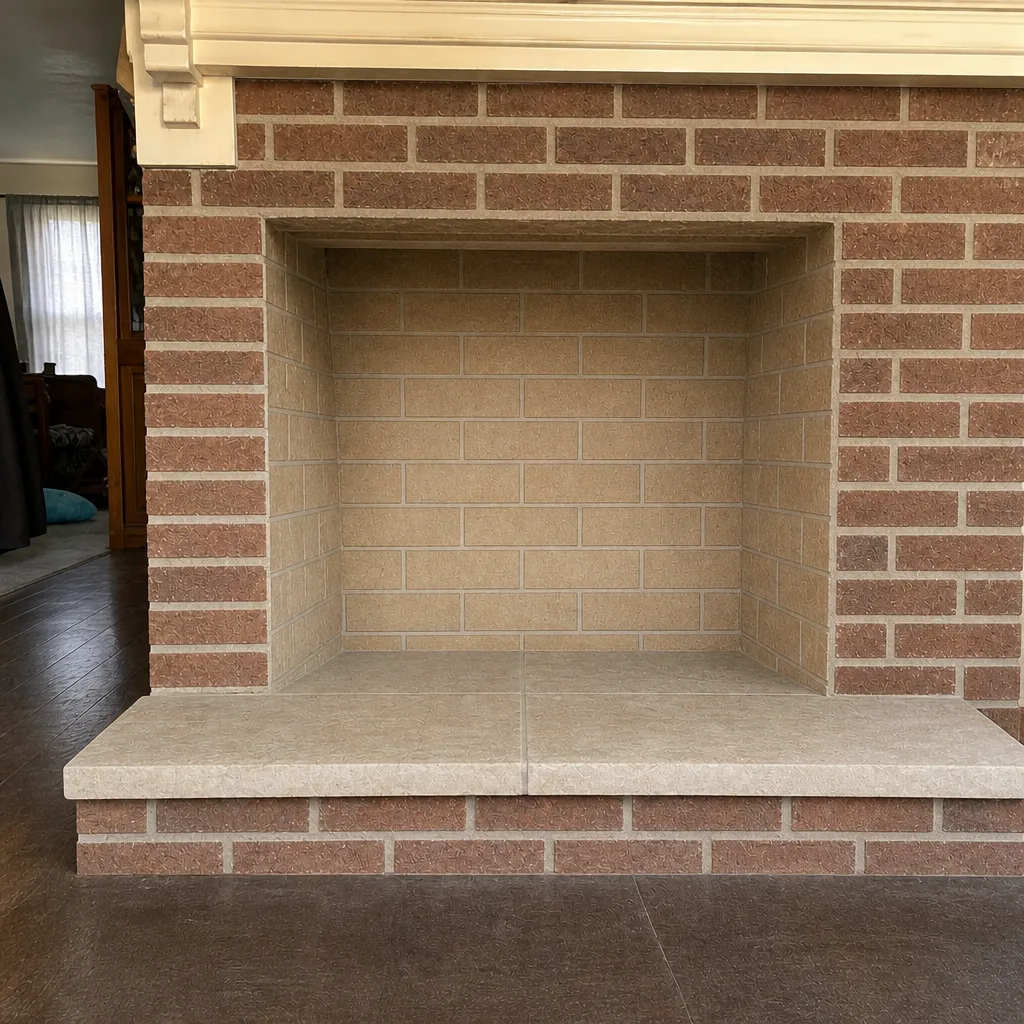
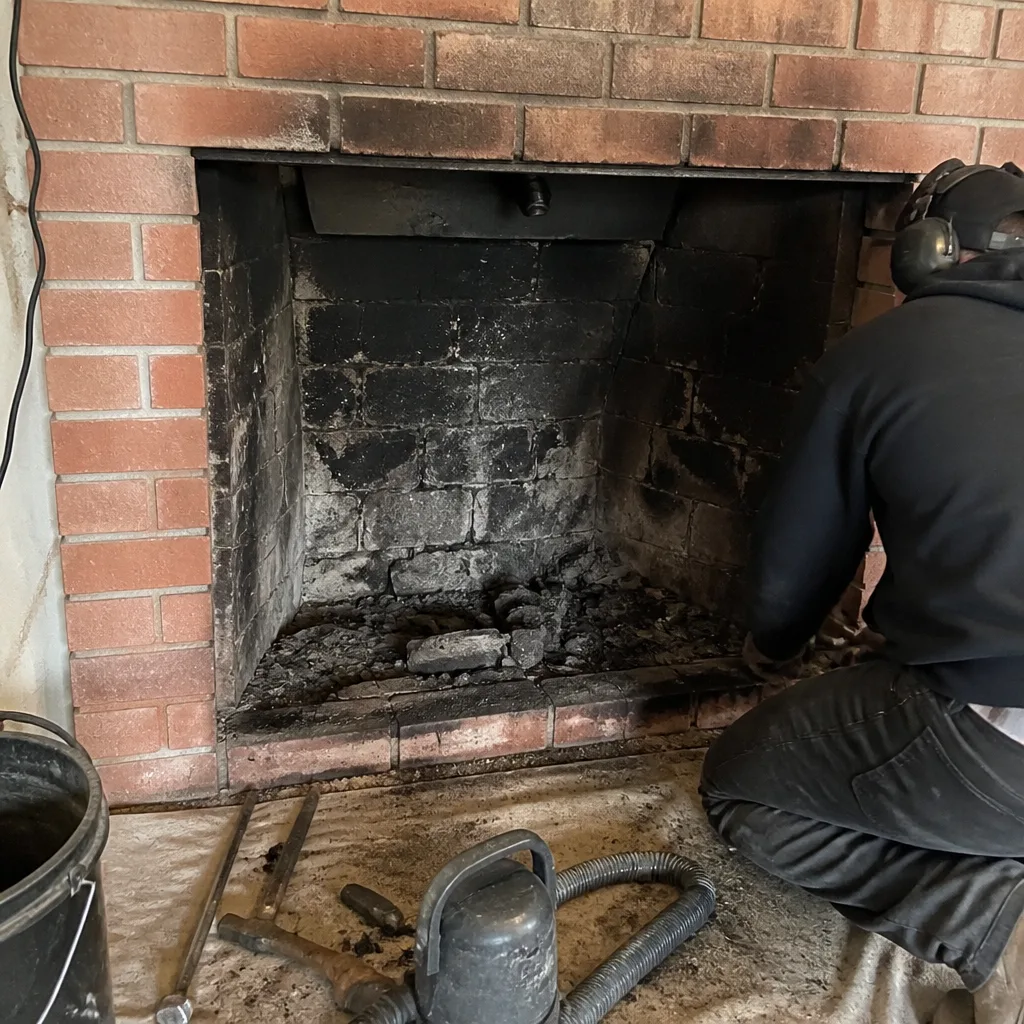
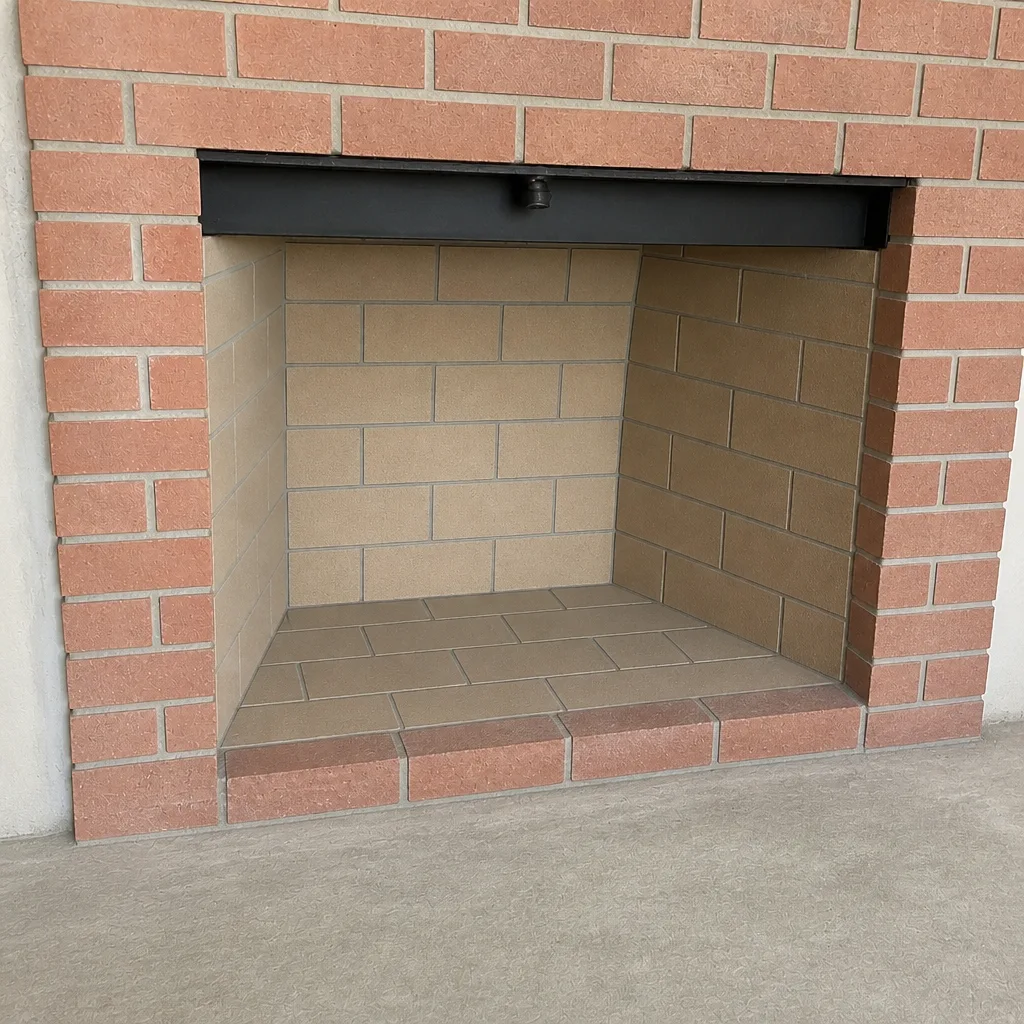
See the difference
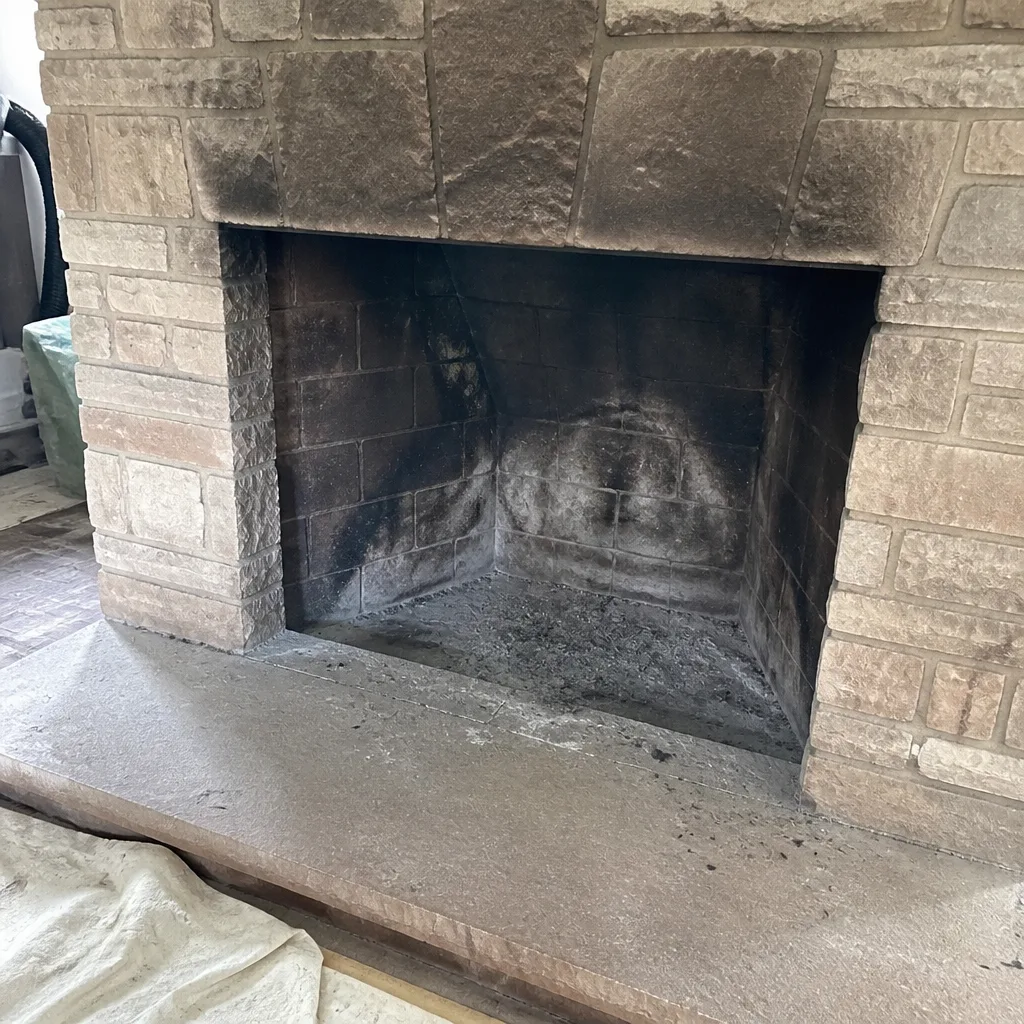 Before
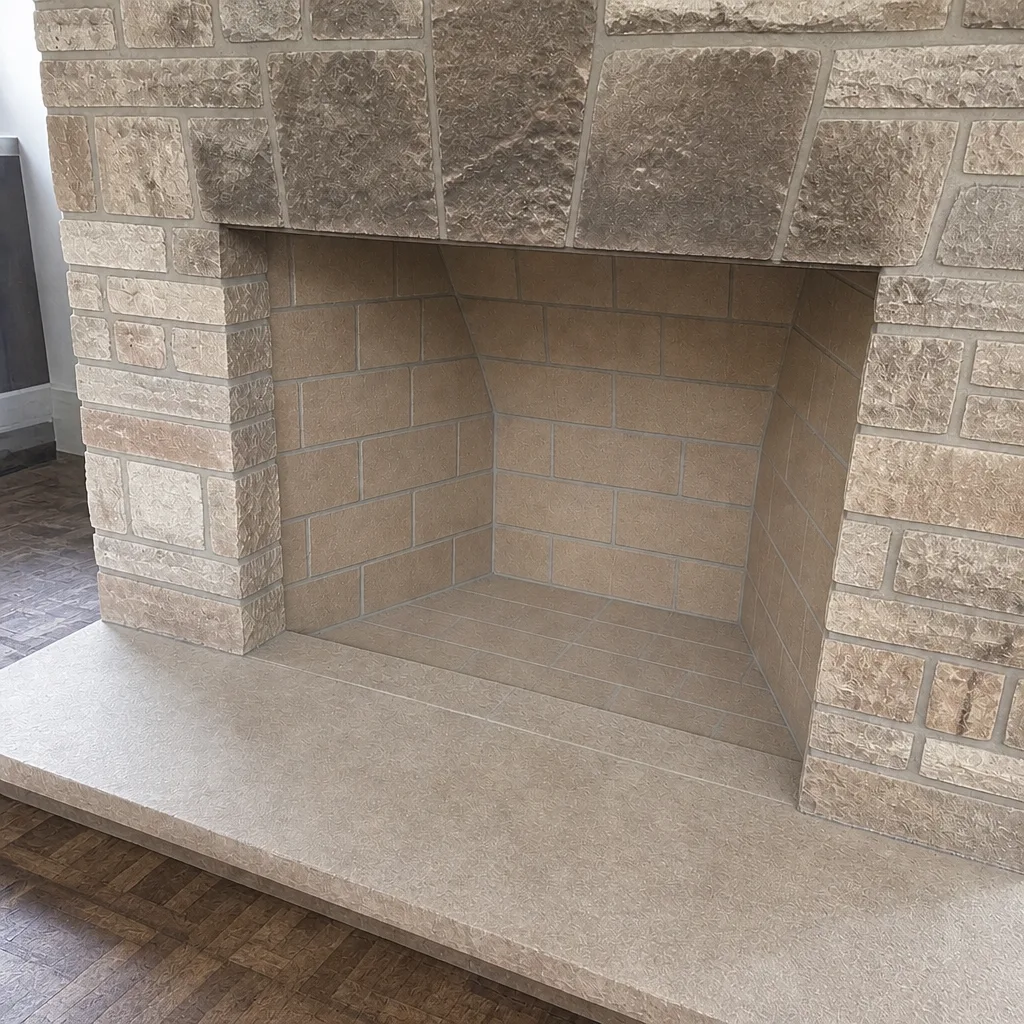 After
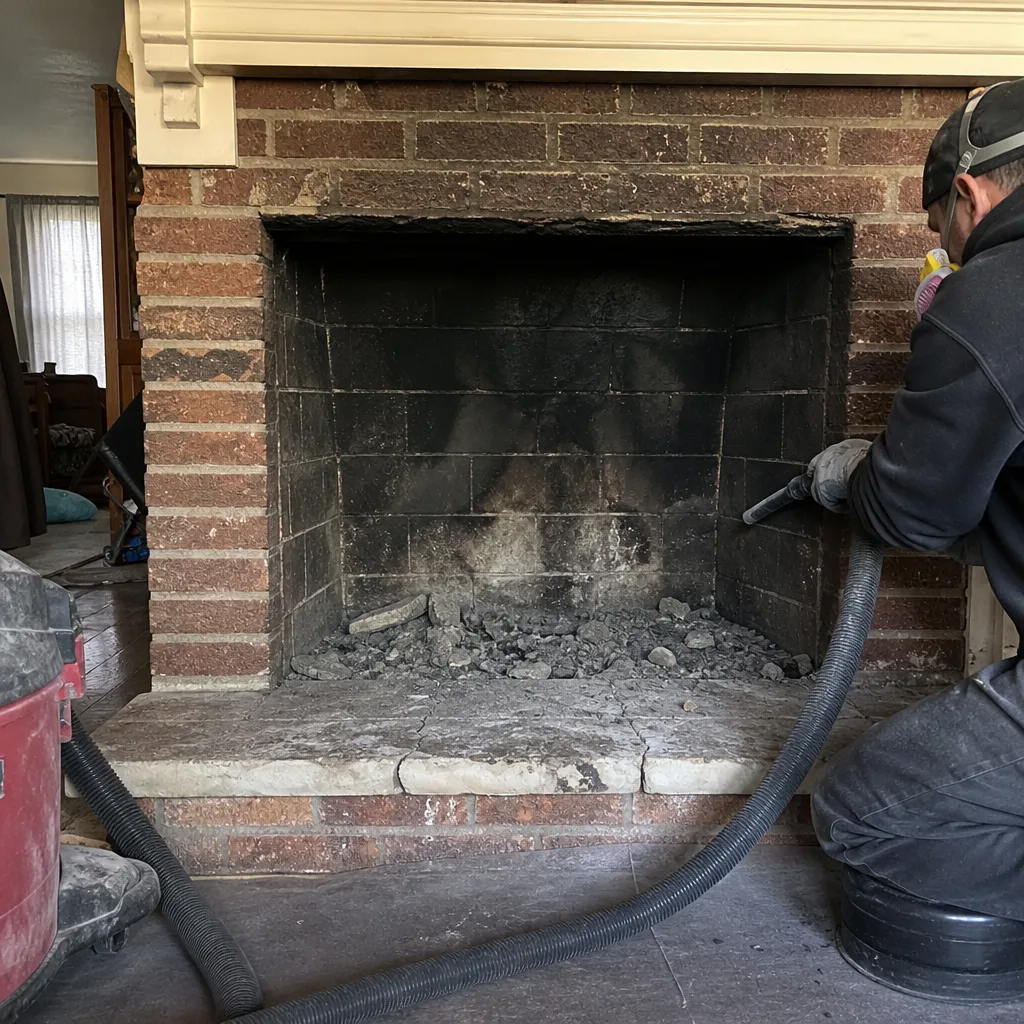 Before
 After
 Before
 After