
Last updated November 24, 2026
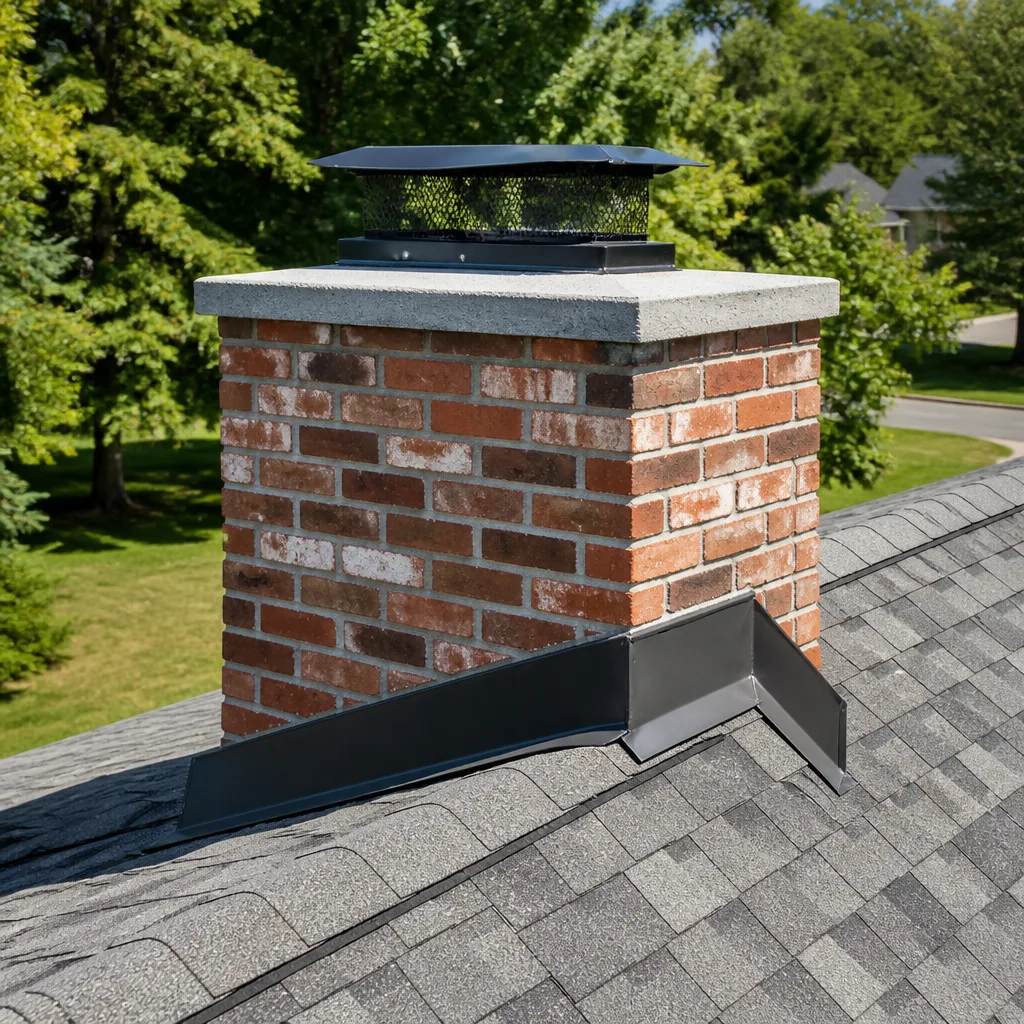 Sweep & inspection
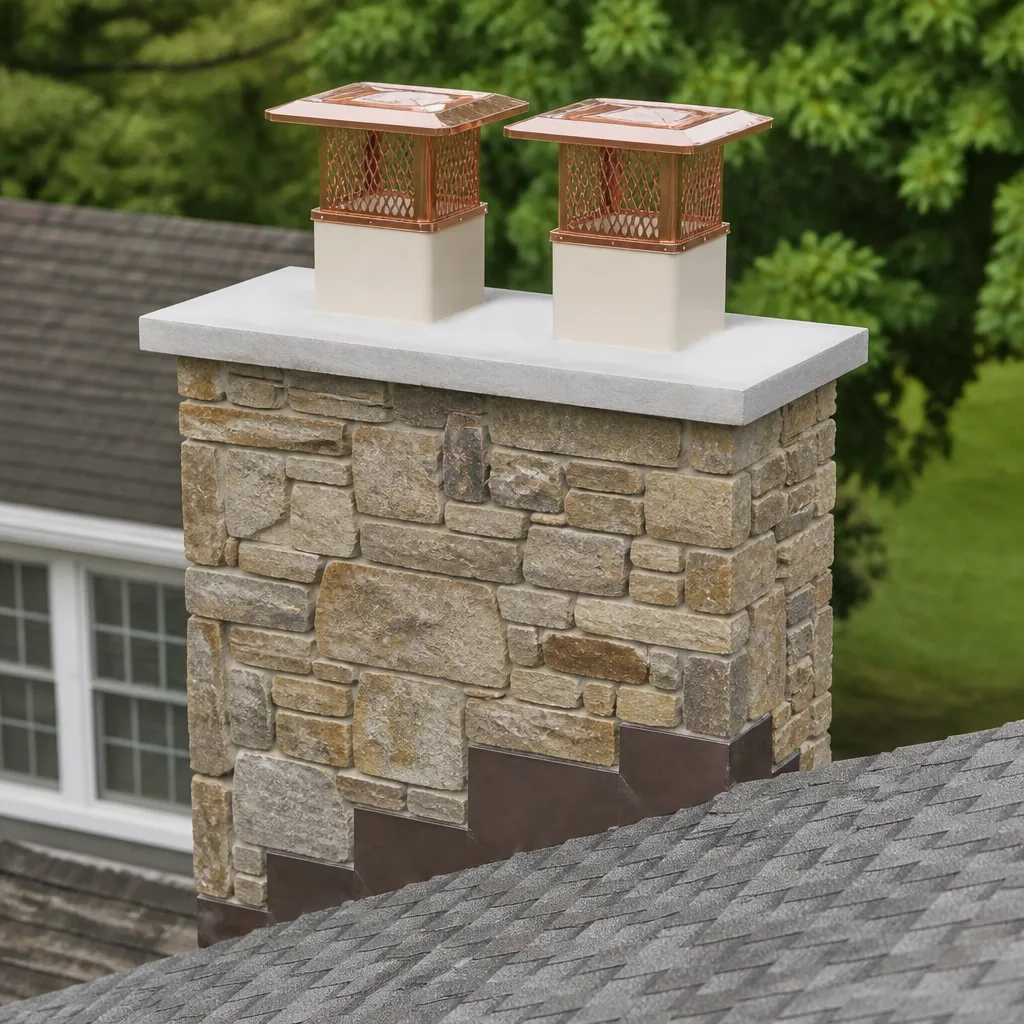 Caps & crowns
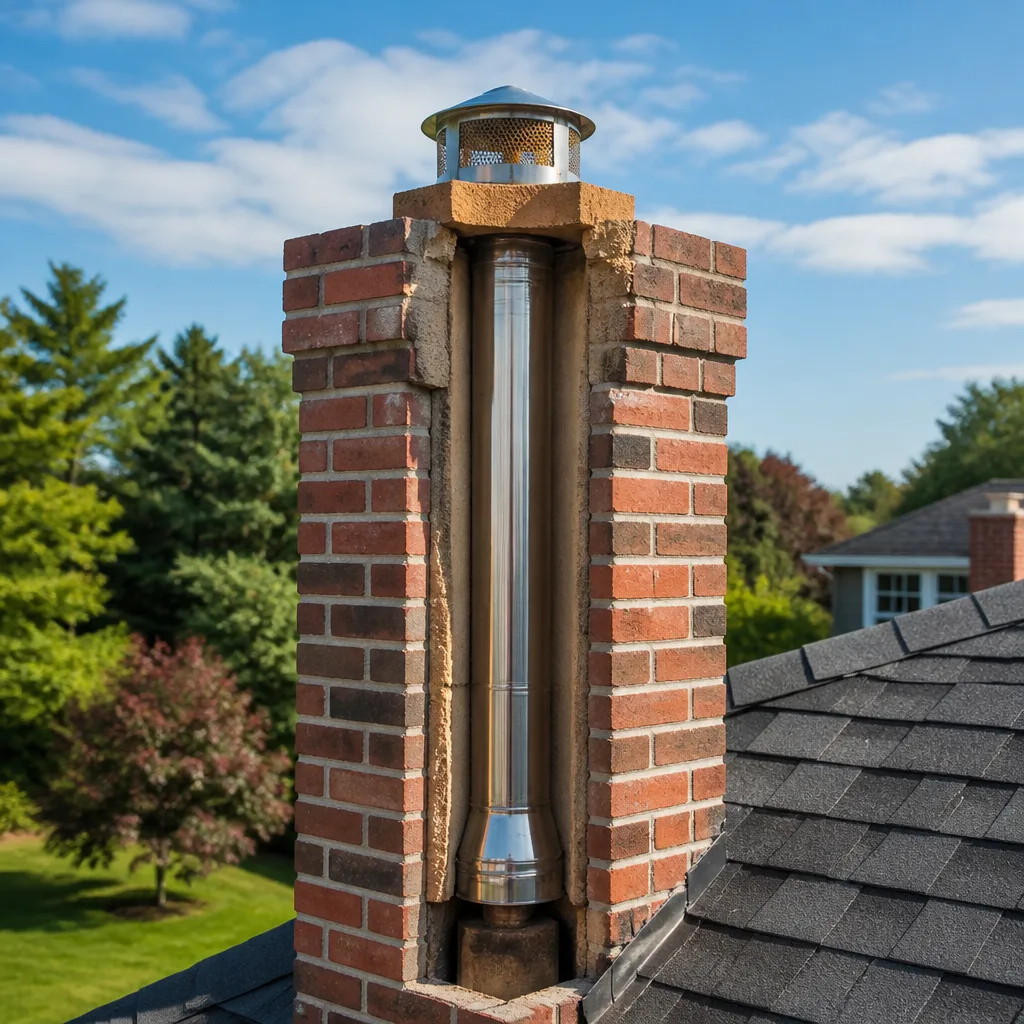 Flue relining
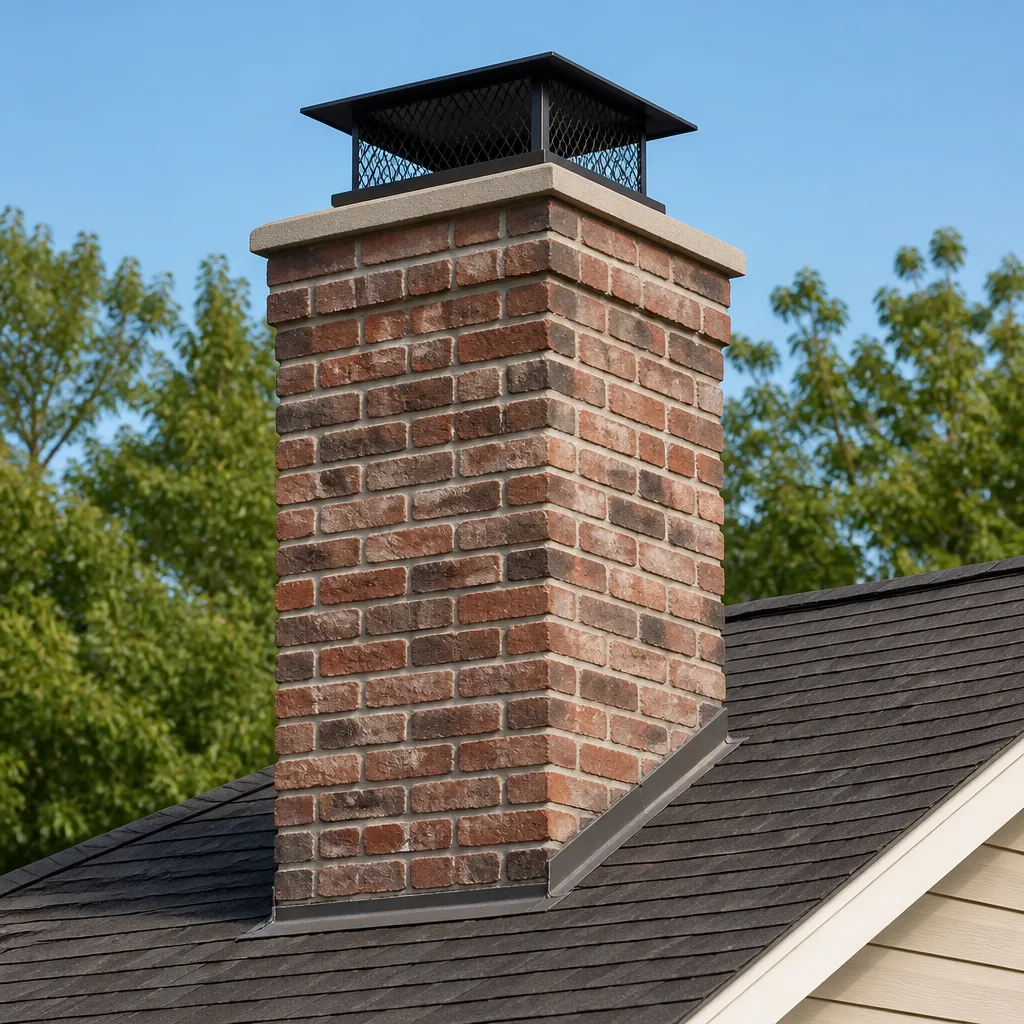 Masonry repair
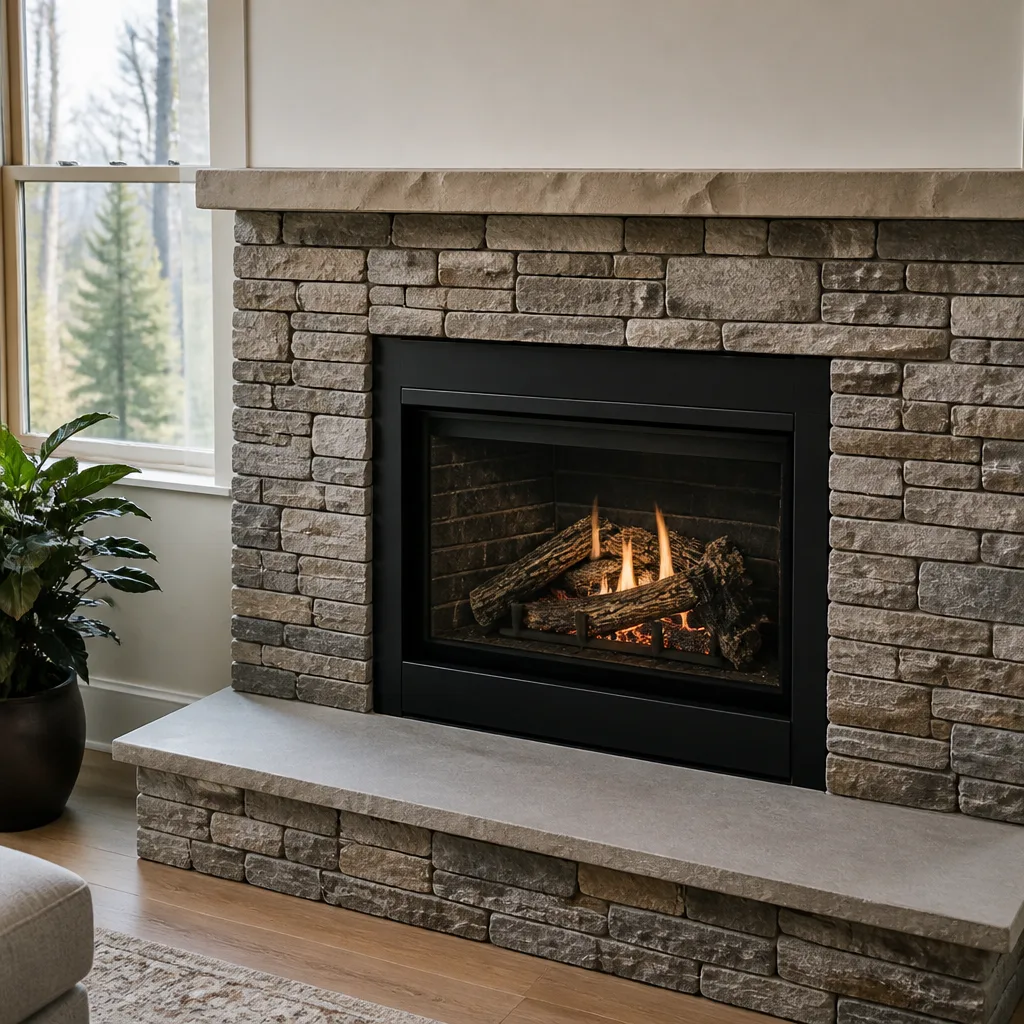 Gas fireplace service
Level 1 sweep and inspection to the NFPA 211 annual standard - flue, crown, cap, and flashing checked and photographed
Chimney sweep logs do not sweep chimneys. They loosen some creosote - which then falls where a brush and vacuum still have to collect it.
Chimney Sweep Troubleshooting in Park Hill: Common Problems and How to Fix Them
If your fireplace smokes back into the room, most online guides will tell you to crack a window. That advice works for exactly one of the six real causes of backdraft, and it quietly masks the other five while the underlying problem keeps getting worse. Chimney troubleshooting is diagnostic work, not a checklist of home remedies. In this guide we’ll walk you through how to read each symptom your chimney gives you, trace it back to the mechanical cause, and decide whether you’re looking at a sweep, an inspection, a liner job, or a mason’s work. We wrote it from Park Hill, where the elevation and the Front Range wind load make draft behave differently than the national guides assume.
Quick Answer
Most chimney problems in Park Hill trace back to one of a few root causes: a blocked or glazed flue, a draft problem created by the home’s pressure balance or the local wind patterns, water intrusion through a failed cap or crown, or a deteriorating liner. The right fix depends on which cause you actually have, and that’s why a camera inspection comes before any repair recommendation. Treat the symptom and you’ll be back in the same spot next season; find the cause and the repair holds.
Styles & brands we work with
- Sweep & inspection
- Caps & crowns
- Flue relining
- Masonry repair
- Gas fireplace service
Table of Contents
- Symptom-to-Cause Map: Reading What Your Chimney Is Telling You
- Why Park Hill Draft Problems Aren’t Like the National Guides
- Smoke Rollout and Backdraft: Six Causes, Six Different Fixes
- Water Stains and Odor: Tracing Water Intrusion to the Cap and Crown
- The Cascade Effect: How One Deferred Repair Creates Three More
- What You Can Diagnose Yourself vs. What Needs a Camera
- Decision Guide: Sweep, Inspection, Liner Specialist, or Mason?
- Keeping a Park Hill Chimney Out of Trouble
Symptom-to-Cause Map: Reading What Your Chimney Is Telling You
Every chimney symptom maps to a specific mechanical cause. The trouble is that most homeowners, and more than a few general handymen, group symptoms by how they look rather than by what produces them. Smoke is smoke, water is water, and a crack is a crack. But smoke rolling out of the firebox and smoke drifting back down the flue have almost nothing in common mechanically, and treating them the same way wastes money.
Here’s the map we use on every call in Park Hill:
- Smoke rolling out of the firebox opening – pressure imbalance between the house and the flue, a flue that’s too small for the firebox, or a blocked flue. Not the same as backdraft.
- Smoke that appears only on windy days – wind-induced downdraft, usually a stack-height or cap problem. The Front Range gust pattern makes this one common here.
- A fire that lights hard and burns lazy – restricted flue, cold flue, or an oversized firebox. Slow draft is a symptom, not a diagnosis.
- Visible cracking in the firebox or smoke chamber – thermal stress or moisture damage. Needs a camera and a structural look, not a visual pass.
- Brown water stains on the ceiling or chimney breast – failed crown, failed cap, or failed flashing. Water is entering at the top.
- Musty or smoky odor when the fireplace is idle – negative pressure pulling flue gases back into the house, or creosote and moisture combining in the flue.
The point of the map is that each symptom points you toward a different service. If you jump straight to booking a sweep for what is actually a pressure problem, the sweep won’t fix it. If you buy a new cap for what is actually a liner issue, the cap won’t fix it either. Start with the symptom, then trace back. If you want a plain baseline before you start, a chimney sweep plus a Level 2 inspection gives you the evidence you need to sort the rest out.
Why Park Hill Draft Problems Aren’t Like the National Guides
Most chimney troubleshooting content you’ll find online was written for sea-level homes in mild climates. Park Hill is neither. The neighborhood sits at roughly a mile of elevation, and the thinner air changes how a chimney drafts in ways that surprise people who move here from lower ground.
At this altitude, there’s less oxygen per cubic foot of air, which means a fire needs more air volume to burn the same amount of wood. That changes the balance between the firebox opening and the flue. A flue size that drafts perfectly at sea level can run sluggish at Park Hill elevation, especially on a cold start. The fire struggles to establish, the smoke lingers, and the homeowner assumes the chimney is blocked when it’s really a volume problem.
Then there’s the wind. The Front Range produces strong, gusty, direction-shifting wind, and it comes off the foothills in a way that creates pressure differentials across the roofline. A chimney that drafts cleanly on a calm day can backdraft on a gusty one. The stack height, the cap design, and the surrounding roofline all matter more here than the national guides let on. Homes on corner lots or along the more exposed streets in Park Hill tend to feel this most.
A few things that are genuinely Park Hill-specific:
- Homes with original mid-century fireboxes sometimes have a firebox opening that’s oversized relative to the flue, a mismatch that gets worse at elevation.
- Tight modern weatherization (new windows, spray foam, sealed doors) reduces the air the chimney can pull. It’s common for a home that drafted fine for decades to start smoking after a weatherization project.
- Wind-driven downdraft is seasonal. Once the fall gusts arrive, houses that were fine all summer start complaining. That’s not a coincidence; it’s a pressure problem exposed by the wind.
None of that means the chimney is broken. It means the fix has to account for the local conditions. Adding cap height, changing the cap type, or correcting the flue-to-firebox ratio are all standard answers, and each addresses a different cause.
Smoke Rollout and Backdraft: Six Causes, Six Different Fixes
The window trick works for exactly one of the six causes of smoke rollout. Here’s why: opening a window slightly equalizes the pressure between the house and the outdoors, which fixes a negative-pressure problem. If your rollout has a different cause, the window does nothing except let cold air in. The other five causes are these:
- Blocked flue. A bird nest, a collapsed liner section, or heavy creosote restricts the flue. A camera inspection shows it immediately. Fix: sweep and clear.
- Undersized flue. The flue is too small for the firebox opening, so the chimney can’t move enough air. Fix: sometimes a flue reline that increases effective draft capacity, sometimes a firebox modification.
- Cold flue. A cold chimney on a cold morning fights the fire. The remedy is a warm-up burn, not a repair; we tell homeowners to establish a small hot fire before adding larger splits.
- Negative pressure from the house. Exhaust fans, a tight envelope, or a second fireplace running upstairs pulls air the chimney needs. Fix: a dedicated outside air supply or pressure correction.
- Wind-induced downdraft. The stack isn’t tall enough or the cap doesn’t handle the wind. Fix: raise the stack or change the cap. This is the one Park Hill homeowners hit most on gusty days.
- Stack effect failure. The chimney is too short or located on a part of the roofline where the pressure is wrong. Fix: extend the flue, usually with a properly rated extension and cap.
If we show up and hear that a homeowner has been opening a window every time they light a fire for three winters, we already know the sweep alone won’t help. The window is a clue that we’re dealing with cause number four or five. That’s exactly the kind of diagnostic shortcut this guide is trying to teach: read what the fix that “helped a little” is telling you.
Water Stains and Odor: Tracing Water Intrusion to the Cap and Crown
Water intrusion is the most under-diagnosed chimney problem in Park Hill. A brown stain on the ceiling near the chimney breast, a musty smell when the fireplace is idle, or crumbling mortar on the exterior masonry all point the same way: water is entering at the top and traveling down. The question is where, and there are three usual suspects.
The cap. A chimney cap keeps rain, snow, and animals out of the flue. When the cap is missing, rusted through, or sized wrong, water goes straight down the flue and into the firebox, where it mixes with creosote and produces the smoky, sour odor homeowners complain about. A cap is a small install with a big effect, and chimney cap & crown work is one of our five core services for exactly this reason.
The crown. The crown is the concrete cap on top of the brick stack itself. It’s supposed to shed water away from the masonry. When it cracks, the water goes into the brick, the freeze-thaw cycles in Park Hill’s winters pop the brick face (spalling), and the mortar joints start to fail. A cracked crown left alone becomes a masonry repair; a crown inspected and resealed early stays a crown job.
The flashing. The metal that seals the chimney to the roof can pull loose over time. Roof leaks that look like chimney leaks are sometimes flashing failures, which is why a proper inspection checks the flashing, the crown, the cap, and the masonry all at once rather than guessing from the stain on the ceiling.
Here’s the diagnostic order we use:
- Get on the roof (or send a camera) and look at the cap. Damaged or missing? That’s the first fix.
- Look at the crown. Cracked, spalled, or sloping the wrong way? Reseal or rebuild the crown.
- Check the flashing. Loose or rusted? Re-flash the joint.
- Only then check the interior. If water got down the flue or into the firebox, you may need liner restoration, not just a top-side fix.
A little water doesn’t ruin a chimney. But water left at the top of a chimney for a couple of winters becomes a much bigger repair, and it’s often the reason a small cap job turns into something the homeowner didn’t expect.
The Cascade Effect: How One Deferred Repair Creates Three More
The single most expensive habit we see in Park Hill chimney work is deferring a small problem because the fireplace still works. That logic holds until it doesn’t, and by then the small problem has created three more. The cascade is real, and once you see it, it’s hard to unsee.
Take the cracked crown. It looks harmless. But:
- Water enters the brick and freeze-thaw cycles start breaking the brick face apart (spalling).
- Moisture travels down the masonry and reaches the flue liner, where it degrades the tile joints.
- The firebox absorbs the water, and the refractory mortar cracks, which opens a path for heat and smoke into the structure of the chimney.
So a $0-mental-cost crack becomes a crown rebuild, a liner restoration, and a firebox repair, all from the same leak. The same cascade runs in the other direction: a deteriorated liner lets the flue gases pass through the tile joints into the surrounding masonry, where moisture and acidic condensate eat the brick from the inside. And a failed cap lets animals in, which can collapse part of the liner and block the flue.
In our experience, the homeowners who get the most years out of a chimney are the ones who fix small problems in the off-season rather than waiting for a failure. That’s the whole argument for a maintenance schedule, and it’s also the reason we lead with inspection first and recommendations second. We don’t want to sell you a repair you don’t need, and we don’t want you to find out about a cascade the hard way when a fire starts backing up in January.
When we do recommend liner work, the material matters. We install Gelco and Olympia Chimney liners because they’re the same trade-grade products specified by chimney professionals, not the hardware-store substitutes that fail early. And when the existing flue tiles are deteriorated but still mostly intact, we can often apply HeatShield to restore the liner rather than replace it, which is the difference between a modest repair and a full tear-out. That capability is one reason we’re called on liner jobs that a sweep-only outfit would have to refer out.
What You Can Diagnose Yourself vs. What Needs a Camera
You can safely check more than you think, and you should check less than you’d want to. Here’s the honest split.
Safe for you to check:
- Whether the damper opens and closes fully.
- Whether smoke rolls out on a calm day vs. a windy day (that’s a real diagnostic signal).
- Whether the cap is visibly damaged from the ground with binoculars.
- Whether there are water stains on the ceiling or chimney breast.
- Whether the exterior mortar joints look crumbly or the brick face is flaking.
- Whether the firebox has visible cracks in the brick or mortar.
Needs a professional:
- The condition of the flue liner, including the joints you can’t see from the firebox.
- Whether the smoke chamber is properly parged and shaped.
- Whether the crown is cracked in a way that’s letting water in.
- Whether the flashing is actually the source of a leak.
- Whether a crack in the firebox is structural or cosmetic.
- Anything involving getting on the roof in Park Hill’s winter conditions.
The dividing line is simple. Anything you can see from the ground or reach safely from inside the firebox without a ladder is fair game. Anything that requires climbing onto a snow-covered or icy roof, or requires a camera to see, belongs to a technician. Creosote is flammable and the flue is where fires start; a camera inspection gets you real evidence without putting you on a ladder in February. A trained pro will also flag the difference between a cosmetic crack and one that needs repair, which is a judgment call, not a visual pass.
Decision Guide: Sweep, Inspection, Liner Specialist, or Mason?
Use this to decide what to book, based on what you’re actually seeing. It won’t replace a real inspection, but it gets you pointed the right way.
- Slow draft, no visible cracks, fire burns dirty – Start with a chimney sweep and a Level 1 inspection. Most of these resolve with a clean flue.
- Smoke rollout or backdraft on windy days – Start with a Level 2 inspection. You need camera and pressure diagnostics, not a sweep.
- Water stains, musty odor, exterior mortar crumbling – Book a cap and crown assessment first. If water has reached the flue, expect a liner discussion.
- Visible firebox cracks or a smoky smell that won’t go away – Book a fireplace and firebox inspection. This one needs a trained eye. See our fireplace repair page for what’s involved.
- You’re buying or selling the home, or it’s been more than a year – Level 2 inspection regardless of symptoms.
- Deteriorated flue tiles, but the rest of the liner is sound – Liner specialist territory. That’s where HeatShield restoration often beats a full replacement.
- Structural cracks, spalling brick, or a leaning stack – Mason. Our chimney repair service covers the structural side, so you’re not chasing a separate contractor.
If you’re not sure which row applies, book the level 2 inspection and let the findings drive the recommendation. That’s the one visit that covers all of the above.
Keeping a Park Hill Chimney Out of Trouble
The best troubleshooting is the kind you never have to do. A chimney that gets swept and inspected on schedule has far fewer problems to trace. The schedule most homeowners are told is “once a year,” and that’s a reasonable starting point, but the useful version depends on how much you burn.
A household that lights a couple of fires a week through the winter and uses dry, seasoned wood can usually get by with an annual sweep and inspection. A household that burns daily, burns green wood, or runs the fireplace as a primary heat source should expect more frequent sweeping. The wood itself matters; wet wood produces more creosote because more of the fire’s energy goes into evaporating water instead of burning cleanly.
Between professional visits, a few habits go a long way:
- Burn seasoned wood, not green or wet. Hardwoods split and dried for a full season burn cleaner.
- Establish a hot fire before you load the firebox. A smoldering fire builds creosote fast.
- Keep the cap clear of leaves and debris, especially after wind storms.
- Check the crown and cap after every big freeze-thaw cycle; hairline cracks get bigger with each one.
- If you notice a change in draft, odor, or staining, write it down and mention it at the next visit. Small notes catch the cascade early.
The full-system view matters here. Sweep, inspection, fireplace repair, chimney repair, and cap and crown work are all pieces of the same picture, and a chimney-only specialist sees the whole thing on one visit instead of handing you off. That’s what “from the firebox to the crown” actually means in practice.
Common Mistakes to Avoid
- Opening a window as a permanent fix for smoke rollout. It masks a negative-pressure problem and leaves the other five causes untouched. If a window “helps,” that’s a clue for the inspection, not a repair.
- Assuming a sweep is the answer to every problem. A sweep fixes a dirty flue. It doesn’t fix a draft problem, a crown leak, or a failing liner. Match the fix to the cause first.
- Buying a hardware-store cap to “save money.” A cheap cap that doesn’t fit the flue or hold up to Front Range wind often fails within a couple of winters and lets water in during the failure. The cap is the cheapest leak you’ll ever prevent, so do it with trade-grade materials.
- Deferring the crown because the fireplace still works. This is the classic Park Hill cascade starter. The crown failing is exactly when the fix is cheapest, before freeze-thaw does its damage to the brick and liner.
- Treating a water stain as a roof problem when it might be a chimney problem. Get the flashing, crown, and cap checked before you call a roofer. The stain is a symptom, not a diagnosis.
- Burning green or wet wood to “make the wood last.” It doesn’t; it produces more creosote, which is the fuel that turns a small flue fire into a real one. Dry wood burns hotter and cleaner.
- Skipping the inspection because the sweep looked clean. A clean flue can still hide a cracked tile, a failed crown, or a deteriorating firebox. The inspection is what checks the things you can’t see; the sweep just clears what it can reach.
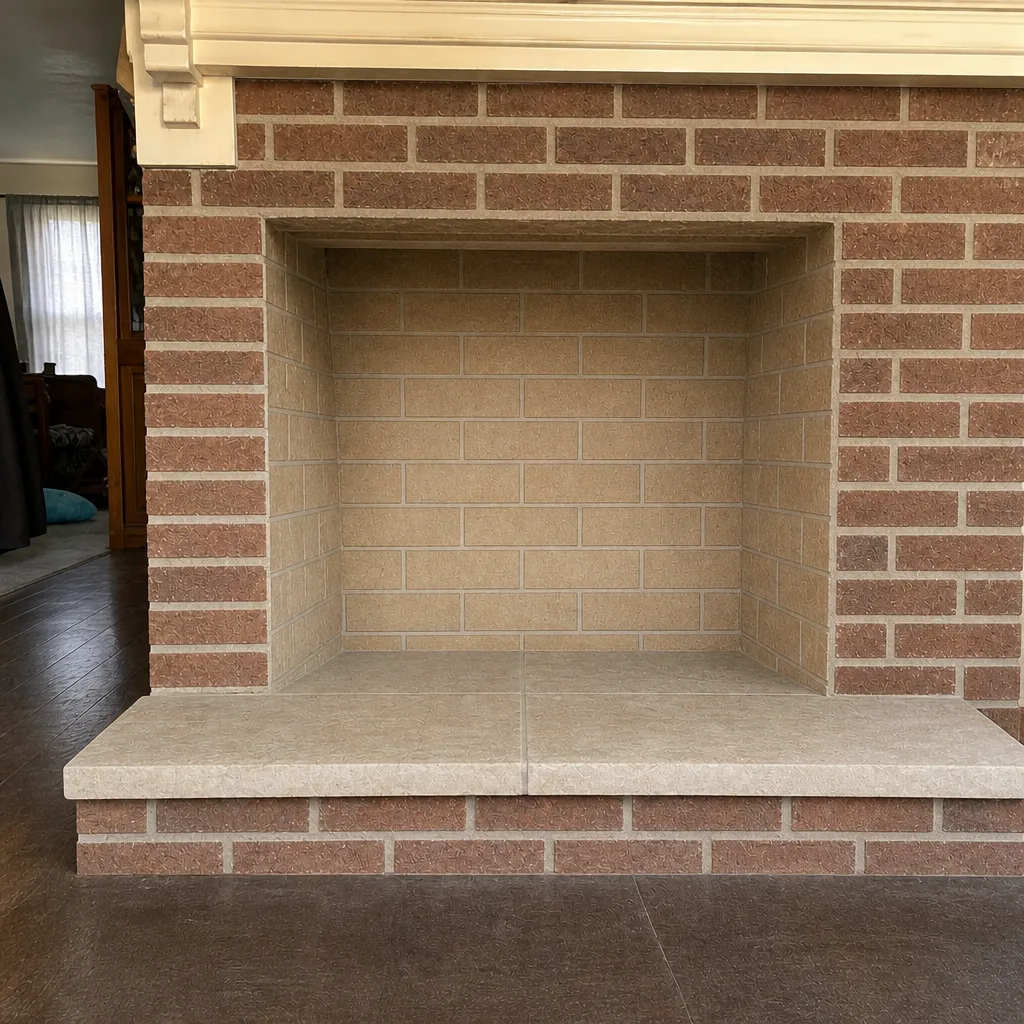
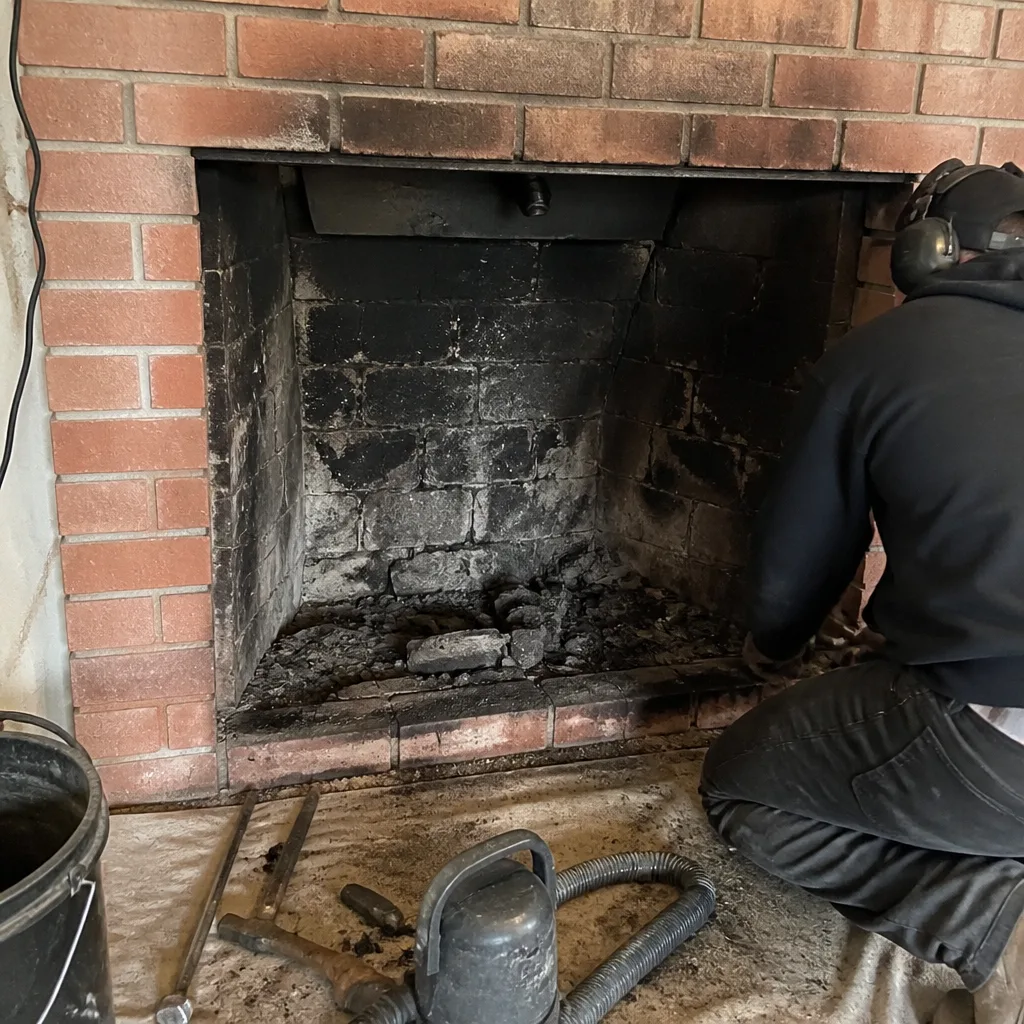
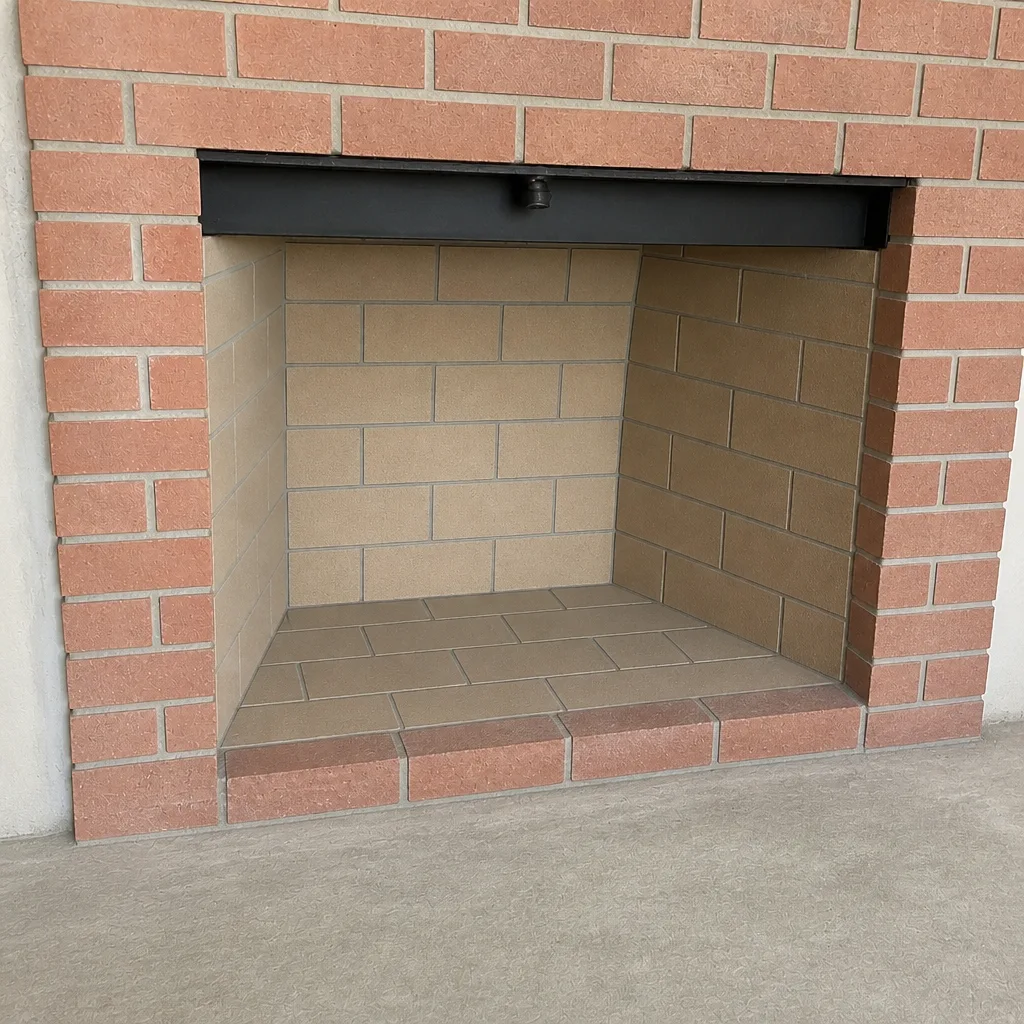
See the difference
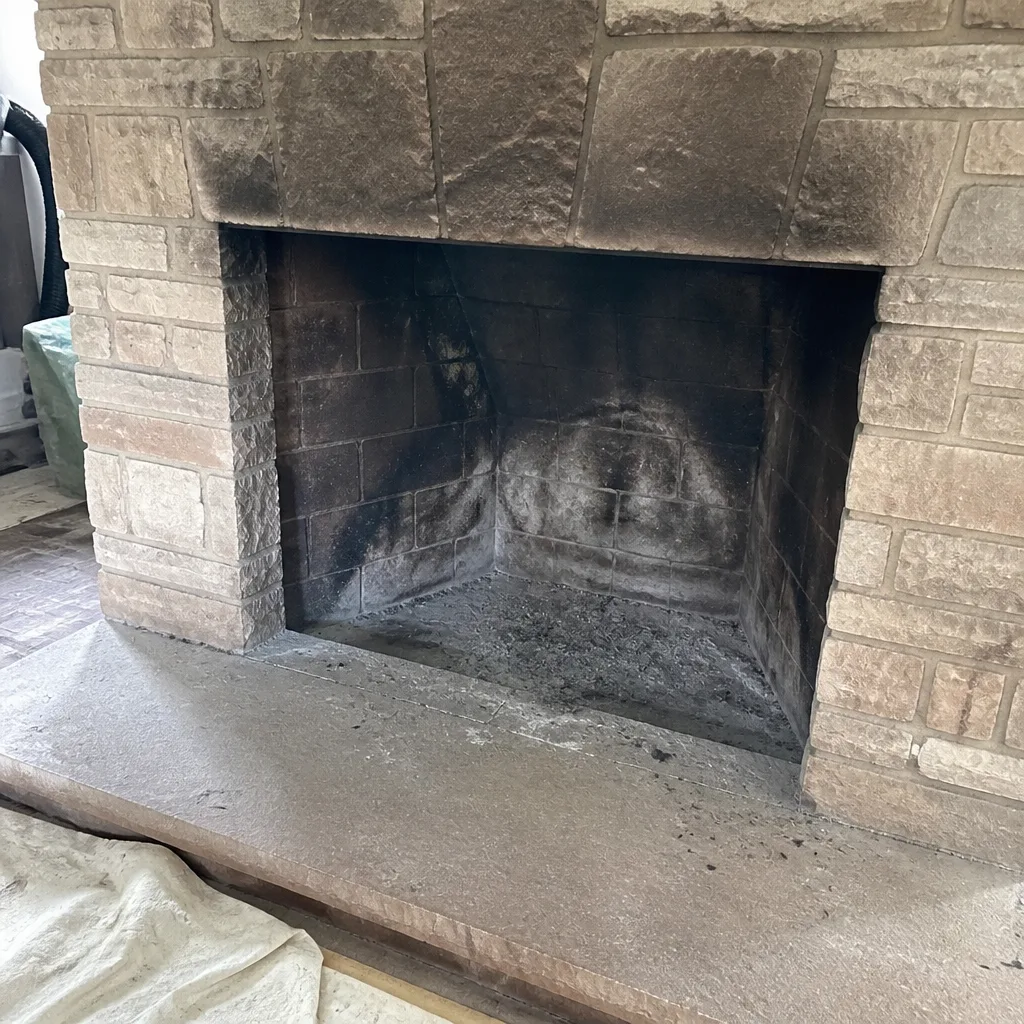 Before
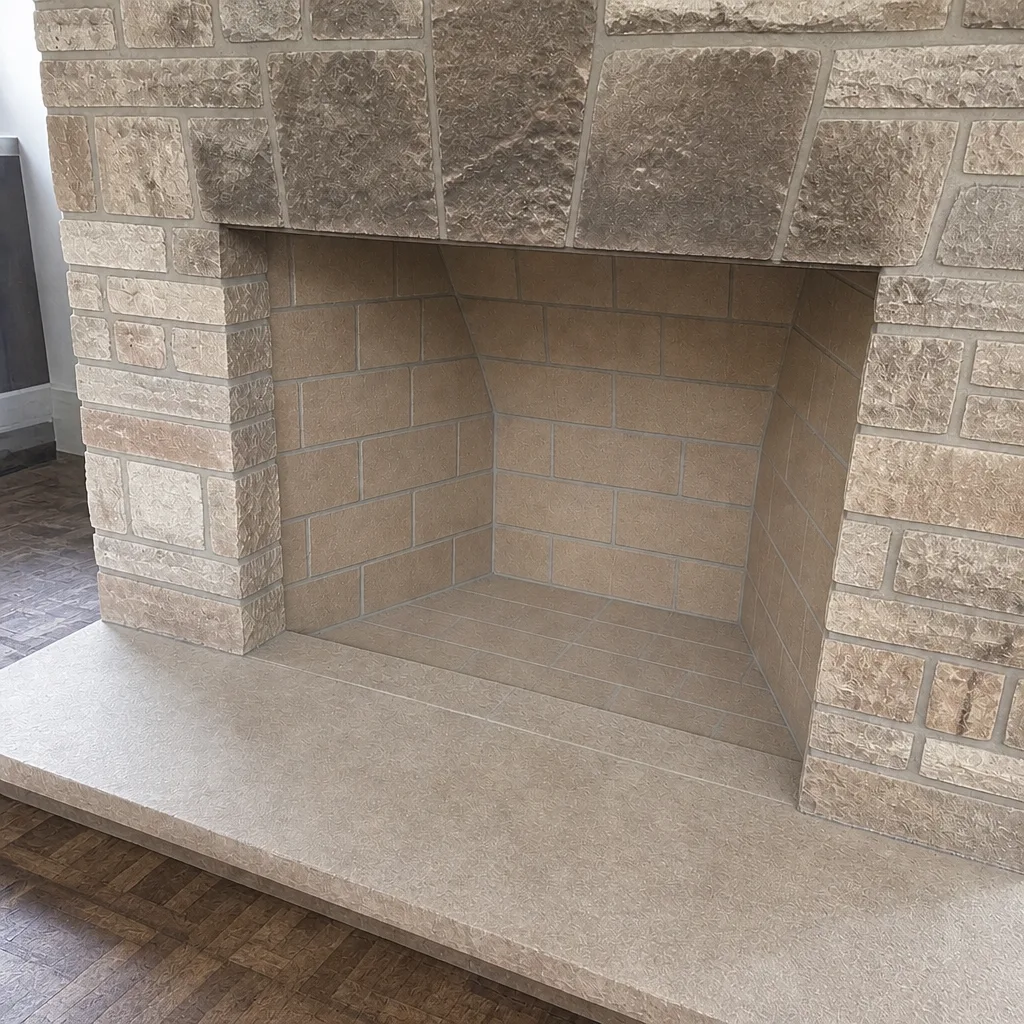 After
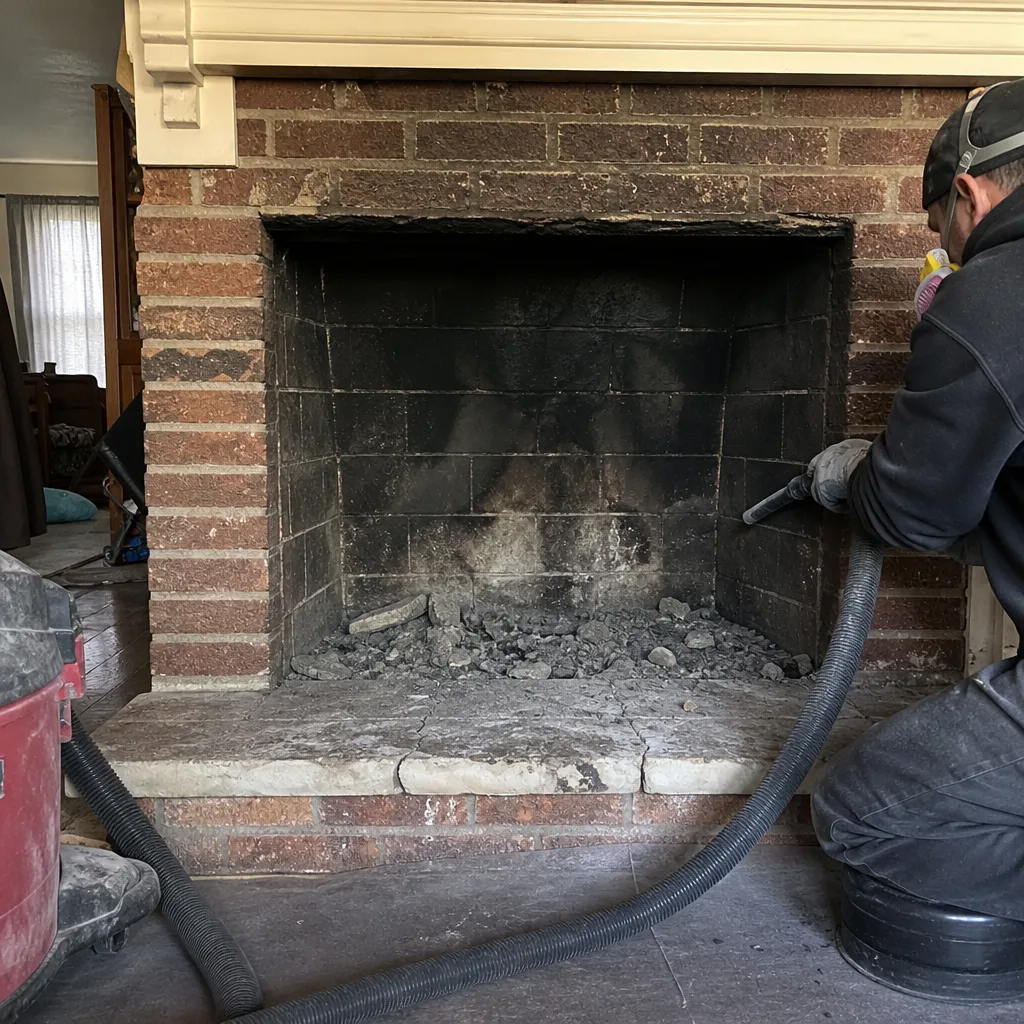 Before
 After
 Before
 After
When to Call a Professional
You need a professional any time a symptom requires evidence you can’t gather safely yourself. That means any smoke rollout that isn’t obviously a cold-flue start, any water stain on the ceiling or chimney breast, any visible crack in the firebox or the exterior masonry, any change in draft that shows up suddenly on windy days, and any concern about the flue liner. Creosote is flammable and a fire that starts in the flue is genuinely dangerous; we don’t recommend homeowners go up on a winter roof or crack open a firebox to diagnose it. The right move is to get someone with a camera and a trained eye on it. Chimney Sweep Park Hill offers free estimates in Park Hill; call (877) 770-1914, and we’ll get you on the inspection schedule.
Frequently Asked Questions
Smoke rollout usually comes from one of six causes: a blocked flue, an undersized flue, a cold flue, negative pressure from the house, wind-induced downdraft, or a stack-effect failure. In Park Hill, the Front Range wind and the house’s pressure balance are common culprits, especially on exposed streets and in tightly weatherized homes. A camera inspection sorts the cause from the symptom and tells you which fix actually applies. Call (877) 770-1914 for an exact quote on an inspection.
You need an inspection to know whether it actually is fine. A sweep clears what a brush can reach; an inspection checks the things a brush can’t see, including the liner joints, the smoke chamber, and the crown. If it’s been more than a year, or you’re buying or selling the home, book the Level 2 inspection and let the findings drive the recommendation. Call (877) 770-1914 to schedule – estimates are free.
A smell when the fireplace is idle almost always means the chimney is drawing air back into the house, which happens when the house is at a lower pressure than the flue and the gases flow the wrong way. In Park Hill that’s often a winter pressure problem, made worse by tight windows and exhaust fans. If the smell is combined with water stains, it’s a leak issue rather than a pressure one. Call (877) 770-1914, and we’ll diagnose it with a camera and a pressure check.
Only if the cause is negative pressure inside the house, which is one of six causes. If your rollout has a different cause, a window won’t fix it; it just adds cold air. That’s why a diagnostic inspection comes first. Call (877) 770-1914 for an exact quote on an inspection – estimates are free.
Any crack that lets water into the brick is a problem, even a hairline one. Freeze-thaw cycles open small cracks wider every season, and water moving down the masonry eventually reaches the liner and firebox. The good news is that an early crown reseal or rebuild is a modest repair; the bad news is that delaying it invites the cascade. Call (877) 770-1914 to book a cap and crown assessment.
Not always. HeatShield restoration can address deteriorated flue tiles without a full tear-out in many cases, and that’s the difference between a moderate repair and a major one. The only way to know is to see the flue with a camera and assess the tile condition. We install Gelco and Olympia Chimney liners when a full replacement is the right call. Call (877) 770-1914 for an exact quote.
The Bottom Line
Chimney troubleshooting is diagnostic work, and the whole point is to trace each symptom back to its actual cause before you buy a fix. Smoke rollout, slow draft, cracking, water stains, and odor are all symptoms; the cause is one of a handful of mechanical problems, and the fix depends on which one. In Park Hill, wind and elevation add layer that national guides don’t account for, so the fixes that work elsewhere may not work here. The cascade is real: a small crown crack creates spalling, liner damage, and firebox damage if it’s left. The right move is inspection first, recommendation second, and a specialist who understands the whole system from the firebox to the crown.
If you’re seeing any of what we’ve described, call (877) 770-1914. We answer 24/7. Fast dispatch from 7am to 7pm, Sunday through Friday. Estimates are free, and the written estimate sets the final price. You can also explore our main Chimney Sweep Park Hill page to see the full range of services. A specialist who works on chimneys all day, every day, is going to catch the cause the first time.
Written by the team at Chimney Sweep Park Hill.