
Last updated November 24, 2026
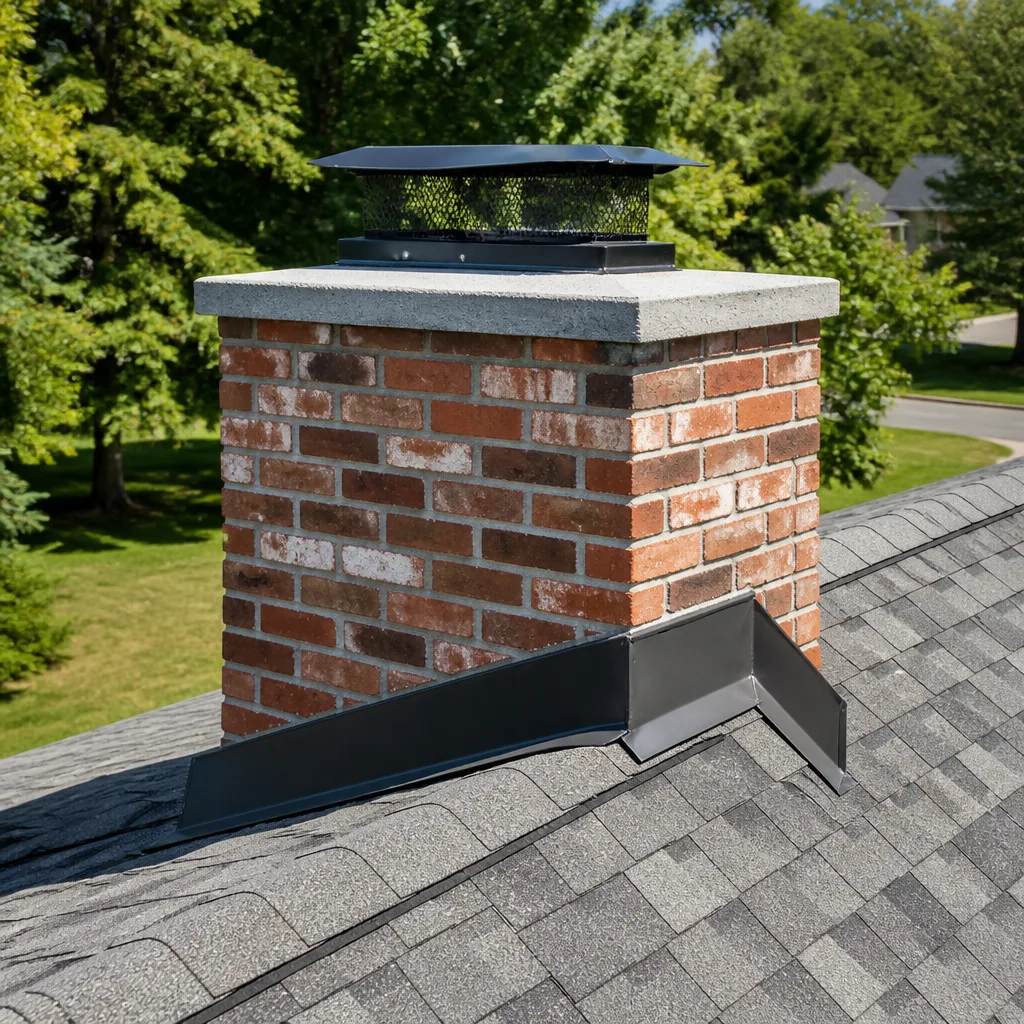 Sweep & inspection
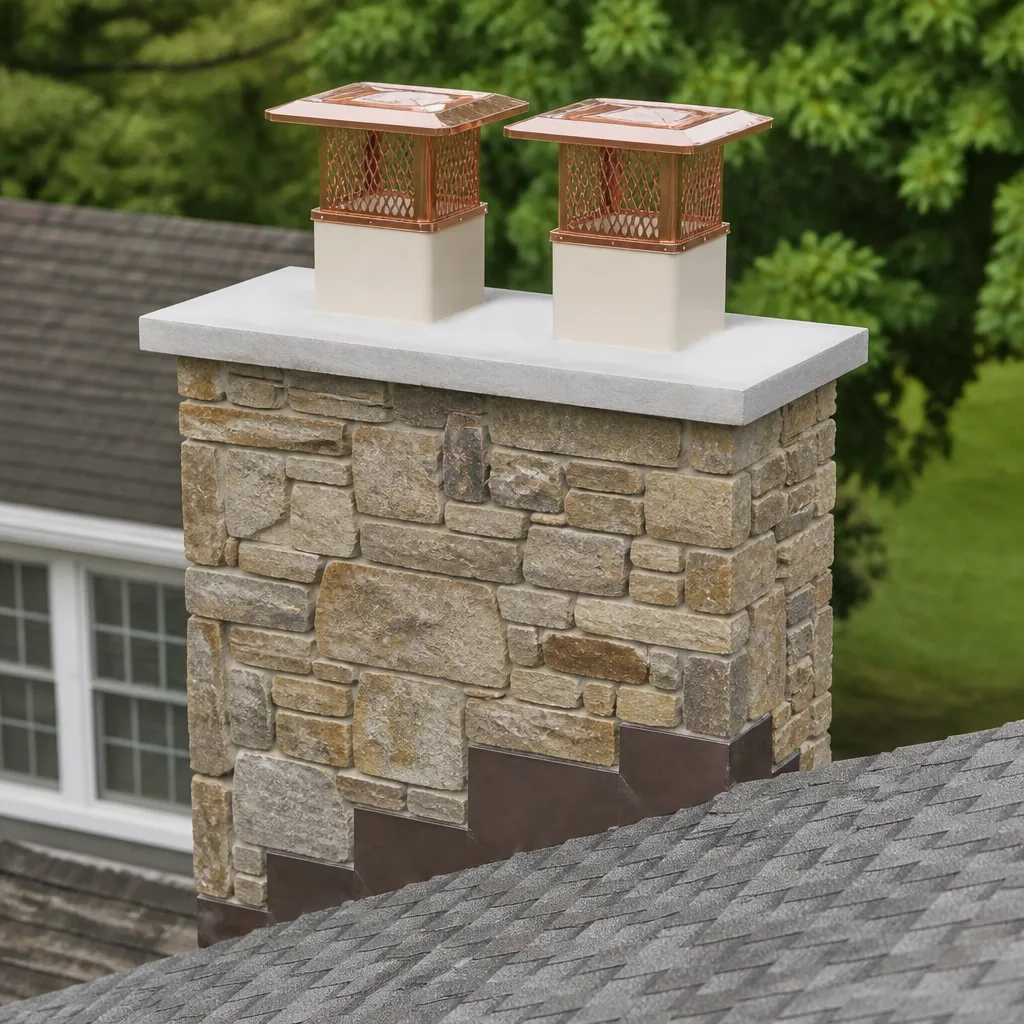 Caps & crowns
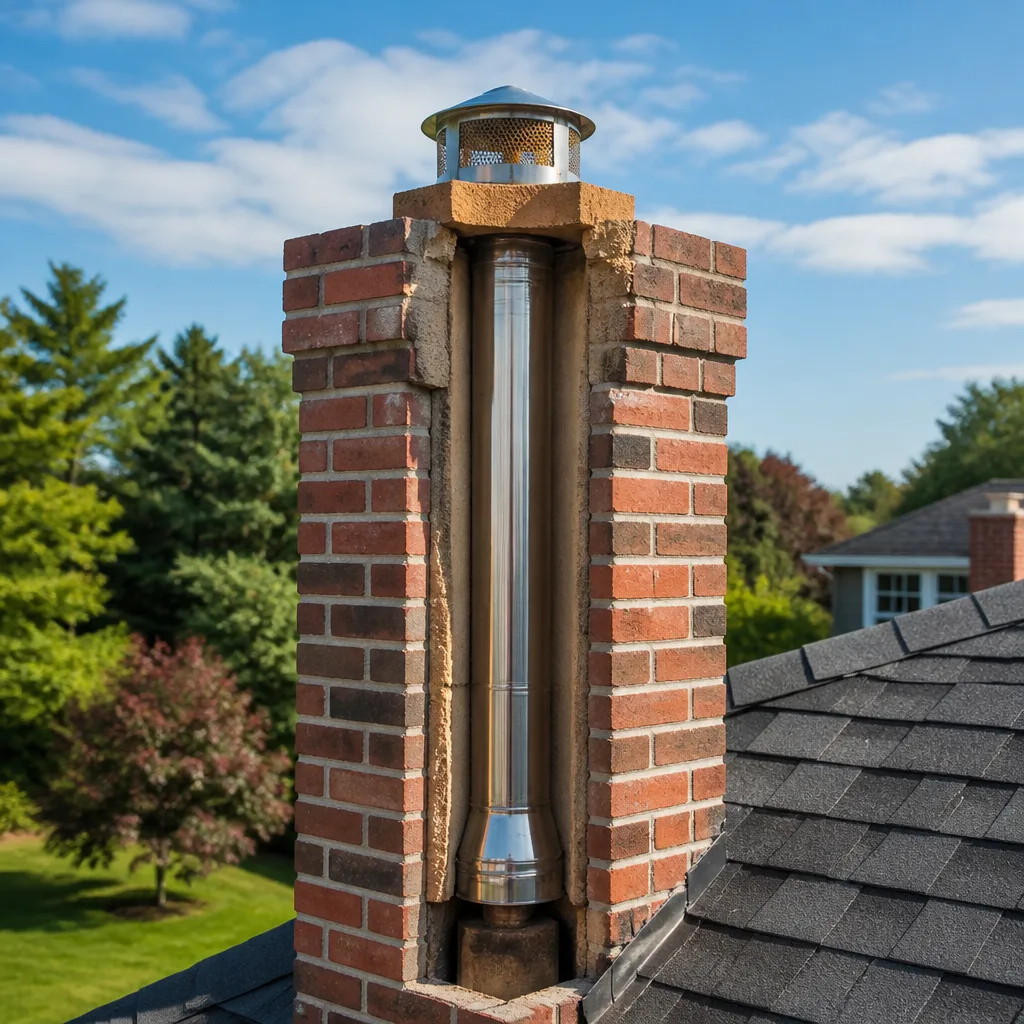 Flue relining
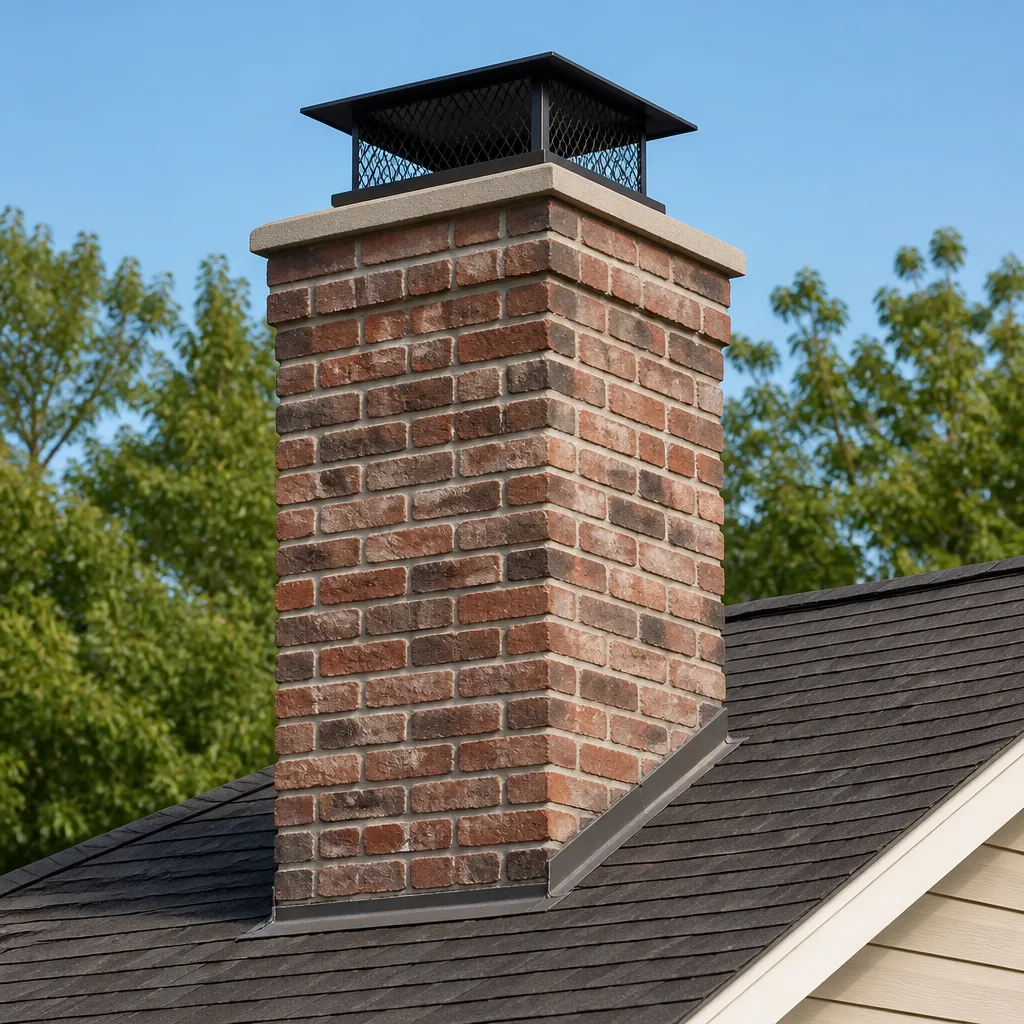 Masonry repair
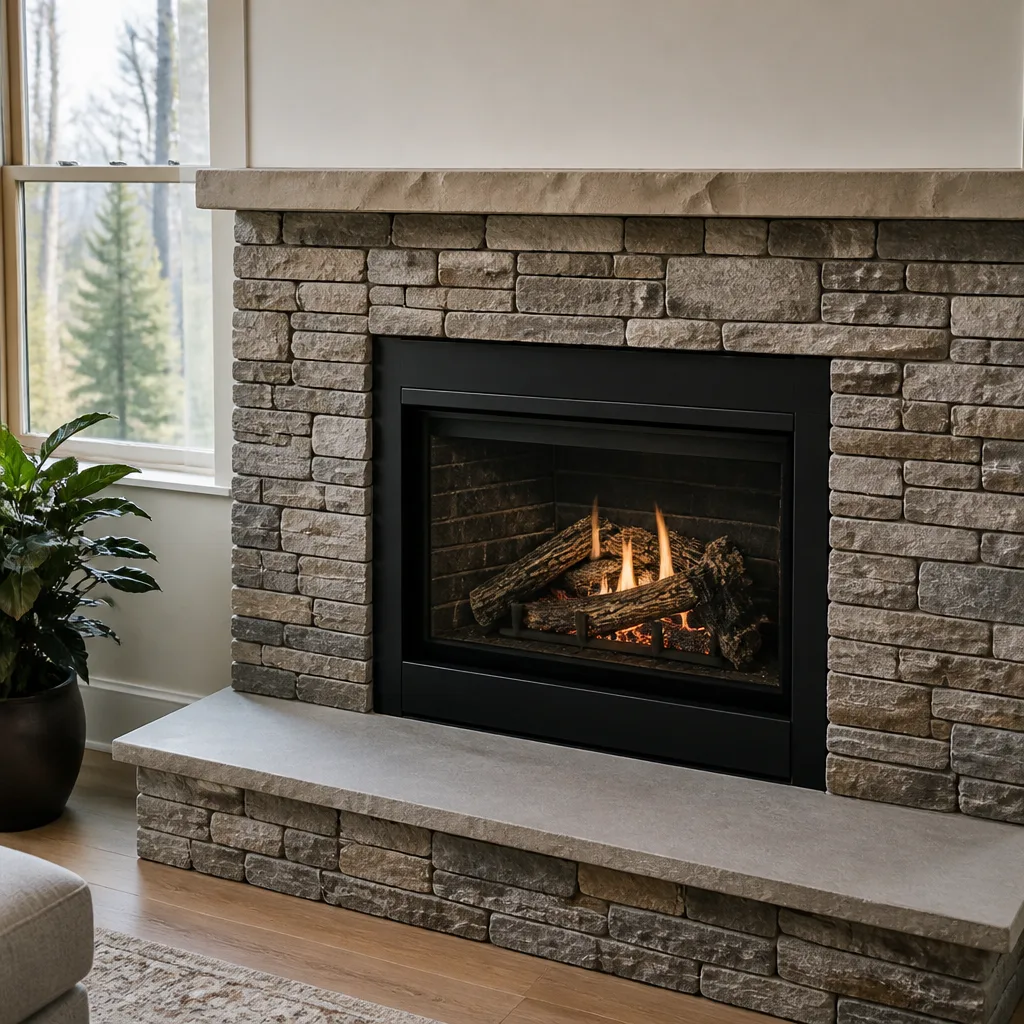 Gas fireplace service
Level 1 sweep and inspection to the NFPA 211 annual standard - flue, crown, cap, and flashing checked and photographed
Chimney sweep logs do not sweep chimneys. They loosen some creosote - which then falls where a brush and vacuum still have to collect it.
Chimney Cleaning Permits, Codes & Inspections in Park Hill, CO: What You Need to Know
A chimney sweep is maintenance. Replacing the liner inside that chimney is construction work, and in Denver it needs a permit. That distinction trips up a lot of homeowners in Park Hill, because both jobs start the same way: someone shows up with a brush, looks up the flue, and tells you what they found. What happens next determines whether the work is a routine cleaning or a regulated alteration to your home. This guide draws the line clearly, explains how NFPA 211 and the building code apply in Denver, and shows you exactly what paperwork to ask for and keep after any structural chimney work.
We’re a chimney-only specialist, and this is the corner of the trade where we spend the most time explaining. Here’s what you’ll learn: which services need permits, which don’t, what a Level 2 inspection legally covers, and how unpermitted work surfaces when you sell.
Quick Answer
Routine chimney cleaning in Park Hill does not require a permit, but structural work such as a liner replacement, cap and crown rebuild, or masonry repair generally does under the Denver Building and Fire Code. Any contractor doing that structural work should pull the permit before starting, and you should keep the inspection report, permit record, and material documentation afterward. A Level 2 inspection is legally required at real estate transfer, after a chimney fire or other event, and when the appliance or fuel type changes.
Styles & brands we work with
- Sweep & inspection
- Caps & crowns
- Flue relining
- Masonry repair
- Gas fireplace service
Table of Contents
- Routine Maintenance vs. Permitted Work: Where the Line Falls
- Which Codes Actually Apply in Park Hill
- What a Level 2 Inspection Is and When It’s Required
- The Documentation to Request and Keep
- How Unpermitted Chimney Work Surfaces at Sale
- Why Park Hill Chimneys Age the Way They Do
- How to Choose a Contractor Who Handles This Correctly
Routine Maintenance vs. Permitted Work: Where the Line Falls
The clearest way to think about it: if the work removes creosote and leaves every component where it was, it’s maintenance. If the work removes, replaces, or alters a component of the venting system or the chimney structure, it’s construction and it likely needs a permit.
Chimney sweeping removes soot and creosote from the flue. Nothing is added or taken away. That’s why a sweep in Park Hill is treated as routine maintenance and doesn’t trigger a permit. The same goes for a visual inspection, a fireplace cleaning, or a routine cap check. Replacing a damaged cap with a new one, resealing a crown, or swapping out a firebox grate falls here too, in most cases.
The moment you cross into the following, expect a permit:
- Liner replacement or relining. Installing a new stainless liner or applying a restoration coating to deteriorated flue tiles changes the venting system. This is permitted work.
- Structural masonry repair. Rebuilding a chimney above the roofline, replacing damaged brick courses, or repairing the crown structure is permitted work.
- Appliance changes. Swapping a wood-burning insert for a gas unit, or changing from one fuel type to another, alters the venting requirement and triggers both a permit and an inspection.
- Chimney demolition or removal. Obviously regulated.
This is also where the “permit” question and the “insurance” question meet. A liner replacement done without a permit in Denver can complicate a homeowner’s insurance claim for fire damage, because the insurer can point to unpermitted work as a code violation. The contractor who skipped the permit isn’t the one who has to explain that to your adjuster. You are.
When we quote a reline, we tell you up front whether the scope is permitted work. That’s the honest way to handle it.
Which Codes Actually Apply in Park Hill
Two documents do most of the work here. NFPA 211, the Standard for Chimneys, Fireplaces, Vents, and Solid Fuel-Burning Appliances, sets the national standard for how chimneys are built, inspected, and maintained. The International Residential Code (IRC), Chapter 10, covers chimneys and fireplaces in residential construction. Both get adopted into local law, and Denver’s adoption of the current IRC and International Fire Code is what makes them enforceable in Park Hill.
Here’s the practical sequence:
- NFPA 211 defines the standard. It tells you what a proper chimney looks like, how it should be inspected, and what the three inspection levels mean.
- The IRC puts that standard into building code. Chapter 10 adopts chimney and fireplace requirements for new construction and alterations, and it references NFPA 211 for maintenance and inspection.
- Denver adopts the IRC and International Fire Code locally. Once the city adopts them, they become enforceable by the building department and the fire marshal.
- The permit and inspection process is how compliance is verified. A permit pulls the work into the system; an inspection confirms the work meets the adopted code.
What that means for you as a Park Hill homeowner: when a contractor tells you a reline doesn’t need a permit, they’re either misinformed about the current adopted code or they’re choosing to skip the process. Either way, you’re the one exposed.
We don’t do the permitting on your behalf as a formality. We tell you what’s permitted and what isn’t, and we handle the paperwork on permitted work as part of the job. If you’re planning a fireplace repair that crosses into venting changes, that’s a permit conversation too.
What a Level 2 Inspection Is and When It’s Required
NFPA 211 defines three inspection levels. A Level 1 inspection is a visual check of the readily accessible portions of the chimney, done during a routine sweep. A Level 2 inspection adds a video camera scan of the flue interior and a closer look at accessible attic and crawl space areas, and it’s the level that shows you the condition of the liner tiles you can’t see from the firebox.
A Level 2 inspection is legally required in three situations:
- Real estate transaction. When the home changes hands, the buyer’s inspector or lender will expect a Level 2 report. Sellers who can produce one avoid a scramble at closing.
- System change. When you change the appliance, the fuel type, or the venting configuration, a Level 2 inspection confirms the system is safe for the new use.
- After an event. After a chimney fire, a seismic event, a lightning strike, or any sudden damage, a Level 2 inspection is required before the system is used again.
What a Level 2 must cover: the accessible interior and exterior of the chimney, the flue interior via camera, the firebox, the damper, the smoke chamber, the connector pipe, and any accessible attic or crawl space where the chimney passes through. The report should include photos or video stills and a written summary of findings.
If you’re buying or selling a home in Park Hill, get the Level 2 done before listing or before removing contingencies. It’s the single document that prevents a last-minute surprise. We include camera inspection and a photo report with every chimney sweep, so the evidence is in your hands either way.
The Documentation to Request and Keep
After any structural chimney work, you should walk away with a file. Not a verbal assurance, not a text message, a file. Here’s what belongs in it:
- The permit number and final inspection sign-off. If the work required a permit, the final inspection record is the proof it was done to code. Keep the permit number and the inspection date.
- The Level 2 inspection report, before and after. Pre-work photos show the condition; post-work photos show the result.
- Material documentation. The contractor should document the materials installed. When we install a liner from DuraFlex or apply a HeatShield restoration, the brand and product type go on the invoice. Trade-grade materials carried on the record matter when you sell or file a claim.
- The written scope of work. What was removed, what was installed, and what was left in place.
- The contractor’s licensing and insurance information. The local pro should be licensed and insured as Colorado requires, and you should have that in writing.
Keep these documents with your home records, alongside the furnace and water heater paperwork. When you list the house, a clean file is worth more than a freshly painted chimney breast.
How Unpermitted Chimney Work Surfaces at Sale
The most common way unpermitted chimney work comes to light is the buyer’s inspection. A home inspector sees evidence of a liner replacement, checks the permit history with the city, finds nothing, and flags it. Now the buyer’s agent asks for the paperwork, and you don’t have it. That’s the moment the deal gets complicated.
What retroactive correction looks like depends on the work:
- A reline done without a permit. The city may require the liner to be inspected or removed and reinstalled under permit. You pay the original contractor’s price plus the correction cost.
- Structural masonry done without a permit. This is the expensive one. The chimney may need to be inspected, and the work brought into compliance, sometimes with partial demolition.
- An appliance swap done without a permit. The venting system must be verified against the new appliance’s requirements. If the venting is undersized, it’s a re-do.
The pattern is consistent. Unpermitted work doesn’t usually fail structurally. It fails at documentation, and documentation is what buyers, lenders, and insurers actually check. A Park Hill home with a clean permit file clears the chimney objection in a day. A home with a missing permit file can stall a closing for weeks.
If you’re in a Park Hill house with a chimney of unknown history, a Level 2 inspection is the first step. You can’t fix what you haven’t documented.
Why Park Hill Chimneys Age the Way They Do
Park Hill sits on the eastern edge of Denver, and the climate here is hard on masonry. The freeze-thaw cycle is the main driver. Moisture gets into brick and mortar during a wet spring or a snowmelt, then a hard freeze pushes it apart. Repeat that over a few winters and hairline cracks in the crown become open joints. Water follows the crack into the structure, and the freeze-thaw damage accelerates.
The Park Hill housing stock makes this worse. Many of the neighborhood’s brick homes and bungalows were built when chimneys were designed for solid fuel, and the flue tiles have been through decades of heating and cooling. A flue tile that has spalled or cracked is exactly the condition that a reline addresses, and exactly the condition that HeatShield restoration was developed for, because it can restore a deteriorated flue without full demolition.
What the climate means for you:
- The crown is the first thing to fail. It’s the top surface of the chimney, and it takes the freeze-thaw hit directly. A cracked crown is a water entry point. That’s why we treat chimney cap & crown work as prevention, not cleanup.
- Spring is the inspection window. After a winter of freeze-thaw, the visible damage is at its clearest. A spring inspection catches the crown cracks and spalled tiles before another winter.
- Summer is the repair window. Masonry work and relining don’t compete with heating season, and you’re not running the fireplace while the work is done.
This is also why we specify trade-grade caps and crowns from brands like Copperfield and Gelco rather than hardware-store substitutes. A cap that fails at the first hard freeze isn’t a money-saving cap.
How to Choose a Contractor Who Handles This Correctly
The contractor who handles permits correctly is usually the contractor who handles everything correctly. Here’s what to look for:
- They tell you which work is permitted before you ask. A contractor who knows the Denver code will tell you up front whether your job requires a permit. If they dodge the question, that’s a signal.
- They do a Level 2 inspection before recommending structural work. No recommendation should be made without camera evidence of the flue interior. You should be able to see the problem for yourself.
- They carry trade-grade materials. Liner and restoration products from brands specified by certified chimney professionals, not big-box substitutes. We carry HeatShield so you may not need a full liner replacement, and we install DuraFlex liners where a replacement is the right call.
- They know the whole system. A chimney-only specialist covers the full chimney lifecycle from the firebox to the crown, so there’s no scope gap between the sweep and the structural work.
- They’re licensed and insured as Colorado requires. The local pro should be able to document it.
We work this way because it’s the only way the permit and inspection process makes sense. Our technicians have up to 12 years of experience, and the work they do in Park Hill is the only work they do. A generalist handyman with a brush is not the same thing.
Common Mistakes to Avoid
- Skipping the permit on a reline to save a few hundred dollars. It’s the most common shortcut we see, and it’s the one that creates the insurance problem. The permit is cheap compared to a disputed claim.
- Treating a sweep as an inspection. A sweep cleans the flue. It doesn’t document the liner. If you need a Level 2 report for a sale or a system change, ask for one specifically.
- Accepting a verbal “it’s fine” on the liner. Without camera evidence, you have no way to verify what’s inside the flue. Ask to see the scan.
- Letting a generalist handle structural chimney work. Masonry repair above the roofline and relining are specialist work. A multi-trade contractor splitting attention between gutters and chimneys is not the same as a chimney-only trade.
- Throwing away the permit file after the job closes. The documentation is what you’ll need at sale, and it’s the first thing a buyer’s inspector asks for. Keep it with the home records.
- Assuming last winter’s damage will wait through another winter. A crown crack that’s cosmetic in October can be structural by March. The freeze-thaw cycle in Park Hill doesn’t pause while you get around to it.
- Hiring on price alone for permitted work. The cheapest bid on a reline is often the bid that skips the permit. Ask about the permit before you ask about the price.
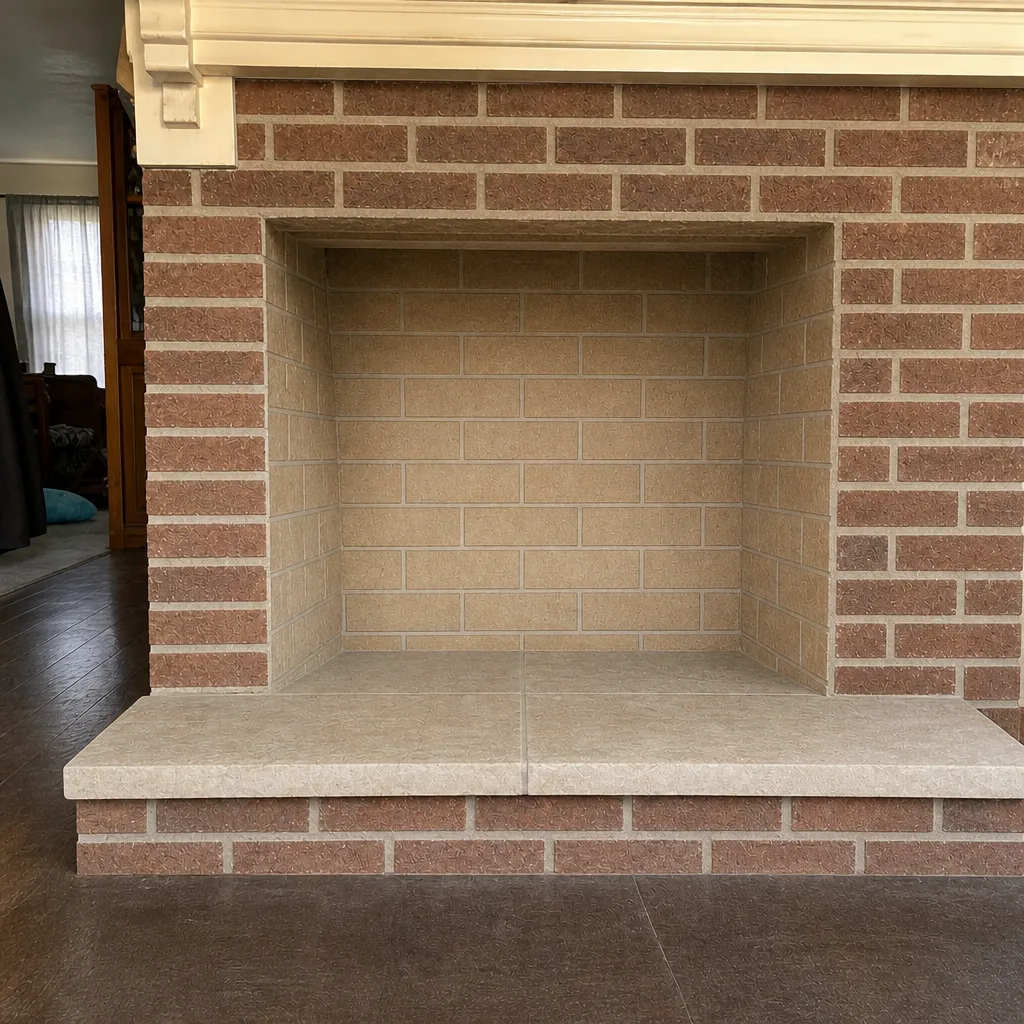
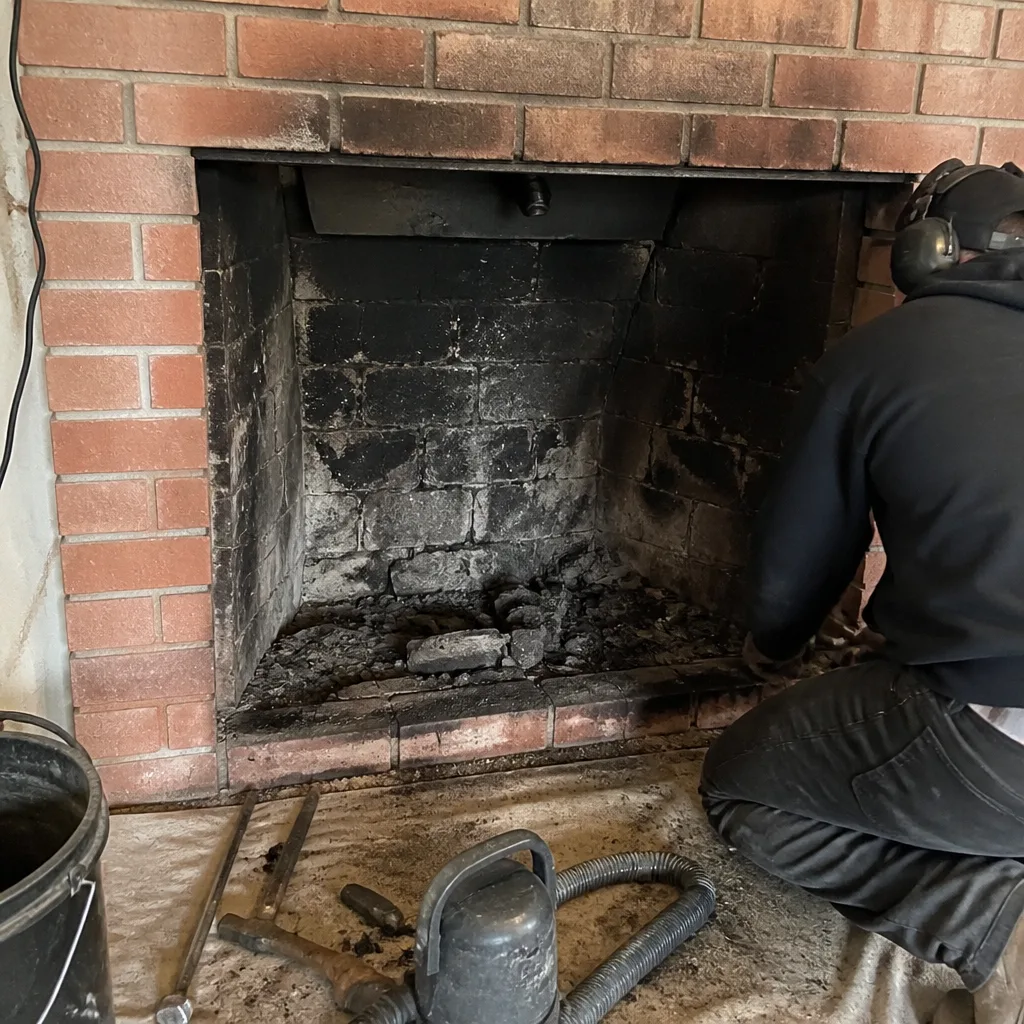
See the difference
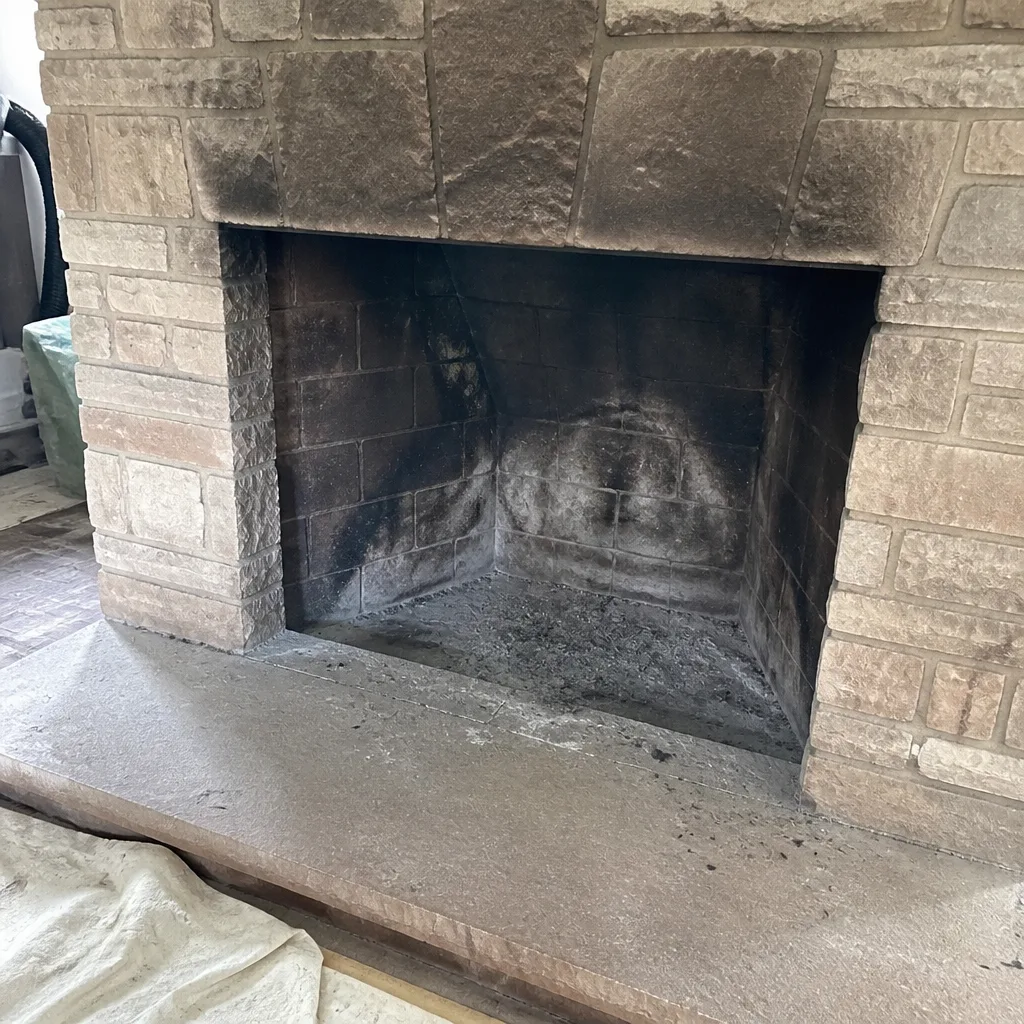 Before
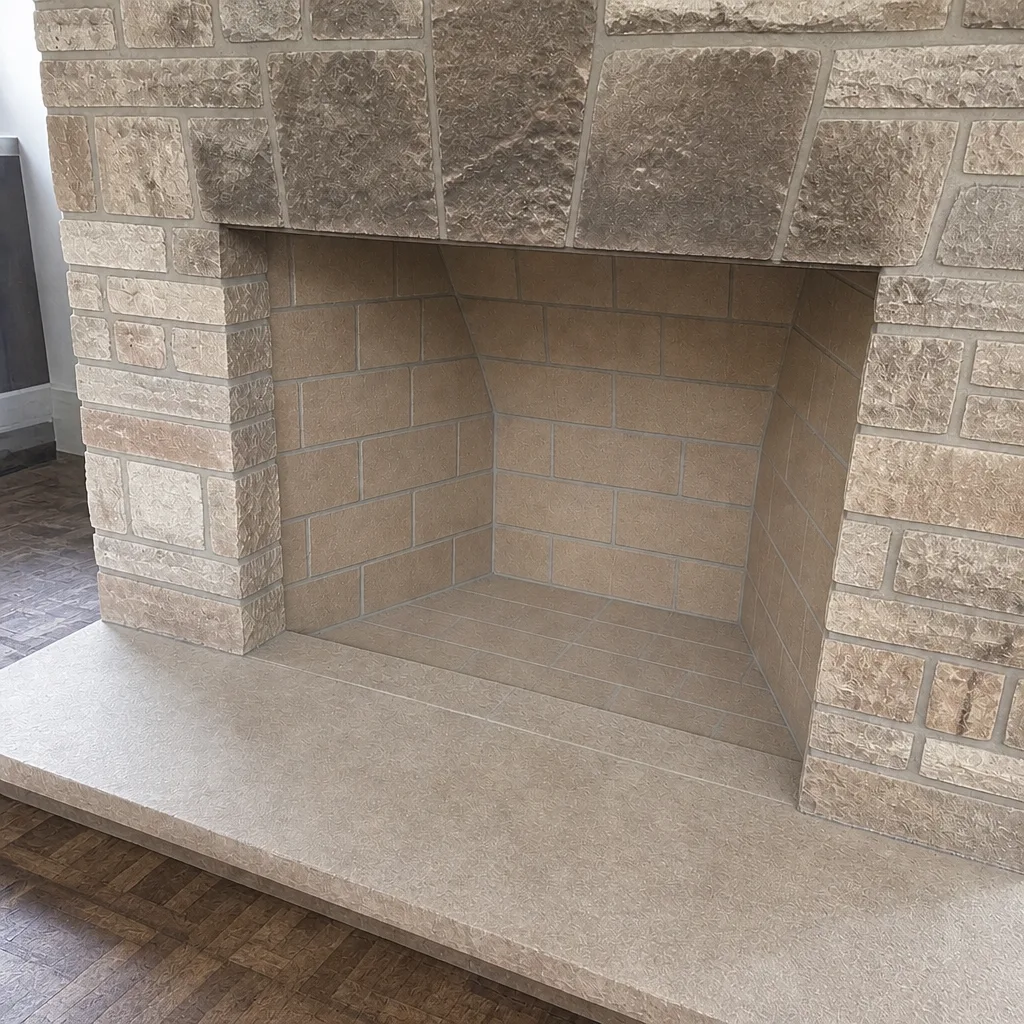 After
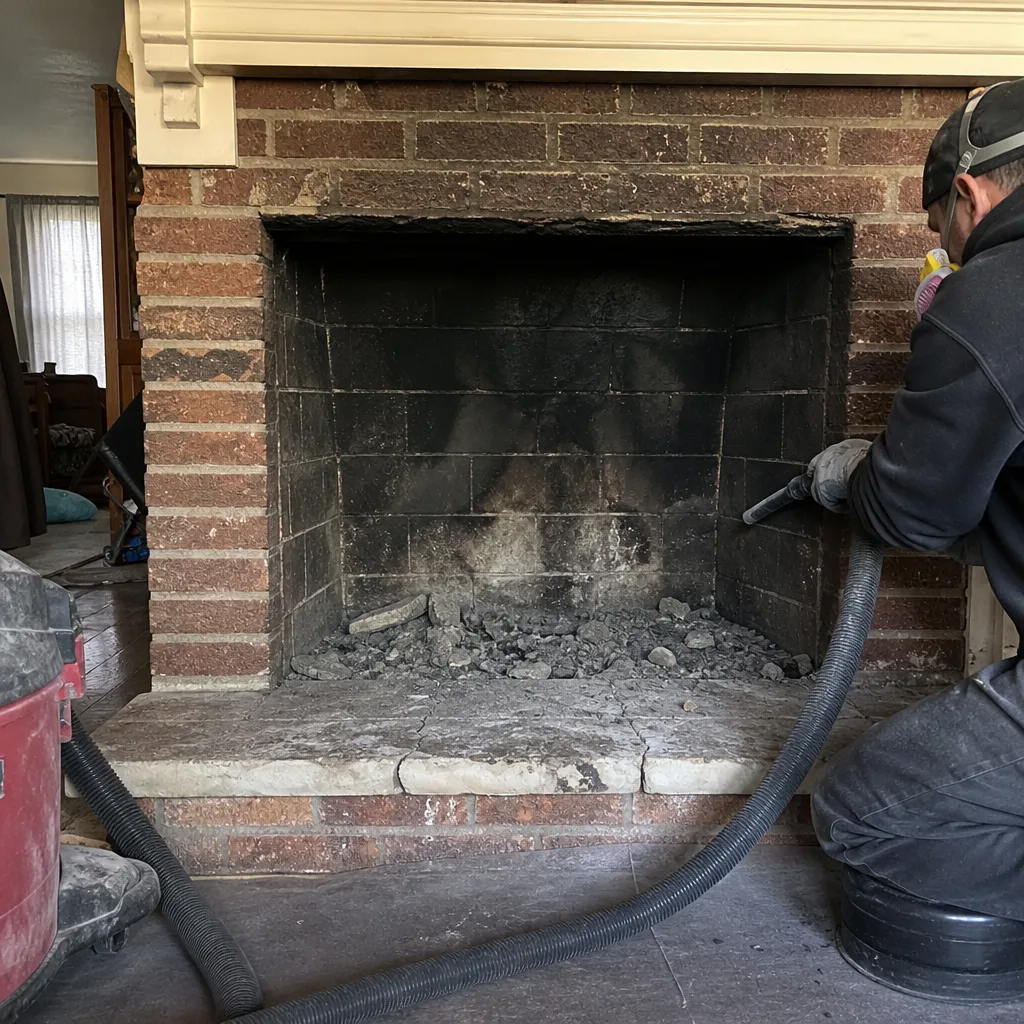 Before
 After
 Before
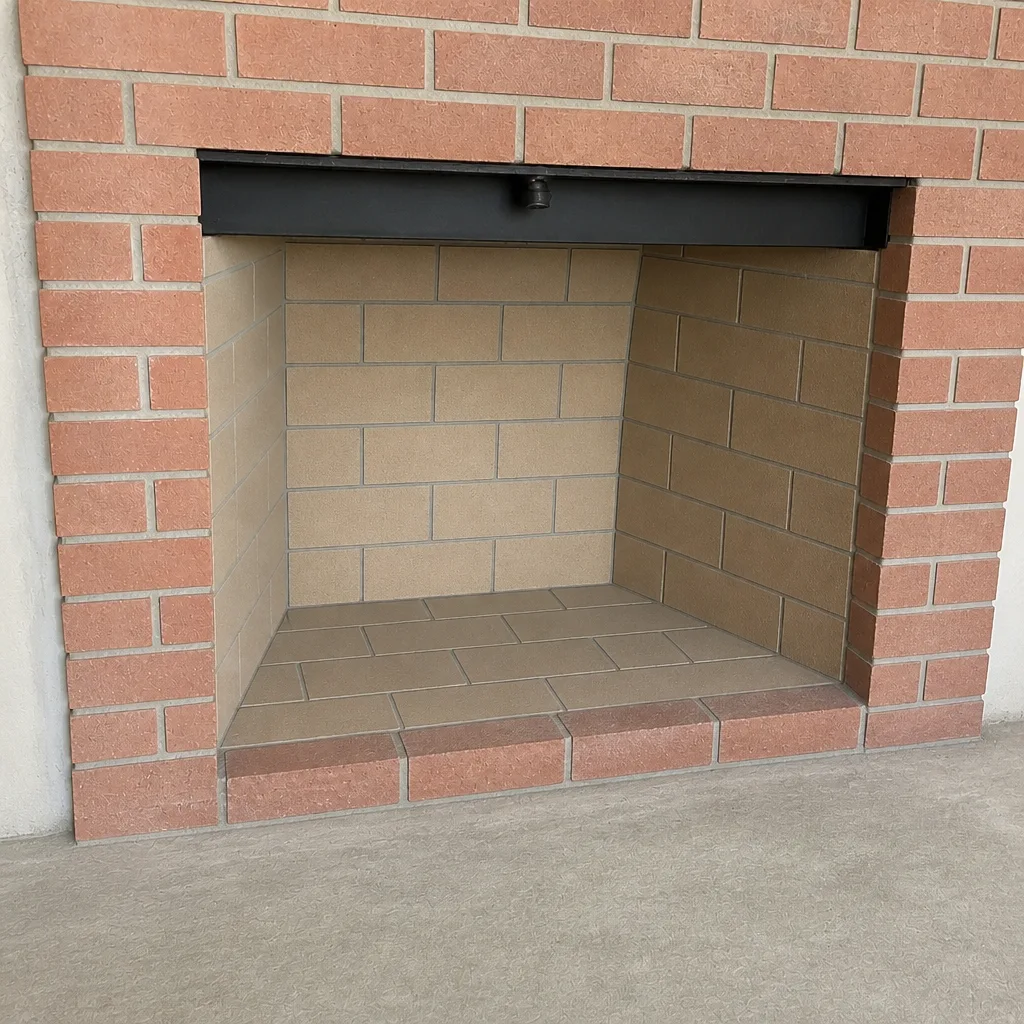 After
When to Call a Professional
Call a professional when you’re not sure which side of the permit line your job falls on. That’s the honest answer, and it’s the one that prevents problems. Specific situations that warrant a call: you’re buying or selling a home in Park Hill and need a Level 2 report; you’ve had a chimney fire or a lightning strike; you’re changing from wood to gas or adding an insert; you see cracked or missing mortar at the crown; you smell smoke in the house during a fire; or your flue has never been camera-inspected and you don’t know its condition. Our technicians have up to 12 years of experience and cover the full system from the firebox to the crown. Chimney Sweep Park Hill offers free estimates in Park Hill. Call (877) 770-1914.
Frequently Asked Questions
No. Routine chimney cleaning and sweeping in Park Hill are classified as maintenance and don’t require a permit. The permit requirement starts when the work alters the venting system or the chimney structure, such as a liner replacement, a crown rebuild, or an appliance change. Call (877) 770-1914 for an exact quote on your scope – estimates are free.
Yes, in most cases. A liner replacement alters the venting system and is permitted work under the Denver Building and Fire Code. Skipping the permit doesn’t just violate code; it can complicate an insurance claim for fire damage later. It’s the most important piece of documentation to get right. Call (877) 770-1914 if you’re not sure whether your reline needs one.
A Level 1 is a visual check of the accessible parts of the chimney during a routine sweep. A Level 2 adds a video camera scan of the flue interior and a closer look at accessible attic and crawl space areas, and it’s the report you need for a real estate transaction, a system change, or after a chimney fire. Call (877) 770-1914 to book a Level 2.
It can. The buyer’s inspector checks the permit history, and a missing permit for a reline or structural repair is a red flag that stalls closings. The correction often means re-inspecting or redoing the work under permit, at the current owner’s expense. A clean permit file prevents the problem. Call (877) 770-1914 if you need a Level 2 report before listing.
For as long as you own the home, and it’s smart to pass it along to the next owner. The permit number, final inspection sign-off, Level 2 report, and material documentation are the file that answers every chimney question at sale. Keep it with your home records. Call (877) 770-1914 if you need a report reissued.
No. A sweep cleans the flue; a Level 2 inspection documents its condition with camera evidence. If you need the report for a sale, a system change, or after an event, ask for the Level 2 specifically, even if you’re also booking a sweep. Call (877) 770-1914 to book both together.
The Bottom Line
Chimney cleaning in Park Hill doesn’t need a permit, and that’s the easy part. The moment a contractor touches your liner, cap, or structural masonry, you’re in permitted work, and the paperwork is the thing that protects you. Get the Level 2 inspection when the code requires it. Keep the permit number, the inspection report, and the material documentation. And hire a chimney-only specialist who tells you which side of the line your job falls on before you ask. When you’re ready to know exactly where your chimney stands, we’re the team to start with.
If you’re in Park Hill and you’re not sure whether your chimney needs a sweep, an inspection, or a permit, call (877) 770-1914. We answer 24/7. Fast dispatch from 7am to 7pm, Sunday through Friday. Estimates are free and the price is set per job by the written estimate. Start with an inspection and a Chimney Sweep Park Hill conversation, and we’ll tell you what your system actually needs.
Written by the team at Chimney Sweep Park Hill.