
Last updated November 24, 2026
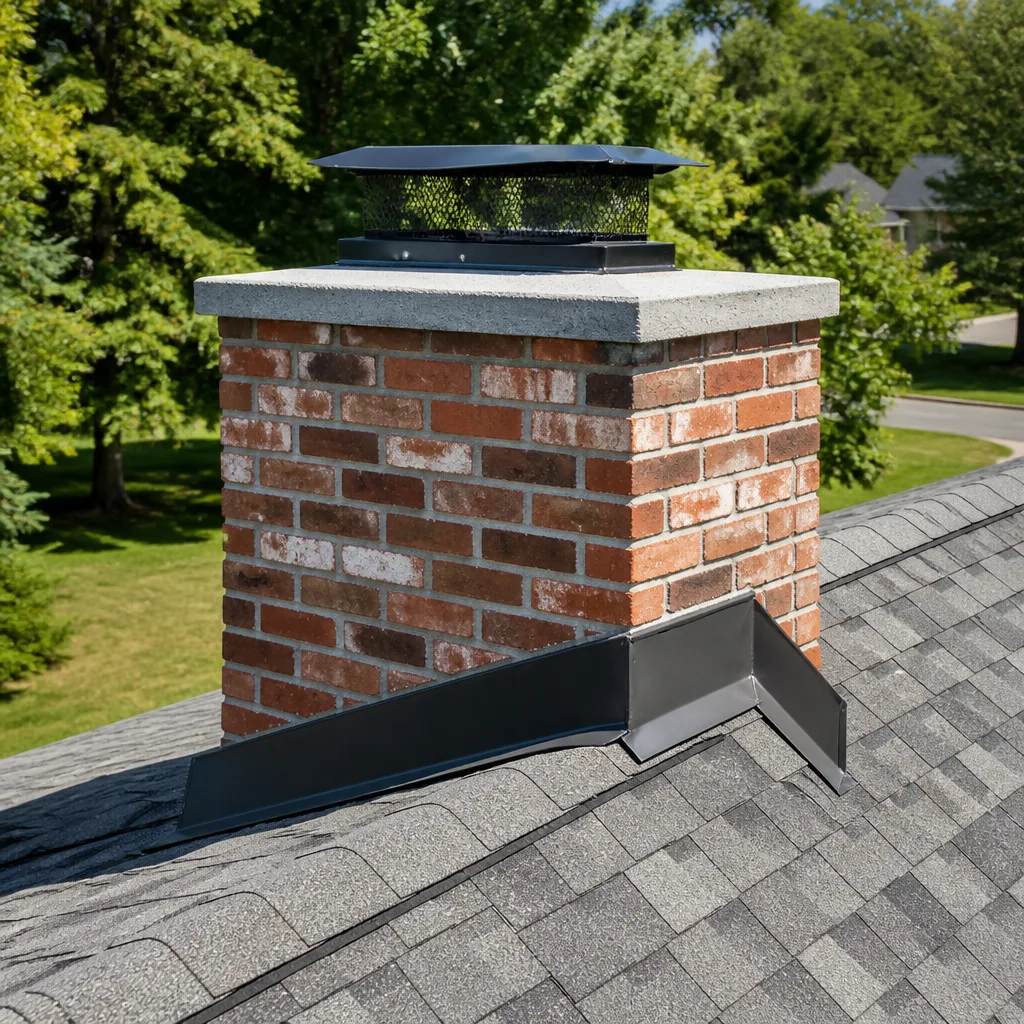 Sweep & inspection
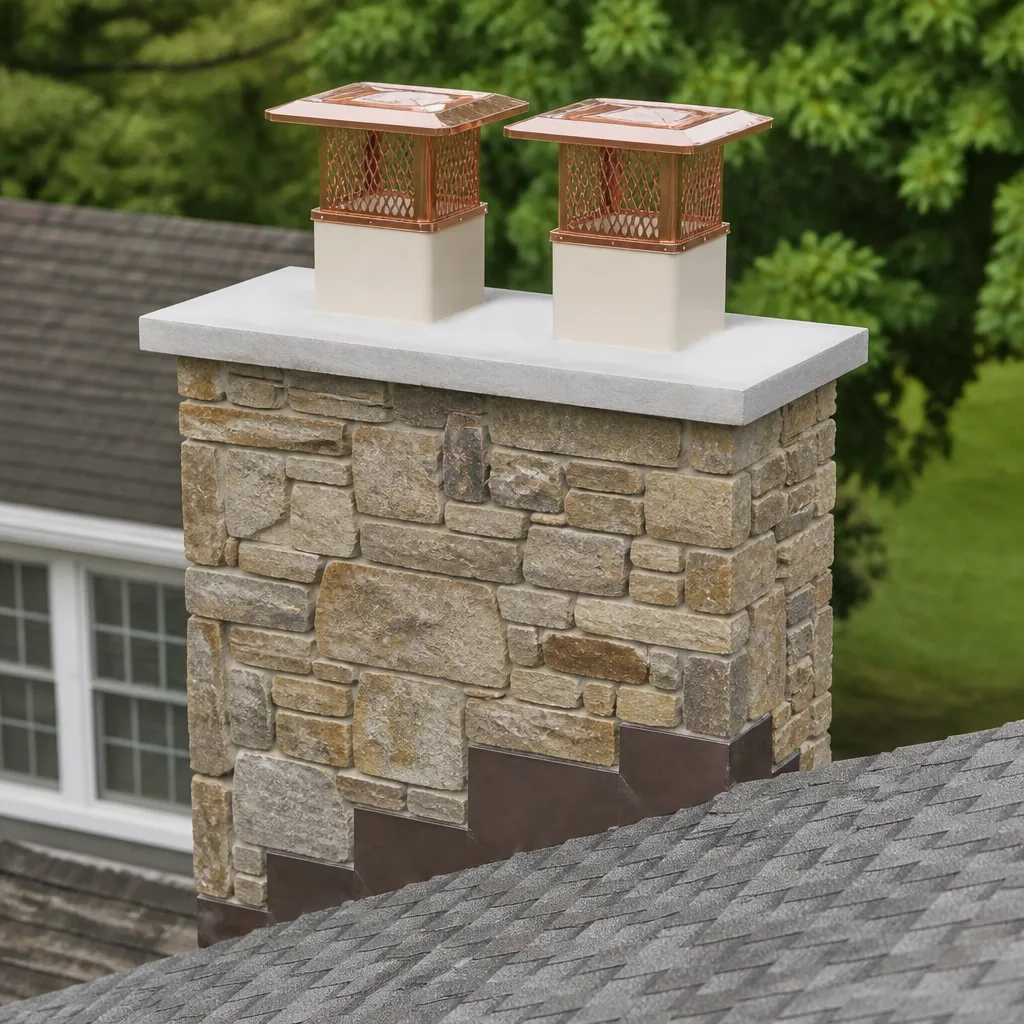 Caps & crowns
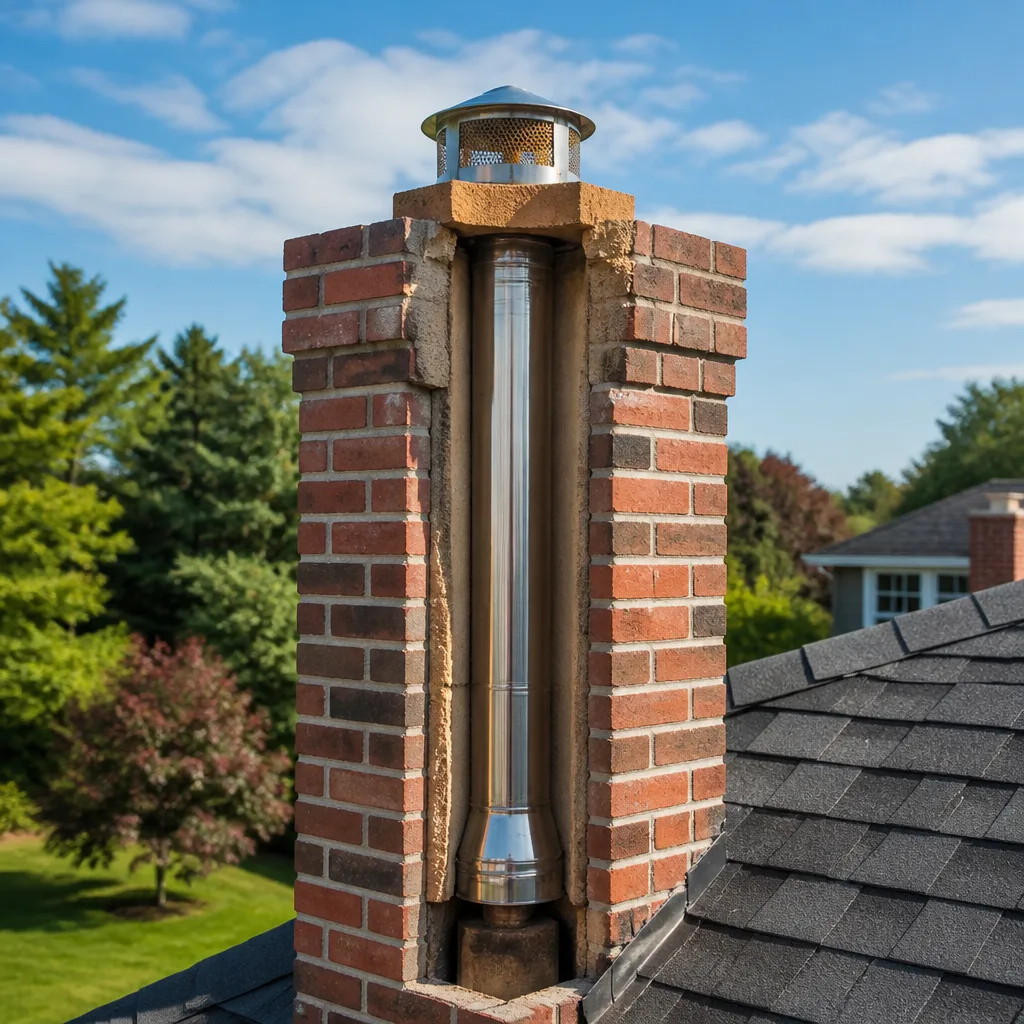 Flue relining
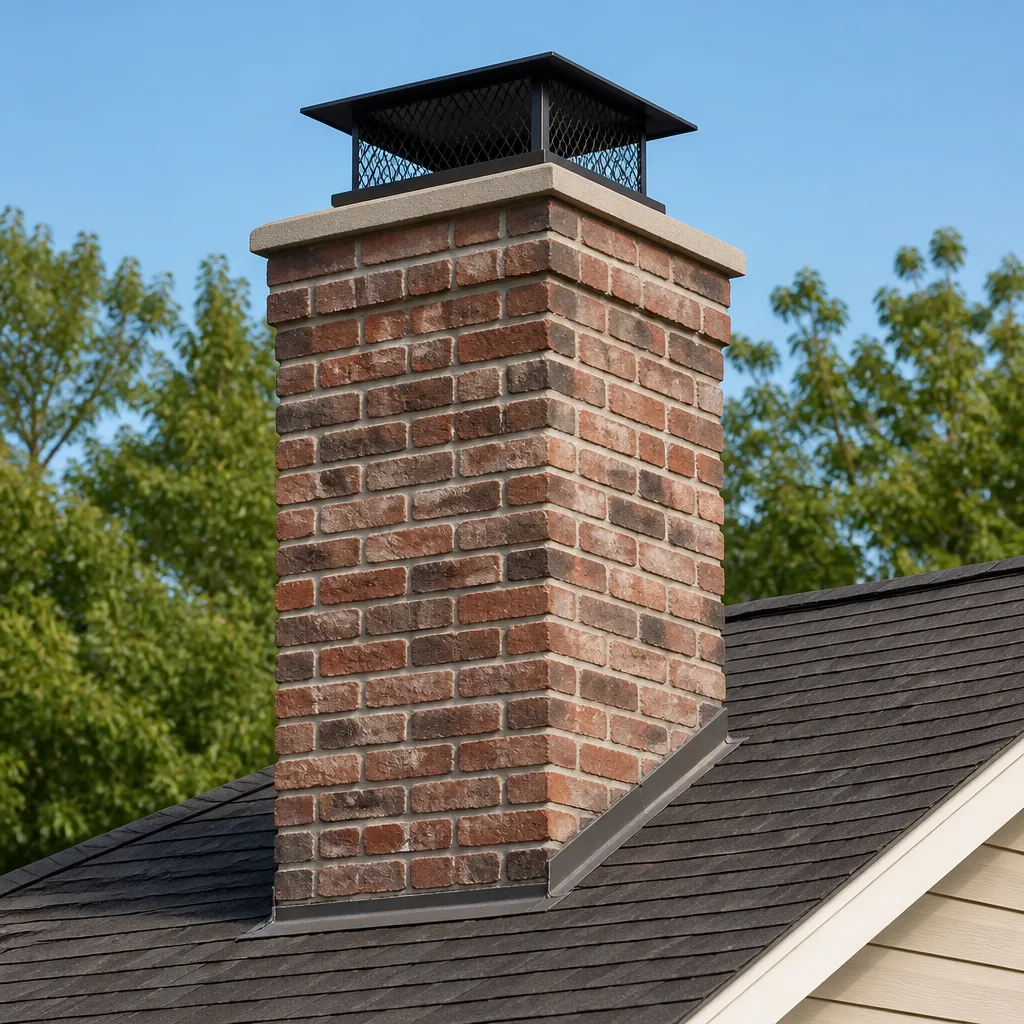 Masonry repair
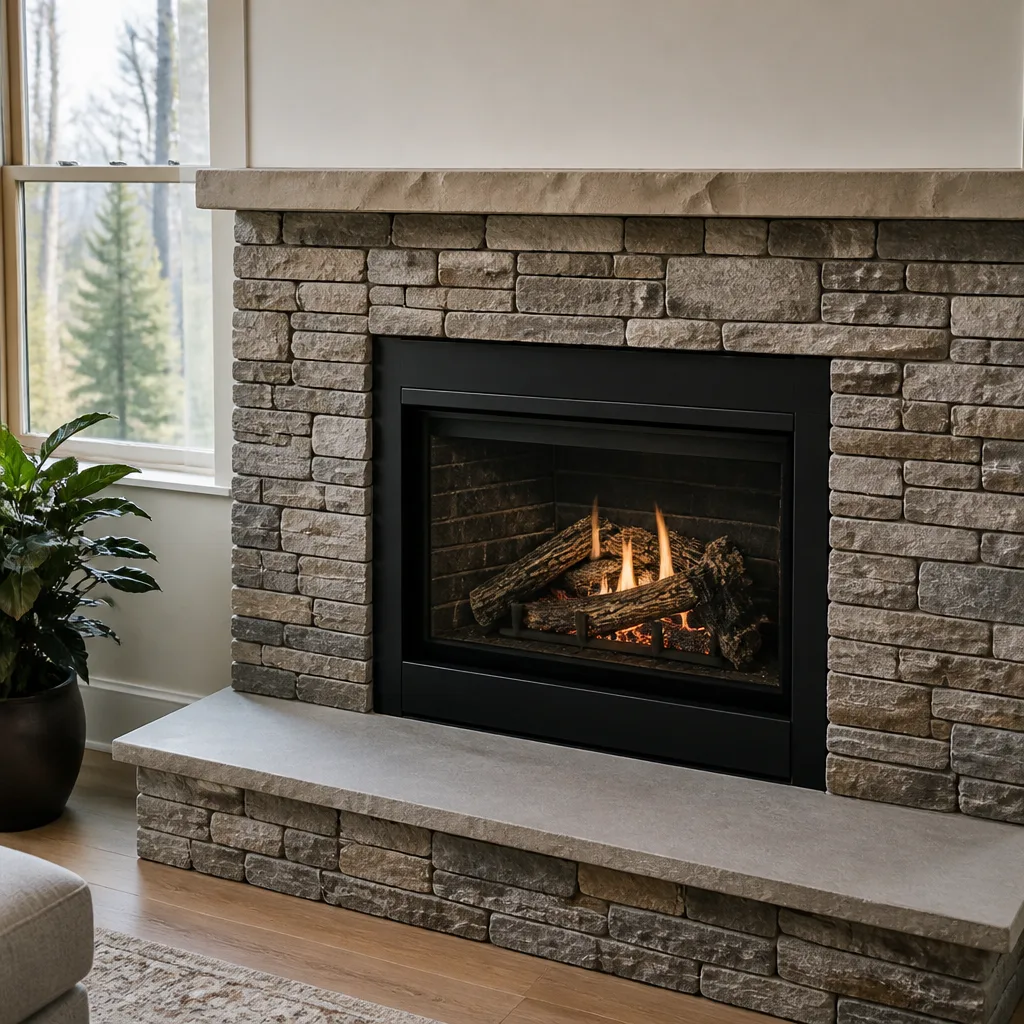 Gas fireplace service
Level 1 sweep and inspection to the NFPA 211 annual standard - flue, crown, cap, and flashing checked and photographed
Chimney sweep logs do not sweep chimneys. They loosen some creosote - which then falls where a brush and vacuum still have to collect it.
Chimney Cleaning Warning Signs: A Park Hill Homeowner’s Reference Guide
The most dangerous chimney problems are the quiet ones. A chimney fire needs a fuel load, and creosote builds up fire by fire, season by season, in a flue nobody has looked at. The warning signs are almost never dramatic. They’re a faint smoky smell in July, a chalky white bloom on the brick, a damper that scrapes a little more each fall. Most Park Hill homeowners read these signals as house quirks and move on. This guide decodes what those signs actually mean, sorts them by urgency, and shows you what you can check from the ground floor without a ladder.
Quick Answer
The main chimney cleaning warning signs are persistent smoke or creosote odor in the house, dark staining around the firebox or on the exterior brick, white efflorescence or flaking brick on the chimney stack, smoke spilling back into the room, a stiff damper, visible debris or a glaze inside the flue, and draft problems that show up when the weather turns. Any of these means the system is telling you something. A smoky smell with no fire burning is the one to treat as urgent: it usually points to a draft or venting failure that gets worse, not better, once you light the first cold-weather fire.
Styles & brands we work with
- Sweep & inspection
- Caps & crowns
- Flue relining
- Masonry repair
- Gas fireplace service
Table of Contents
- The Symptom-to-Cause Map: What Each Warning Sign Actually Means
- Cosmetic vs. Safety-Critical: How to Tell Without Climbing on the Roof
- Why White Efflorescence Is a Moisture Diagnostic, Not a Stain
- Park Hill Trees, Downdraft, and Telling a Tree Problem From a Structural One
- Urgency Tiers: Stop Using the Fireplace, Schedule Within 30 Days, or Note for Annual Service
- The Pre-Season Owner’s Checklist: What You Can Inspect Yourself
- How Often a Park Hill Chimney Actually Needs Sweeping
- What Happens During a Sweep and Inspection
The Symptom-to-Cause Map: What Each Warning Sign Actually Means
Most homeowners call us with a single complaint: “it smells,” or “it’s smoking,” or “something’s wrong with the brick.” The value in a sweep visit is connecting the symptom to a cause and an urgency level. Here’s how the eight most common signs usually map out.
- Persistent smoky or creosote odor, especially in warm, humid weather with no fire burning. Usually a draft or pressure failure. Negative pressure in the house pulls air and odor down the flue. It becomes a carbon monoxide concern once a fire is lit and the draft can’t overcome the pressure. Treat as urgent.
- Dark staining on the firebox interior, the smoke chamber, or the exterior brick. Interior staining often means smoke is backing up inside the chase. Exterior staining near the top means water is getting in or the crown is failing. Interior stains get an inspection; exterior stains get a look at the crown and cap.
- Draft problems: hard to start a fire, smoke rolling out the front, ash dusting the room. Could be a cold flue, an obstruction, a cap issue, or a house-pressure problem. Rule out obstruction first.
- Visible debris in the firebox or a “glazed” flue. Glazed creosote (stage three) is the hardest to remove and the most combustible. Visible flakes falling into the firebox suggests the flue lining is deteriorating. Both call for a sweep and inspection.
- White, powdery efflorescence on exterior brick. Moisture migrating through masonry and depositing salts on the surface. It’s a diagnostic of water intrusion, not just cosmetics.
- Spalling brick (faces flaking or popping off) or crumbling mortar joints. Freeze-thaw damage in the masonry itself. Structural in nature; schedule soon.
- Smoke spillback into the room when you open the doors or damp the fire down. Can be draft failure, a partially blocked flue, a too-short stack, or a negative-pressure issue with a modern tight house. This is a stop-and-look sign.
- A damper that’s stiff, grinds, or won’t open fully. Usually rust, soot buildup, or a bent frame. It’s a mechanical problem, but a damper stuck shut is a venting hazard if you light anyway. Note for the next service; don’t force it.
Every one of these is something a credentialed sweep can sort in a single visit. If you’re in Park Hill and you’ve watched one of these signs for more than a season, that’s your cue to book a chimney sweep rather than wait for the next symptom to join it.
Cosmetic vs. Safety-Critical: How to Tell Without Climbing on the Roof
You don’t need a ladder to triage your chimney. You can learn a lot from the firebox, the room, and the ground outside. Here’s how to sort what you’re seeing into “monitor,” “book a visit,” and “stop using it now.”
Inside the house
- Soot dust on the hearth or furniture near the fireplace. Book a visit. It usually means draft is pulling backward at some point in the burn.
- A faint creosote smell that only shows up when the AC runs. Book a visit. Pressure differentials matter more than people realize.
- Smoke spilling into the room when the fire is going. Stop using the fireplace until it’s inspected. Don’t try to “burn it cleaner” to fix it.
- A heavy tar-like smell in the room on humid days, with the damper closed. Likely a build-up past the point a brush alone will clear. Book a sweep and inspection before the next burn season.
On the firebox and the surround
- Hairline cracks in the firebox brick mortar. Note for the next annual service.
- Chunks of mortar missing from the firebox joints, or gaps around the damper frame. Book a visit; the firebox may need repair before another fire.
- Rust streaks on a steel firebox or grate. Note for service. Rust usually means moisture got into the chase.
From the ground outside
- A cap that’s missing, bent, or clogged with twigs and leaves. Book a visit. This is one of the quickest sources of future problems and one of the easiest to fix with chimney cap & crown work.
- Visible gaps at the crown, or a crown that’s cracked and holding water. Book a visit. Water goes down the flue from the top, not the bottom.
- White chalky bloom on the brick. Diagnostic. Schedule a visit; this is covered in more depth below.
- Brick faces flaking off, or mortar joints eroding enough to notice from the sidewalk. Schedule urgently. This is masonry condition, not a cosmetic issue.
What you can’t judge from the ground is the inside of the flue. That’s the whole reason a sweep and inspection exist together: the sweep clears what’s there, and the inspection documents the condition of the liner, smoke chamber, and crown so you have a real picture instead of a guess.
Why White Efflorescence Is a Moisture Diagnostic, Not a Stain
Efflorescence is the white, powdery bloom you see on brick and mortar. It looks like a stain, so plenty of Park Hill homeowners treat it like one: they scrub it off and move on. That’s the wrong move. The salt deposit isn’t the problem; it’s the evidence of the problem.
What happens: water gets into the masonry, travels through the brick and mortar by capillary action, then evaporates at the surface, leaving salts behind. Common sources of that water on a chimney include:
- A failed crown at the top, letting rain soak into the top of the stack.
- A missing or poorly fitted cap letting water drop straight into the flue.
- Failed mortar joints or spalled brick taking in water on the sides.
- Flashing failures where the chimney meets the roofline.
- Interior condensation from a gas appliance, venting moisture through a flue not designed for it.
Scrubbing it off doesn’t fix the source, and it removes your warning light. The correct move is to find out where the water is coming in and fix that. In our experience, most efflorescence on Park Hill chimneys traces back to the top of the stack, because that’s the surface that takes the most abuse from sun, freezing, and thaw cycles. A proper crown rebuild or a cap upgrade often resolves the whole thing. When we look at a chimney with heavy efflorescence, we’re looking at the crown, the cap, the flashing, and the masonry joints, not the surface color.
The fix is usually structural work, not cleaning. If you’re seeing white bloom on the exterior, book an inspection. That’s the moment to catch the problem, before the freeze-thaw cycles of a Colorado winter get into the same brick face and start popping pieces off. If the firebox itself is showing cracks or the damper area looks degraded at the same time, that’s the moment to add fireplace repair to the visit. One trip up the stack, one plan.
Park Hill Trees, Downdraft, and Telling a Tree Problem From a Structural One
Park Hill is a tree neighborhood. Mature elms, maples, and ash on the parkways and in the yards are one of the best things about the neighborhood, and one of the things that shapes how chimneys here behave. If you notice smoke spilling back into the room or the fire struggling to draw, trees are the first suspect to rule out before we go chasing a structural cause.
Here’s how to tell them apart.
Signs it’s likely the trees and pressure around the house
- The problem shows up mainly in certain wind directions.
- The fire lights fine on calm days but smokes when it’s gusting.
- Nearby trees have grown noticeably over the past few seasons, or a neighbor trimmed a large tree and the problem eased.
- The chimney cap and crown are visibly intact and the stack is above the roofline as it should be.
Signs it’s likely structural
- Smoke spills back even on calm days.
- The problem appeared suddenly and has stayed consistent.
- There’s visible debris in the firebox, a nest smell, or the flue has clearly never been swept.
- The cap is missing, damaged, or blocked with leaves and twigs.
- Efflorescence, spalling, or a cracked crown is visible from the ground.
Tree canopy issues get addressed with the right cap and, sometimes, with the height of the stack. Structural issues get addressed with crown and masonry work. The two diagnoses come from the same visit, and they point to different fixes. What we won’t do is put a new crown on a chimney whose actual problem was a downdraft and a bad cap, or tell a homeowner their trees are the problem when the flue is blocked with nesting material. In Park Hill, we see both, and we see them in the same week.
Urgency Tiers: Stop Using the Fireplace, Schedule Within 30 Days, or Note for Annual Service
The most useful thing this guide can give you is a triage system. Here’s how we sort warning signs in the field. If any sign in tier one is present, stop using the fireplace and book an inspection. Tier two, schedule within the next month. Tier three, note it for the annual service.
Tier 1: Stop using the fireplace now
- Smoke spilling back into the room when the fireplace is burning and the flue is not visibly open.
- A persistent creosote or “campfire” smell in the house that didn’t resolve after a professional sweep.
- Visible glazed creosote in the flue, or chunks of lining material crumbling into the firebox.
- Cracks or gaps in the firebox that expose the metal or framing behind the brick.
- Any carbon monoxide alarm event with the fireplace in use.
These are the signs where a fire can turn from a comfort problem into a safety problem. When in doubt, err on the side of not lighting. Actually, err further than that: don’t light it, and get it inspected.
Tier 2: Schedule a sweep and inspection within 30 days
- A cap that’s missing, bent, or blocked with debris.
- Efflorescence, spalling, or a visibly cracked crown.
- A damper that won’t open smoothly.
- A build-up over a full burn season that’s probably due for a sweep, especially if you’ve burned more than a cord.
- Any burn season where you noticed more smoke than usual, more creosote on the firebox walls than last year, or a fire that just wouldn’t draft.
Tier 3: Note for the next annual service
- A faint smoky smell that resolves when the AC is off and the house is open.
- Minor sifting around the firebox perimeter after a fire.
- A slightly stiff damper that still opens and closes.
- Light soot on the glass doors, cleaned the way the manufacturer recommends.
The point of the tiers isn’t drama; it’s practicality. Tier three signs belong in the annual service visit. Tier one signs belong in the “stop burning” column. Tier two is where most homes in Park Hill land, and it’s exactly what a scheduled Chimney Sweep Park Hill visit is set up to handle. Inspection comes first, recommendations come second, and nothing gets recommended that a homeowner can’t verify from photos taken during the visit.
The Pre-Season Owner’s Checklist: What You Can Inspect Yourself
These are the checks you can and should make before lighting the first fire of the season. They don’t replace a professional inspection, but they catch the obvious problems before they get expensive. Our technicians have up to 12 years of experience, and this list is close to what they’d tell a neighbor over the fence.
- Look up the flue with a flashlight, damper open. You should see clear, dark flue walls. Visible heavy build-up, glaze, or anything that looks soft and flaky means call us before you burn.
- Open and close the damper slowly. It should move without grinding or catching. If it feels stiff, leave it alone and note it for the inspection.
- Check the firebox for cracks and missing mortar. Small hairline cracks in mortar warrant a note; anything you can slip a fingernail into warrants a call.
- Walk outside and look at the cap and crown. The cap should be in place and clear of sticks and leaves. The crown should have no visible crack running through it, and there should be no gap where the crown meets the flue tile.
- Look at the brick face and the flashing. Efflorescence, spalling, or a gap where the chimney meets the roof is a “schedule a visit” sign.
- Do a smell test on a warm, humid day with no fire burning. If the fireplace smells smoky in the summer, that’s a pressure or draft concern to sort before fall.
- Check the smoke detectors and the carbon monoxide detector. Push the test button on each one. Replace the batteries if you can’t remember the last time.
If all seven come back clean, you’ve earned another season of normal use. If any of them is off, that’s the sign to book the sweep and get the system actually inspected rather than guessed at.
How Often a Park Hill Chimney Actually Needs Sweeping
Chimneys need a sweep when there’s enough creosote or soot to obstruct the flue or ignite, which for most wood-burning fireplaces used through a full Colorado season works out to once a year. That’s the plain answer. The nuance is that “used through a full season” means something different house to house.
Rough guidance we share with homeowners:
- Regular wood fires through the season: once a year, before the first burn.
- Occasional weekend fires, a handful of cord a season: once a year still, because time between burns lets moisture and pests nest and doesn’t do the flue any favors.
- Burning unseasoned wood, or a lot of it: more frequent, because creosote builds faster.
- Gas fireplace: not the same as a wood sweep, but still needs inspection and cleaning on a regular cadence, because gas appliances vent moisture that can degrade a flue not rated for it.
- Any year you noticed a warning sign from tiers one or two: the sweep isn’t on the calendar; it’s now.
For anyone in Park Hill who’s moved into a house with an unfamiliar chimney, or who skipped a season because the spring was busy, the safe move is to book the sweep now rather than guess at the last time it was done. A chimney that’s likely to need a sweep this season is unlikely to get cheaper by waiting, and the price is set by a written estimate anyway.
What Happens During a Sweep and Inspection
A visit starts with inspection, not sweeping. Here’s what a normal call looks like.
- We look before we touch. Firebox, damper, smoke chamber, flue, cap, crown, and flashing. Photos go into the report so you can see what we see.
- We sweep the flue with the right brush for the lining. If it’s a masonry flue, we use the appropriate brush and rods. If it’s a metal liner, we use the brush rated for it. The wrong brush damages a liner.
- We check the crown, cap, and flashing. Damage-prevention work begins here, because water intrusion from the top is one of the most common causes of the deeper problems on this list.
- We assess the liner. If the flue tiles are cracked, spalled, or missing mortar, we talk about options. In some cases, HeatShield liner restoration can seal the deteriorated tile without a full demolition and liner replacement. That’s a capability a lot of sweep-only operations can’t offer, and it saves real money when it’s the right fit.
- We discuss the report, not a hard sell. Cosmetic findings go into a note. Safety findings go into a tier. Structural work, if it’s needed, gets a clear recommendation and a written estimate. If a problem can safely wait until next season, we say so.
We work with DuraFlex, Olympia Chimney, Gelco, and HeatShield on the liner and venting side, and with a full line of caps and crowns on the exterior side. Trade-grade materials, not hardware-store substitutes. That matters less because of the brand name and more because a liner or cap installed with the right materials, at the right size, is a fix you don’t have to revisit in three years.
Common Mistakes to Avoid
- Painting over efflorescence instead of finding the water. Paint traps moisture in the brick and accelerates spalling. Fix the source before you paint anything.
- Lighting a fire to “test” a smoky chimney. If the draft is off, the test can spill carbon monoxide into the room. If you smell smoke with no fire, book the inspection.
- Burning a hot fire to “burn off” glazed creosote. The temperature required to burn off glazed creosote is closer to what ignites a chimney fire than to what removes it. Get a sweep, not an experiment.
- Treating a stiff damper with brute force. Forcing a damper can bend the frame and turn a small fix into a bigger one. Note it and have it fixed properly.
- Skipping the sweep because “the house is newer.” Newer construction is often tighter, which can lead to stronger negative pressure and more draft problems, not fewer.
- Assuming the neighborhood trees explain every draft problem. Canopy affects airflow, but a missing cap, blocked flue, or failed liner shows up as the same symptom. Rule out the chimney before blaming the elms.
- Doing masonry work from the ground with caulk and hope. Mortar joints and crowns need proper materials, proper slope, and a proper bond. Caulk fixes small gaps for a short while and then fails, usually through a freeze.
See the difference
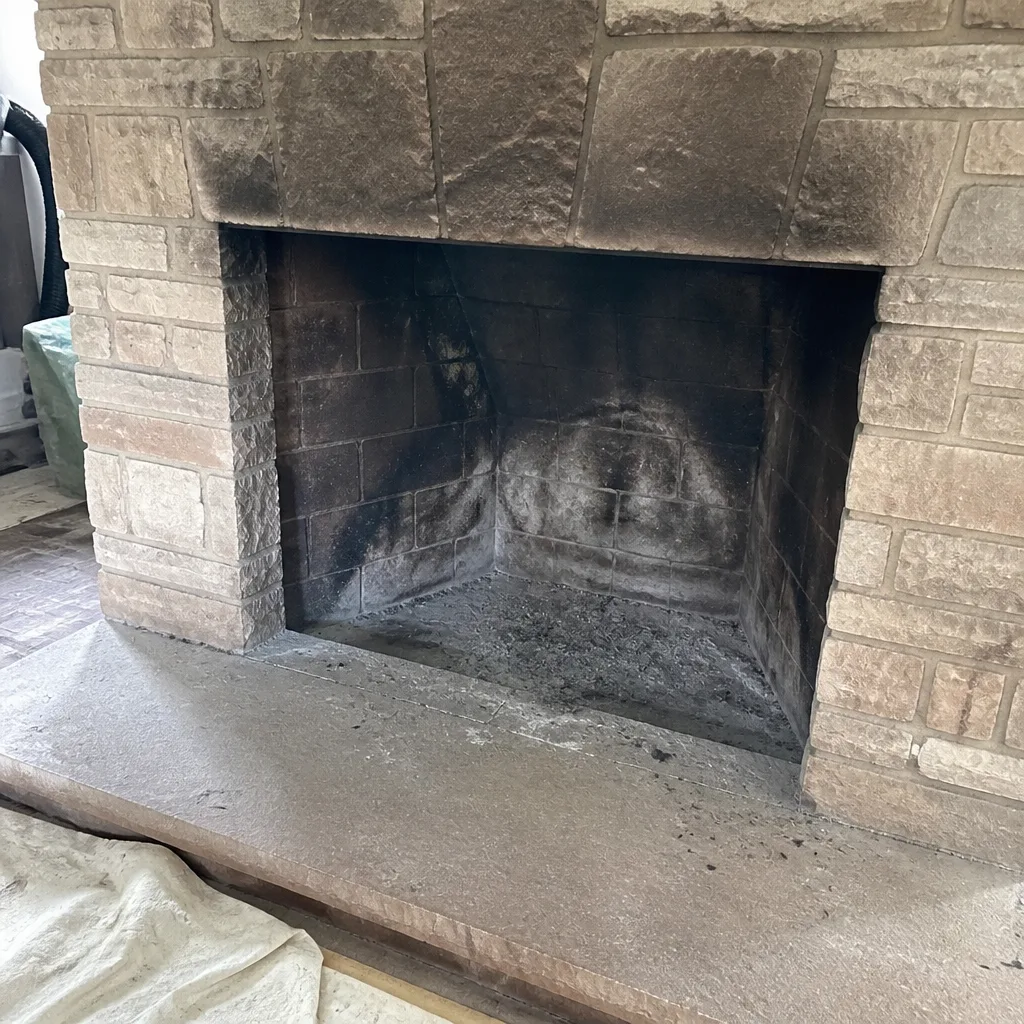 Before
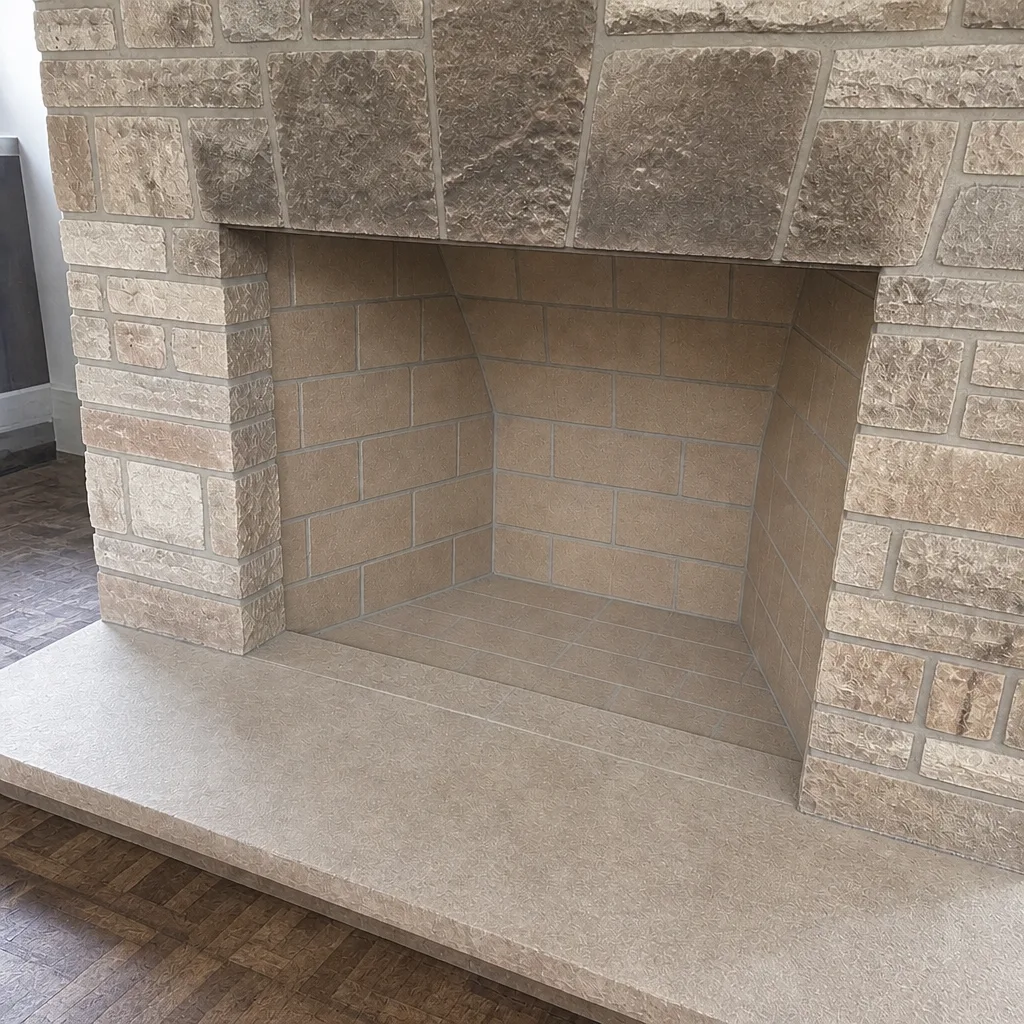 After
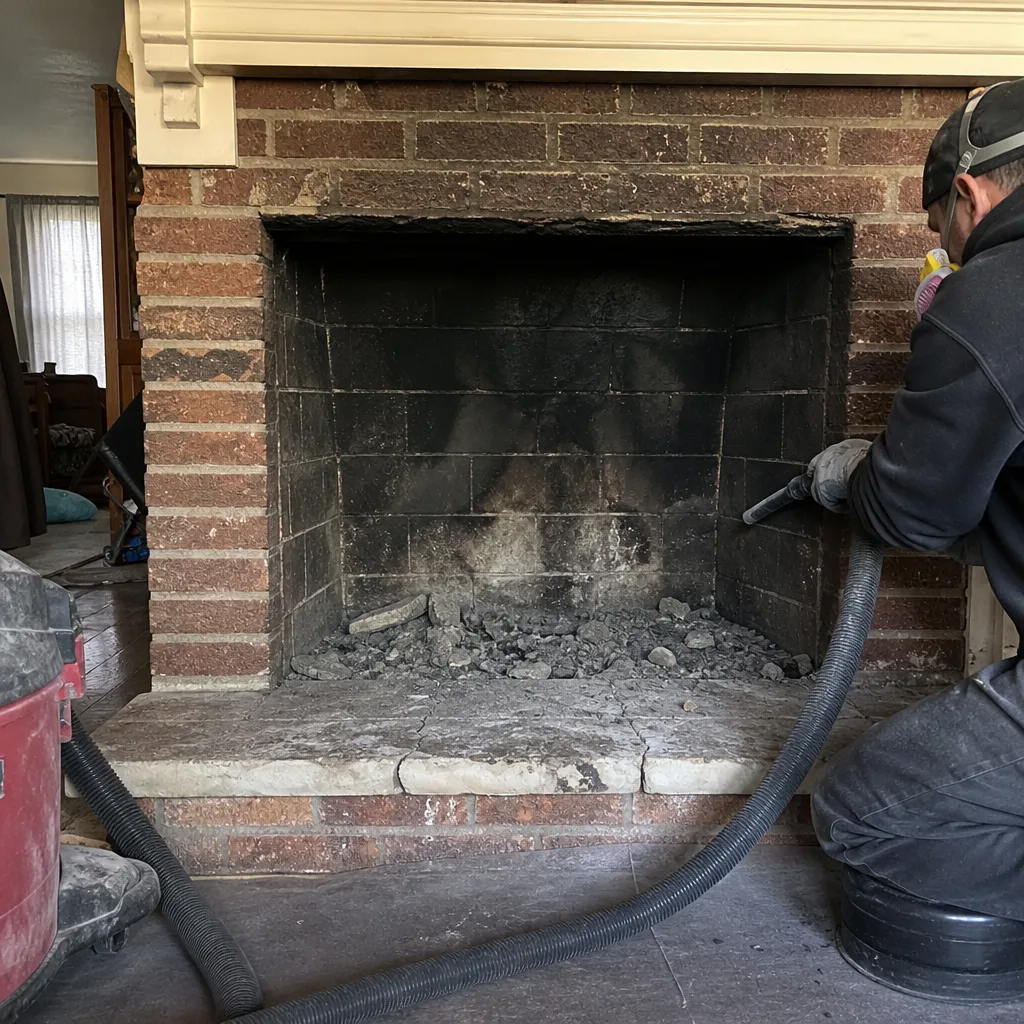 Before
 After
 Before
 After
When to Call a Professional
Call us if any tier-one sign is present, if you can’t remember the last time the chimney was swept, if you’ve moved into a house and the chimney history is unknown, if you’re seeing efflorescence, spalling, or a cracked crown, or if the fire just doesn’t draft the way it used to. Call us if you’re smelling smoke in the house without a fire burning. Call us before the next season, not after the first cold night when the whole neighborhood is trying to get on the schedule at the same time. Chimney Sweep Park Hill offers free estimates in Park Hill. Call (877) 770-1914. We answer 24/7. Fast dispatch from 7am to 7pm, Sunday through Friday. The written estimate sets the price, and the estimate is free.
Frequently Asked Questions
A smoky smell in the house with no fire burning is the most urgent sign, because it usually means the draft is failing and that becomes a carbon monoxide concern as soon as you light a fire. The second most urgent is smoke spilling back into the room with the fireplace lit. Both are tier-one signs: stop using the fireplace and book an inspection. Call (877) 770-1914 for an exact quote on the inspection – estimates are free.
White powder on chimney brick is efflorescence, and it means moisture is moving through the masonry and leaving salt deposits behind. It’s not a cosmetic stain; it’s evidence of water getting in, most often from a failed crown, a missing cap, or a failed mortar joint. Fixing the source is the only fix that lasts. If you’re seeing it on your Park Hill chimney, that’s a schedule-within-30-days sign.
Cleaning a chimney is not a routine DIY job, because the sweep is only half the work. The other half is inspecting the flue, smoke chamber, damper, and crown for conditions a homeowner can’t see from the firebox. If you’re asking because the chimney is due, that’s the visit. Book it and let the sweep clean the flue while the inspection documents condition. You’ll get photos and honest recommendations, and if something can wait, we’ll tell you it can wait. Call (877) 770-1914 for an exact quote – estimates are free.
Once a year for most wood-burning fireplaces used through a full season, and sooner if any warning sign from this guide shows up. Burning unseasoned wood, skipping a season, or moving into a house with an unknown chimney history are all reasons to book the sweep before the next burn season. Annual service is a whole-system check, not just a flue brush.
Tree branches can cause draft problems, but the branches themselves aren’t usually the cause. Nearby canopy can change how wind moves over and around the chimney, which shows up as a fire that won’t draw on certain wind directions. The fix isn’t cutting trees; it’s making sure the cap, crown, and stack height are right, and ruling out an obstruction inside the flue before assuming trees are the cause.
You won’t be told you need work without camera evidence you can see for yourself. Photos and video from the inspection go into the report, and nothing gets recommended that isn’t shown. If the flue tiles are deteriorated but not failed, HeatShield liner restoration may be an option that avoids a full liner replacement. If a repair can safely wait until next season, we’ll say so. Call (877) 770-1914 for an exact quote – estimates are free.
The Bottom Line
Warning signs come in tiers, and the tiers matter more than the signs. Tier-one signs (smoke spillback, unexplained smoky smells, glazed creosote, firebox cracks, any CO alarm event) mean stop using the fireplace. Tier-two signs (efflorescence, spalling, cap damage, a stiff damper, a crack in the crown) mean schedule within the month. Tier-three signs can go into the annual service visit, which is the right time to do a full-system check anyway. If you’re unsure which tier you’re in, run the seven-item pre-season checklist. If anything fails, book the visit and let the inspection decide. Chimney Sweep Park Hill is a specialist, not a side service: inspection first, recommendations second, and camera evidence for anything structural.
Contact
If any of these signs sound familiar, book the inspection before the season starts. We sweep, inspect, repair fireboxes, restore and install liners with HeatShield and DuraFlex, and install and repair caps and crowns with Olympia Chimney and Gelco materials. From the firebox to the crown, one visit handles it. Chimney Sweep Park Hill offers free estimates in Park Hill. Call (877) 770-1914 for a free estimate. We answer 24/7. Fast dispatch from 7am to 7pm, Sunday through Friday. The written estimate sets the final price.
Written by the team at Chimney Sweep Park Hill.