
Last updated November 24, 2026
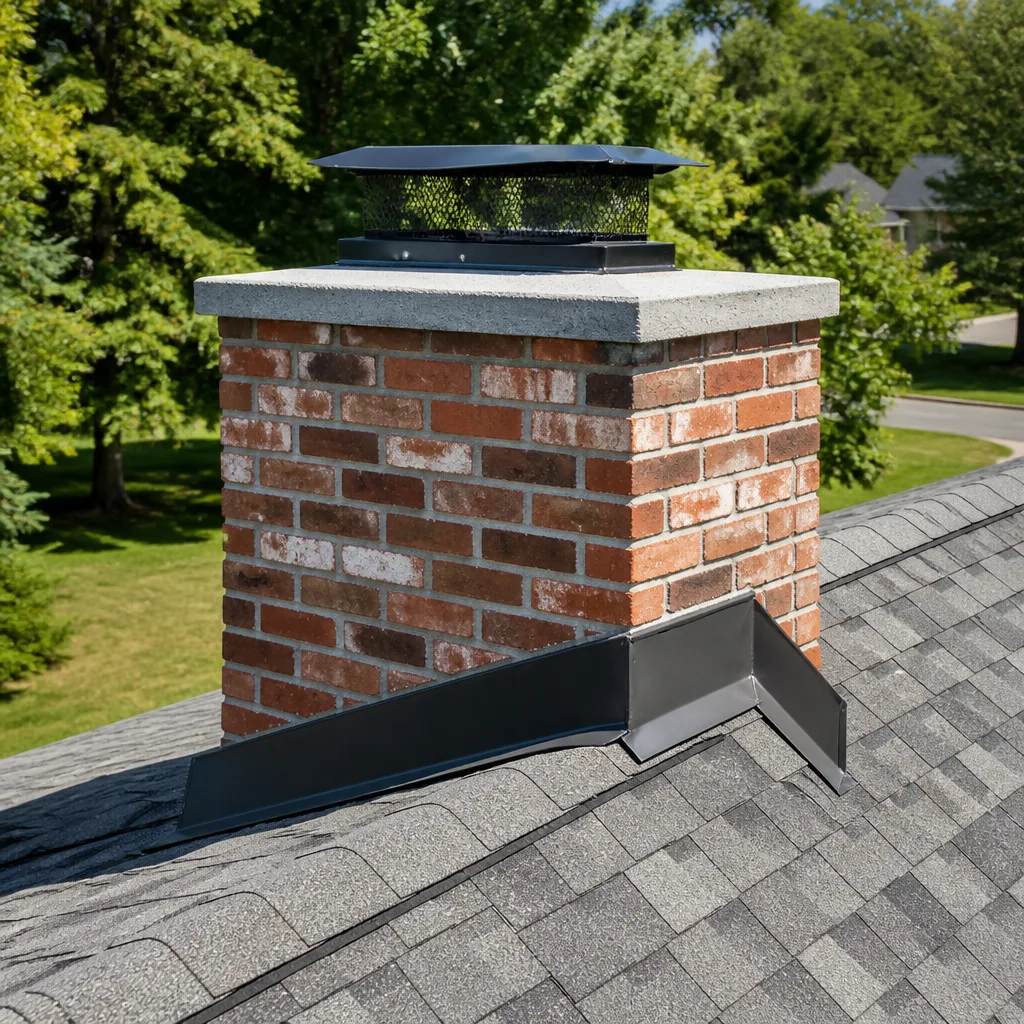 Sweep & inspection
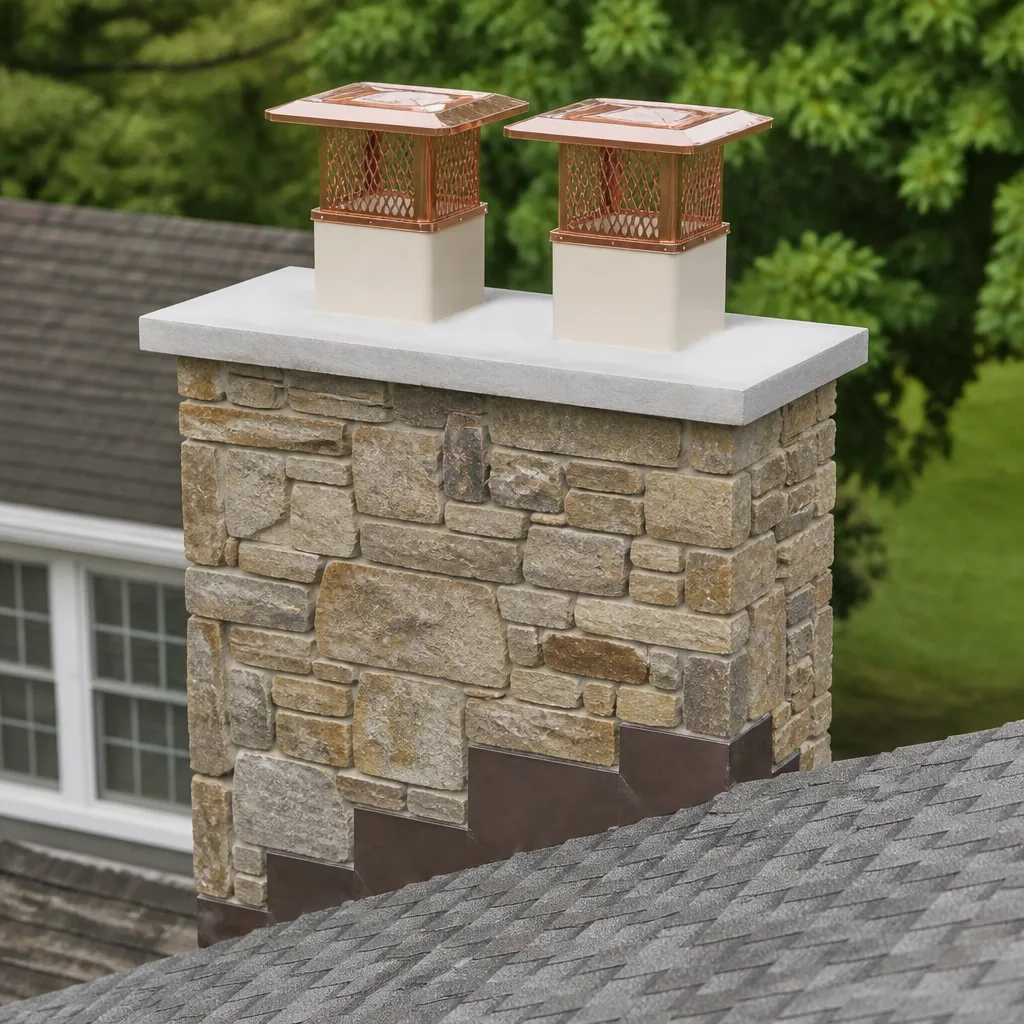 Caps & crowns
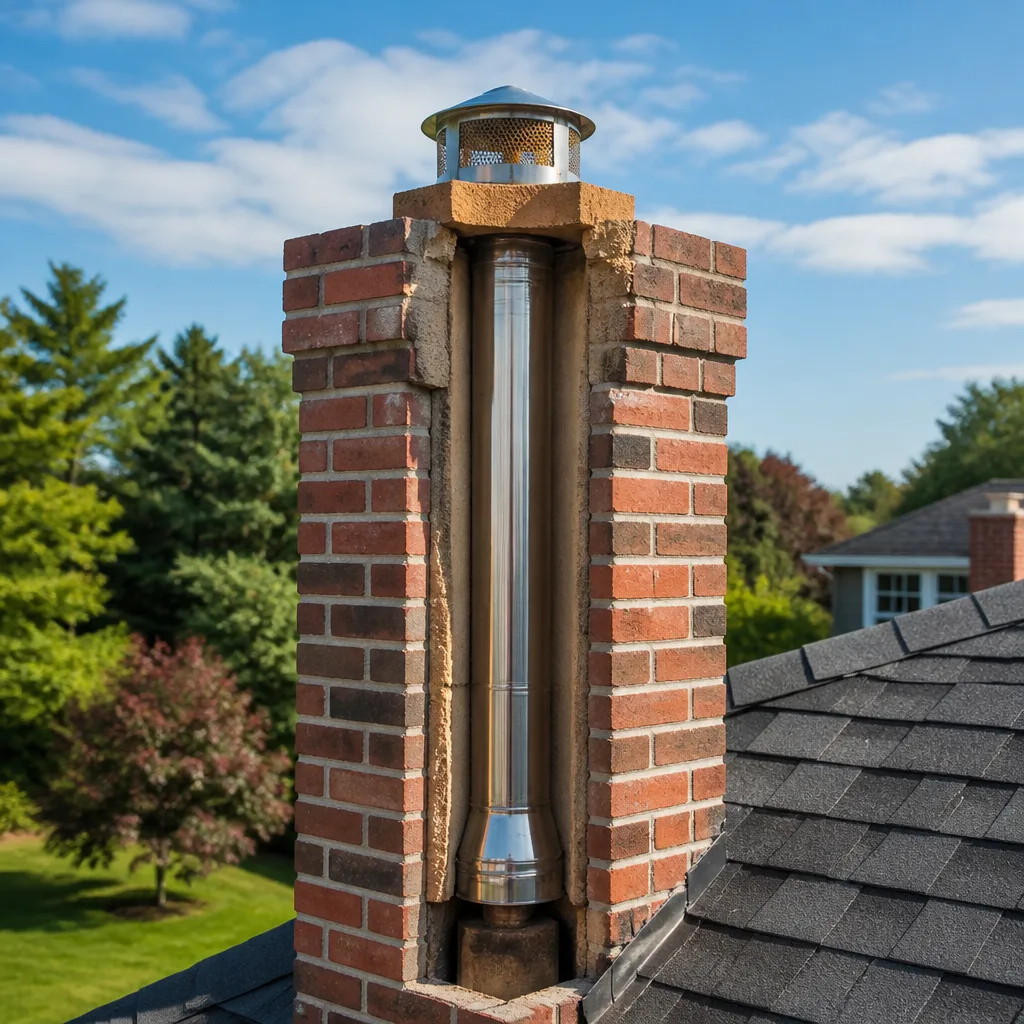 Flue relining
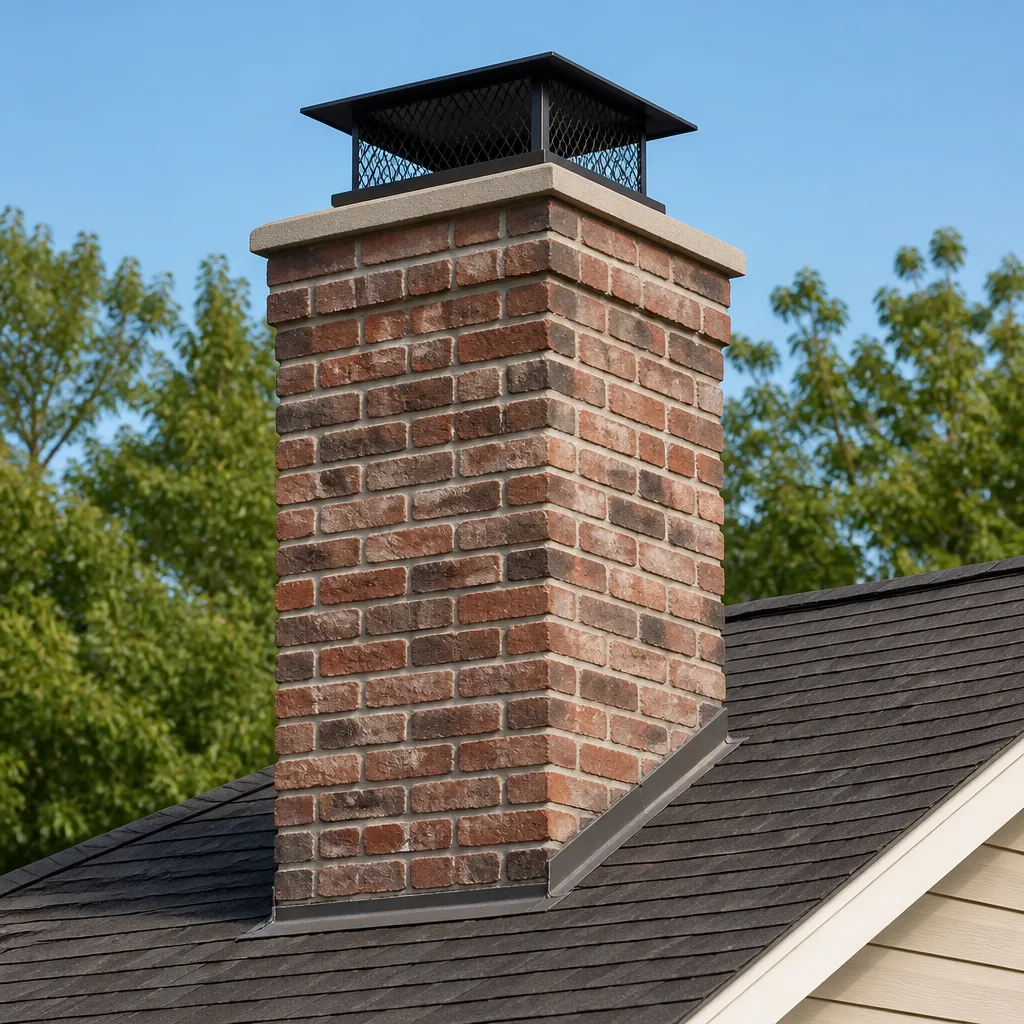 Masonry repair
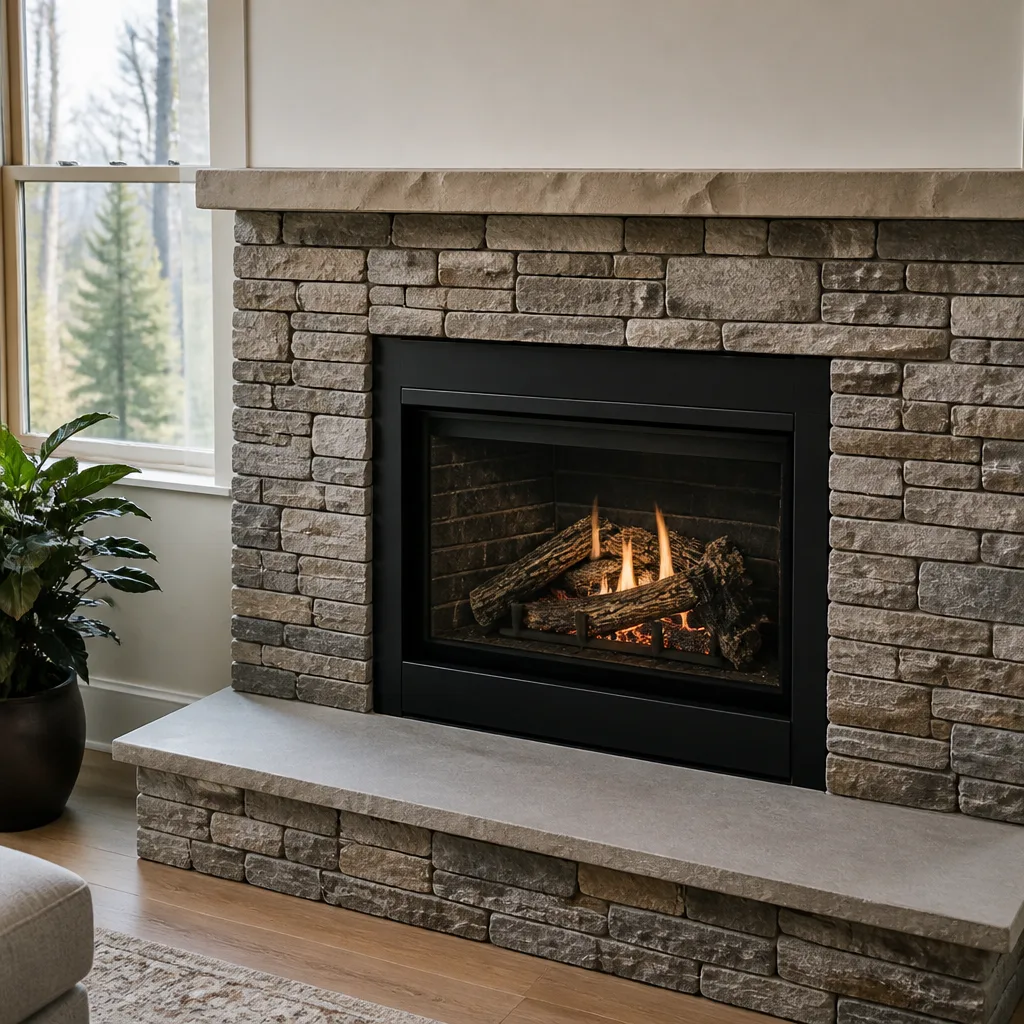 Gas fireplace service
Level 1 sweep and inspection to the NFPA 211 annual standard - flue, crown, cap, and flashing checked and photographed
Chimney sweep logs do not sweep chimneys. They loosen some creosote - which then falls where a brush and vacuum still have to collect it.
The Complete Guide to Chimney Cleaning in Park Hill
Most homeowners think a chimney cleaning is one job: a brush goes up, soot comes down, done. In Park Hill, that assumption is how a small maintenance item turns into a structural repair. This neighborhood has one of Denver’s highest concentrations of pre-1960 masonry chimneys, built before modern flue-sizing standards existed. A sweep checklist written for a 2005 suburban insert home doesn’t map onto a 1940s brick stack with original mortar and an undersized flue. A real cleaning here is a system with five distinct parts, and skipping any one is how a routine sweep becomes a liner replacement. This guide walks through each part, what it catches, how the local climate changes the picture, and how to read the report you get afterward.
Quick Answer
Chimney cleaning in Park Hill is a five-part service, not a single brush pass: sweeping, an inspection at the right level, a liner check, cap and crown review, and a smoke chamber assessment. Because so many Park Hill homes were built before 1960, proper cleaning also means confirming the flue is correctly sized and the liner isn’t already compromised. A sweep alone tells you the flue is cleaner; only the full sequence tells you it’s safe to use.
Styles & brands we work with
- Sweep & inspection
- Caps & crowns
- Flue relining
- Masonry repair
- Gas fireplace service
Table of Contents
- Why Park Hill’s Older Brick Chimneys Stage Creosote Differently
- The Five Components of a Complete Chimney Service
- How Altitude and Front Range Wind Affect Draft and Buildup
- What NFPA 211 Actually Requires (And What You’re Often Told)
- How to Read a Post-Service Report
- How Often Should a Park Hill Chimney Be Cleaned?
- What Chimney Cleaning Costs in Park Hill
- Common Mistakes to Avoid
Why Park Hill’s Older Brick Chimneys Stage Creosote Differently
Creosote buildup is a function of three things: flue temperature, flue geometry, and how long smoke lingers before it exits. In Park Hill’s pre-1960 masonry chimneys, all three behave differently than in a modern home. The flues are often larger than the appliance needs, which sounds like a good thing until you understand that a wide flue lets hot smoke cool and slow before it reaches the top. Cool smoke condenses on brick and clay tile, and that condensation is creosote.
The masonry itself matters too. Older Park Hill brick was laid with mortar that has had decades to weather. Small cracks and open joints give creosote a textured surface to grip. Where a newer factory-built metal flue is smooth and sheds deposits, aged clay tile is porous and holds them.
What this means in practice
- Glazed, tar-like third-degree creosote forms faster in oversized flues running cool fires.
- Clay tile liners in pre-1960 stacks often have hairline cracks that a brush never touches and a casual look never catches.
- Mortar joint deterioration at the smoke chamber is common in Park Hill’s housing stock and is a fire path, not a cosmetic flaw.
- Chimneys built for coal, later converted to wood, sometimes hold sizing that was never corrected for the new fuel.
This is why we don’t treat a Park Hill sweep as a quick brush-and-go. An oversized, aging masonry flue has specific failure modes, and a technician who only sweeps one is only addressing the surface of the problem. From the firebox to the crown, the whole assembly needs to be read, not just cleaned.
The Five Components of a Complete Chimney Service
A complete service has five parts. Each catches something the others miss. Treat any one as optional and you’ve left a gap in what you actually know about the chimney. Here’s what each one does.
- Sweep. Removes soot, ash, and creosote from the flue, firebox, and smoke shelf. This is the cleaning. It reduces the fuel load for a chimney fire, but it doesn’t tell you whether the flue is sound.
- Inspection. Level 1 for a routine annual check, Level 2 when there’s a change in fuel, appliance, or a real estate transaction, Level 3 when a hidden hazard needs access. The level determines how deep the look goes, including camera work inside the flue.
- Liner check. Confirms the flue liner is intact and correctly sized for the appliance. A cracked or undersized liner is the difference between a safe chimney and a carbon monoxide path into the home.
- Cap and crown. The chimney cap & crown keep water, birds, and debris out of a flue you just cleaned. A failed crown lets water into the masonry, and freeze-thaw cycling does the rest.
- Smoke chamber. The sloped transition above the damper. Rough or deteriorated parging here traps creosote right where the fire’s heat passes, which is why it’s one of the most common fire-start points.
Full lifecycle coverage under one roof means we can move from cleaning to repair to liner restoration without a referral gap. When a chimney sweep finds deteriorated flue tiles, we don’t hand you off to a masonry company and hope the scope survives the transfer.
How Altitude and Front Range Wind Affect Draft and Buildup
Denver sits at high altitude, and that changes how a wood fire burns. Thinner air holds less oxygen per cubic foot, so a fire needs more draft to pull in the same amount of combustion air. A chimney that drafts adequately at sea level can run sluggish here. Sluggish draft means smoke lingers, cools, and deposits more creosote on the way out.
The Front Range wind pattern adds a second variable. Chinook winds and the sharp pressure swings that come with them push against the chimney top. On a windy day, a marginal chimney can backdraft, pushing smoke back into the room. On a calm day, the same chimney burns acceptably. That inconsistency is easy to dismiss as a one-off, but it’s often the sign that the flue geometry or cap is wrong for the house.
Signs your draft is being affected
- Smoke rolls out of the firebox on startup instead of going up.
- The fire burns lazy and smolders even with dry wood.
- You smell smoke in the room after the fire dies down.
- Draft problems show up on windy days but not calm ones.
- Creosote builds faster than the number of fires would suggest.
A properly sized cap helps here. So does confirming the flue matches the appliance. A Chimney Sweep Park Hill inspection reads draft alongside geometry, so we’re not guessing at why a fire runs cold. Altitude and wind are constants in Park Hill. The chimney needs to be built and sized to work with them, not against them.
What NFPA 211 Actually Requires (And What You’re Often Told)
NFPA 211 is the standard for chimneys, fireplaces, vents, and solid fuel appliances. What it actually requires is more modest, and more specific, than a lot of homeowners are led to believe. Knowing the difference protects you from being sold work you don’t need, and helps you recognize the work you do.
NFPA 211 calls for chimneys to be inspected and cleaned as needed, based on use and condition, not on a fixed mandatory cleaning interval. It sets requirements for liner condition, clearance to combustibles, and the soundness of the flue. It does not say every chimney needs a new liner every few years, and it doesn’t mandate a specific number of sweeps per season regardless of how the chimney is used.
What you’re often told vs. what the standard says
- Told: “You need a full liner replacement.” Standard: only if the liner is actually deteriorated or mis-sized; a HeatShield restoration can often address cracked tiles without demolition.
- Told: “Sweep it twice a year no matter what.” Standard: clean as needed, which depends on fuel, burn habits, and what the inspection finds.
- Told: “The cap is fine.” Standard: the crown and cap are checked as part of a complete assessment, because water intrusion damages masonry from the inside.
- Told: “Level 1 is all you need.” Standard: Level 2 applies when the fuel or appliance changes or a property is sold, and it’s the level that finds hidden liner problems.
Inspection first, recommendations second. That order matters most in older Park Hill homes, where the honest answer is sometimes that a liner is fine and a repair can wait. We carry HeatShield so you may not need a full liner replacement, and we’ll tell you when the flue just needs a sweep and a monitoring plan.
How to Read a Post-Service Report
A post-service report should let you verify the work, not just take it on faith. If you finish a cleaning and all you have is a receipt, you don’t know what was checked. Here’s how to read a report that actually tells you something.
- Look for the inspection level. Level 1, 2, or 3 should be stated. If it’s not, ask what level was performed and why.
- Check for liner condition language. A sound liner should be described as sound. A deteriorated or cracked liner should be described with its location and extent.
- Read the cap and crown notes. Rusted caps, cracked crowns, and missing screens are common and cheap to fix compared to water damage later.
- Confirm the smoke chamber was assessed. A report that only mentions the flue has skipped a common fire path.
- Look for photos or camera evidence. Any recommendation for repair or liner work should be backed by something you can see.
- Note the “monitor” items. A good report distinguishes “fix now” from “watch this,” which is a mark of an honest technician.
If a report recommends thousands of dollars of liner or masonry work with no evidence attached, ask to see it. Nothing should be recommended that you can’t verify yourself. In our experience, the technician who shows you the photos is the one you can trust with the repair.
How Often Should a Park Hill Chimney Be Cleaned?
For most Park Hill homes burning wood regularly through the heating season, an annual inspection with cleaning as needed is the right baseline. NFPA 211 ties it to use and condition, so a home that burns a cord a year and a home that burns a few fires a month are on different schedules. The annual inspection is the constant; the cleaning frequency follows from what it finds.
- Heavy wood use: inspect annually, and expect cleaning to be part of most visits.
- Occasional wood use: annual inspection; cleaning when creosote accumulates to a level that warrants it.
- Gas fireplace: still inspect annually for venting and debris, even though there’s no creosote from wood.
- After any chimney fire, fuel change, or appliance swap: a Level 2 inspection regardless of the calendar.
- Before buying a home in Park Hill: a Level 2 inspection protects both sides of the transaction.
The seasonal nudge is real: a sweep booked before burning season means you start the cold months with a clean flue and a known condition. It also means a repair found in the fall gets done before the first hard freeze, which matters more in a Park Hill masonry chimney than most homeowners realize.
What Chimney Cleaning Costs in Park Hill
Chimney cleaning in Park Hill typically ranges from about $150 to $350 for a standard sweep and Level 1 inspection, with Level 2 inspections and any liner or cap work quoted separately after the technician sees the flue. The final price is set by the written estimate, and the estimate is free. The range depends on the flue’s access, how much creosote has built up, and whether the chimney has a cap that has to come off for the sweep.
| Service | Typical estimated range |
|---|---|
| Standard sweep + Level 1 inspection | $150 – $350 |
| Level 2 inspection (camera, fuel change, sale) | Quoted after the flue is assessed |
| Liner restoration (HeatShield) | Quoted per flue after inspection |
| Cap and crown repair or install | Quoted per chimney after inspection |
Notice what isn’t on that table: a hard number for liner work. It’s the right call in Park Hill’s older housing stock, because a pre-1960 flue can be in very different shape from one house to the next. A flat price offered over the phone, before anyone has seen the flue, is a number that gets revised once the technician is on the roof. We’d rather quote from what we actually found.
When a repair is recommended, ask whether it can safely wait. Sometimes the answer is yes, and a cap replacement this fall and a liner restoration next spring is the honest plan. Call (877) 770-1914 for an exact quote. We answer 24/7. Fast dispatch from 7am to 7pm, Sunday through Friday.
Common Mistakes to Avoid
- Treating the sweep as the whole job. A clean flue with a cracked liner is still a hazard. The sweep removes fuel; the inspection and liner check tell you whether the flue can safely carry smoke.
- Skipping the cap because the chimney “looks fine.” A missing or rusted cap lets water into the masonry, and in a Park Hill freeze-thaw winter that water does damage a sweep never sees. Cap and crown work prevents the repair rather than chasing it.
- Assuming a larger flue drafts better. In older masonry chimneys, an oversized flue cools smoke and speeds creosote buildup. Bigger is not safer here.
- Accepting a liner replacement quote with no evidence. Ask to see the camera footage or photos. Anyone recommending thousands of dollars of liner work should be able to show you why, and HeatShield restoration is often the better answer than demolition.
- Burning unseasoned wood to “get through” the season. Green wood makes smoke that cools fast and deposits heavy creosote, and a high-altitude fire already runs short on oxygen. Dry wood protects the flue.
- Ignoring draft problems on windy days. Backdraft on chinook days is a symptom, not bad luck. It often points to flue sizing or a cap that’s wrong for the house.
- Skipping the Level 2 inspection at a home sale. A standard sweep won’t find a hidden liner defect. In Park Hill’s older homes, the Level 2 is where the surprises show up, and better for the seller that they show up before closing.
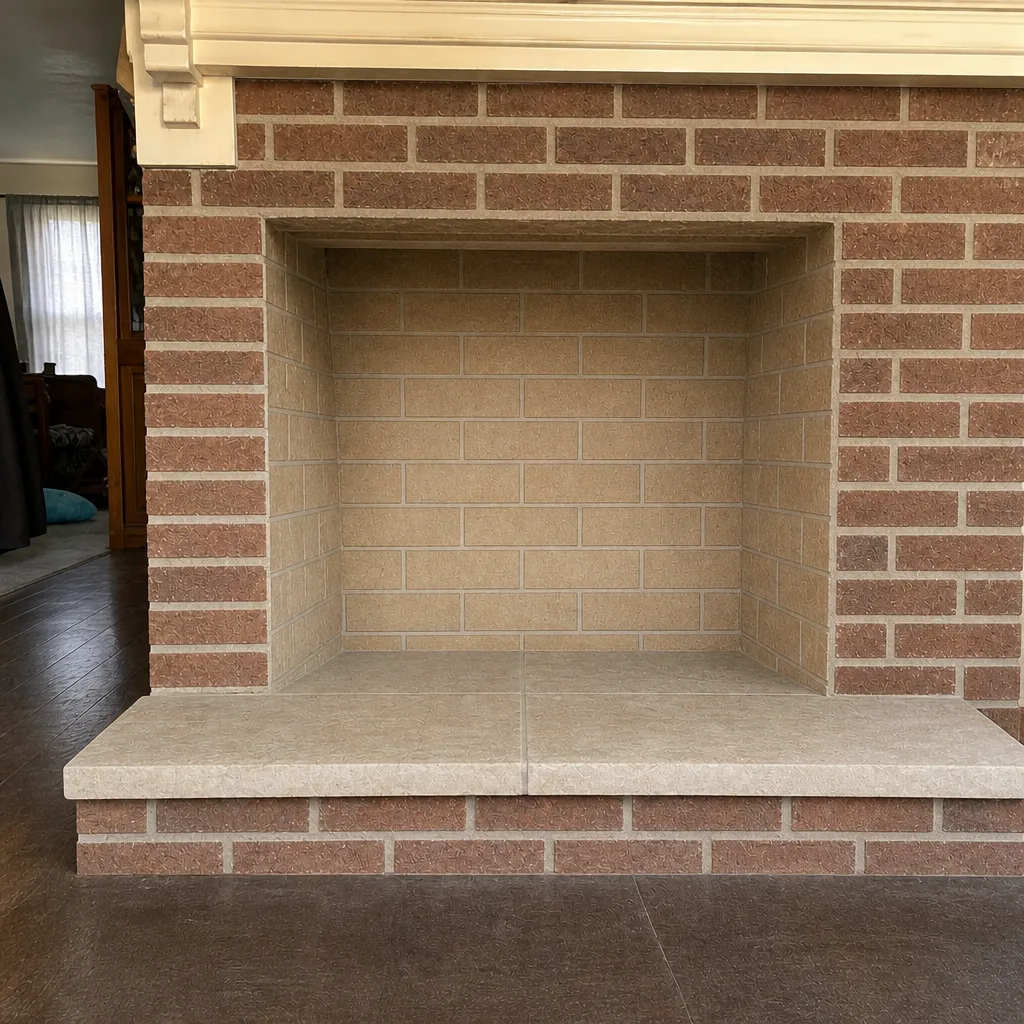
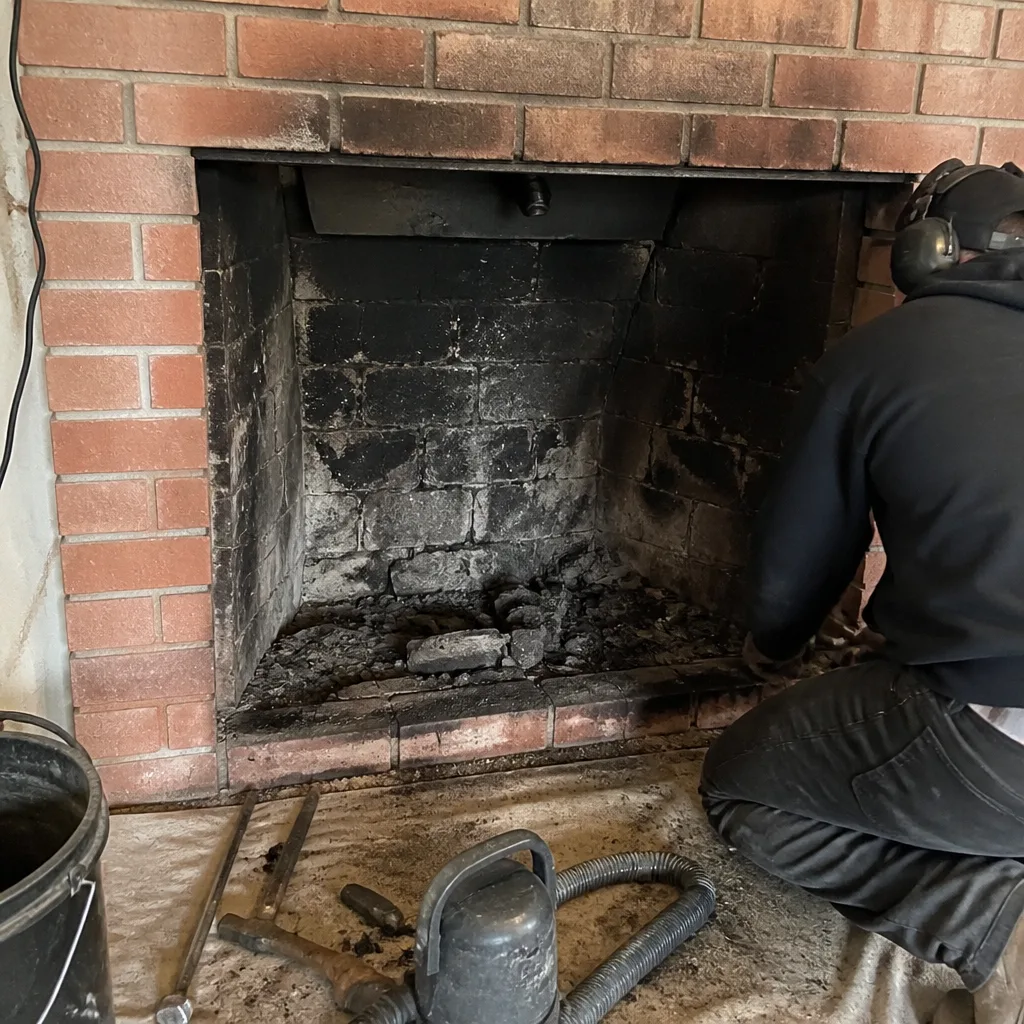
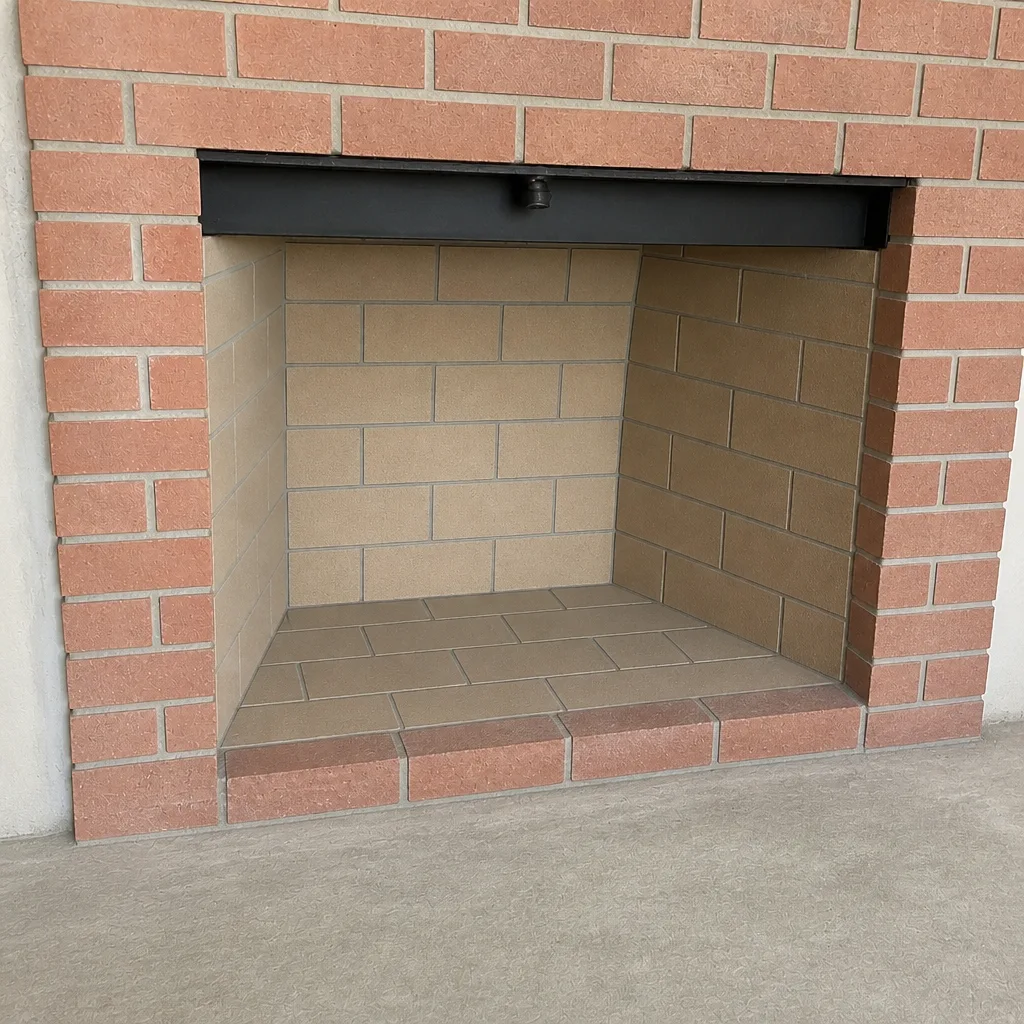
See the difference
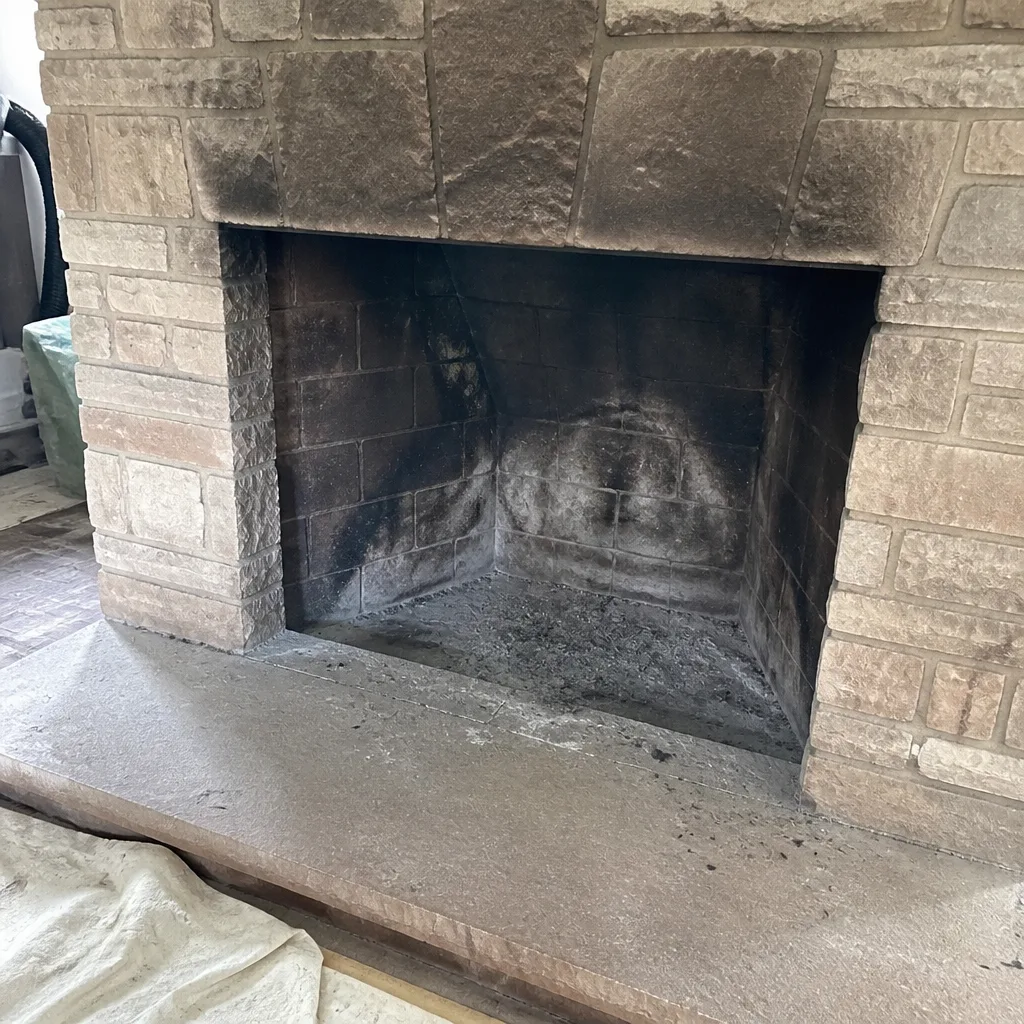 Before
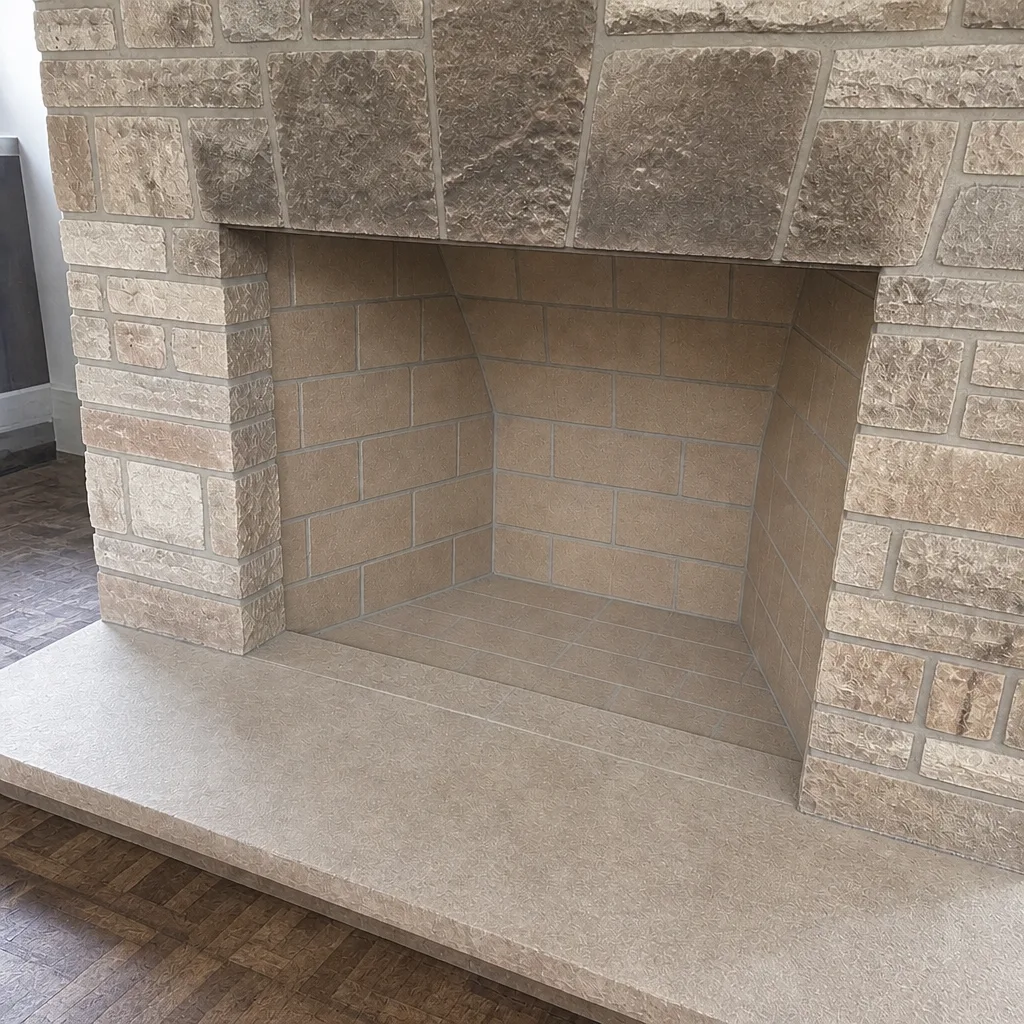 After
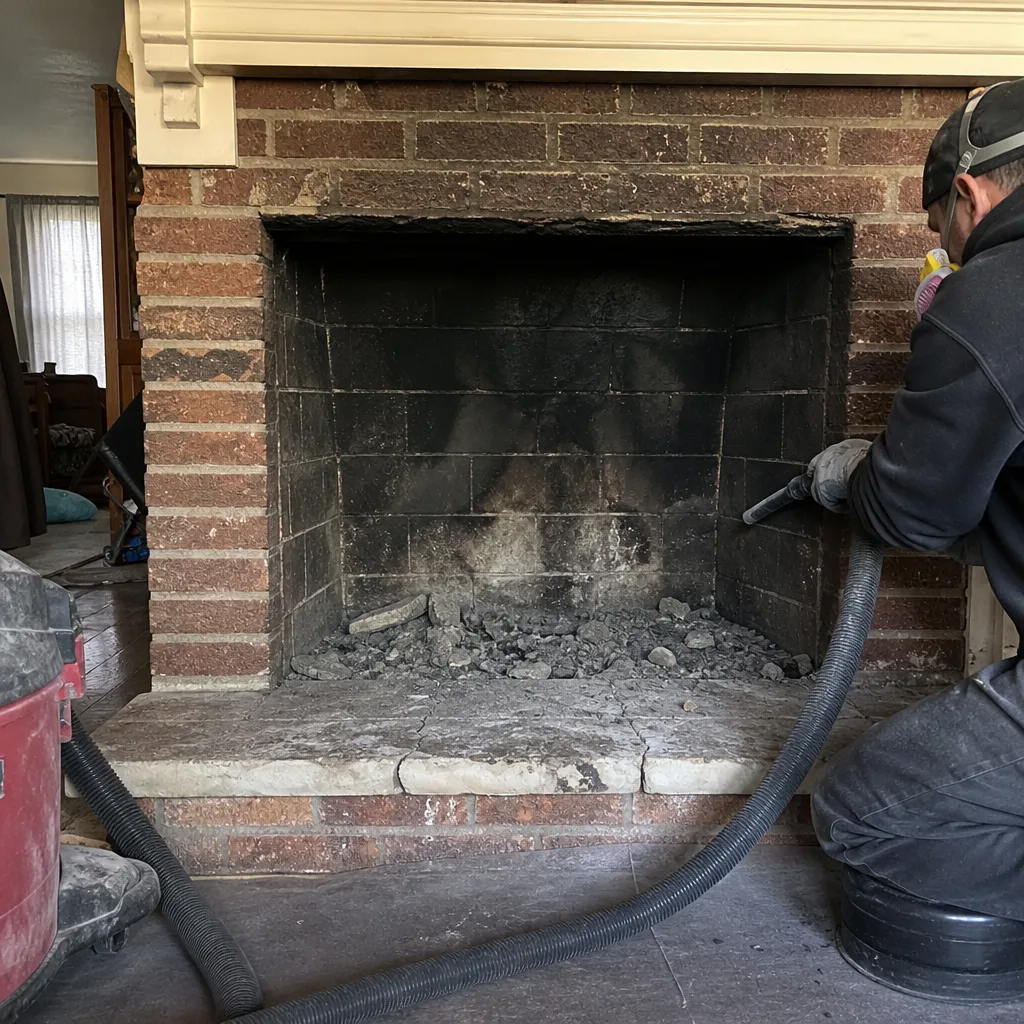 Before
 After
 Before
 After
When to Call a Professional
Call a professional when a fire backdrafts or smokes into the room, when you smell smoke after the fire is out, when there’s been a chimney fire of any size, or when you’ve changed fuel or appliance and the flue hasn’t been re-inspected. Call if the cap is missing or rusted through, or if the crown is cracking. And call if it’s simply been a while and you don’t have a record of the last inspection. These are the situations where a Level 1 or Level 2 inspection earns its keep, because the problems that matter are usually the ones you can’t see from the hearth.
Chimney Sweep Park Hill offers free estimates in Park Hill. Call (877) 770-1914. We answer 24/7. Fast dispatch from 7am to 7pm, Sunday through Friday.
Frequently Asked Questions
A standard sweep with a Level 1 inspection in Park Hill typically runs about $150 to $350, and the final price is set by the written estimate. Liner restoration and cap or crown work are quoted separately after the technician assesses the flue. Call (877) 770-1914 for an exact quote. Estimates are free, and we answer 24/7. Fast dispatch from 7am to 7pm, Sunday through Friday.
Not always. A liner needs replacing only if it’s genuinely deteriorated or undersized for the appliance, and HeatShield restoration can often repair cracked flue tiles without full demolition. The honest answer comes from a Level 2 inspection with camera evidence you can see. Call (877) 770-1914 and we’ll show you what we find before recommending anything.
Inspect annually and clean as needed, which for most wood-burning Park Hill homes means cleaning is part of most inspection visits. NFPA 211 ties the schedule to use and condition, not a fixed interval. A high-use household needs more attention than one that burns a few fires a month. Call (877) 770-1914 to book an inspection and get a real answer for your flue.
Creosote accumulates, and glazed creosote is the fuel for a chimney fire. A cracked liner or deteriorated smoke chamber also gives combustion gases a path that isn’t the flue. None of that announces itself before it matters. A sweep and inspection catch it early, when the fix is small. Call (877) 770-1914. Estimates are free.
Yes. A gas fireplace doesn’t produce wood creosote, but it still needs annual inspection for venting, debris, and the condition of the flue and cap. Skipping it leaves the venting unchecked, which is the part that matters for a gas appliance. Call (877) 770-1914 to schedule an inspection, and we’ll tell you what your setup actually needs.
Often, yes. HeatShield restoration resinates cracked or deteriorated flue tiles from the inside, which addresses the problem without demolition in many cases. Whether it’s the right fit depends on the extent of the damage and the flue’s condition, which is what the inspection determines. Call (877) 770-1914 for a free estimate in Park Hill.
The Bottom Line
Chimney cleaning in Park Hill is a five-part service: sweep, inspection, liner check, cap and crown review, and smoke chamber assessment. The older masonry housing stock, the altitude, and the Front Range wind all push a chimney harder than a modern suburban flue, which is why a generic sweep isn’t enough here. Inspection comes first and recommendations come second, backed by evidence you can see. Trade-grade materials like HeatShield, DuraFlex, and Famco mean repairs are built to last. Book before burning season and start the winter with a flue you actually know the condition of.
Call Chimney Sweep Park Hill at (877) 770-1914 for a free estimate. We answer 24/7. Fast dispatch from 7am to 7pm, Sunday through Friday. For fireplace work, see our fireplace repair service, because a clean flue and a sound firebox belong together.
Written by the team at Chimney Sweep Park Hill.