
Last updated November 24, 2026
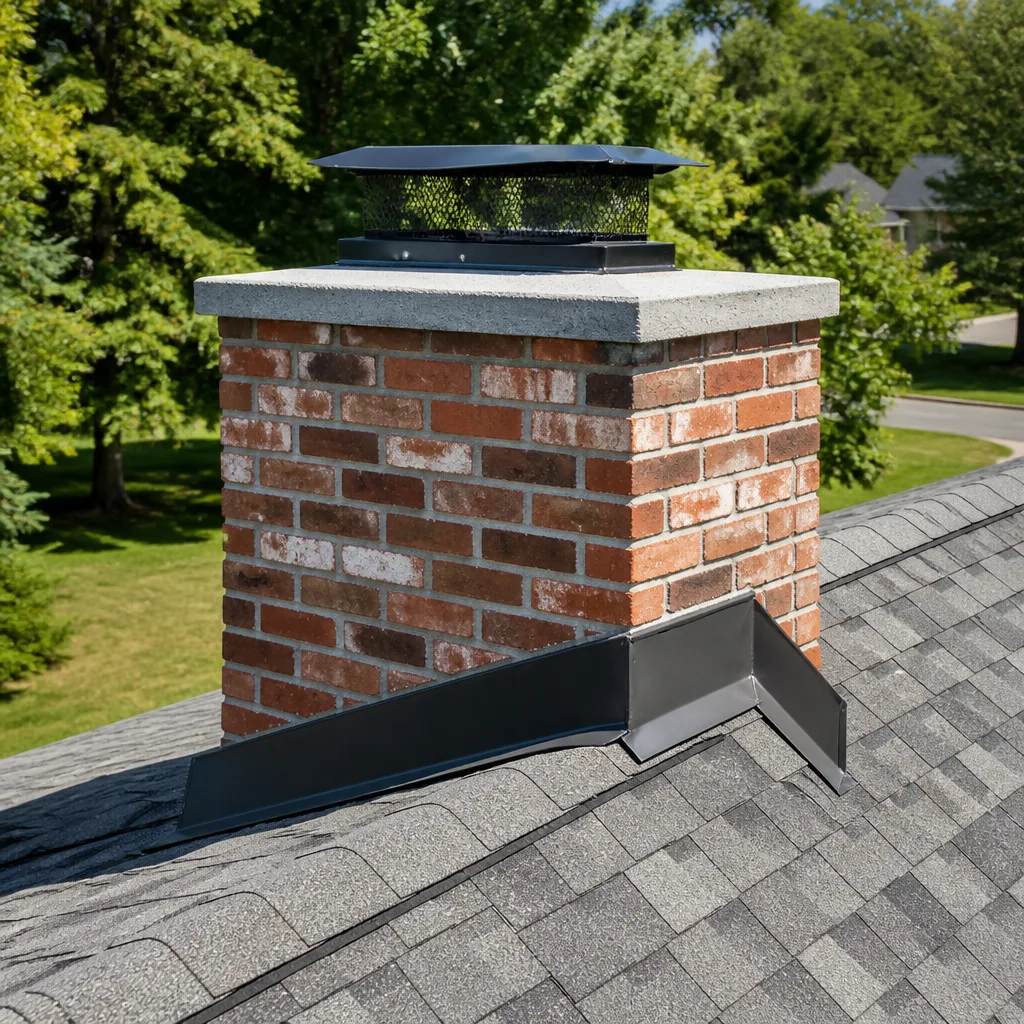 Sweep & inspection
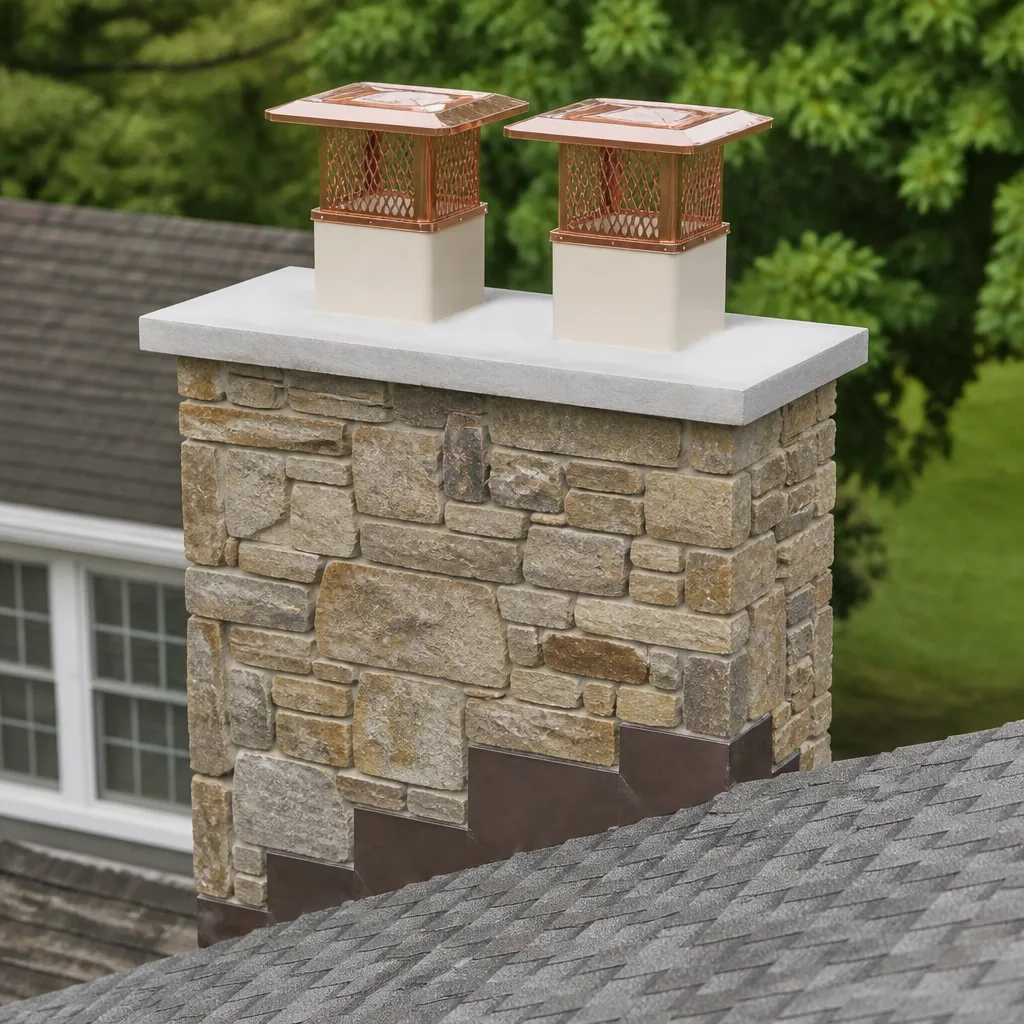 Caps & crowns
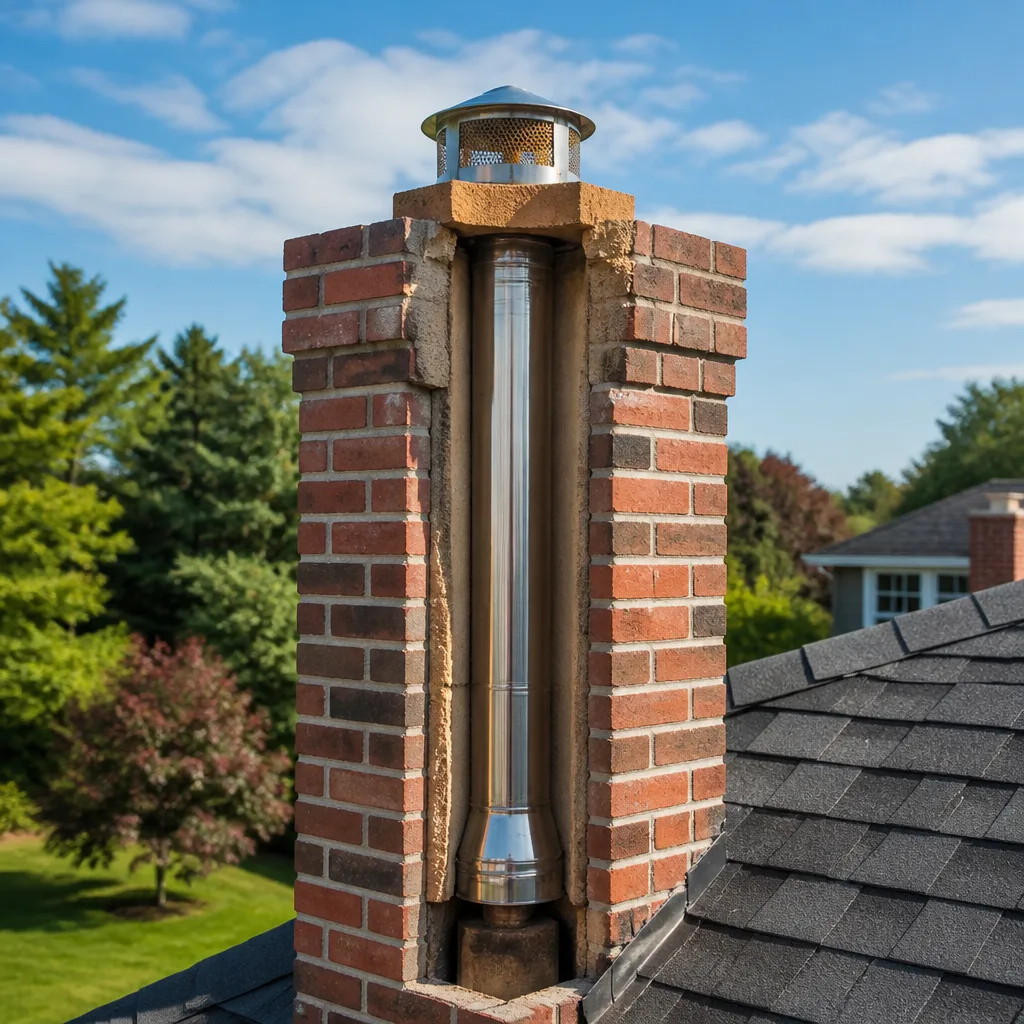 Flue relining
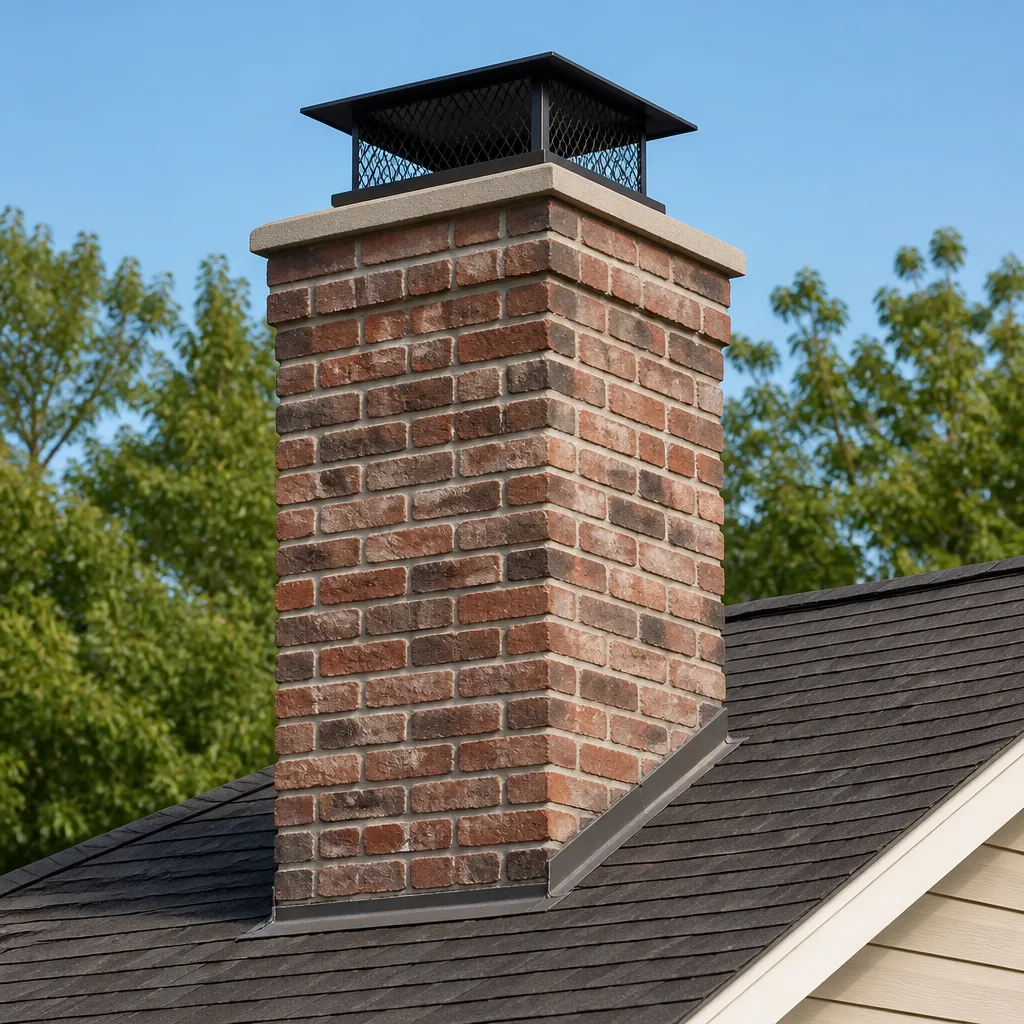 Masonry repair
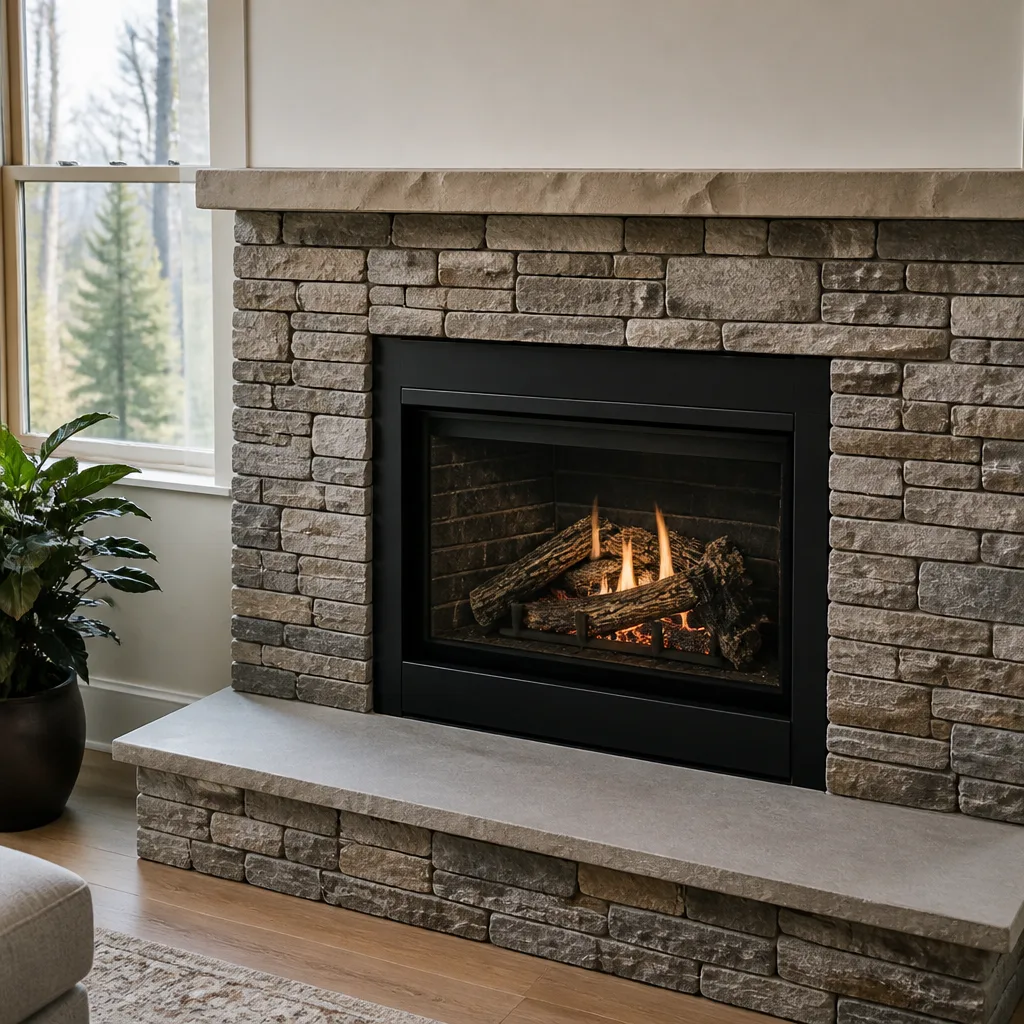 Gas fireplace service
Level 1 sweep and inspection to the NFPA 211 annual standard - flue, crown, cap, and flashing checked and photographed
Chimney sweep logs do not sweep chimneys. They loosen some creosote - which then falls where a brush and vacuum still have to collect it.
DIY vs Professional Chimney Cleaning: The Park Hill Homeowner’s Decision Guide
A $40 chimney brush kit will remove surface-level soot from a flue. What it cannot touch is the Stage 2 and Stage 3 creosote that actually causes most chimney fires, the glazed, tar-like deposit that bonds to tile and requires chemical treatment or mechanical removal no consumer tool can produce. Most of the DIY-versus-pro debate online focuses on whether a homeowner can push a brush up a chimney. That’s the easy part. The real question is whether the work getting done is the work that needs doing in your flue. This guide breaks down what consumer equipment can and can’t accomplish, why creosote staging matters, what older Park Hill flues hide, and how to decide honestly which route fits your chimney.
Quick Answer
DIY chimney cleaning is only a rational choice when your flue has light Stage 1 soot, is fully lined with sound tile, and you have a clear straight run from firebox to cap. For any chimney in Park Hill’s older housing stock with an unlined, offset, or mortar-deteriorated flue, the inspection portion of a professional sweep is worth more than the cleaning itself, and that portion has no DIY equivalent. A professional sweep buys you a documented assessment of the whole system, not just a cleaner flue.
Styles & brands we work with
- Sweep & inspection
- Caps & crowns
- Flue relining
- Masonry repair
- Gas fireplace service
Table of Contents
- What Consumer Tools Can Actually Do
- Creosote Staging: The Core Variable
- Why Park Hill Flues Are a Special Case
- What You’re Actually Buying With a Professional Sweep
- The Five-Step Decision Framework
- Park Hill Climate, Burn Habits, and Creosote Load
- Common Mistakes to Avoid
- When to Call a Professional
What Consumer Tools Can Actually Do
A homeowner with reasonable caution can accomplish a limited but real amount of chimney maintenance. Polypropylene brushes, fiberglass rods, a shop vacuum with a HEPA filter, drop cloths, and proper eye and respiratory protection are enough to knock loose soot off the flue walls of a straight, sound, lined chimney. That’s the honest ceiling of consumer capability. Understanding where that ceiling sits is the whole point.
Here’s what consumer equipment is capable of:
- Removing Stage 1 soot from a flue with a clear, straight run from the firebox to the top of the stack.
- Cleaning the smoke chamber area immediately above the damper with a hand brush.
- Vacuuming loose ash and soot from the firebox floor after sweeping.
- Removing a bird’s nest or light debris from a flue with a straight vertical path.
- Confirming the cap is present, attached, and free of obvious damage.
Here’s what consumer equipment cannot do, and this is where DIY marketing quietly stops talking:
- Break down glazed Stage 3 creosote. That requires a rotary head, chemical treatment, or both, and the tools aren’t sold at hardware stores.
- Navigate an offset flue. If the chimney bends anywhere along its run, brush rods jam or deflect and no amount of consumer effort gets them around the bend cleanly.
- Inspect the flue interior. You need a camera to see tile cracks, gaps at joints, and mortar loss that are invisible from below and dangerous to leave unaddressed.
- Restore deteriorated flue tiles. Liner restoration systems like HeatShield are applied by trained technicians and have no consumer equivalent.
- Assess the crown, flashing, and cap as a system. Water intrusion almost always starts at the top and works down, and a brush doesn’t touch the top.
In our experience, homeowners who come to us after a DIY attempt usually did the cleaning they could see and missed the problems they couldn’t. Call Chimney Sweep Park Hill if you’re not sure which side of that line your chimney falls on.
Creosote Staging: The Core Variable
The creosote staging system is the single most important thing to understand when deciding whether to sweep your own chimney. Creosote forms in three recognizable stages, and only the first is a do-it-yourself candidate. Here is how the stages break down, and what each one requires.
- Stage 1 creosote: A light, flaky, soot-like deposit that wipes off with a brush. It’s what builds after a chimney has burned reasonably dry wood at reasonable temperatures. A polypropylene brush removes it effectively. This is the only stage where DIY cleaning is a rational choice.
- Stage 2 creosote: A crunchy, hardened deposit, sometimes with a thin glaze, that clings to the flue wall and requires more than a straight brush to move. It often signals a chimney that has been run cool, or one burning wood that wasn’t fully seasoned. Consumer brushes quickly skate over it rather than remove it. Mechanical rotary tools or chemical treatments are usually needed.
- Stage 3 creosote: A thick, tar-like, glazed layer that bonds to the flue tile and can harden to the point of looking like a surface coating. This is the deposit that fuels most serious chimney fires. Removing it takes chemical treatment plus mechanical action, and sometimes a liner replacement if the glaze has penetrated cracks in the tile. There is no consumer-equipment path to removing Stage 3 creosote.
You cannot reliably tell from the firebox which stage your flue has reached. A camera run from the top or bottom shows the deposit clearly, and that’s the only honest basis for deciding whether your chimney is a DIY job. A professional sweep with a camera gives you that answer in a few minutes. Homeowners in Park Hill who burn green wood, or who tamp the fire down for long overnight burns, tend to build Stage 2 and Stage 3 deposits faster than they expect.
The practical takeaway: if you don’t know your stage, you don’t know whether DIY is safe. That’s not a sales pitch, it’s a technical limit. Call (877) 770-1914 for a free estimate if you’d like the flue looked at before you decide.
Why Park Hill Flues Are a Special Case
Park Hill has a housing stock that spans roughly a century of construction, and that range matters enormously for chimney work. Chimneys from different eras were built to different standards. Some of the older ones in Park Hill were built before modern liner requirements existed at all, which means some flues are essentially brick passageways with no dedicated tile liner. Others have tile liners that were built well but have since aged through cycles of heat, moisture, and frost.
Here is what we regularly encounter when we open up a Park Hill chimney and what each condition means for DIY attempts:
- Unlined chimneys: Brick walls of the flue were considered acceptable in older construction. Sweeping one with a consumer brush risks dislodging mortar, and there is no interior liner to shield the surrounding structure from the heat of a creosote fire. An unlined chimney is never a safe DIY cleaning target because the flue surfaces themselves are the thing at risk.
- Offset flues: Many chimneys in Park Hill homes were built with a shoulder, where the flue shifts to one side between the firebox and the top. Consumer rods cannot navigate a shoulder cleanly. They jam, bend, or abrade the tile at the transition point. A rotary tool with a proper head follows the offset and cleans it correctly.
- Deteriorated mortar joints: Older tile flues develop gaps and loose mortar as they expand and contract. A brush dragged hard against a loose joint can knock tile pieces free, which then become a hazard inside the flue. A camera inspection first tells you the joints are sound; only then is any cleaning safe.
- Damaged or missing crowns: A crown is the sloped masonry cap at the top of the chimney that sheds water. When a Park Hill crown has cracked, water runs into the flue and mortar joints, accelerates deterioration, and creates the very conditions that make the flue risky to brush blind.
- Blocked or undersized caps: Caps that have been sitting on Park Hill chimneys for a decade or more sometimes have screens that have clogged with debris or birds. Clearing those is fine, but knowing whether the cap is the right size and material for the flue involves a look from the roof, not from the firebox.
If any of those conditions describe your chimney, DIY cleaning is at best ineffective and at worst actively damaging. That’s the honest version. Chimney sweep work in older homes is less about scrubbing and more about knowing what you’re scrubbing.
What You’re Actually Buying With a Professional Sweep
Homeowners often assume a professional sweep is a more expensive version of the same job they could do themselves. It isn’t. A professional sweep is a different service that happens to include a cleaning. When you book a proper sweep through a full-service chimney specialist, you’re buying four things the DIY route cannot deliver, and any one of them alone justifies the cost for most Park Hill homes.
- A documented inspection. A real sweep includes a visual inspection of the firebox, damper, smoke chamber, flue, cap, and crown, plus a camera run of the flue where needed. The inspection produces a written record of the chimney’s condition, with photos. That record becomes your reference point for every future decision about the chimney, and it’s the thing most homeowners are actually missing.
- Liability transfer. If a professional sweep dislodges a tile, cracks a joint, or identifies a defect, that’s on them to fix. If a homeowner does the same thing with a consumer brush, it’s on the homeowner, and the resulting repair is usually more expensive than the sweep would have been. This isn’t a scare tactic, it’s just how insurance and responsibility work when work is done on a building system.
- System-level assessment. A chimney is not just a flue. It’s a firebox, a damper, a smoke chamber, a flue, a crown, a cap, and the connective masonry between all of them. A sweep who looks at the whole system catches the crown crack, the flashing separation, and the cap failure that a brush alone would never reveal. Water intrusion and fire risk both start at points a brush never reaches.
- Access to trade-grade materials when needed. If the inspection turns up a deteriorated flue, a full-service chimney specialist has options a sweep-only outfit does not. HeatShield liner restoration is a system for resurfacing deteriorated flue tiles without demolition, and it’s exactly the kind of repair that saves a homeowner thousands over a full liner replacement. We carry HeatShield so you may not need a full liner replacement. When a full liner is genuinely the right call, we work with trade-grade brands like DuraFlex and Olympia Chimney, not hardware-store substitutes.
This is what people mean when they say inspection first, recommendations second. See the full range of fireplace repair services we offer when the inspection turns up something inside the firebox too.
The Five-Step Decision Framework
If you want a clear path through the DIY-or-pro question, this is it. Walk through these five steps in order and you’ll know which route fits your chimney. Each step is designed to be answerable with a reasonable look at your own system, without special tools.
- Confirm the flue is fully lined with sound tile. If you don’t know whether your chimney has a liner, or if it was built before liner requirements existed, treat it as a pro job. There is no safe DIY cleaning on an unlined chimney. A camera inspection is the only reliable way to confirm the interior liner condition.
- Check for offsets or shoulders. Look up from the firebox with a flashlight. If the flue shifts sideways anywhere along its run, consumer brush rods won’t clean the transition, and the transition is exactly where deposits collect. Pro job.
- Identify the creosote stage from a recent inspection. If your last professional inspection says Stage 1, DIY is a defensible option. If you’ve never had an inspection, or if the last one flagged Stage 2 or Stage 3, DIY is a cost-cutting error. Stage 3 creosote cannot be removed with consumer equipment no matter how much effort you put in.
- Check the cap, crown, and flashing from the ground with binoculars. Missing cap, cracked crown, separated flashing? Those are pro jobs and they’re more urgent than the cleaning. Water intrusion causes most of the structural damage we see in Park Hill chimneys, and it starts at the top.
- Decide based on the highest-priority item, not the cheapest. If any of the above says pro, the cleaning itself is not the main event. The inspection and the repair decision are. A DIY cleaning that ignores a cracked flue tile is not a smaller version of the pro service. It’s a different service that skips the part that mattered.
If you walk through those five steps and find that any one of them points to a pro, call us at (877) 770-1914. We answer 24/7. Fast dispatch from 7am to 7pm, Sunday through Friday. Estimates are free and the written estimate sets the price.
Park Hill Climate, Burn Habits, and Creosote Load
Front Range weather does chimneys no favors. Park Hill sees wide temperature swings, hard frosts, and dry stretches interspersed with snow, and every one of those cycles pushes on the masonry a little. Freeze-thaw action opens tiny cracks in the crown and joints, water gets in, and the next cold snap widens the crack. This is why so much of what we look at in Park Hill isn’t creosote at all, it’s water damage that started years before the homeowner noticed a problem.
Burn habits matter just as much. A few things drive creosote stage faster than homeowners typically realize:
- Burning unseasoned wood. Wood that hasn’t dried properly produces more smoke and more creosote. The fuel is the biggest single variable a homeowner controls, and it’s more influential than which brush they use.
- Long, slow, cool burns. Banking a fire for overnight heating feels efficient, but it also runs the chimney at lower temperatures, which is exactly what produces Stage 2 and Stage 3 glazed deposits. Hotter, shorter fires leave less creosote behind per unit of heat delivered.
- Low-flue-temperature gas appliances. A gas fireplace has no creosote problem, but it does have a venting and condensation issue that can corrode the flue interior over time. Gas chimneys still need inspection, and the checklist is different from a wood chimney’s.
- Long gaps between fires. A chimney that sits idle for months is a chimney that invites birds, squirrels, and moisture. All three cause more damage than a winter of regular use, and none of them are visible from the living room.
The practical takeaway for Park Hill is that a chimney should be inspected at least once a year regardless of how much you burn, and swept whenever the inspection shows a deposit level that justifies it. A chimney cap and crown that are sound will do more for your chimney’s long life than any amount of sweeping, because they keep the water out. See our chimney cap & crown page for what that actually involves.
Common Mistakes to Avoid
- Sweeping blind. Pushing a brush up a flue you haven’t inspected is the single most common DIY mistake, and in an older Park Hill chimney it can dislodge tile or mortar that you can’t see and can’t fix. Always inspect first, sweep second, in that order.
- Assuming a cleaner-looking firebox means a clean chimney. A brushed firebox and a wiped-down smoke shelf say nothing about the flue above them. The deposit that matters is up high where the fire gets hottest.
- Using the wrong brush material on tile. Metal brushes against a clay tile flue will score and crack the tile over time. Polypropylene is the standard for a reason, and it’s the only brush a homeowner should use on a lined flue.
- Ignoring the top of the chimney entirely. Crown cracks, cap damage, and flashing separations are the leading cause of structural chimney damage, and they’re all visible from the ground with a pair of binoculars. Checking the top of the chimney once a season costs nothing and catches the expensive problems early.
- Burning just-split wood. Green wood is the fastest way to build a heavy creosote load. Seasoned wood, split and stacked for a full year, is the cheapest creosote reduction available.
- Skipping the annual inspection because the chimney “seems fine.” Most of the serious problems we find in Park Hill chimneys produce no symptom from inside the house. The chimney seems fine right up until it isn’t.
- Letting a general handyman sweep the chimney. A chimney is a specialized building system. Sweeps who work on gutters, HVAC, and general repairs don’t develop the trained eye for creosote staging, flue tile condition, and crown and flashing detail that a dedicated chimney specialist brings. Use a specialist, not a side service.
When to Call a Professional
Call a professional sweep if any of these describe your situation: you don’t know the creosote stage, you don’t know whether the flue is fully lined, the chimney has an offset or shoulder, the last inspection was more than a year ago, the firebox has visible soot staining or crumbling masonry, the cap or crown looks damaged from the ground, or you’ve had a chimney fire at any point in the past. Any one of those items moves the job from DIY to professional, and the decision is not close.
Chimney Sweep Park Hill offers free estimates in Park Hill. We’re a full-service chimney specialist doing sweep, inspection, fireplace repair, chimney repair, and cap and crown work from a single trade focus, working with DuraFlex, Gelco, Olympia Chimney, and the other professional-grade brands. Call (877) 770-1914. We answer 24/7. Fast dispatch from 7am to 7pm, Sunday through Friday. Estimates are free, and the written estimate sets the price.
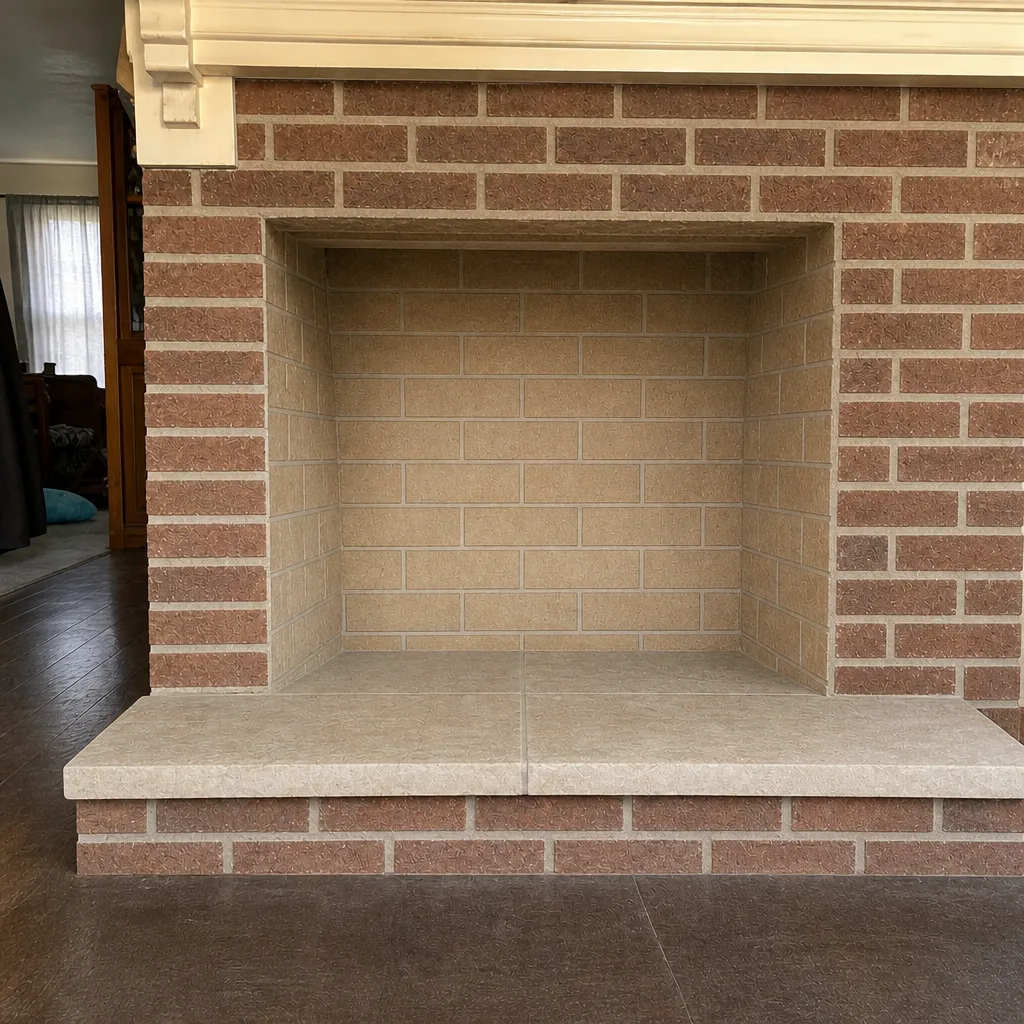
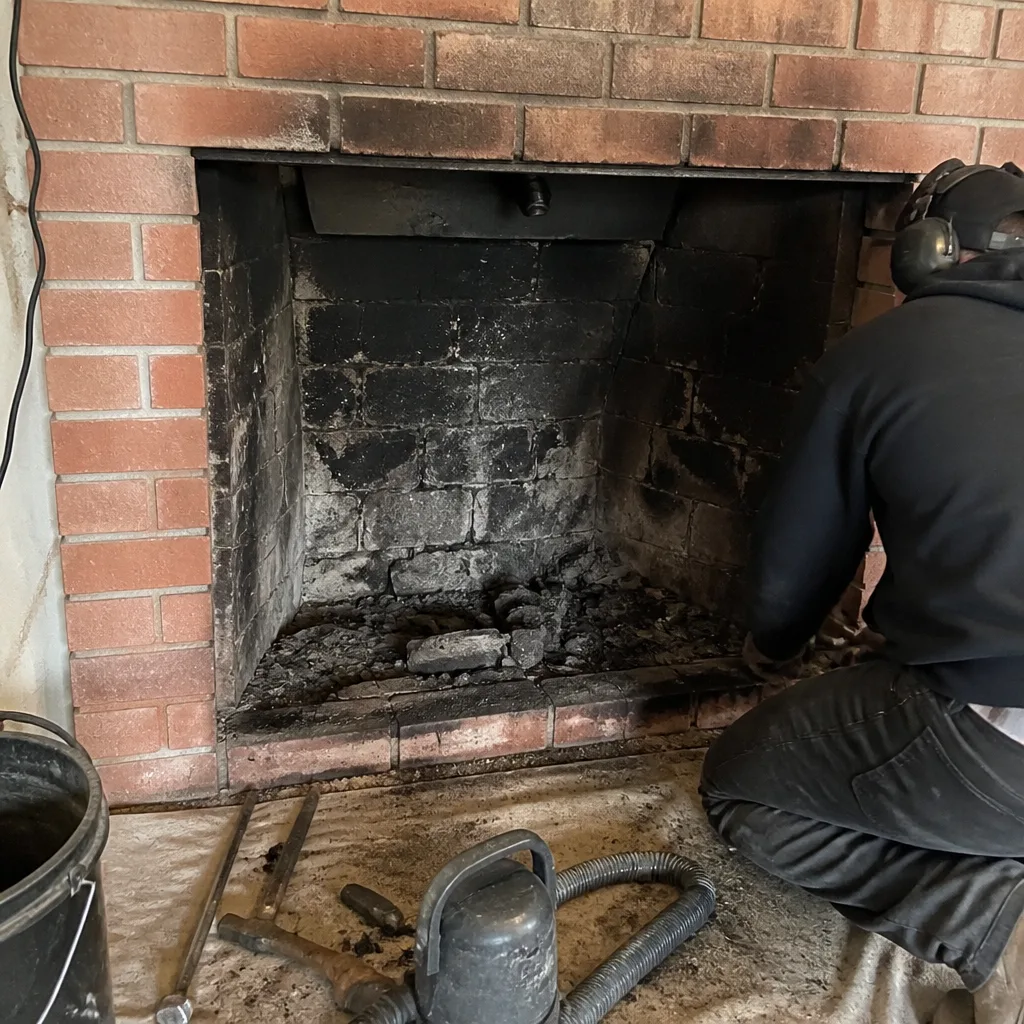
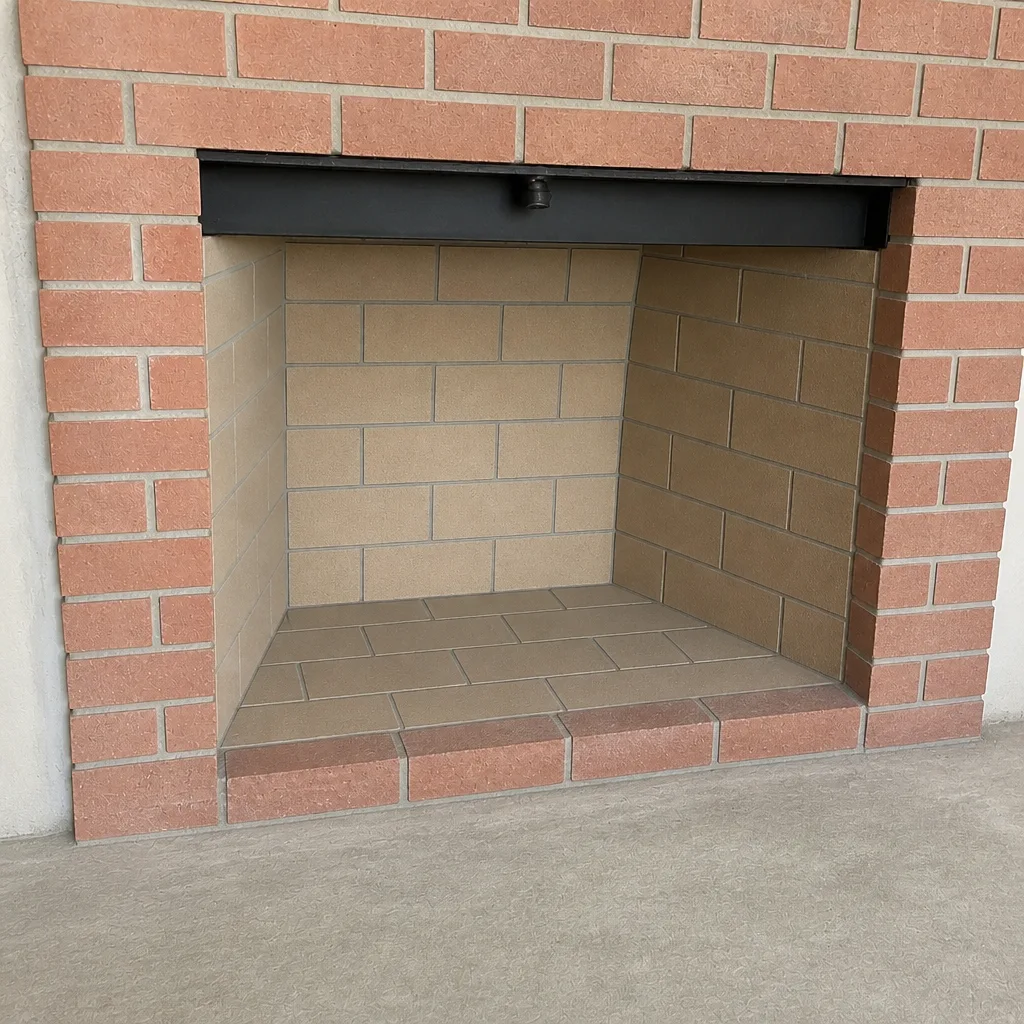
See the difference
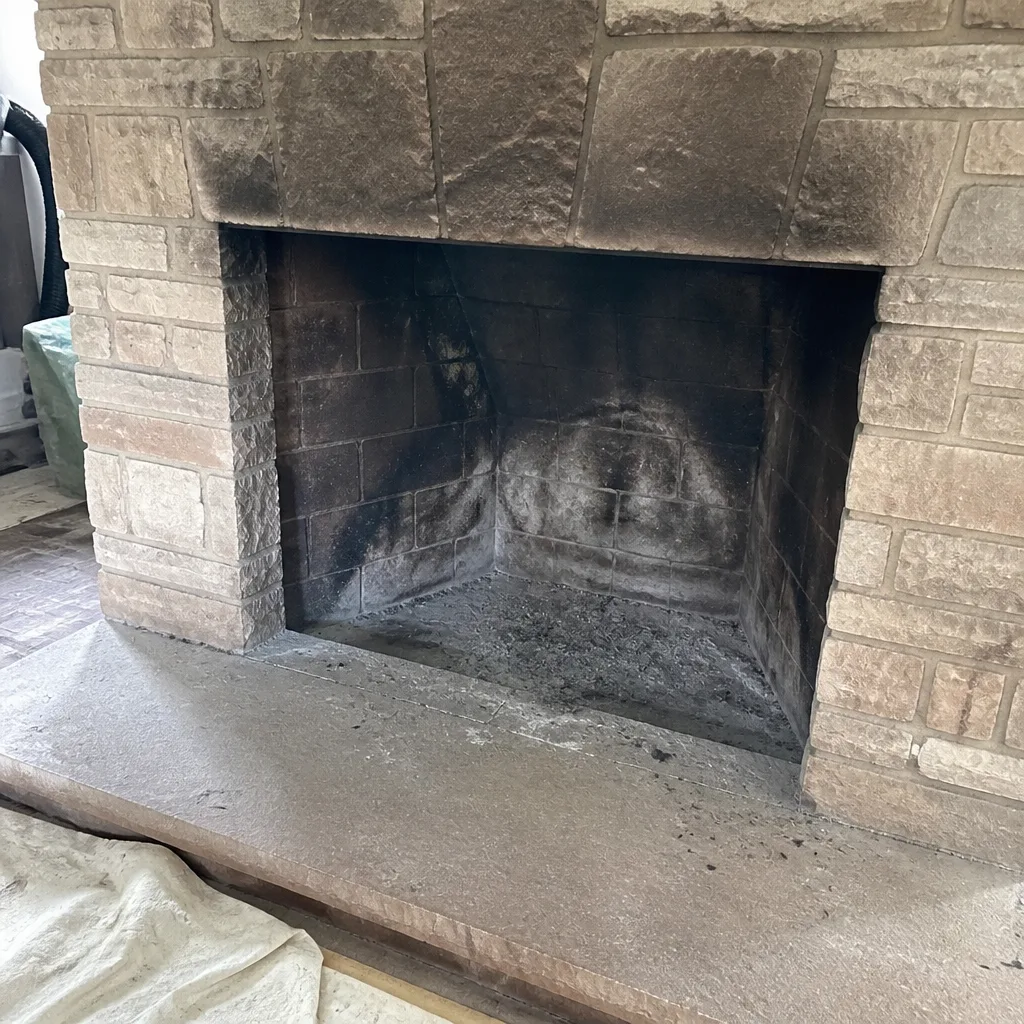 Before
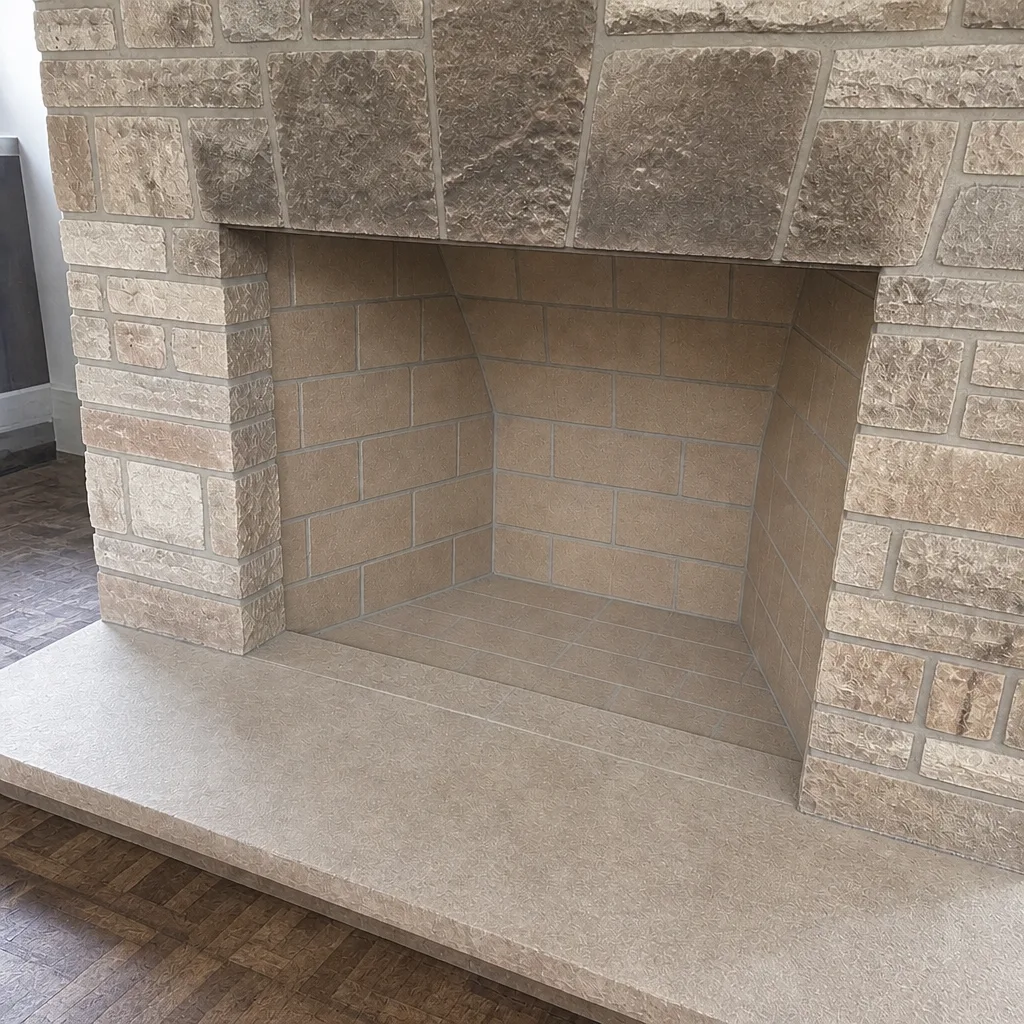 After
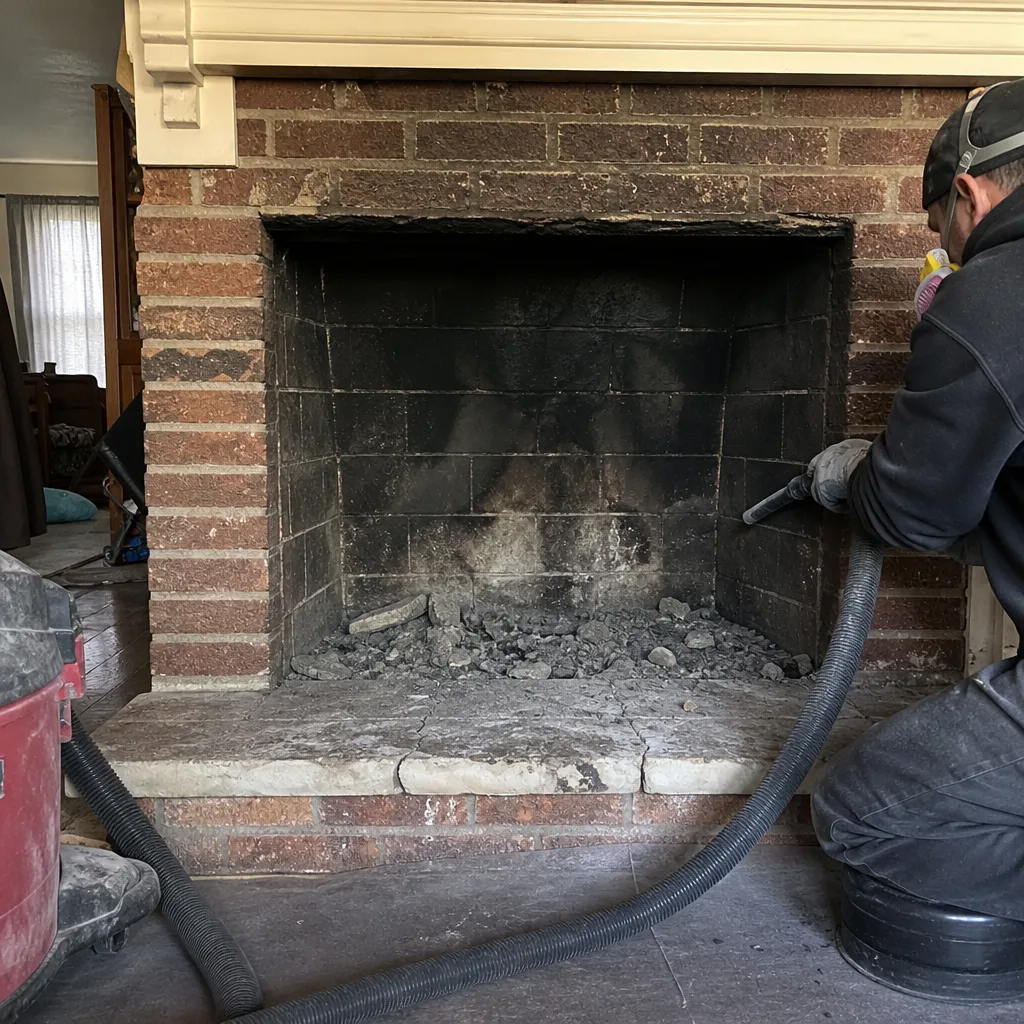 Before
 After
 Before
 After
Frequently Asked Questions
You can clean your own chimney in Park Hill only if the flue is fully lined with sound tile, has no offset, and has only light Stage 1 soot. If any of those conditions aren’t met, a brush-and-rods kit can damage the flue or leave the deposit that actually causes fires in place. A camera inspection is the only reliable way to confirm which case you’re in. Call (877) 770-1914 for an exact quote. Estimates are free.
You can’t tell the creosote stage from the firebox alone. Stage 1 is a light flaky soot, Stage 2 is crunchy and hardened, and Stage 3 is a glazed tar-like layer bonded to the tile, and telling them apart requires seeing the flue interior. That means a camera run from the top or bottom during a professional inspection. Call (877) 770-1914 for an exact quote. Estimates are free.
Yes, in four narrow conditions: fully lined and sound flue, no offset, Stage 1 creosote confirmed by a recent inspection, and a cap and crown that are undamaged. Outside that box, DIY is a cost-cutting error at best and a structural risk at worst. In our experience, Park Hill’s older housing stock lands outside the box more often than inside it. Call (877) 770-1914 for an exact quote. Estimates are free.
A professional sweep includes much more than a cleaning. A proper sweep includes a visual inspection of the firebox, damper, smoke chamber, flue, cap, and crown, a camera run of the flue where needed, and photos and a written report of what was found. The cleaning itself is one step in that process. Call (877) 770-1914 for an exact quote. Estimates are free.
Yes. A brush can crack tile, dislodge mortar joints, and knock loose debris into the smoke chamber if the flue isn’t sound before you start. This is exactly why a camera inspection comes first and cleaning happens only after the inspection confirms the flue is safe to sweep. On an unlined or deteriorated Park Hill flue, that risk is real. Call (877) 770-1914 for an exact quote. Estimates are free.
Not always. Deteriorated flue tiles can often be restored with a HeatShield application rather than replaced with a full liner, so a sweep that can offer HeatShield may save you the cost of a full liner job. A full liner replacement is only the right answer when the tile can’t be restored and the flue can’t be safely relined any other way. Nothing gets recommended without camera evidence you can see for yourself. Call (877) 770-1914 for an exact quote. Estimates are free.
The Bottom Line
The DIY-versus-pro chimney cleaning decision isn’t really about whether you can push a brush up a flue. It’s about whether the work getting done is the work that needs doing. Stage 1 soot on a sound, lined, straight flue is a real DIY candidate. Stage 2 and Stage 3 creosote, offset flues, unlined chimneys, deteriorated mortar joints, and damaged crowns and caps are not, and those conditions are common in Park Hill’s older housing stock. The inspection portion of a professional sweep is the part worth paying for, because it’s the part with no DIY equivalent. Call (877) 770-1914 for a free estimate if you’d like the flue assessed before you decide.
Written by the team at Chimney Sweep Park Hill.