
Last updated November 24, 2026
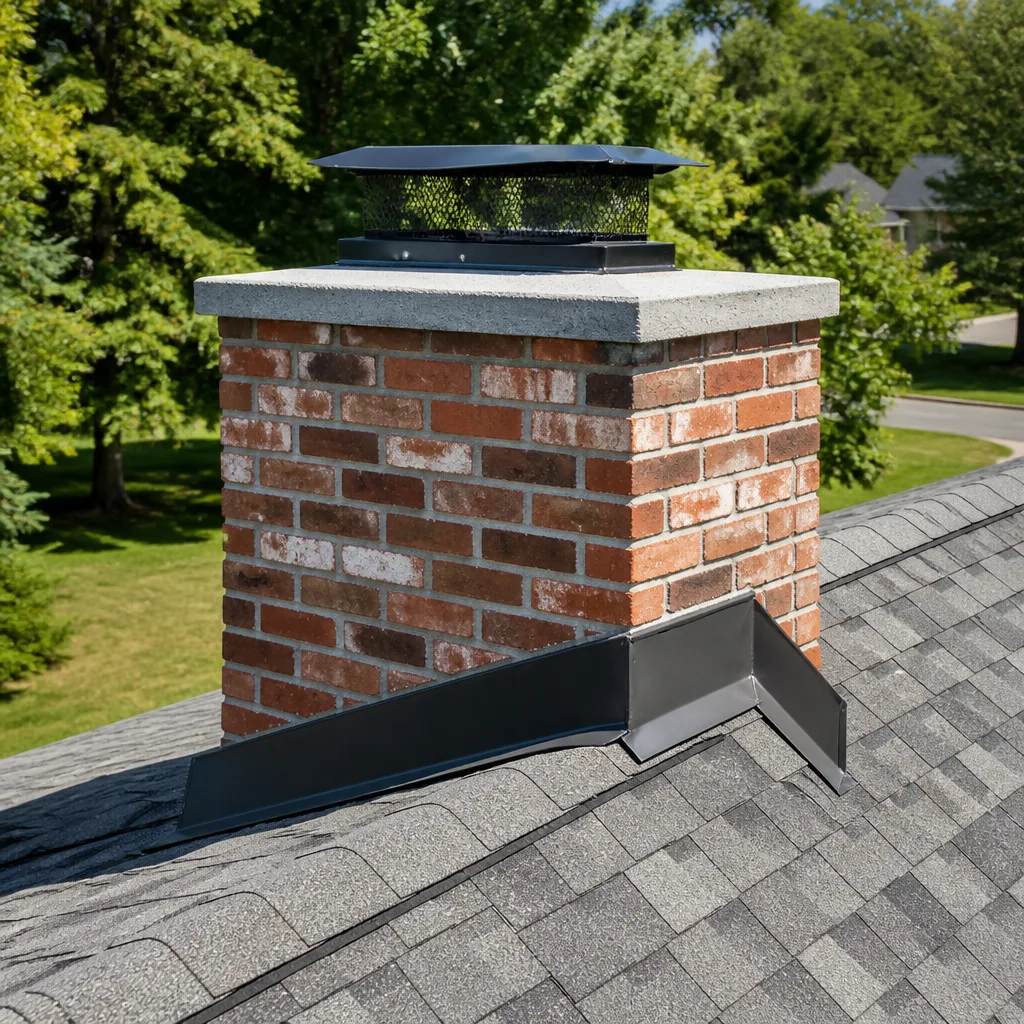 Sweep & inspection
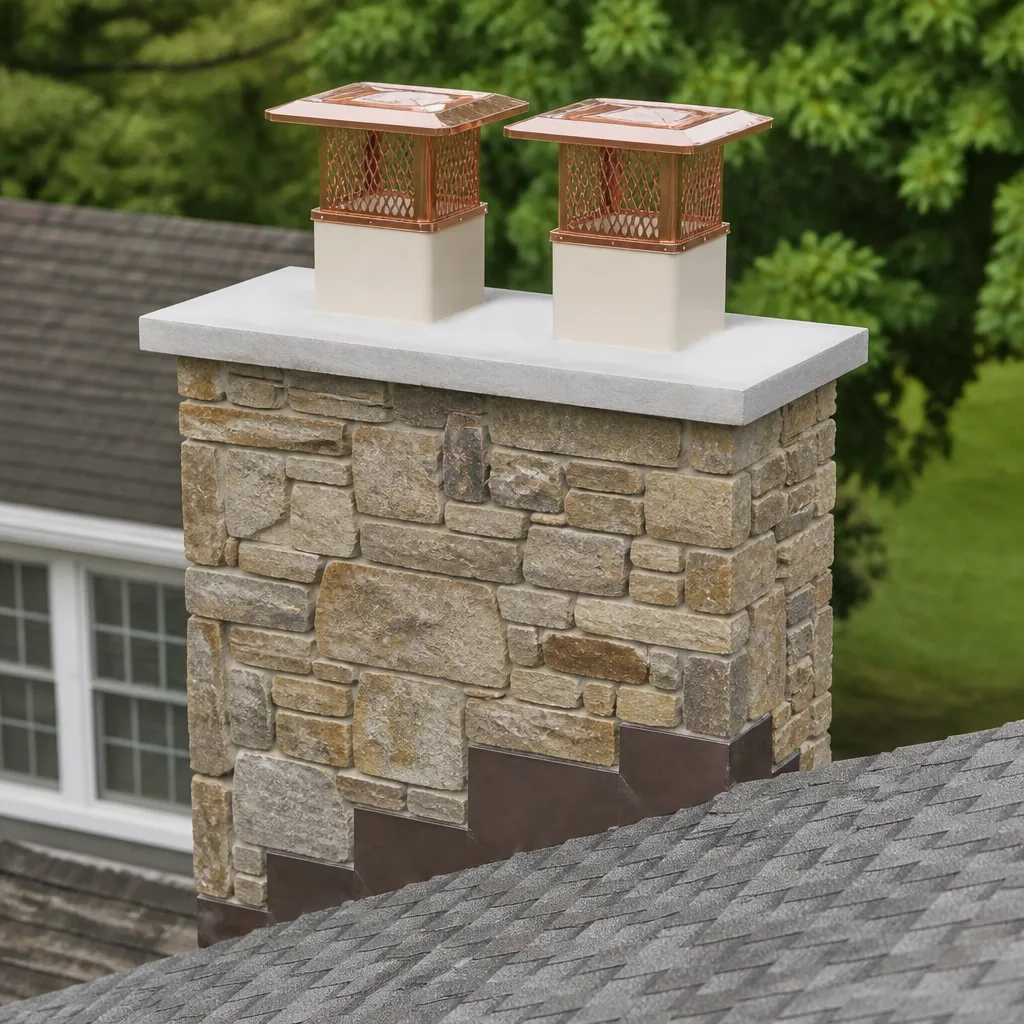 Caps & crowns
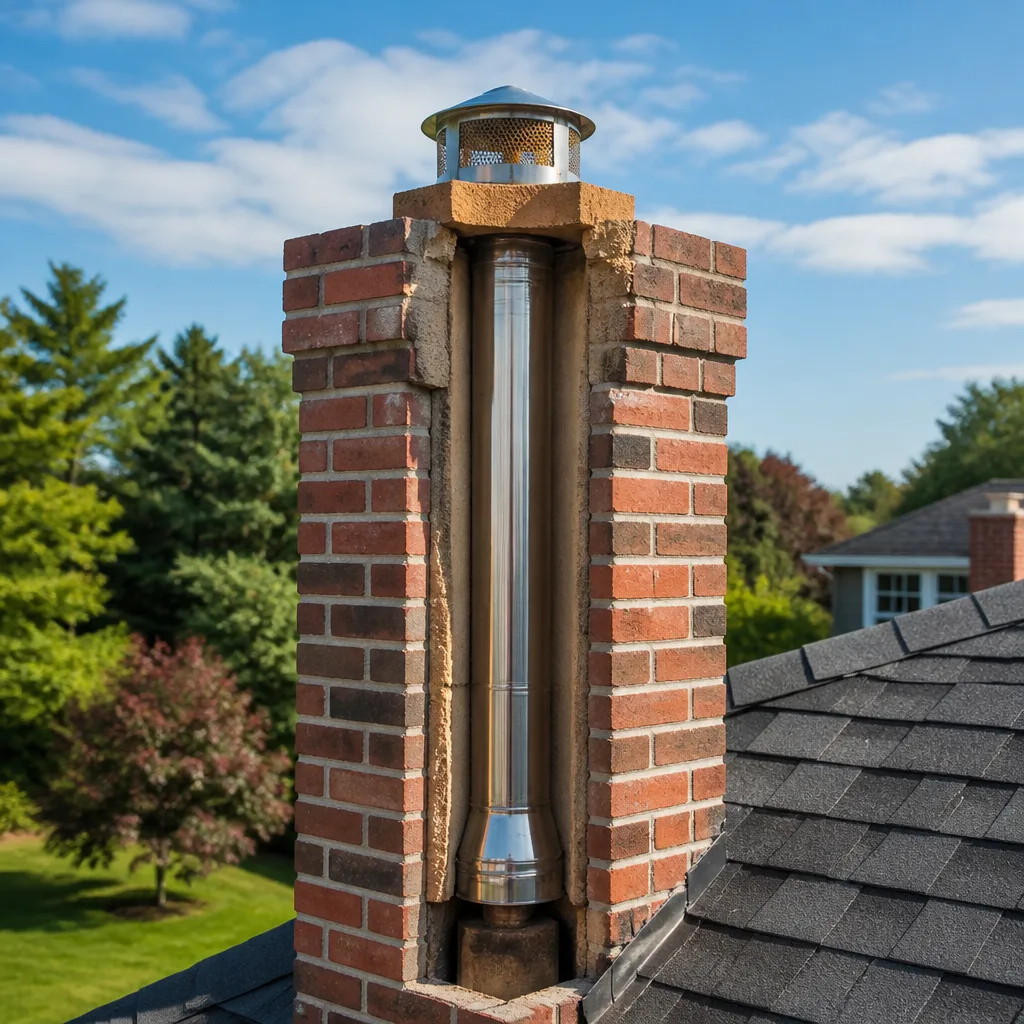 Flue relining
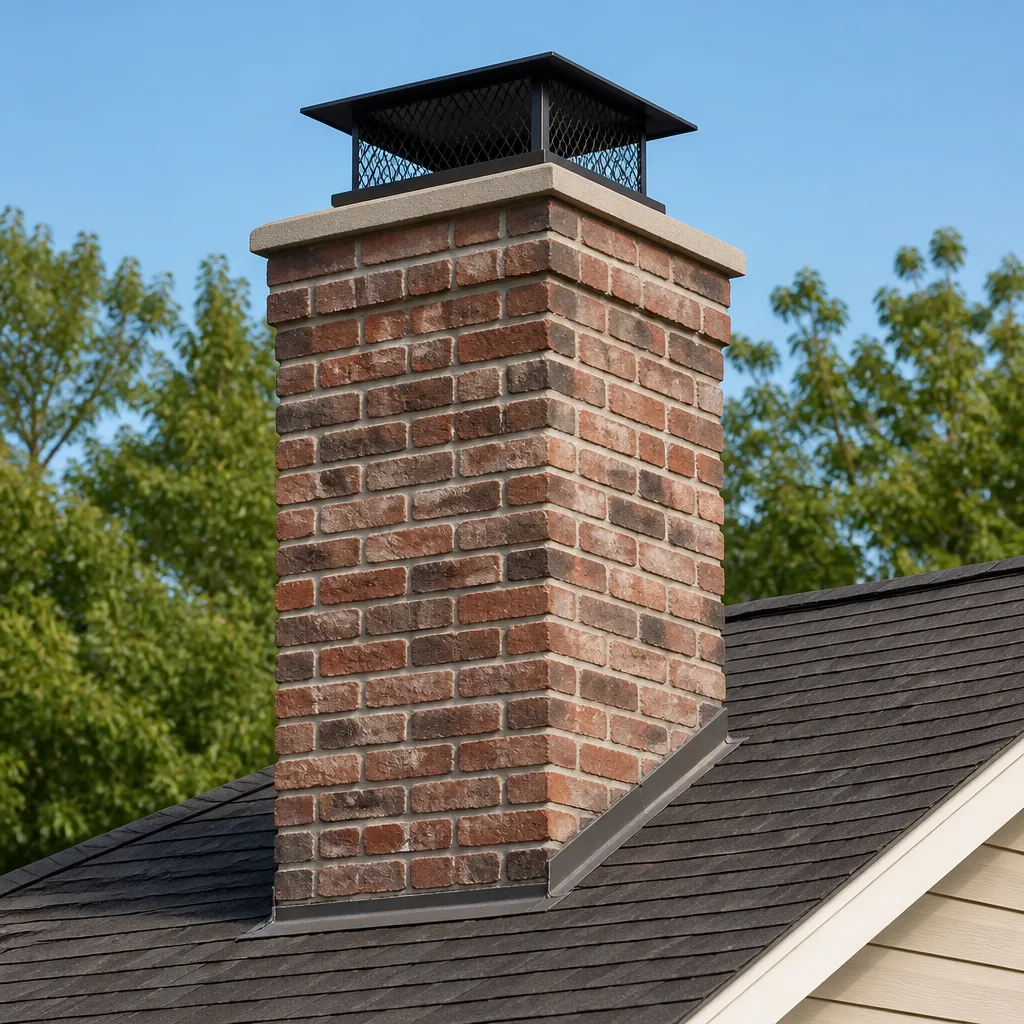 Masonry repair
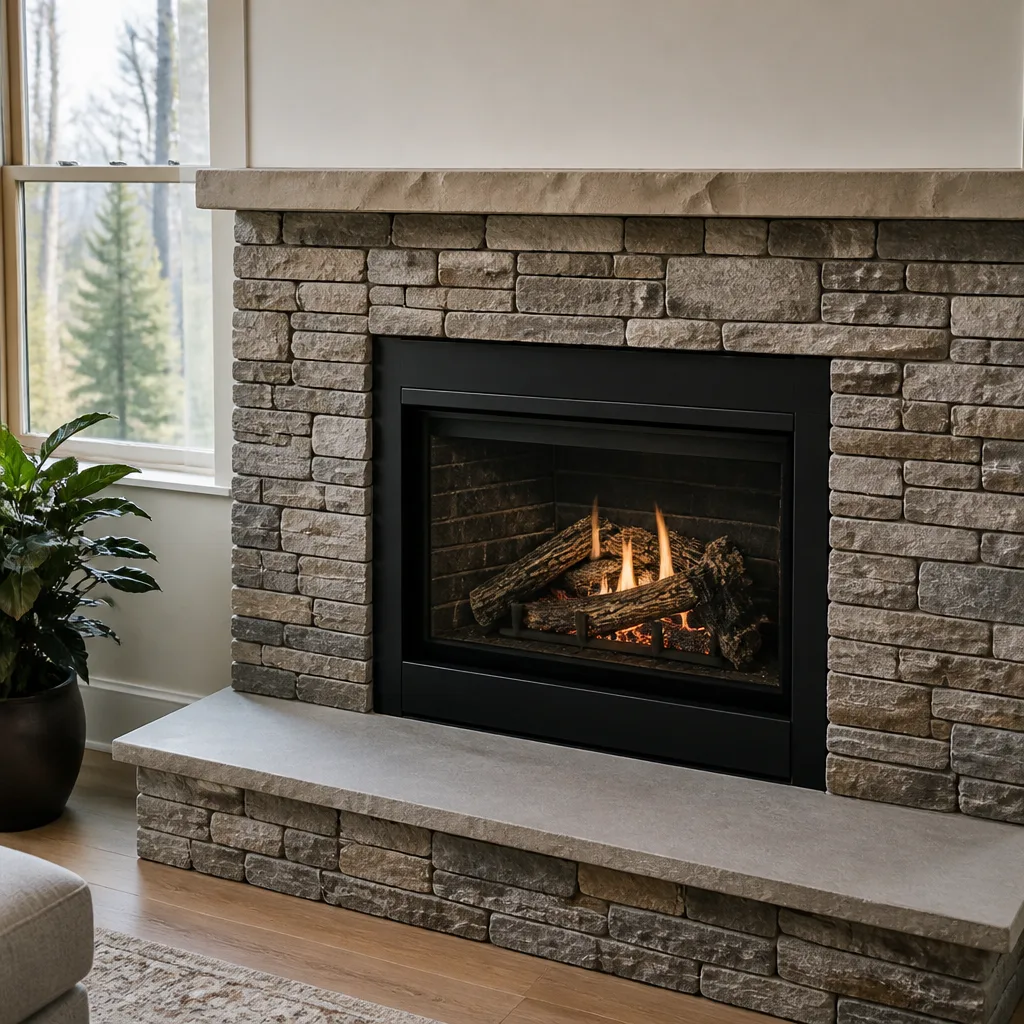 Gas fireplace service
Level 1 sweep and inspection to the NFPA 211 annual standard - flue, crown, cap, and flashing checked and photographed
Chimney sweep logs do not sweep chimneys. They loosen some creosote - which then falls where a brush and vacuum still have to collect it.
Seasonal Chimney Cleaning Care for Park Hill: Year-Round Homeowner’s Guide
Most chimney advice you’ll find online boils down to one line: get it swept in the fall. That advice was written for a national audience that doesn’t live where we do. In Park Hill, late May can still bring a 20-degree night, and a fireplace that saw steady use from October through April has been through a burn season long enough to build up deposits that no single autumn sweep was designed to handle. Then summer arrives, and months of monsoon moisture and afternoon hail can quietly undo the work a fall cleaning did. This guide lays out a genuine year-round care calendar for Park Hill masonry chimneys, built around Front Range freeze-thaw cycles rather than a generic template. You’ll learn what to check each month, when a mid-season sweep makes sense, and how to protect a chimney through the shoulder seasons when the weather swings hardest.
Quick Answer
Chimney care in Park Hill works best on a seasonal calendar, not a single annual sweep. Sweep before the heating season starts, inspect the cap and crown for water intrusion in spring and early summer, and reassess mid-winter if your burn season runs October through April. Because Front Range freeze-thaw cycles and summer storms stress masonry year-round, the homeowners who get the most life out of their chimneys check the system in every season, not just fall.
Styles & brands we work with
- Sweep & inspection
- Caps & crowns
- Flue relining
- Masonry repair
- Gas fireplace service
Table of Contents
- Why Fall-Only Sweeping Falls Short in Park Hill
- A Month-by-Month Chimney Calendar for Park Hill
- What Freeze-Thaw Cycles Do to Park Hill Masonry
- Summer Care: Caps, Moisture, and Animal Exclusion
- Does a Long Burn Season Need a Mid-Season Sweep?
- Fall Prep for Park Hill’s Older Masonry Stock
- Winter Watch: What to Notice While You Burn
- Spring Reset: Closing Out the Season Right
Why Fall-Only Sweeping Falls Short in Park Hill
A single fall sweep treats your chimney like a car that only needs one oil change a year. In a mild climate that might hold, but Park Hill’s burn season runs long. Many homeowners here light the first fire in October and keep a fire going into April, which is six months of regular use. Creosote and soot don’t stop accumulating just because the calendar says the sweep is done. The deposits that build up after an October cleaning are exactly the ones nobody accounts for.
The second problem is the shoulder seasons. Park Hill sits on the western edge of the plains where the freeze-thaw line is unforgiving. Water gets into small masonry cracks during a warm afternoon and freezes solid that same night, expanding as it goes. Every one of those cycles widens a crack a little more. By the time fall arrives and you’re thinking about a sweep, the damage that matters most may already have happened months earlier.
What that means in practice:
- An October sweep covers the start of the season, not the end of it.
- Summer moisture can undo a clean flue in roughly 90 days if the cap or crown is compromised.
- Masonry damage accumulates during the seasons when nobody is thinking about the fireplace.
- Spring snowstorms can send you back to the firebox after you thought the season was over.
Year-round care isn’t more work. It’s the right work at the right time. The rest of this guide walks through the calendar month by month so you know what to look at and when. If you’d rather hand the whole thing to a specialist, our Chimney Sweep Park Hill page covers how we approach full-system care from the firebox to the crown.
A Month-by-Month Chimney Calendar for Park Hill
Here’s the calendar we recommend to Park Hill homeowners. It’s built around Denver’s actual climate, not a national template, so the timing reflects when the real risks land in this part of the Front Range.
- January: Peak burn season. Watch for smoke rolling back into the room, a damper that won’t seal, or creosote odor in the house. Note anything unusual for the next professional visit.
- February: Still deep in the burn season. If you’ve been burning steadily since October, this is the month to decide whether a mid-season sweep is warranted, especially with a wood stove or an insert.
- March: Shoulder season begins. Snowstorms can still hit, so keep the flue clear, but start paying attention to the exterior: cap, crown, and flashing.
- April: Last fires of the season for most homes. Once you stop burning, do a visual check of the firebox and the exterior masonry before the weather turns.
- May: Late cold snaps happen. If you burn in May, keep an eye on draft. This is also the month to schedule a spring inspection before summer storms arrive.
- June: Monsoon pattern sets in. Check the cap and crown for cracks, loose mortar, or anything that lets water in. Verify the damper closes fully and the firebox is closed to animals.
- July: Peak summer moisture. This is when small masonry cracks grow. If you noticed spalling or efflorescence in spring, address it now rather than waiting for fall.
- August: Book your pre-season sweep and inspection now, before the fall rush. Getting on the calendar early means the work is done before the first cold night.
- September: First hard freezes can arrive late in the month. Inspect the crown sealant and cap before that happens. This is the single most important exterior check of the year.
- October: Heating season starts. Confirm the flue is clean, the damper operates, and the cap is intact before the first fire.
- November: Steady burning. Watch for draft changes and any new odor. If a fire struggles to draw, get it checked.
- December: Deep winter. Keep an eye on the exterior cap after heavy snow or ice. Clear any accumulation that blocks the flue outlet.
You don’t need to memorize all twelve months. The two anchors are a pre-season sweep in late summer or early fall and a spring exterior inspection once the burn season ends. Everything in between is observation.
What Freeze-Thaw Cycles Do to Park Hill Masonry
Freeze-thaw is the quiet killer of masonry chimneys on the Front Range, and the shoulder seasons are when it does the most damage. The pattern is simple: daytime temperatures climb above freezing, snowmelt or rain soaks into small cracks and porous brick, then the temperature drops below freezing overnight and that trapped water expands. Brick and mortar don’t stretch. They crack, then spall, then crumble. Repeat that cycle dozens of times across a Park Hill spring and fall, and a hairline crack becomes a real problem.
What makes the Front Range different from most of the country is how often this cycle happens in a single week. Cities at similar latitude but with steadier temperatures might see a handful of freeze-thaw events per season. Here, a March week can deliver four or five in a row, and November can do the same. The cumulative stress on a masonry chimney is substantial.
Where this shows up first:
- The crown. The concrete cap at the top of the chimney takes the most direct weather. Small cracks let water into the structure below.
- Mortar joints. Especially on the south and west faces that see the most sun and the most rapid thaw.
- Flashing. Where the chimney meets the roof, freeze-thaw opens gaps that let water into the attic and ceiling.
- Spalling brick faces. When a brick face peels or flakes off, the freeze-thaw cycle has already done its work.
An older Park Hill chimney built in the mid-20th century has been through thousands of these cycles. That doesn’t mean every one is failing, but it does mean the exterior deserves a look every spring and fall, not just when something goes wrong. If you see white chalky staining on the brick (efflorescence), that’s a sign water is moving through the masonry. It’s worth a professional look before the next hard freeze. We talk more about that in the fall prep section below.
Summer Care: Caps, Moisture, and Animal Exclusion
Summer is when Park Hill chimneys get into the most trouble quietly. The fireplace is dark, nobody’s thinking about it, and the weather is doing its worst. Three things matter most from June through August: the cap, moisture intrusion, and keeping animals and debris out of the flue.
The cap is your first line of defense
A chimney cap does two jobs. It keeps rain and snow out of the flue, and it keeps animals out of the chimney. A damaged or missing cap lets water run straight down into the firebox and the smoke chamber every time it storms, which in a Park Hill summer is often. A stainless cap from Olympia Chimney or Famco holds up to hail and sun far better than a cheap big-box model, and it’s the single cheapest protection you can put on a chimney. We install and repair caps as a named service because water intrusion at the top of the chimney is where the majority of expensive damage starts. You can read more on our chimney cap & crown page.
A closed damper is not enough
Homeowners often assume that shutting the damper keeps animals and debris out. It doesn’t. Birds, squirrels, and raccoons can get past a damper through the flue, and so can leaves, twigs, and nesting material. Some dampers don’t seal tightly even when closed, and a top-sealing damper combined with a proper cap is the only reliable barrier. If you’ve heard scratching or flapping in the chimney over the summer, that’s the sign. Don’t wait for fall to address it.
Moisture checks worth doing every summer
- Look at the crown from the ground with binoculars: any visible cracking or missing chunks means water is getting in.
- Check the ceiling and attic near the chimney for staining after a heavy rain.
- Look for rust on the damper, firebox, or chimney cap: rust means moisture is present.
- Check the firebox for crumbling mortar or white deposits on the brick.
If any of these show up, book an inspection rather than waiting. Summer is also the best time to actually get on a schedule, since the fall rush fills up fast. If your flue tiles are deteriorating, a HeatShield restoration can often solve the problem without a full liner replacement, which is worth knowing before you assume the worst.
Does a Long Burn Season Need a Mid-Season Sweep?
For many Park Hill homes, yes. The standard recommendation is to sweep once a year, but the industry guidance assumes a moderate burn season. Park Hill homeowners frequently run fires from October through April, which is roughly twice the burn volume that a single annual sweep is meant to cover. When a fire is going most nights for six months, creosote continues to accumulate after the fall sweep, and by February the flue may be carrying a load that nobody has inspected.
How to decide whether you’re a candidate for a mid-season sweep:
- Count your burn volume. If you burn multiple cords of wood or run the fireplace most nights from October to April, you’ve exceeded the single-sweep assumption.
- Note the fuel type. Unseasoned wood and softwoods build creosote faster than dry hardwoods. If you’ve been burning either, the buildup comes sooner.
- Listen for draft changes. A fire that used to draw well and now struggles is a signal the flue is restricted.
- Watch for new odor. A strong creosote smell in the house, especially on warm days, means deposits have built up enough to off-gas.
- Check your burning appliance type. Wood stoves and inserts run hotter and often build creosote differently than open fireplaces. They need more frequent attention.
- Book a mid-season inspection if two or more of the above apply. A camera inspection tells you definitively whether the flue needs cleaning, and a photo report lets you see exactly what we see.
In our experience, a mid-season sweep is worth it for anyone burning steadily through February with an insert or a stove. For a homeowner who lights a fire a few times a week in a wood fireplace, the standard fall sweep may well cover the season. The point is that the decision should be based on your actual burn volume, not the calendar. A chimney sweep booked in the middle of winter is a smart call for anyone in that heavier-use group.
Fall Prep for Park Hill’s Older Masonry Stock
A lot of Park Hill’s housing stock dates to the mid-20th century and earlier, and those chimneys were built to a different standard than what we see in newer construction. The brick is often solid and the mortar is decent, but the years of freeze-thaw have done their work. Fall prep on an older masonry chimney is mostly about closing the gaps before winter can exploit them.
Crown sealant inspection before the first hard freeze
The crown is the concrete surface at the very top of the chimney, and it’s the piece that takes the most direct weather. In an older Park Hill chimney the crown has often developed small cracks from years of freeze-thaw. Those cracks let water into the structure, and once water is inside, the first hard freeze turns it to ice and expands it. Inspecting and sealing the crown before that freeze is the single most cost-effective thing you can do for an older chimney in September. We use Gelco crown sealant for this because it’s formulated to flex with the masonry rather than cracking like a rigid patch would.
What a proper fall prep covers
- Crown inspection and sealant application before the first hard freeze.
- Cap inspection and replacement if the existing cap is damaged or missing.
- Flashing inspection at the roofline where water most often gets in.
- A full sweep of the flue to clear the season’s buildup.
- A camera inspection of the flue tiles, especially if the chimney is older than the rest of the house’s systems.
- Damper operation check and firebox inspection for cracks or loose mortar.
If a camera inspection turns up deteriorated flue tiles, the answer is sometimes full liner replacement and sometimes HeatShield restoration that addresses the damaged joints without demolition. We carry HeatShield specifically because it lets us offer a real repair option for a fair number of chimneys that would otherwise face a much larger project. If you’re not sure which your chimney needs, inspection comes first. And if the firebox itself needs work, our fireplace repair service covers that end of the system.
Winter Watch: What to Notice While You Burn
Winter is the season when the chimney is doing the most work, and it’s the season when you’ll notice most easily if something has changed. You don’t need to do a full inspection in January. What you need is to pay attention to a few specific signals while you burn.
Watch for these, and book an inspection if any of them show up:
- Draft problems. A fire that used to catch easily and now smolders is drawing against a restricted flue.
- Smoke in the room. Any smoke rolling back into the living space is a red flag for blockage or a draft issue that needs a professional look.
- Strong creosote smell. Especially on mild days when the fire is out and the flue heats up from the sun, a heavy creosote odor means deposits are built up enough to need attention.
- Visible soot on the firebox surround. More than usual soot around the opening signals draft or draft-related incomplete combustion.
- Unexplained headaches or a stuffy feeling in the room. This is not a signal to self-diagnose, but it is a reason to get a carbon monoxide alarm if you don’t already have one, and to get the flue checked. A properly vented chimney is the primary defense against CO in any home with a wood fireplace.
None of these should cause panic. They’re normal homeowner observations that warrant a professional look. The one thing we never recommend is ignoring them until the spring, because the worst time to discover a blocked or damaged flue is when you’re depending on it to heat the house.
On a separate note about scheduling: if a fire goes out on a cold night and you need help, call us. We answer 24/7. A call outside dispatch hours is booked into the next opening, Sunday through Friday, 7am to 7pm. Our technicians have up to 12 years of experience working on chimneys across the Front Range, and if a camera inspection is needed, we include it in the visit and give you a photo report so you can see exactly what we see.
Spring Reset: Closing Out the Season Right
Spring is when you shut down the fireplace and, if you’re doing year-round care properly, catch the damage that winter left behind. A spring reset is not a full sweep. It’s an exterior inspection, a moisture check, and a schedule adjustment for the summer.
Step 1: Walk the exterior
From the ground, check the cap, the crown, the flashing, and the visible brickwork. Look for cracks in the crown, missing chunks of concrete, rust on the cap, white staining on the brick, or any brick faces that have spalled or flaked. Note anything you see, but don’t try to seal it yourself: the exterior of a chimney needs trade-grade sealant, not a caulk gun from the hardware store.
Step 2: Check moisture intrusion into the house
Look at the ceiling and attic near the chimney for any staining after a heavy rain. Look at the firebox for rust or white deposits. Check the damper for stiffness or rust. Any of these signals tells you water is moving through the system.
Step 3: Book the summer inspection
Weather permitting, get an inspection on the books before summer storms are in full swing. This is also the best time to decide what work, if any, you want to schedule for the fall so you’re not competing for slots in September and October.
Step 4: Close the damper and exclude animals
Make sure the damper closes tightly and the cap is intact. If you don’t have a cap, get one. This is the cheapest possible protection against summer moisture and animal intrusion, and it’s a job we do regularly.
For a system that covers all of this in one relationship, that’s what full-service chimney care means for Park Hill homeowners. Trade-grade materials, from the firebox to the crown, without splitting attention between trades. Our technicians work on chimneys exclusively, which is why we can move from a routine sweep to a HeatShield restoration to a cap and crown repair without ever handing you off.
Common Mistakes to Avoid
- Sweeping once a year and assuming it covers you. A single fall sweep was designed for a moderate burn season. If you burn October through April in a Park Hill home, your flue has seen more fire than that sweep was meant to handle.
- Ignoring the exterior from May through September. The exterior masonry is where most chimney damage starts, and it happens during the months when nobody’s thinking about the fireplace. A quick visual check each spring and late summer catches most of it.
- Assuming a closed damper keeps out animals. It doesn’t. Birds, squirrels, and nesting material routinely get past a closed damper. You need a proper cap, and if the damper is in poor shape, a top-sealing damper is worth considering.
- Sealing over a crack without knowing what’s underneath. A hardware-store concrete patch on a cracked crown can look fine for a season and then fail worse. Trade-grade sealant like Gelco is formulated to flex with the masonry through freeze-thaw.
- Waiting for the fall rush to schedule an inspection. Fall appointments fill up. If you know your chimney needs attention, get it on the books in summer when you’ll have more choice of timing.
- Skipping the camera inspection because the sweep “looked fine.” Camera inspection is the difference between a general clean and knowing what’s actually happening inside the flue. We include a camera inspection and a photo report so you can see it for yourself.
- Assuming you need a full liner when restoration might solve it. A deteriorated flue is not always a full-replacement job. HeatShield restoration can address damaged joints without demolition. A proper inspection tells you which applies to your chimney.
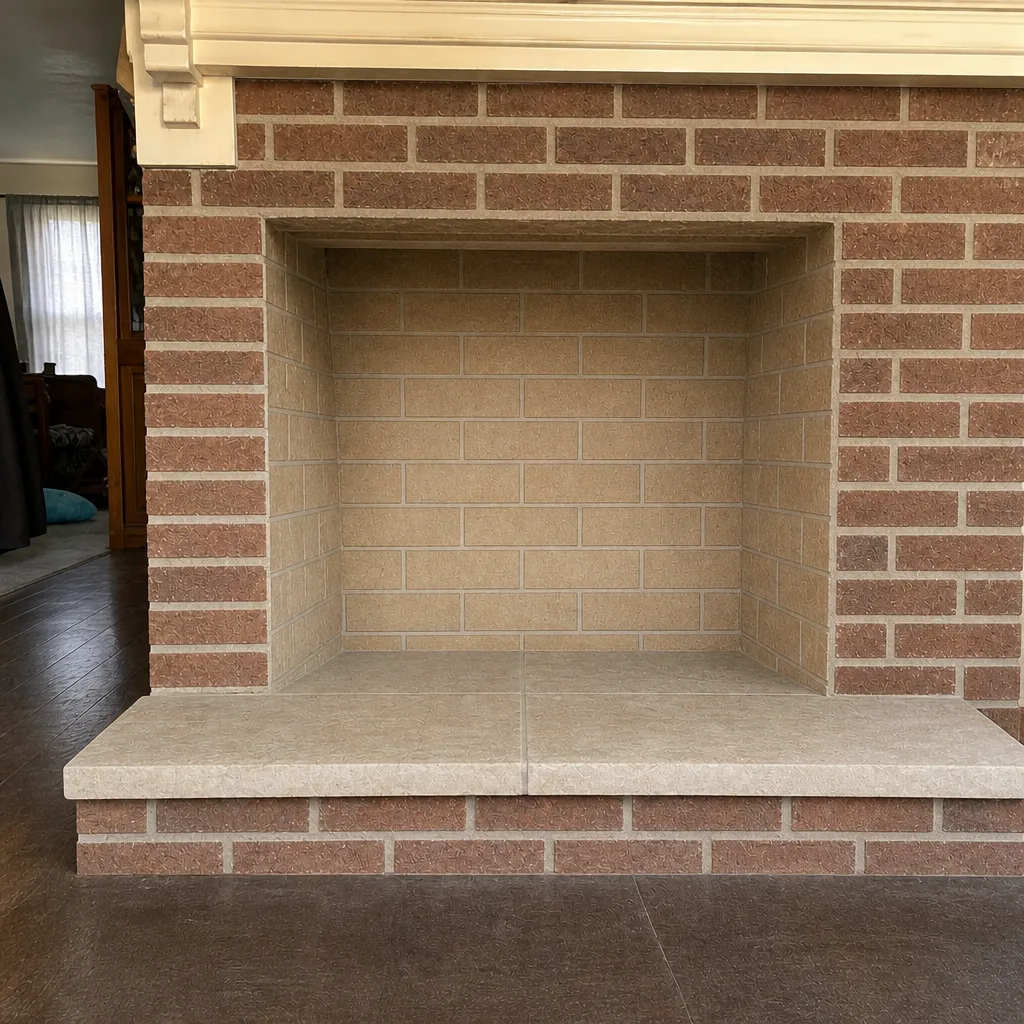
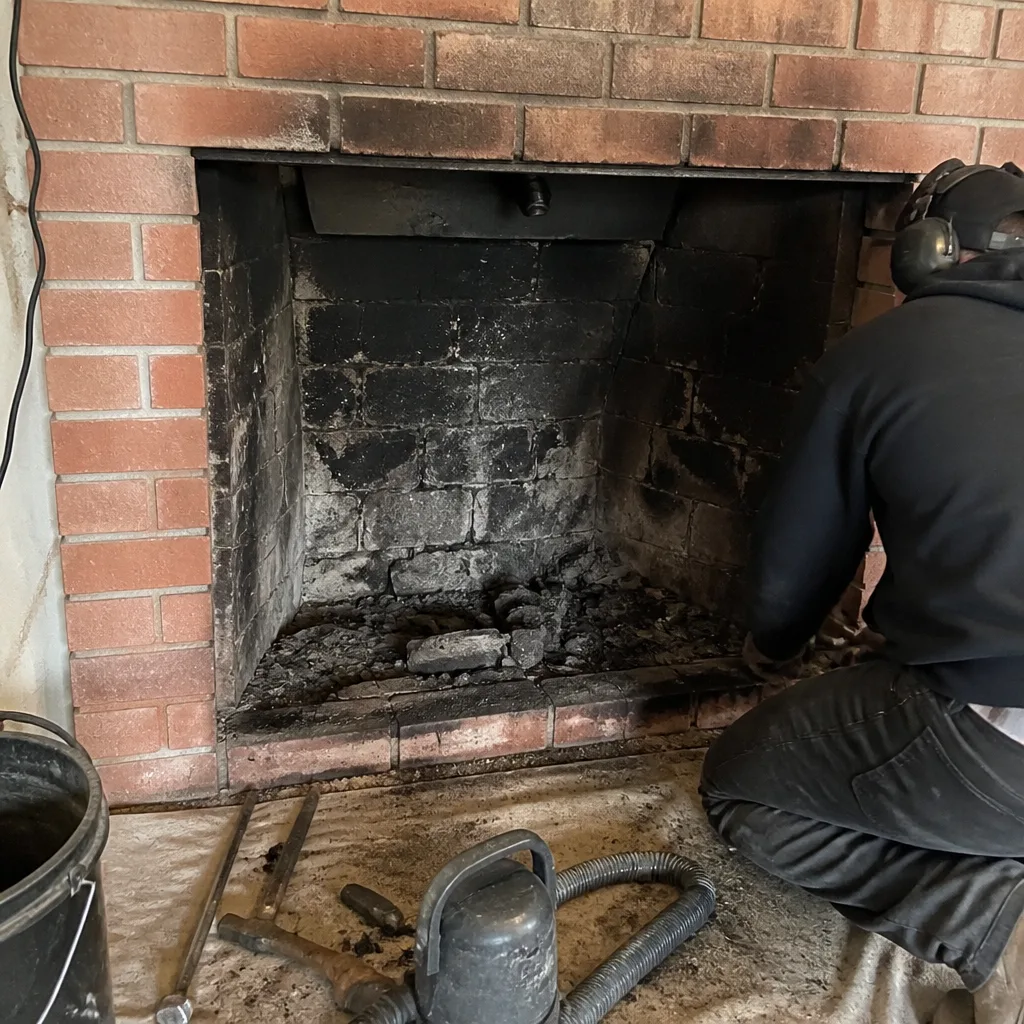
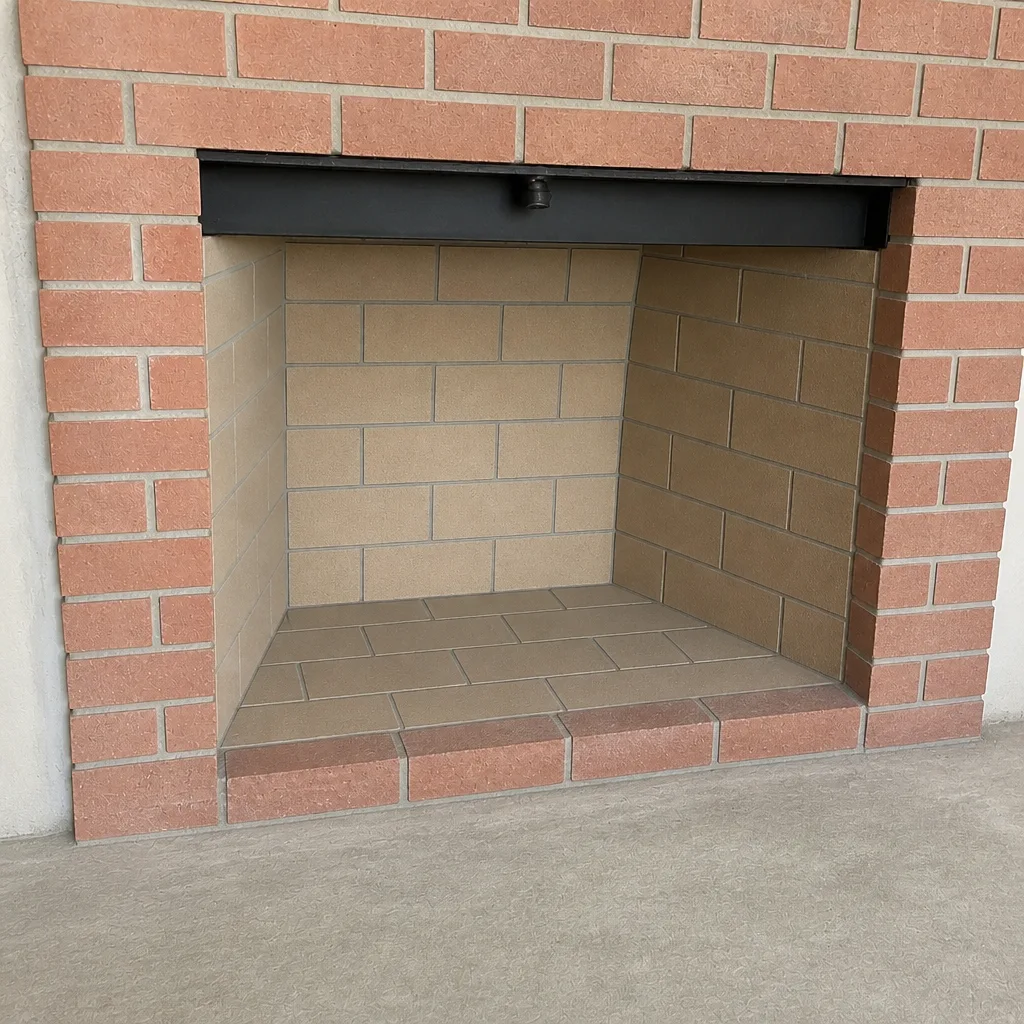
See the difference
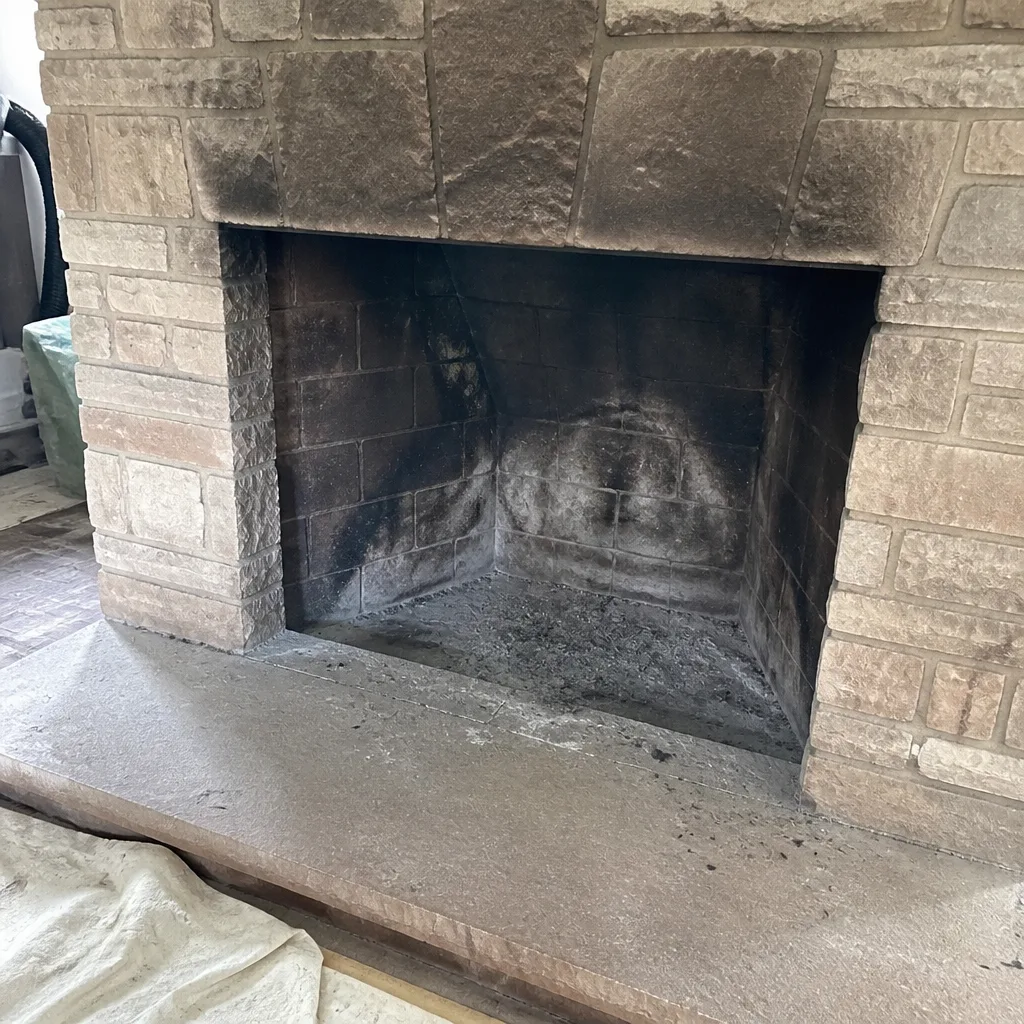 Before
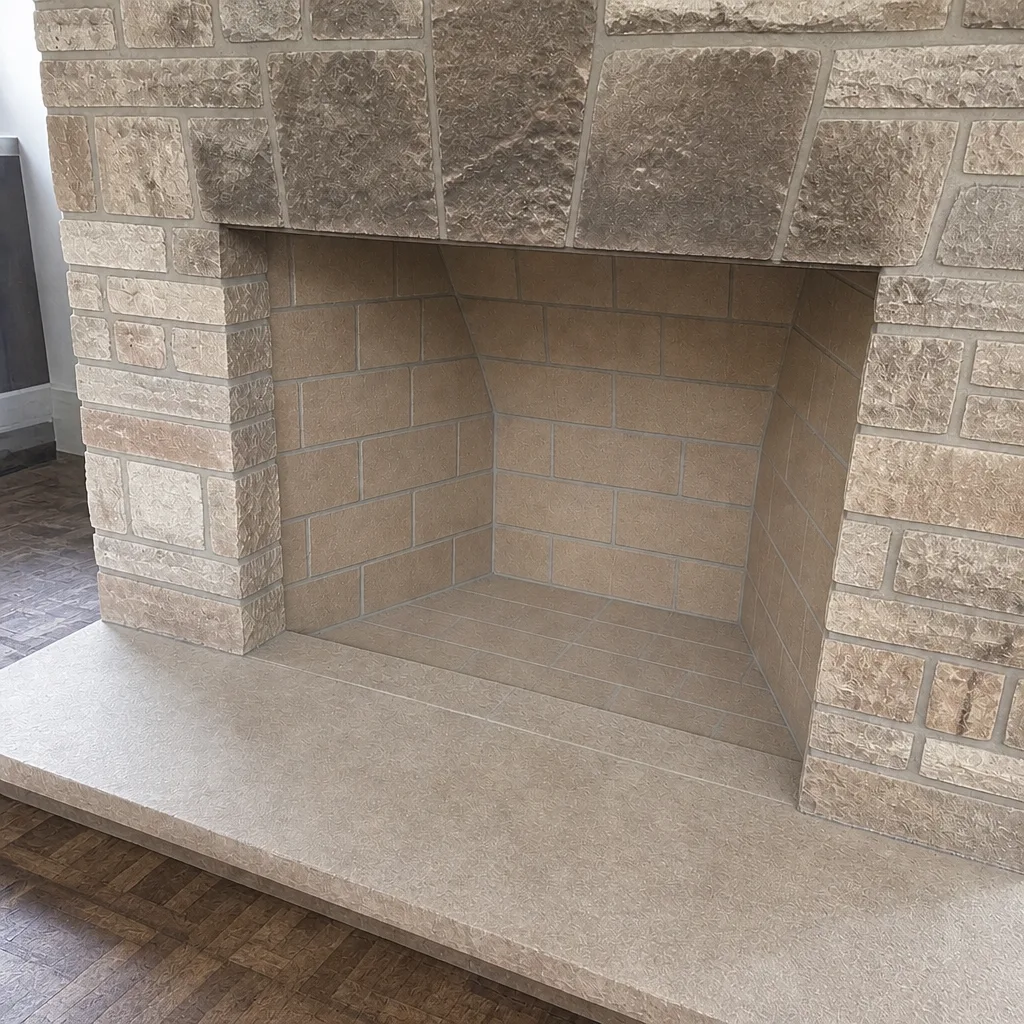 After
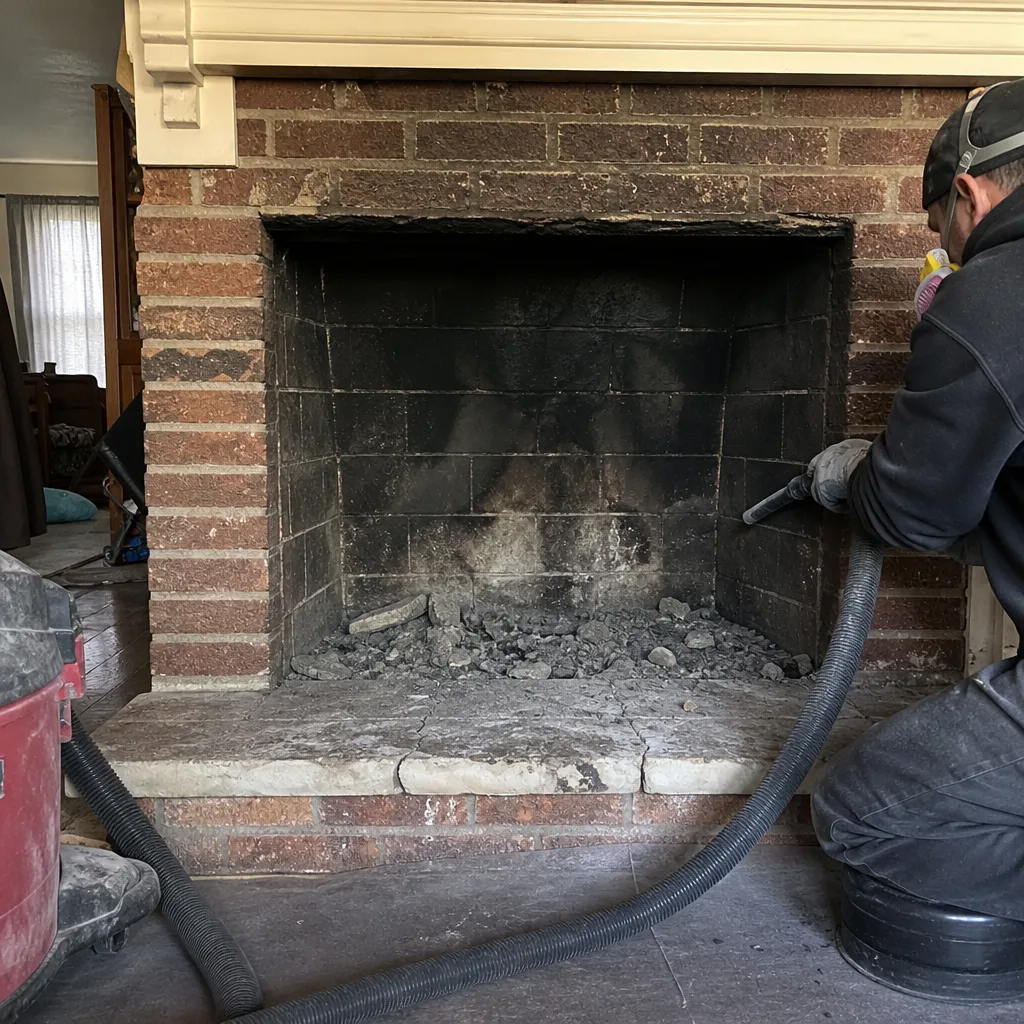 Before
 After
 Before
 After
When to Call a Professional
Not every observation needs a service visit, but a handful of scenarios do. Call a professional if you see smoke rolling back into the room, if a fire consistently struggles to catch, if there’s a heavy creosote smell in the house on warm days, if you see staining on the ceiling or in the attic near the chimney, if the cap or crown is visibly damaged, or if you haven’t had a professional inspection in a year and you’ve been burning regularly. If you’re hearing animals or flapping in the flue, that’s a call too. If you’re not sure whether your situation warrants a visit, describing it over the phone is usually enough to know.
Chimney Sweep Park Hill offers free estimates in Park Hill, so a conversation costs nothing and gives you a straight answer. Call (877) 770-1914. We answer 24/7. Fast dispatch from 7am to 7pm, Sunday through Friday. None of our recommendations happen without camera evidence you can see for yourself, and if the work can safely wait until fall, we’ll tell you that plainly.
Frequently Asked Questions
Most Park Hill chimneys should be swept once a year, but a long burn season from October through April often calls for an additional inspection or sweep mid-season, especially with a wood stove or insert. Sweeping frequency depends on how much you burn, what you burn, and how the flue is drawing. A camera inspection gives you the real answer for your chimney rather than a general rule. Call (877) 770-1914 for an exact recommendation – estimates are free.
Fall-only sweeping leaves the chimney unprotected through spring, summer, and the second half of the burn season. Creosote builds up after the October sweep, and moisture intrudes on the masonry through the summer when the cap or crown is compromised. Neither of those problems shows up if the only time anyone looks at the chimney is in September. A year-round calendar, with a spring exterior check and a pre-season sweep, gives the system coverage across the whole year.
Not always. Deteriorated flue tiles are the most common reason a liner replacement is recommended, but a camera inspection sometimes shows the damage is limited enough that a HeatShield restoration addresses it without full replacement. We recommend a new liner only when the evidence supports it, and we show you the camera footage before making that call. If restoration is a safe option, we’ll tell you that instead. Call (877) 770-1914 for an inspection and a straight answer – estimates are free.
Yes, and summer is when most of the quiet damage happens. A compromised crown or cap lets water into the masonry, and the freeze-thaw cycles of the following fall and spring expand that water into cracks. Roughly 90 days of summer moisture can undo the work a spring clean sweep did. Checking the cap and crown every summer is the single most useful thing you can do to protect a Park Hill chimney.
Check the crown sealant first. The crown is the concrete surface at the top of the chimney, and it’s the piece that sees the most weather. Any visible cracking or missing chunks means water can get in, and the first hard freeze will expand it. Also check the cap for damage, the flashing for gaps, and the firebox for cracks or loose mortar. If anything is uncertain, book an inspection before the freeze rather than after.
It depends on your burn volume. If you light a fire a few times a week in a wood fireplace, the fall sweep likely covers the season. If you burn most nights from October through April, run an insert or a stove, or burn unseasoned wood, a mid-season inspection in January or February is worth scheduling. The decision should be based on your actual usage, not the calendar. Call (877) 770-1914 to talk through your burn volume and book an inspection – estimates are free.
The Bottom Line
Fall-only sweeping was written for a moderate climate and a short burn season. Park Hill has neither. A long heating season, real freeze-thaw throughout the shoulder months, and summer moisture all work on a chimney year-round, and the homeowners who get the most life out of their system are the ones who pay attention in every season. The core calendar is simple: sweep before the heating season, inspect the cap and crown in spring and late summer, and reassess in mid-winter if you burn heavily. Our technicians have up to 12 years of experience working on chimneys exclusively, and every recommendation is backed by camera evidence you can see for yourself. If you want to get the whole system on a year-round schedule with a full-service chimney specialist, we’re ready to help.
Call (877) 770-1914. We answer 24/7. Fast dispatch from 7am to 7pm, Sunday through Friday. Estimates are free, and if the work can safely wait, we’ll tell you so.
Written by the team at Chimney Sweep Park Hill.