
Last updated November 24, 2026
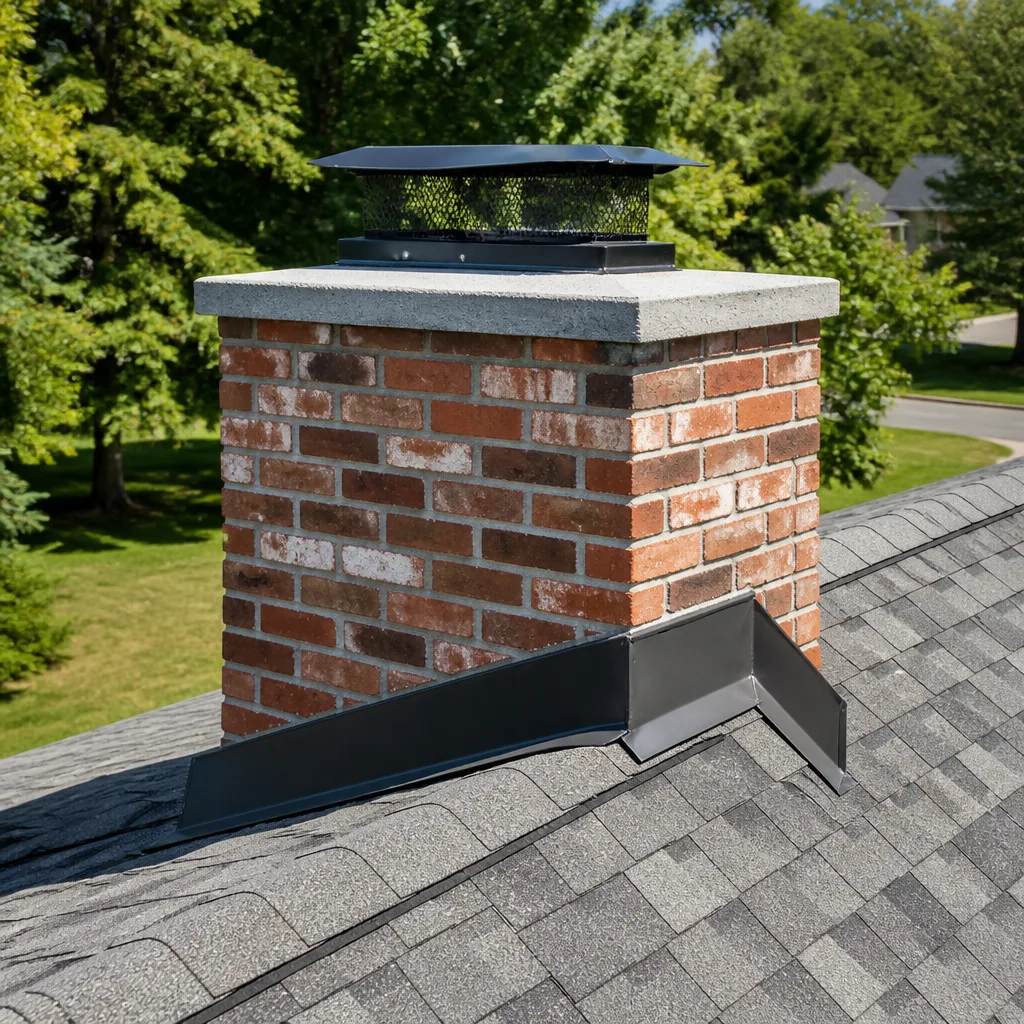 Sweep & inspection
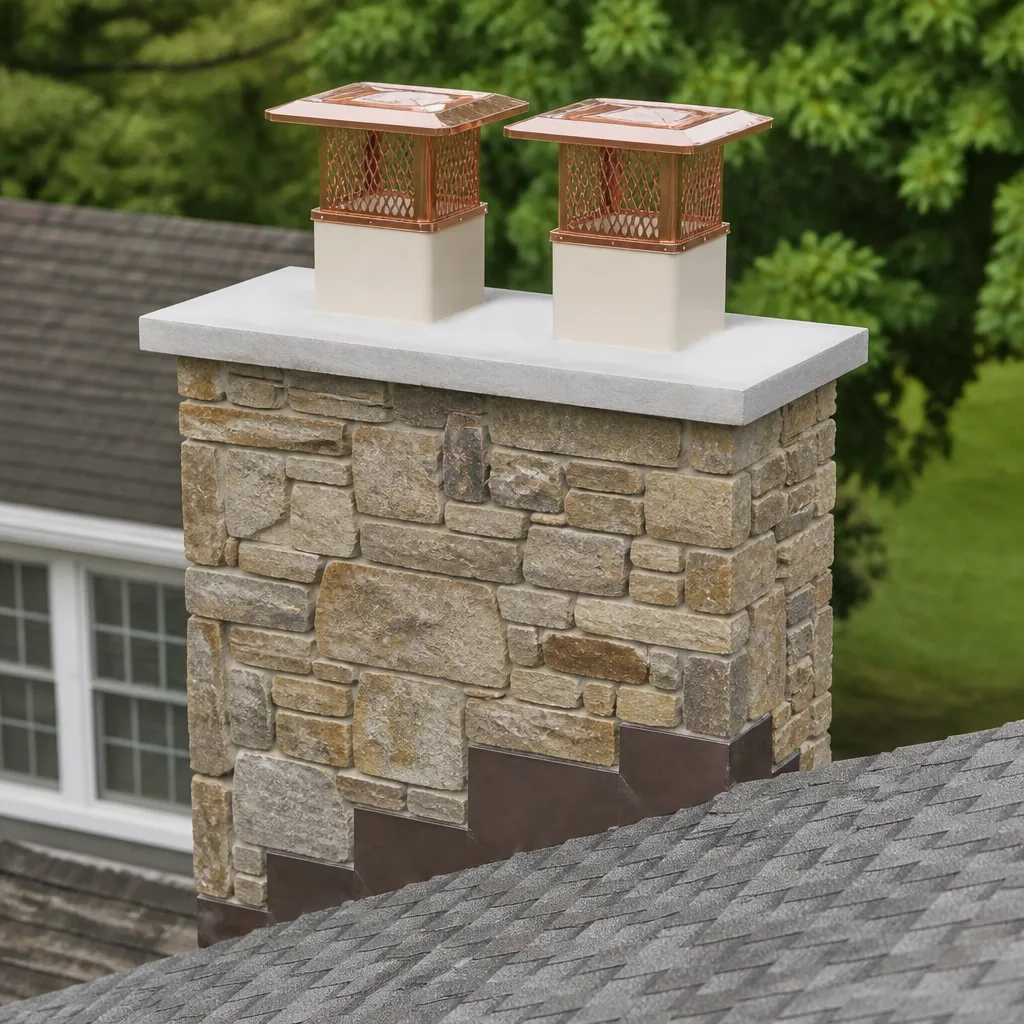 Caps & crowns
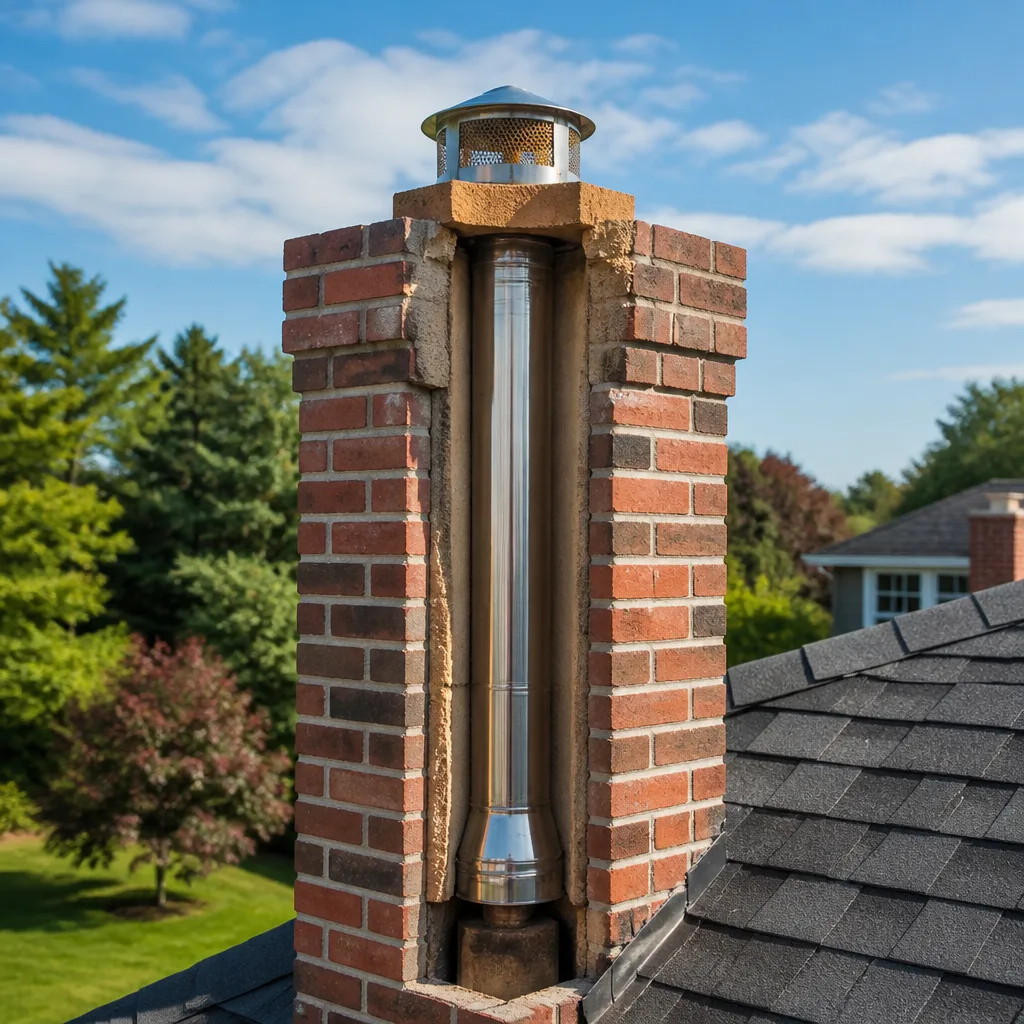 Flue relining
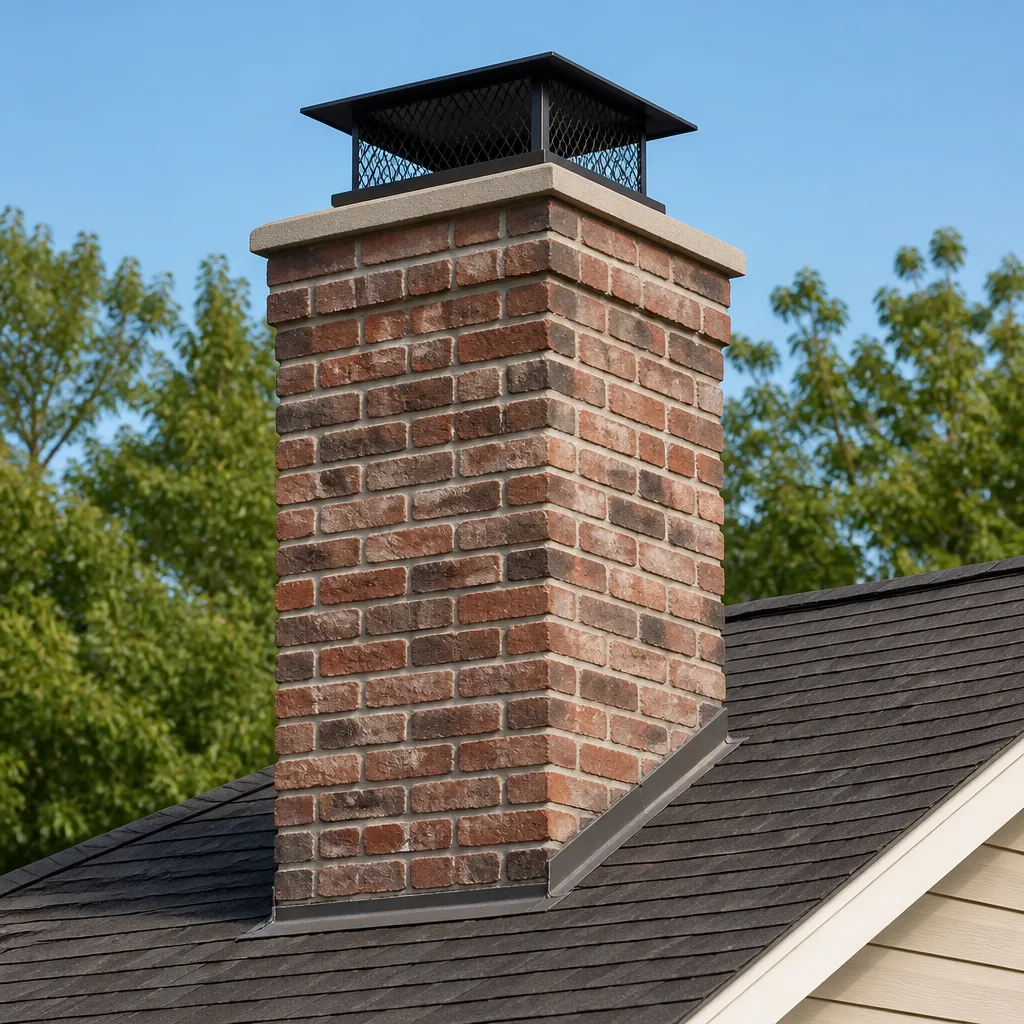 Masonry repair
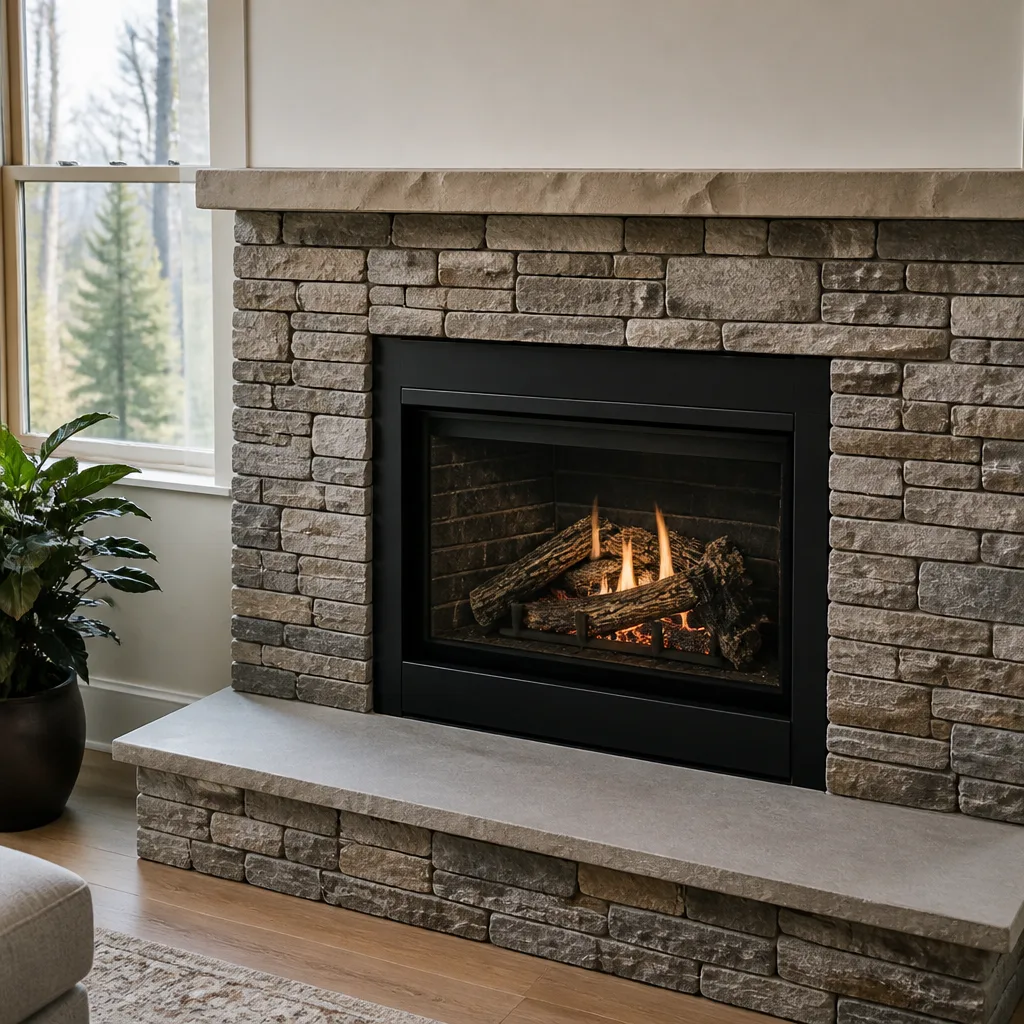 Gas fireplace service
Level 1 sweep and inspection to the NFPA 211 annual standard - flue, crown, cap, and flashing checked and photographed
Chimney sweep logs do not sweep chimneys. They loosen some creosote - which then falls where a brush and vacuum still have to collect it.
How to Hire a Chimney Cleaning Contractor in Park Hill: A Step-by-Step Guide
CSIA certification is the floor, not the gold standard. That’s the counterintuitive truth about this trade: the credential everyone advertises is the minimum bar, not a badge of excellence. Anyone can buy a brush, print a business card, and call themselves a chimney sweep. The gap between a competent contractor and an expensive mistake is measured in questions you ask before anyone steps onto your roof. This guide walks through exactly what to ask, which credentials actually matter for which jobs, and what a real post-sweep report should contain. If you live in Park Hill and own a fireplace, this is the decision framework you need.
Quick Answer
To hire a chimney cleaning contractor in Park Hill, verify CSIA certification for the technician doing the work, confirm the company carries general liability insurance and workers’ comp, ask for a written scope of work before booking, and request camera documentation of any recommended repairs. The three pre-booking questions that separate a real chimney specialist from a generalist with equipment are: What does your inspection include? Do you document findings with photos or video? And what credentials does the technician who’s actually coming out hold? If those answers are vague, keep calling.
Styles & brands we work with
- Sweep & inspection
- Caps & crowns
- Flue relining
- Masonry repair
- Gas fireplace service
Table of Contents
- Why Chimney Credentials Matter in Park Hill
- What CSIA, NFI, and CDET Actually Mean
- The Three Pre-Booking Questions That Reveal Competence
- How to Verify Insurance and Licensing in Colorado
- Red Flags Specific to Chimney Contractors
- What a Legitimate Post-Service Report Should Contain
- How to Read a Chimney Quote Line by Line
- When to Schedule in Park Hill’s Climate
Why Chimney Credentials Matter in Park Hill
Park Hill’s housing stock dates largely to the early and mid-20th century, and that matters for how you hire. A home built in the 1920s or 1930s likely has a masonry chimney with clay tile flue liners, and those liners have been through decades of heating and cooling cycles. The flue tiles crack. The mortar joints between them erode. When a sweep runs a brush down that flue without inspecting the liner first, they’re cleaning a chimney that may already be compromised, and a compromised flue is a path for carbon monoxide to reach living space.
That’s why the hiring decision in Park Hill isn’t just about who cleans the creosote. It’s about who can identify what the cleaning exposes. A generalist handyman who sweeps chimneys on the side sees a dirty flue and cleans it. A chimney specialist sees a dirty flue, inspects the liner, checks the cap and crown, examines the firebox, and documents what they find before recommending anything. The difference isn’t talent. It’s training and scope.
Colorado’s dry climate adds a wrinkle. Our summers bake masonry, our winters freeze the moisture that gets into it, and that freeze-thaw cycle works on crowns and mortar joints in ways that coastal or humid climates don’t experience. A chimney cap that’s missing or damaged lets water straight into the flue. Park Hill homeowners who skip the cap inspection end up paying for crown repair they could have prevented. When you hire, you want someone who looks at the whole system, from firebox to crown, because the problems in this climate tend to start at the top.
In our experience, the sweeps who cause the most trouble for Park Hill homeowners are the ones who do one job and leave. They run a brush, hand you a verbal thumbs-up, and disappear. Six months later the homeowner has a cracked crown and no idea when it happened. A company that scopes the full system, documents it, and can actually repair what it finds is a different kind of hire entirely. That’s the standard this guide builds toward. For a fuller picture of what a proper visit looks like, see our chimney sweep service page.
What CSIA, NFI, and CDET Actually Mean
The chimney industry stacks acronyms on top of acronyms, and most homeowners nod along without knowing which credential covers which work. Here’s the breakdown, in plain terms, because it changes who you should hire for a given job.
CSIA (Chimney Safety Institute of America)
CSIA certification is the baseline credential for anyone who sweeps or inspects a chimney. To hold it, a technician passes an exam on chimney science, venting, and safety standards and completes continuing education to keep it current. When a company says its sweeps are CSIA-certified, that’s the floor you want everyone on your roof to clear. It does not mean the company is the best, and it does not license anyone to do structural repair. It means the individual has passed a knowledge test in the fundamentals. Ask whether the person actually coming to your home holds it, not just the company’s marketing materials.
NFI (National Fireplace Institute)
NFI certification is the credential that matters for gas, wood, and pellet appliance installation and service. A company that repairs fireplaces or installs new inserts should have NFI-certified technicians, because gas appliance work involves fuel connections and venting that a sweep-only certification doesn’t cover. If your Park Hill home has a gas log set or a gas fireplace, ask about NFI certification specifically. It’s a different skill set than sweeping, and it’s the one that applies to your appliance. Our fireplace repair work follows the same standard: the technician working on the appliance should hold the relevant certification, not just the company name on the invoice.
CDET (Certified Dryer Exhaust Technician)
CDET is a specialty credential for dryer vent cleaning and inspection. It’s worth knowing about because some chimney companies offer dryer vent service as a side job, and dryer vents have their own fire-risk profile entirely separate from chimneys. If you’re hiring for chimney work, CDET isn’t relevant. If a company advertises dryer vent service without saying who holds the CDET credential, ask. The same principle applies across all three: the credential should belong to the person doing the work, not float around loosely as a company talking point.
Matching Credential to Job
- Routine sweep and inspection: CSIA-certified technician.
- Gas fireplace or insert service: NFI-certified technician.
- Dryer vent cleaning: CDET-certified technician.
- Liner installation or restoration: CSIA-certified technician plus evidence of manufacturer training on the specific product, such as HeatShield or DuraFlex.
- Structural chimney repair: a technician with documented experience in masonry repair, which no single industry credential certifies on its own.
One more point that Park Hill homeowners often miss: certification is an individual credential, not a company credential. The company may employ one certified technician and a rotating crew of uncertified helpers. Ask who’s coming out and what they hold. A straight answer is a good sign. A dodge is a data point.
The Three Pre-Booking Questions That Reveal Competence
You don’t need a background in chimney science to evaluate a chimney company. You need three questions, asked on the phone before you book, and a feel for whether the answers are specific or slippery. These are the ones we’d want asked of us if we were the homeowner.
Question 1: What does your inspection include?
A real answer names the components: firebox, damper, flue liner, smoke chamber, cap, and crown. It mentions whether they’ll use a camera to look at the flue interior and whether they’ll check the exterior of the chimney. A vague answer like “the full standard inspection” tells you nothing. Push for specifics. If the person on the phone can’t describe what’s inspected, the technician on the roof probably follows the same loose script. For a Park Hill home with an older masonry chimney, the liner inspection is the part that matters most, and it’s the part a brush-and-run operation skips.
Question 2: Do you document findings with photos or video?
This is the question that separates a diagnostic company from a cleaning company. A camera inspection produces images you can see yourself. Without documentation, you’re trusting a verbal summary of a flue you’ll never look down. If a company recommends a liner replacement, a HeatShield restoration, or crown repair, you should be able to look at the evidence behind the recommendation. No photos or video, no recommendation you can verify. That single standard protects you from the most common chimney scam in the trade: pressure to buy thousands of dollars in liner work based on nothing you can see.
Question 3: Does the company do the repairs, or refer them out?
Many sweeps only sweep. When they find a cracked crown or a deteriorated liner, they hand you a referral and drive off. That’s not wrong, but it means you’re back to hiring again, and the repair company and the sweep have no shared accountability for the diagnosis. A full-service chimney specialist scopes the whole system and can do the sweep, the inspection, the cap and crown work, the fireplace repair, and the structural repair under one roof. For Park Hill homeowners, that continuity means the person who found the problem is the person who fixes it. No scope gaps, no finger-pointing between two contractors if something goes wrong.
What the Answers Tell You
Ask all three and listen. A company that answers all three specifically, with named components, camera documentation, and a clear statement of what work they do in-house, is the one you want. A company that answers two of three is worth a follow-up call. A company that answers none is a skip. Those three questions will tell you more about a chimney company’s competence than any online review, because they probe the actual work rather than the customer service experience.
How to Verify Insurance and Licensing in Colorado
Here’s the uncomfortable part: Colorado does not issue a statewide license for chimney sweeps, and that’s true in Park Hill as much as anywhere else in the state. A company that claims to be “licensed” as a chimney sweep is using a term loosely, because the state doesn’t offer that license. What Colorado does regulate is general contractors in certain jurisdictions, and some municipalities have their own registration requirements. The practical answer is that licensing is a patchwork, and the verification job falls on you.
What to Verify
- General liability insurance. Ask for a certificate of insurance and confirm it’s current. This covers damage to your home if something goes wrong on the roof or in the flue. If a company can’t produce a certificate, walk away.
- Workers’ compensation. If a technician is injured on your property and the company doesn’t carry workers’ comp, the liability exposure can land on you as the homeowner. Ask directly and get a clear answer.
- Local business registration. If your municipality requires a contractor registration, confirm the company holds it. Ask your city’s contractor licensing office if you’re unsure what applies in your area.
- Certification status. CSIA maintains a searchable directory of certified sweeps. You can verify a technician’s credential directly rather than taking the company’s word for it.
Get the insurance and workers’ comp answers in writing, not just over the phone. A certificate is a document; a verbal “yeah, we’re insured” is a hope. For a Park Hill homeowner, the ten minutes spent asking for a certificate is cheap compared to a liability dispute. Any vetted local professional you hire should be able to produce these documents without hesitation, and the good ones keep them handy because they get asked.
One thing to watch: a company might say “we’re licensed and insured” in a single breath. Those are two different things, and in a state without chimney licensing, the first claim needs a follow-up question. Insured is verifiable. “Licensed” as a chimney sweep in Colorado isn’t a real category, so ask what they mean. The answer tells you whether they’re being precise or padding the pitch.
Red Flags Specific to Chimney Contractors
Chimney work is one of the easiest trades to fake, because the work happens in a flue you can’t see and on a roof you probably won’t climb. The low barrier to entry means the trade attracts both excellent specialists and opportunistic operators. Here are the warning signs we’d want every Park Hill homeowner to recognize.
- Vague quotes with no written scope. A quote that says “chimney sweep, $X” with no line items for inspection, cap check, or documentation is a quote you can’t evaluate. You don’t know what’s included, so you can’t compare it to anything. Insist on a written scope before you book.
- Liner replacement pressure without camera documentation. This is the big one. If a technician tells you your liner is shot and needs to be replaced, ask to see the camera footage. A legitimate recommendation comes with evidence. A scam comes with urgency and a big number. Nothing should be recommended that you can’t see for yourself.
- No written post-service report. A verbal “you’re all set” is a liability for you, not the company. If there’s no paper trail documenting the condition of your chimney, you have no record if a problem surfaces later. Ask for the written report before the technician leaves.
- Unmarked equipment and no company branding. Not every legitimate company runs branded trucks, but an unmarked van with no company name on any equipment or paperwork is worth a closer look. Confirm who’s actually coming and whose insurance covers them.
- Quotes given without looking. A firm price over the phone with no inspection is a guess dressed up as a quote. Chimney work depends on what’s actually in the flue. A company that prices sight-unseen either builds in a huge margin or plans to upcharge once they arrive.
- Recommendations that expand the job every visit. If each visit uncovers a new urgent problem with no documentation, that pattern is the problem. A company with a diagnostic-first approach tells you what can safely wait.
- Pushback when you ask for credentials. A legitimate contractor answers credential questions without defensiveness. Evasiveness about CSIA certification, insurance, or who’s doing the work is a reason to keep looking.
None of these red flags requires chimney expertise to spot. They’re all about process, paperwork, and willingness to show evidence. That’s the point of this guide: the hiring decision is a vetting exercise you can run without knowing the technical details of flue construction.
What a Legitimate Post-Service Report Should Contain
When the work is done, you should receive a written report, not a verbal summary. The report is your record of the chimney’s condition on the date of service, and it’s the document you’ll want if a problem shows up later or if you sell the home. Here’s what a report worth keeping includes.
The Report Should State:
- Date and technician. When the work was done and who did it, with their certification noted.
- Type of inspection performed. Chimney inspections come in levels, and the report should state which level was done and what it covered.
- Condition of each component. Firebox, damper, smoke chamber, flue liner, cap, and crown, each with its own condition assessment.
- Camera findings. If a camera inspection was performed, the report should include or reference the images, not just a text summary of them.
- What was cleaned and what was found. The sweep should distinguish between what was removed (creosote) and what was discovered (damage, obstruction, deterioration).
- Recommendations with urgency levels. Not everything found needs fixing immediately. A good report says clearly what should be addressed now and what can safely wait.
- Photos where relevant. Images of any damage, defect, or recommended repair.
Why Verbal-Only Summaries Are a Liability
A verbal summary protects the contractor, not you. If they tell you the chimney is fine and it isn’t, you have no record to point to. If they tell you the liner needs work and you decline, they have no record that they warned you. The written report puts both parties on the same page and gives you something to hold the next contractor accountable to. In Park Hill, where many homes have chimneys that are decades old, that documentation is also a selling point if you ever list the house. A chimney with a clean documented inspection history is easier to market than one with an unknown past.
Ask for a sample report before you book. A company that produces real reports will send you one without hesitation. A company that doesn’t have a report format will dodge the question, and that’s your answer.
How to Read a Chimney Quote Line by Line
Comparing chimney quotes is harder than comparing bids for most home services, because the line items aren’t standardized. One company quotes “chimney sweep, $X” and another quotes “Level 1 inspection and sweep, $X, camera inspection included.” Those aren’t the same product, even if the numbers look close. Here’s how to read a quote so you’re comparing like to like.
- Identify what’s included in the base price. Does the sweep price include an inspection? Does the inspection include camera work? Is the cap checked? A quote that lists these separately is easier to compare, and a quote that bundles them without saying so is harder to trust.
- Look for a written scope. The quote should describe what will be done in plain terms, not just a price. If the scope is one line, ask for a more detailed one before booking.
- Separate diagnostic from repair. The sweep and inspection is one job. Findings that require repair are a separate scope with a separate quote. A company that lumps them together is either upselling or guessing at what the repair will cost before seeing it.
- Check whether the quote is firm or estimated. A firm quote on repair work should be based on an inspection. An estimate is fine for a sweep, since the work is largely the same. Just know which one you’re holding.
- Ask what happens if they find something. A good answer describes the process: they stop, document it, explain options, and quote the repair separately. A bad answer is “we’ll just take care of it and let you know.”
The written estimate is what sets the final price. If a company quotes one number and bills another without the scope changing, that’s a red flag regardless of the dollar amount. For repairs, the estimate should be based on what the inspection found, not on a guess made over the phone. That’s why the pre-booking questions come before the quote: they establish whether the company is set up to quote accurately. A company that can install professional-grade products like DuraFlex or HeatShield knows the material costs and can quote the repair precisely once the inspection is done.
When to Schedule in Park Hill’s Climate
Timing a chimney sweep in Park Hill is a seasonal decision more than an urgent one. The best window is before heating season, while the weather is still mild enough to inspect the cap and crown without fighting ice and snow. Late summer and early fall are the natural time. If you’ve already started burning wood for the season, you’re not too late; you’re just scheduling with less margin.
Why Timing Matters Here
Park Hill’s freeze-thaw cycle is hard on masonry. A crown that cracks in the summer takes on water, that water freezes and expands in the winter, and the crack widens. A chimney cap that’s missing lets water and animals in year-round. Scheduling an inspection before winter means any crown or cap problem gets caught before the freeze does its worst. It also means you’re not discovering a damaged cap in January when the roof is icy.
How Often, and When
- Annual inspection: once a year for any chimney in active use, ideally before heating season.
- Sweep based on use: the general guidance is to sweep when there’s a meaningful buildup of creosote, which depends on how much and how you burn. A CSIA-certified technician can tell you what your flue actually looks like.
- After any chimney fire, damage, or major storm: schedule an inspection regardless of what time of year it is.
- Before buying or selling a home: a documented inspection protects both sides of the transaction.
One more timing note specific to this climate: gas fireplaces in Park Hill homes still need annual inspection, even though there’s no creosote. Gas appliances have their own venting and combustion concerns, and those get checked during a proper inspection. The “I don’t burn wood so I don’t need a sweep” assumption is a common one, and it’s worth revisiting. If you have a gas fireplace and haven’t had it inspected, schedule it alongside your wood chimney check.
Common Mistakes to Avoid
- Hiring on price alone. A quote that’s dramatically lower than the rest usually means something is missing from the scope, like camera inspection or cap check. Compare what’s included, not just the number.
- Skipping the camera inspection. A sweep without a camera inspection cleans a flue but doesn’t see inside it. In Park Hill’s older masonry chimneys, the liner condition is the whole point.
- Accepting a verbal report. If you don’t get a written report, you have no record of your chimney’s condition. Ask before the technician leaves, and ask what the report includes.
- Letting a liner replacement quote stand on a verbal claim. Ask for the camera footage. If the recommendation is legitimate, the evidence exists. If it doesn’t, you’ve avoided a costly mistake.
- Assuming a general handyman can do chimney work. Chimneys are a specialized trade. A generalist with a brush can clean a flue but can’t assess a liner, repair a crown, or install a cap to trade standards.
- Forgetting the crown and cap. In Park Hill’s climate, water intrusion at the top of the chimney is the most common cause of long-term damage. A sweep that doesn’t check the cap and crown is only doing half the job. See our chimney cap & crown page for what that work involves.
- Not verifying insurance before work starts. A company without a current certificate of insurance is a risk you’re accepting on your own home. Ask for the documents and read them.
See the difference
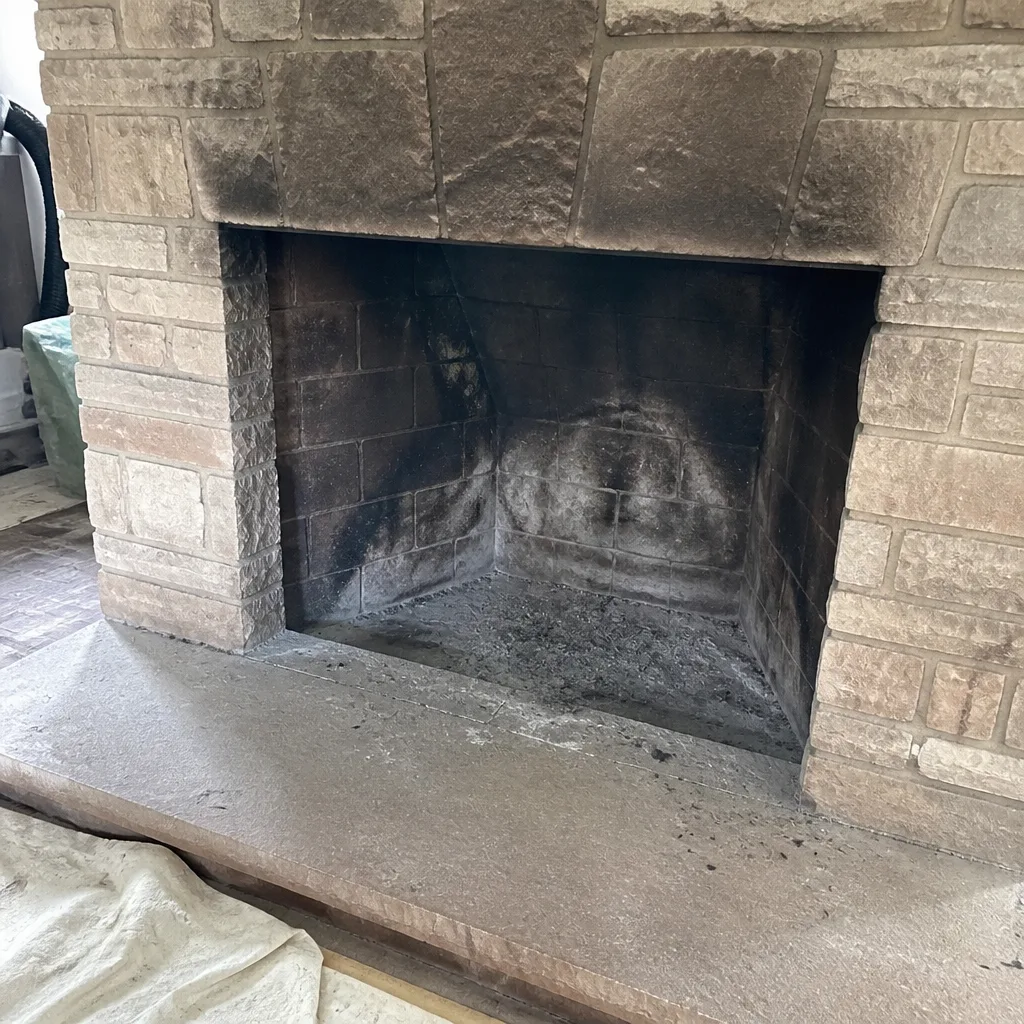 Before
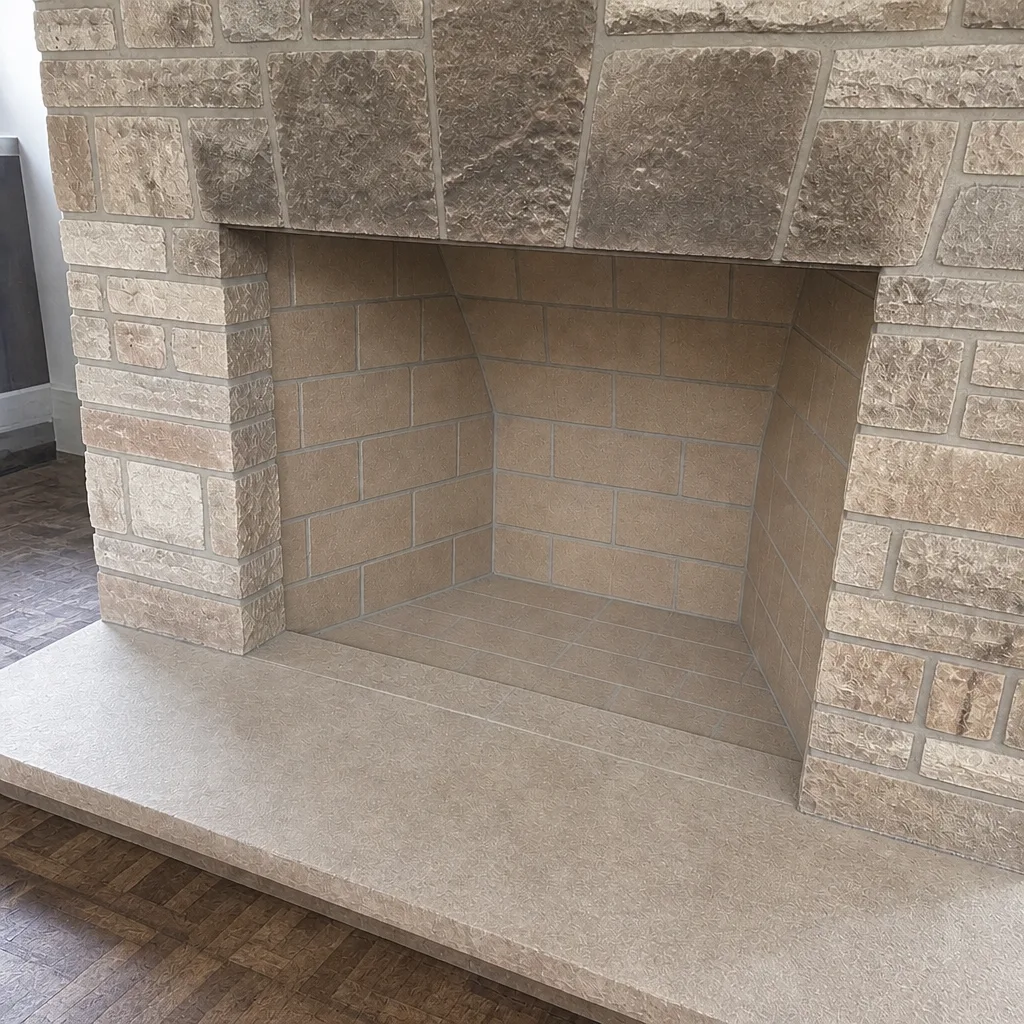 After
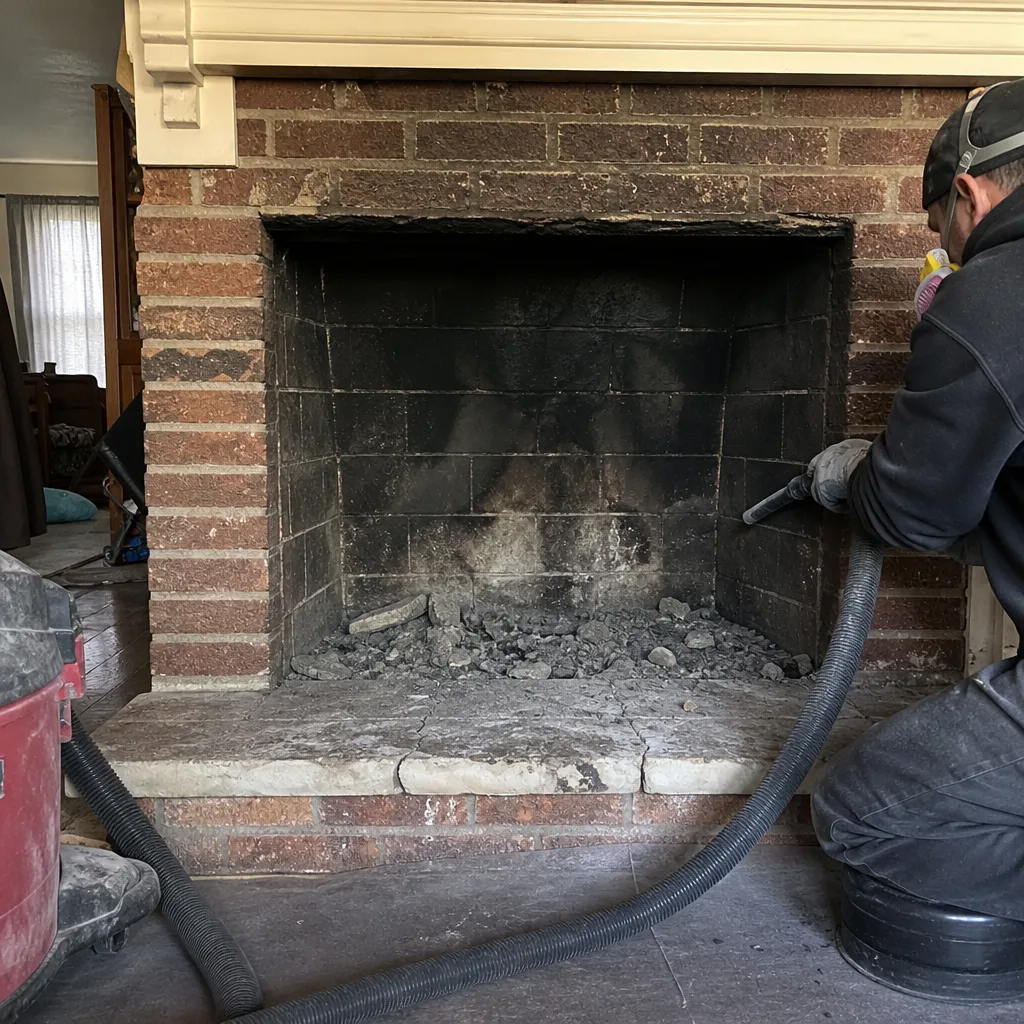 Before
 After
 Before
 After
When to Call a Professional
Some chimney problems announce themselves and some stay hidden until they’re expensive. Call a professional if you’ve never had your chimney inspected and don’t know its history, if you’re burning wood and haven’t had a sweep in a year or more, if you notice a strong odor from the fireplace even when it’s not in use, if the fire doesn’t draft well or smoke backs into the room, or if you see cracked or missing mortar on the chimney exterior. Any of those is a reason to get a certified technician on the roof. If you’re in Park Hill, you can also call us before you buy a home with a fireplace you’re unsure about; a documented inspection is a small cost compared to discovering a liner problem after closing. Chimney Sweep Park Hill offers free estimates in Park Hill. Call (877) 770-1914. We answer 24/7. Fast dispatch from 7am to 7pm, Sunday through Friday. Our technicians have up to 12 years of experience, and we work with trade-grade products from HeatShield, DuraFlex, and other professional-grade brands rather than hardware-store substitutes. You can start with our Chimney Sweep Park Hill page or call us directly.
Frequently Asked Questions
Start with CSIA certification for the technician doing the work, then confirm the company carries general liability insurance and workers’ comp. Ask the three pre-booking questions: what the inspection includes, whether findings are documented with photos or video, and whether the company does repairs in-house or refers them out. Specific answers to all three are the strongest signal of competence. Call (877) 770-1914 for a free estimate and we’ll walk you through exactly what a visit covers.
A camera inspection is what lets you see the inside of your flue liner, and in Park Hill’s older masonry chimneys, the liner is where the expensive problems hide. A brush cleans the flue; a camera shows whether the flue is still sound. Without it, you’re relying on a verbal guess about a part of your home you can’t see. If a company recommends liner work, the camera footage is the evidence behind that recommendation. Call (877) 770-1914 to book an inspection with documentation included.
No. Colorado doesn’t issue a statewide license specifically for chimney sweeps, so any claim of being a “licensed chimney sweep” in Park Hill needs a follow-up question about what that actually means. What you can and should verify is insurance, workers’ comp, and CSIA certification through the CSIA directory. General contractor registration requirements vary by jurisdiction, so check what applies locally. Call (877) 770-1914 and we’ll tell you plainly what credentials our technicians hold.
A legitimate report states the date, the technician and their certification, the level of inspection performed, the condition of the firebox, damper, smoke chamber, flue liner, cap, and crown, and any camera findings with images. It should also list what was cleaned, what was found, and recommendations with a clear sense of urgency. A verbal-only summary leaves you with no record. Call (877) 770-1914 and ask for a sample report before you book.
Liner replacement is one of the highest-ticket jobs in chimney work, which is why it attracts pressure tactics. The legitimate version of that recommendation comes with camera documentation of a deteriorated or damaged liner. The illegitimate version comes with urgency and no evidence. Our approach is inspection first, recommendations second, and nothing is recommended that you can’t see for yourself. Sometimes a HeatShield restoration addresses a deteriorated flue without full replacement, which is why we carry it. Call (877) 770-1914 to find out what your chimney actually needs.
Once a year for any chimney in active use, ideally before heating season starts. The general sweep guidance is to clean when there’s a meaningful creosote buildup, which depends on how much and how you burn. Gas fireplaces still need annual inspection even without creosote. The Park Hill freeze-thaw cycle makes the pre-winter inspection especially valuable, since it catches cap and crown problems before winter makes them worse. Call (877) 770-1914 to book before the season.
The Bottom Line
The chimney trade has a low barrier to entry, which means the hiring decision is the homeowner’s real protection. Verify CSIA certification on the person doing the work, confirm insurance and workers’ comp with actual documents, ask the three pre-booking questions about inspection scope, documentation, and in-house repair capability, and refuse to accept a recommendation you can’t see evidence for. A written report after the work is not optional; it’s your record. Park Hill’s older masonry chimneys and freeze-thaw climate make the cap, crown, and liner the parts that matter most, and a specialist who scopes the full system will catch what a brush-and-run operation misses. From the firebox to the crown, that’s the standard. If you want a free estimate from a full-service chimney specialist, call (877) 770-1914. We answer 24/7. Fast dispatch from 7am to 7pm, Sunday through Friday.
Written by the team at Chimney Sweep Park Hill.