
Last updated November 24, 2026
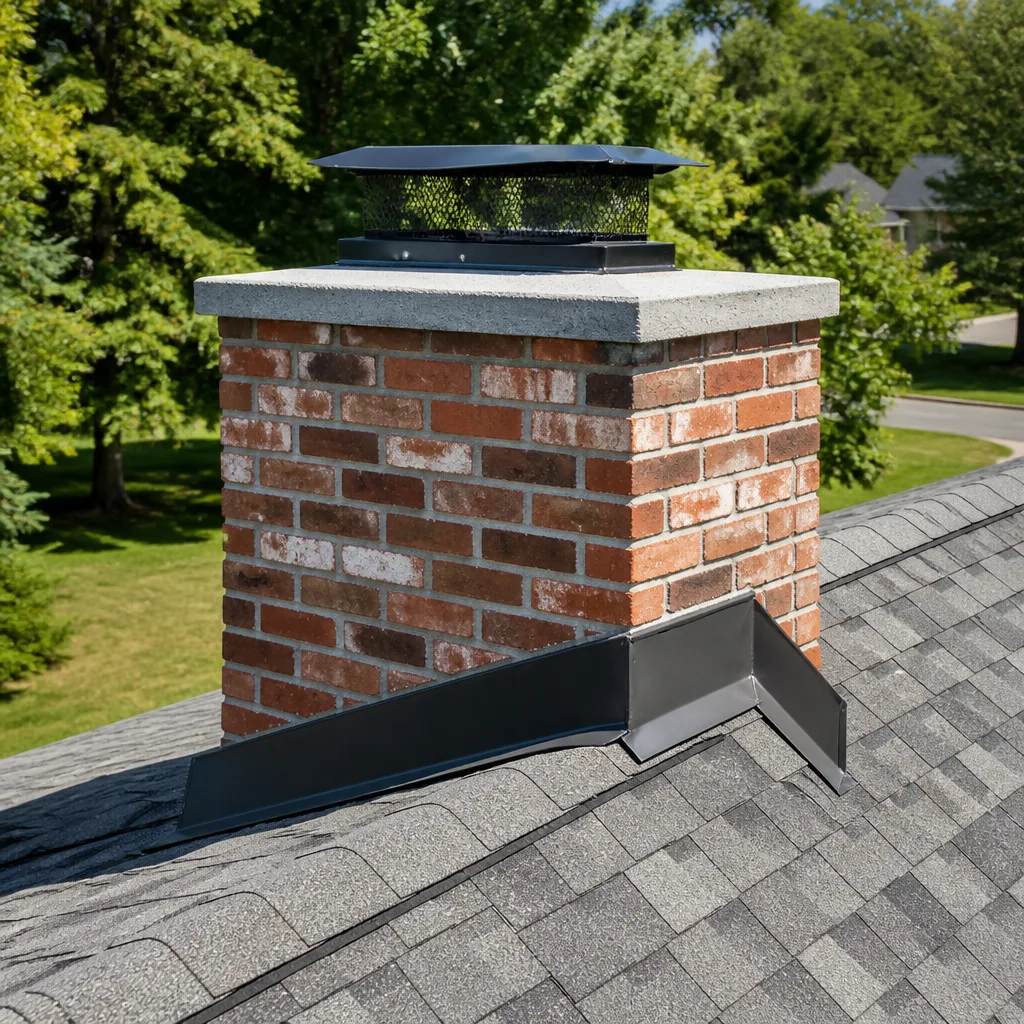 Sweep & inspection
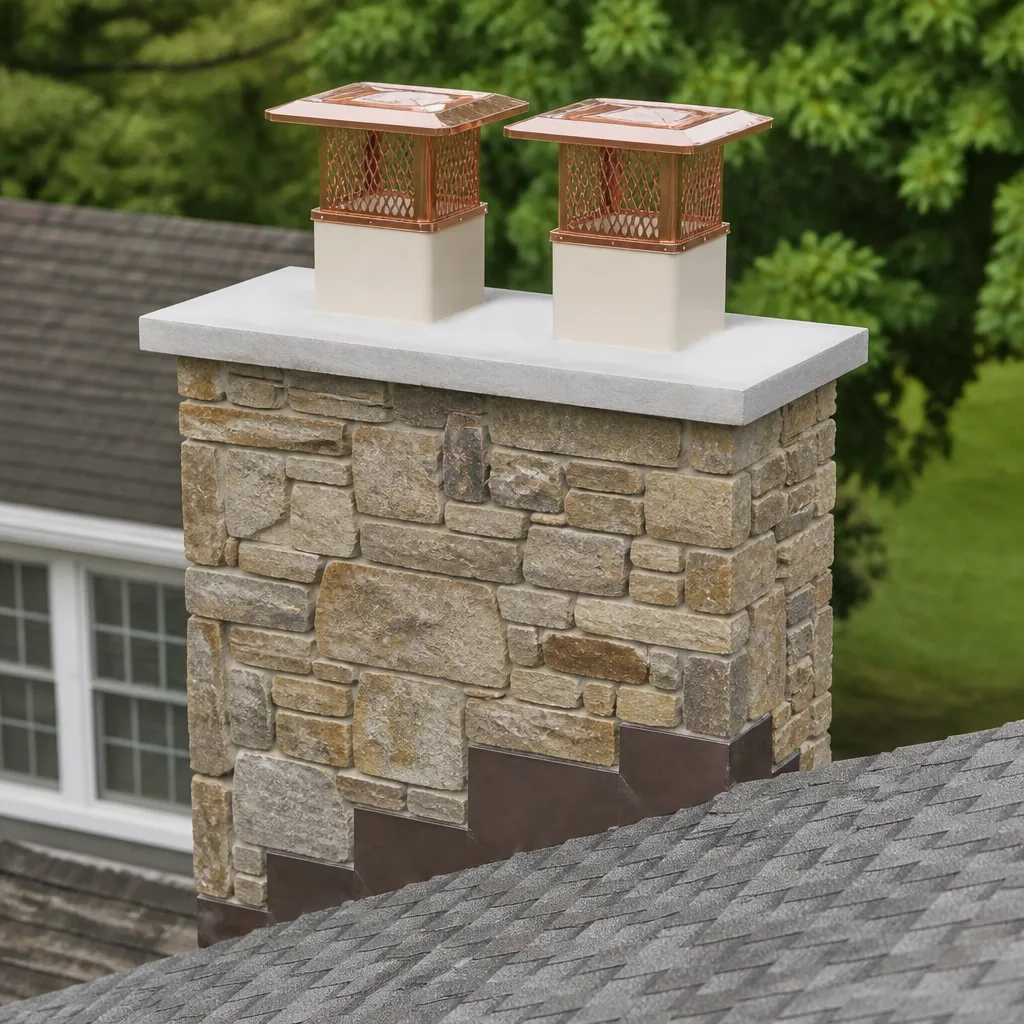 Caps & crowns
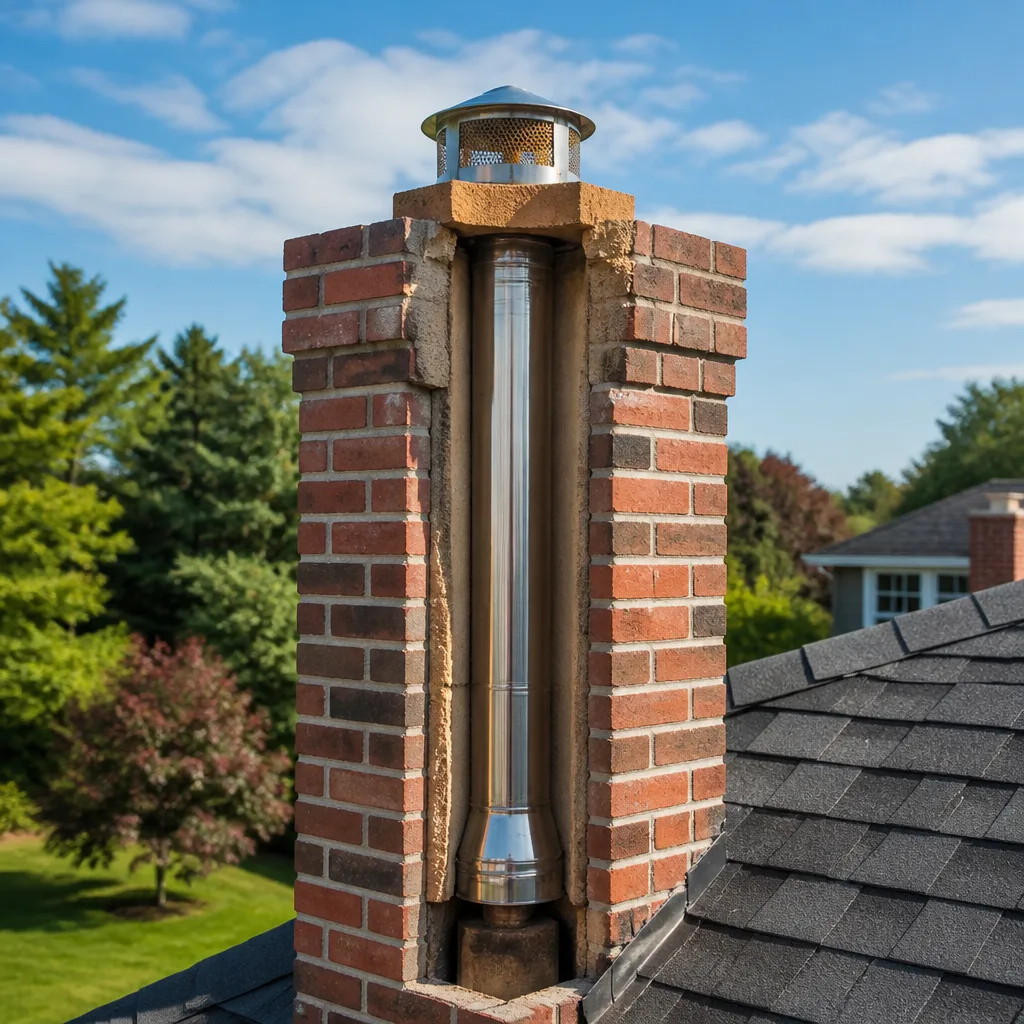 Flue relining
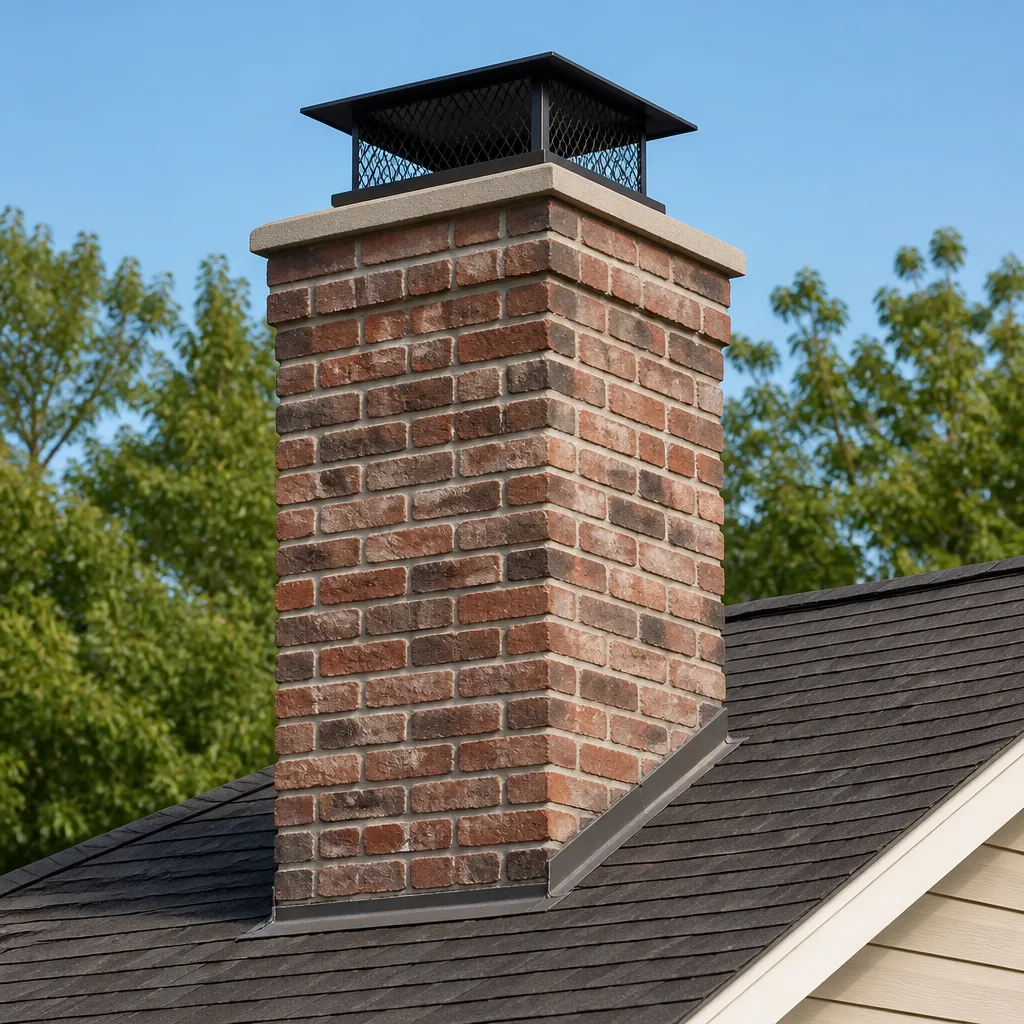 Masonry repair
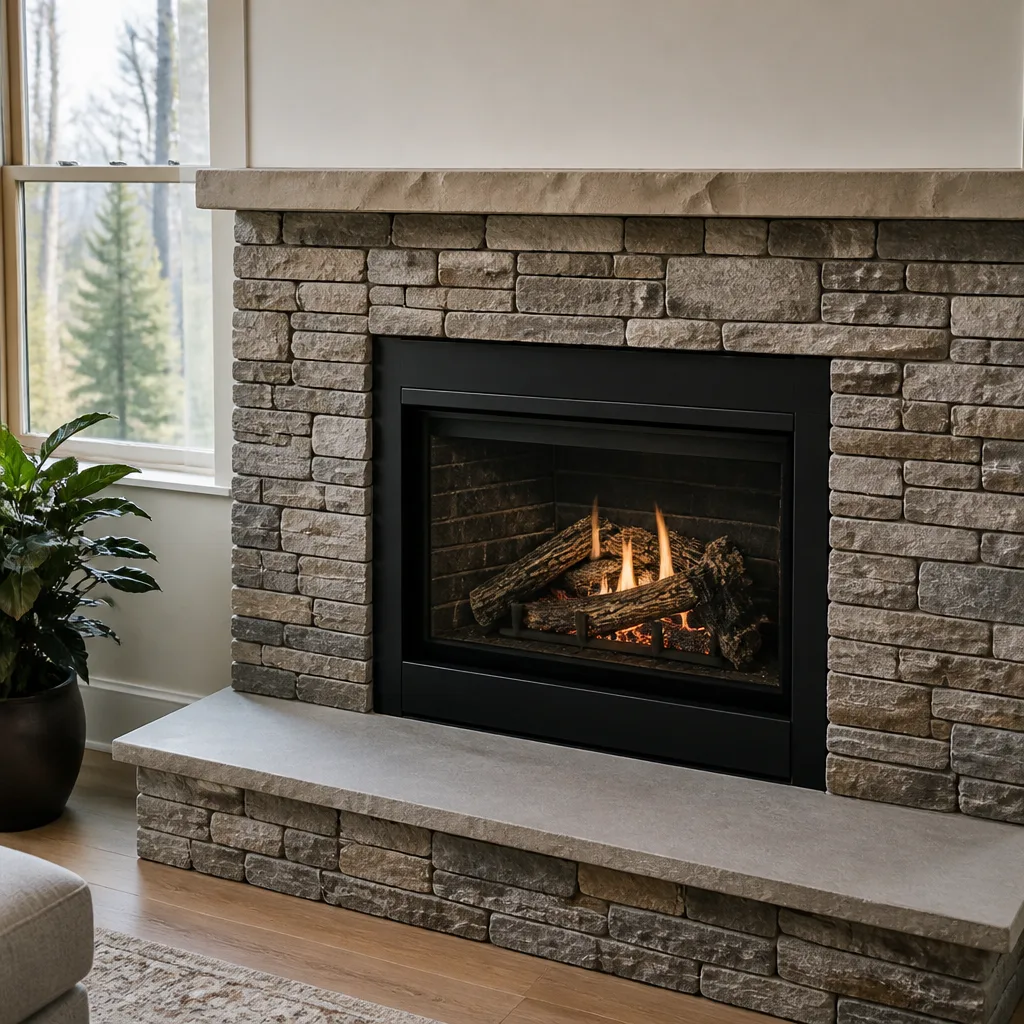 Gas fireplace service
Level 1 sweep and inspection to the NFPA 211 annual standard - flue, crown, cap, and flashing checked and photographed
Chimney sweep logs do not sweep chimneys. They loosen some creosote - which then falls where a brush and vacuum still have to collect it.
Choosing the Right Chimney Cleaning Brand: A Buyer’s Guide for Park Hill
A stainless steel liner can carry a UL 1777 listing and still fail inside a decade if the alloy grade is wrong for what you burn. That’s not a scare tactic. It’s chemistry. The difference between 304 and 316L stainless is a few percentage points of molybdenum and nickel, and those points decide whether flue gases and condensate chew through a liner’s wall or leave it alone. Most homeowners have never been told this, because most contractors never explain material choices. We’re a chimney-only specialist working in Park Hill, and we’ve watched this gap between what goes into a chimney and what the customer is told about it. This guide covers what the trade actually uses, why the specs matter, and how to ask the questions that separate a materials-literate contractor from a low-bid one.
Quick Answer
The right chimney cleaning brand is the one whose materials match your fuel type, your flue geometry, and your local climate. For liner work, that usually means a UL 1777-listed stainless system from a trade supplier like DuraFlex or Olympia Chimney, in the correct alloy grade and gauge. For liner restoration without demolition, HeatShield is the trade standard. For caps and seals, the brand matters less than the material: stainless or copper over galvanized, and contractor-grade sealants over consumer caulk. Brand names matter, but only when the contractor can explain the spec behind them.
Styles & brands we work with
- Sweep & inspection
- Caps & crowns
- Flue relining
- Masonry repair
- Gas fireplace service
Table of Contents
- What Actually Matters in Chimney Liner Materials
- Chimney Cap Materials for Park Hill’s Climate
- Crown Sealants and Waterproofing: Contractor-Grade vs. Consumer-Grade
- Creosote Removal Products: What They Can and Can’t Do
- HeatShield Liner Restoration: When You Don’t Need a Full Replacement
- The Questions That Reveal Material Choices
- Common Mistakes to Avoid
What Actually Matters in Chimney Liner Materials
Three specs decide how long a stainless liner lasts: alloy grade, gauge, and whether the product is listed to UL 1777 for the fuel type you actually burn. Get any of those wrong and the liner can be “UL Listed” and still be the wrong part. The listing tells you the product meets a standard. It doesn’t tell you the standard fits your situation. Here’s what each spec means in practice.
Alloy Grade: 304 vs. 316L
You’ll see 304 stainless and 316L stainless across the trade. The 316L alloy adds molybdenum, which resists chloride attack and wet acidic condensate far better than 304. A wood-only flue that runs hot and dry can live a long time in 304. A gas appliance, or a wood insert that idles at low burn and produces more condensate, is a different story. Chlorides in flue gas from gas appliances and some fuels attack 304 faster than 316L. The grade has to match what you burn, not what’s cheapest on the invoice.
Gauge: Wall Thickness
Gauge is steel thickness, and thinner isn’t better. Very light gauges resist flexing better in short runs, but heavy-wall liner has more material for the flue to eat through. The right gauge depends on run length, the number of fittings, and the fuel. A contractor who recommends a single gauge for every job isn’t thinking about the job.
UL 1777 by Fuel Type
UL 1777 is the standard for chimney liners. A listing doesn’t distinguish by fuel unless the product’s listing does. That’s why the honest question is not “is it UL Listed” but “is it listed for this appliance and this fuel, at this diameter.” Trade suppliers like DuraFlex publish exactly that in the spec sheets. A contractor who can pull the sheet and show you is a contractor who knows what they installed.
Why This Matters in Park Hill
Park Hill’s housing stock runs from early-to-mid-20th-century brick chimneys to newer builds, and a lot of those older flues were laid up with clay tile that has cracked or spalled. When a liner goes in for chimney sweep service on a house with an original flue, alloy and gauge decisions are made against 80-year-old masonry dimensions, not a clean modern chase. Front Range freeze-thaw cycling works on that masonry every winter, which makes the liner’s protection of the surrounding brick as important as the liner itself. A rough sweep and a thin liner is a worse combination than a careful one with the right alloy.
Chimney Cap Materials for Park Hill’s Climate
A chimney cap lives in one of the harshest spots on a house: full sun, wind-driven rain, snow sitting on it, and freeze-thaw cycling into spring. The material you choose decides how long it holds up under Park Hill’s Front Range conditions, where the sun is intense at altitude and the temperature swings hard between day and night. Three materials show up most often.
- Galvanized steel is the cheapest option and the shortest-lived. The zinc coating protects the steel until it scratches or wears through, then rust starts and spreads. It’s fine as a stopgap, rarely as a long-term choice.
- Stainless steel is what trade suppliers like Olympia Chimney lean toward for longevity. It resists rust, handles the UV exposure without degrading, and doesn’t need coating. It costs more up front and needs less attention.
- Copper is the long-haul material. It develops a protective patina, withstands freeze-thaw cycles well, and is the choice when a cap needs to last as long as the chimney does. It’s the most expensive and the most forgiving over the years.
The material question is really a question about water intrusion. A cap is a roof for the flue. If it’s a cheap galvanized unit that rusts through in a few seasons, water gets in and starts working on the masonry, the damper, and the flue tile below. That’s why we treat chimney cap & crown work as a damage-prevention service rather than an add-on. The right cap in Park Hill’s climate is stainless or copper, sized correctly to the flue’s inside dimensions, with a screen that keeps birds and debris out without choking the draft. A poorly sized cap is almost as bad as no cap at all: too little screen area and the stove smokes back, too much and it catches the wind. Material choice and fit are one decision, and a contractor who only talks about price per unit isn’t giving you either.
Crown Sealants and Waterproofing: Contractor-Grade vs. Consumer-Grade
Most of the water damage chimneys suffer doesn’t come down the flue. It comes in through the crown, the flat concrete or masonry cap at the very top, and through the masonry itself. The products that stop it are not the same products sold in a paint aisle. This is where formulation matters most, and where the difference between contractor-grade and consumer-grade is easy to see once you know what to look for.
What Contractor-Grade Means
A contractor-grade crown sealant is a flexible, elastomeric masonry coating designed for the movement a chimney actually sees. It bridges hairline cracks, stays bonded through freeze-thaw cycling, and allows the masonry to breathe so trapped moisture can escape. Consumer-grade caulk and paint lack that flexibility. They crack within a couple of seasons in a Park Hill winter, and once they crack, they can trap water against the masonry while looking intact from the ground.
Why Breathability Is the Point
Masonry is porous, and any brick chimney absorbs some water. The goal isn’t to seal it like a boat. The goal is to shed bulk water off the surface while letting vapor escape. A breathable vapor-permeable waterproofing, applied correctly to a clean and sound surface, does that. A non-breathable film eventually peels and can leave the brick in worse shape than it started. When a contractor specifies a brand, the question to ask is “is this breathable, and how many years should I expect before recoating.” Those two answers tell you whether they’ve thought about the product or just bought the cheapest drum.
What We Specify
We work with Gelco products for crown and masonry waterproofing because they’re built for the trade: flexible, breathable, and formulated for the kind of masonry movement an older Park Hill chimney sees. The brand matters less than the class of product, though. A genuine elastomeric, vapor-permeable coating from a trade supplier will do what a paint-aisle product won’t, and the wrong product on the right chimney is a losing trade either way. Crown work is a repair, not a paint job, and the product should reflect that.
Creosote Removal Products: What They Can and Can’t Do
Chemical creosote treatments are real tools with real limits. They soften and convert glazed creosote, the hard, shiny, tar-like deposit that forms when a fire runs cool and smolders, into something a brush can actually remove. That’s the useful part. They do not remove creosote on their own, they don’t replace a mechanical sweep, and they don’t fix the burning habits that created the deposit. Used correctly, they turn an impossible brush job into an ordinary one. Used as a substitute for mechanical cleaning, they’re a way to spend money and stay unsafe.
How They Work
Most of these products use a chemical reaction to alter the structure of stage-three glazed creosote. You apply the product, let it dwell, and follow the label’s timeline. The deposit turns powdery or flaky enough that a sweep can knock it loose. The trade places creosote in three stages, from soft soot to the hard glazed coating, and only the glazed stage really needs a chemical assist.
When They’re the Right Call
If a camera inspection shows glazed creosote lining the flue and a normal brush won’t bite, a chemical treatment is a legitimate, even preferred, way to make the flue safe for sweeping. It’s also useful when a flue has been burning poorly and the deposit has built up far enough that a first sweep might not clear it in one pass. In those cases, the treatment and the sweep work together.
When They’re a Substitute for Real Cleaning
A homeowner who buys a creosote log and considers the chimney cleaned has not cleaned the chimney. The product may soften the deposit but the deposit is still in the flue, and the flue is still a fire risk until it’s mechanically removed and inspected. One relevant note for Park Hill: the high-altitude dry climate means wood season can be long and burning habits variable, so a chimney that smolders its fires low will build glazed creosote faster than a hot-burning one. The fix for that is burning hotter, sweeping on schedule, and letting the sweep remove what’s there, not relying on a log to do it for you.
HeatShield Liner Restoration: When You Don’t Need a Full Replacement
If the flue tiles are cracked or spalled but the chimney structure is sound, you may not need a full stainless liner. HeatShield is a trade system that restores deteriorated flue tiles from the inside, sealing cracks and rebuilding the flue’s smooth interior surface without demolition. It’s a real technical distinction between a sweep-only outfit and a chimney specialist, and it’s the money-saving answer to a question a lot of homeowners never hear.
When a Flue Qualifies
HeatShield is for a flue with individual tile damage and a structurally intact chimney. If the flue is sound enough to hold the restoration material, the tiles are still in place, and the surrounding masonry is stable, the system can restore the lining without knocking anything down. If the chimney’s structure is failing or the flue dimensions are too far gone, a full liner replacement is the honest answer and HeatShield isn’t.
Why We Carry It
We carry HeatShield because it lets us tell a Park Hill homeowner the truth about a repair they may have been quoted tens of thousands of dollars for. A deteriorated flue doesn’t automatically mean mason-out-and-relined. It sometimes means a restorable flue and a fraction of the disruption. The only way to know which you’re looking at is to inspect first, with a camera, before recommending anything.
The Full Spectrum Under One Roof
This is where the brand lineup connects. DuraFlex and Olympia Chimney cover the full stainless liner and cap side of the trade. HeatShield covers restoration when a liner isn’t needed. Gelco covers the crown and masonry waterproofing above it all. Famco and Copperfield fill in the components and accessories the system needs. A chimney specialist who works across those lines can handle a job from the firebox to the crown without handing you off to a mason, a sweep, and a roofer in sequence. That continuity is the actual product. It’s why a partial-restoration conversation is even possible, and why a full-spectrum provider and a sweep-only one give you different options on the same flue.
In Park Hill, older masonry chimneys are the norm rather than the exception, and a lot of them are closer to restorable than replacement. If you want the full picture before committing to big work, start with a chimney sweep and a real inspection. Call (877) 770-1914. We answer 24/7. Fast dispatch from 7am to 7pm, Sunday through Friday.
The Questions That Reveal Material Choices
The fastest way to find out whether a contractor is using trade-trusted materials or low-bid substitutes is to ask specific questions and listen to the answer. A materials-literate contractor answers in specs. A substitute-tier contractor answers in adjectives. Use these in the order below and you’ll know within a few minutes.
- “What alloy grade and gauge is the liner you’re recommending, and is it listed to UL 1777 for my fuel type?” A real answer names the grade, the gauge, and the listing. Vague answers (“it’s a quality liner”) are your cue to push.
- “Can I see the manufacturer’s spec sheet?” Trade suppliers publish these. A contractor who installs DuraFlex or Olympia Chimney can produce them; a contractor buying off a discount channel often can’t.
- “What brand of crown sealant will you use, and is it breathable?” A trade-grade product has a name and a class. “We use a good sealant” is not an answer.
- “Is my chimney a candidate for HeatShield, and why or why not?” This question alone separates a sweep-only outfit from a full-spectrum chimney specialist. Any contractor who hasn’t heard of HeatShield hasn’t worked on flue-tile restoration.
- “Can I see the camera footage of the flue before you recommend anything?” Inspection first, recommendations second. A contractor who skirted the camera hasn’t built the diagnosis the recommendation is standing on.
- “What brand of cap are you proposing, and why that material for my roof type?” Stainless, copper, or galvanized should each come with a reason, not just a price.
- “What’s your written estimate going to cover, line by line?” A written estimate tied to specific products is a real one. A verbal “somewhere around” figure is not.
We’ve seen what happens when a homeowner gets a quote full of adjectives and a receipt full of the wrong parts. The questions above are not tricks. They’re the ones a trained chimney tradesperson expects to be asked. For the full lifecycle of the system, from firebox to crown, a specialist who works the same brands the trade uses should be able to answer every one of them without reaching for the brochure.
Common Mistakes to Avoid
- Buying on “UL Listed” alone. The listing says the product meets a standard. It doesn’t say the standard fits your fuel type or flue. Ask what alloy, what gauge, and what listing the product carries for your appliance.
- Putting galvanized caps on a Front Range chimney. The cheapest cap is a stopped clock. Park Hill’s sun and freeze-thaw cycle finish off galvanized steel faster than most homeowners expect, and the resulting rust-through is a water problem disguised as a cosmetic one.
- Treating creosote logs as a substitute for a sweep. Chemical treatments soften glazed creosote so a brush can remove it. They don’t remove it, and they don’t fix a contaminated flue that needs mechanical cleaning.
- Accepting a full liner replacement quote without a HeatShield conversation. Deteriorated flue tiles are not automatically a demolition-and-relining job. A specialist who can perform liner restoration will tell you whether your chimney is a candidate.
- Letting a generalist with a brush handle chimney repairs. A handyman who also does gutters and HVAC treats a chimney as one of many jobs. Liner selection and crown formulation are chimney decisions, not general-contracting ones.
- Skipping the camera. A recommendation that doesn’t come with footage is a guess with a price attached. Inspection comes first; the quote is what follows.
- Buying a consumer-grade sealant from the paint aisle. A product that looks sealed from the ground can trap water against the masonry for years. The one that belongs on a chimney is flexible, breathable, and trade-grade.
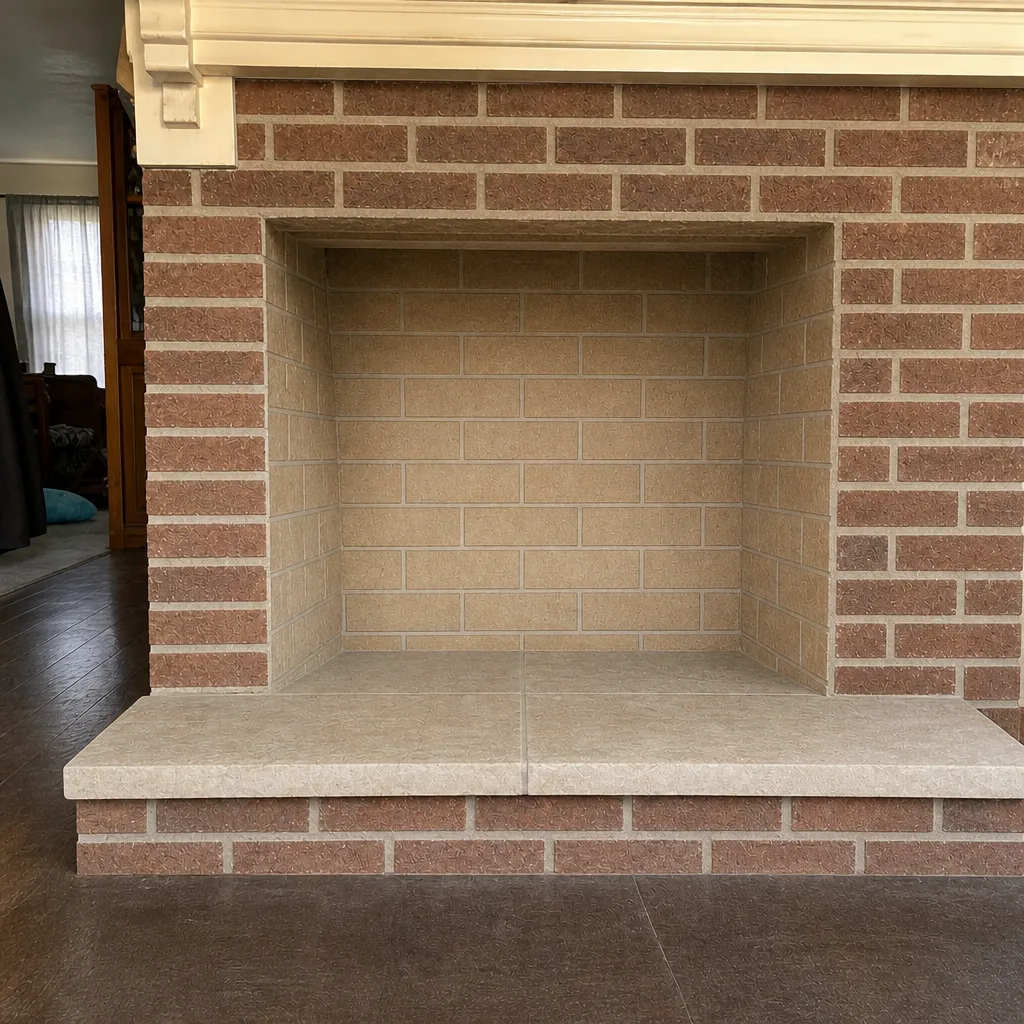
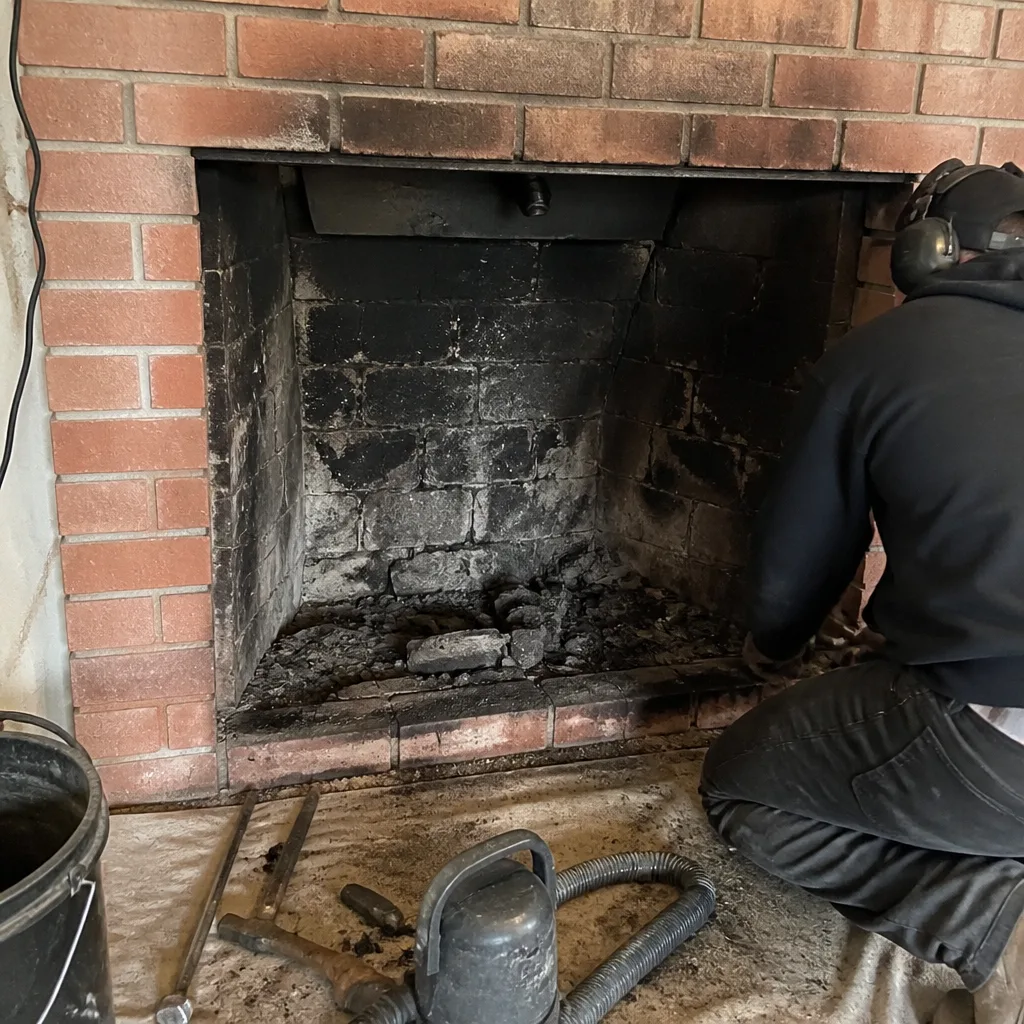
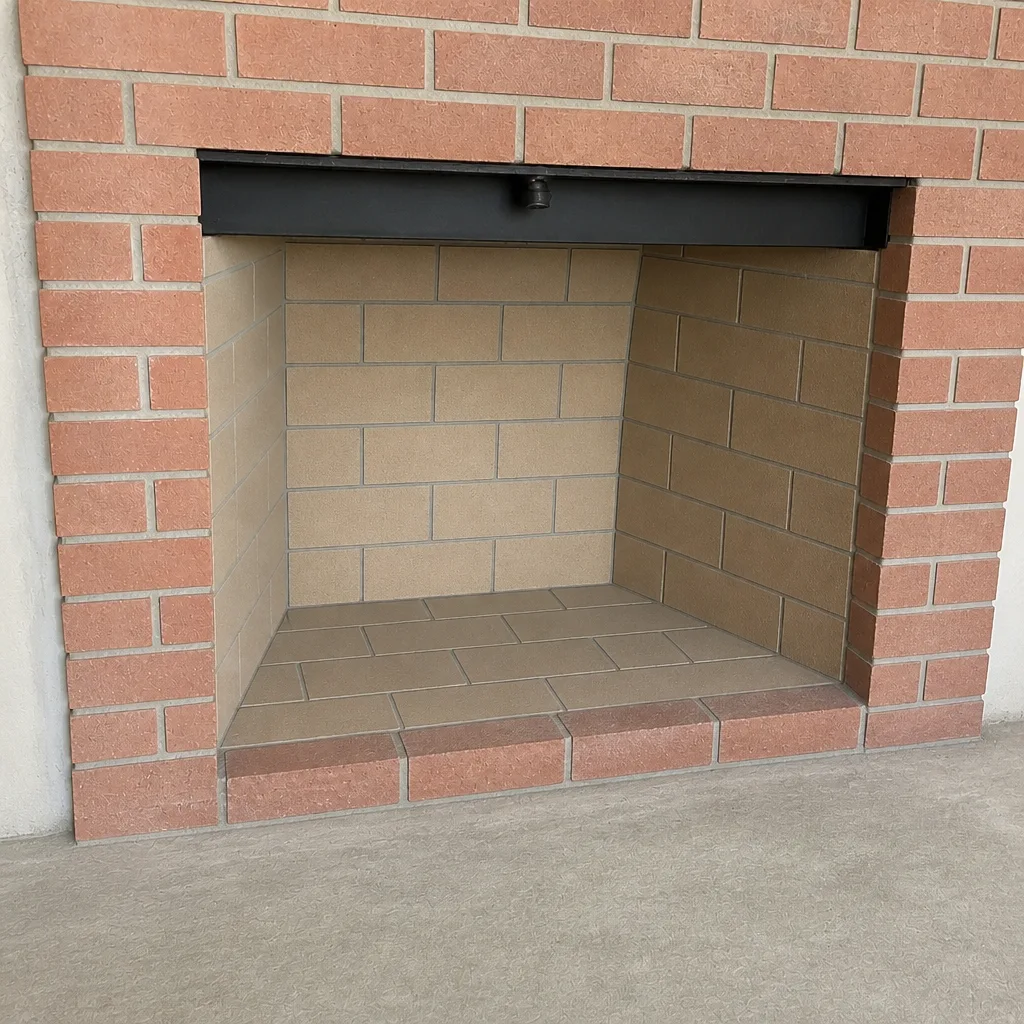
See the difference
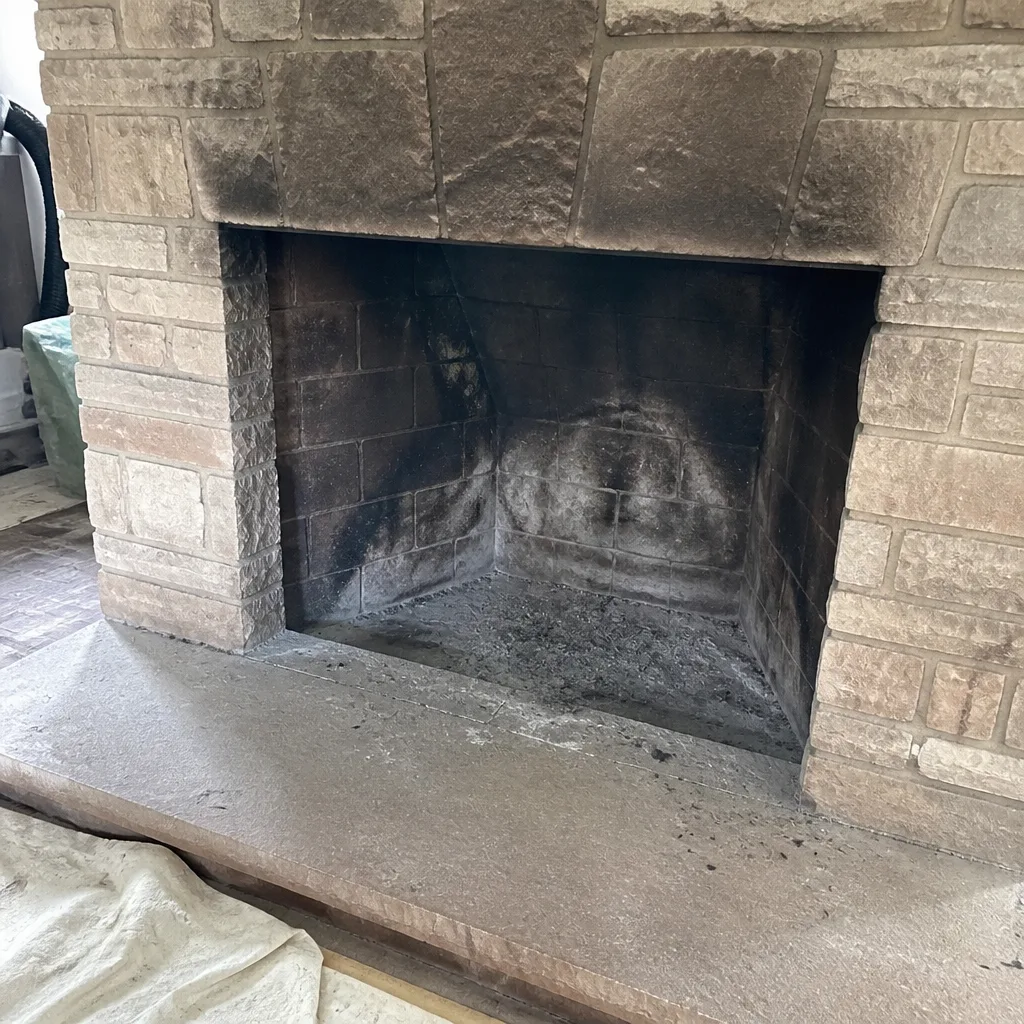 Before
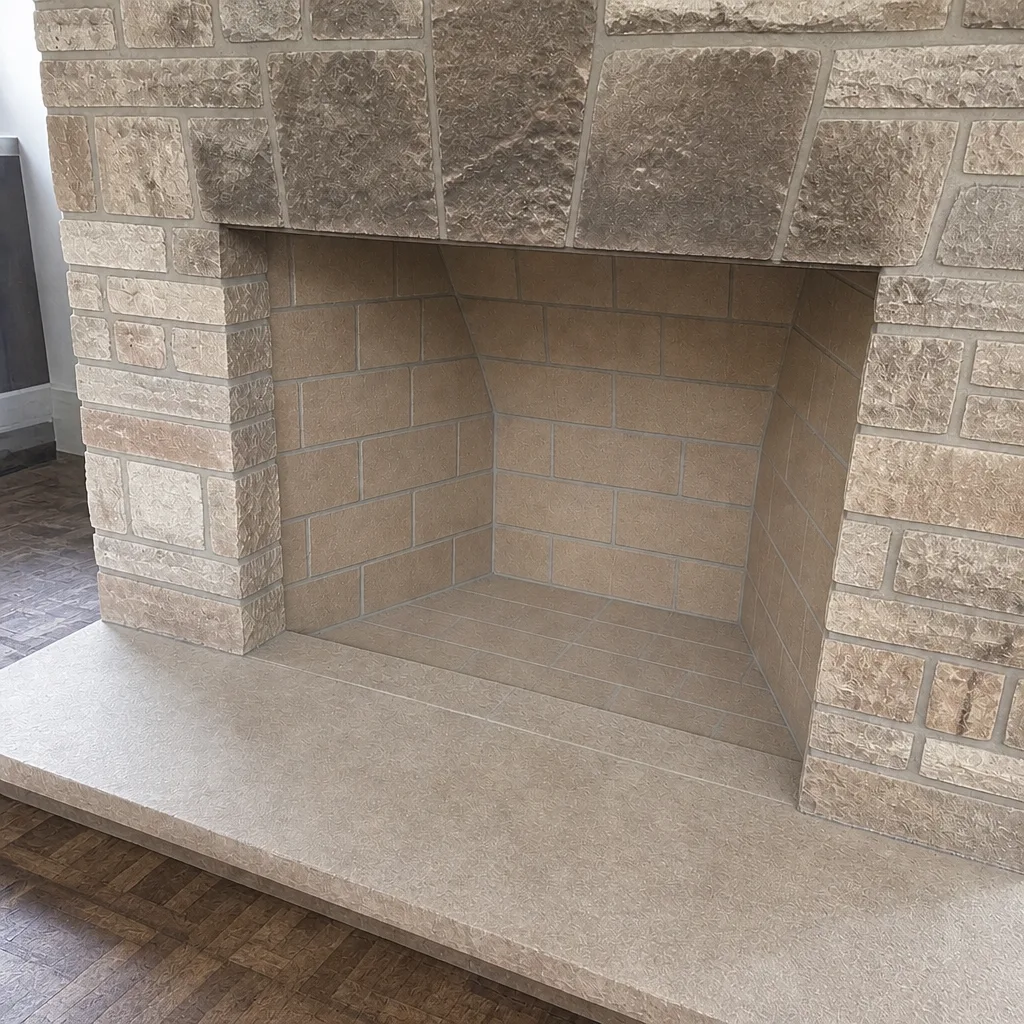 After
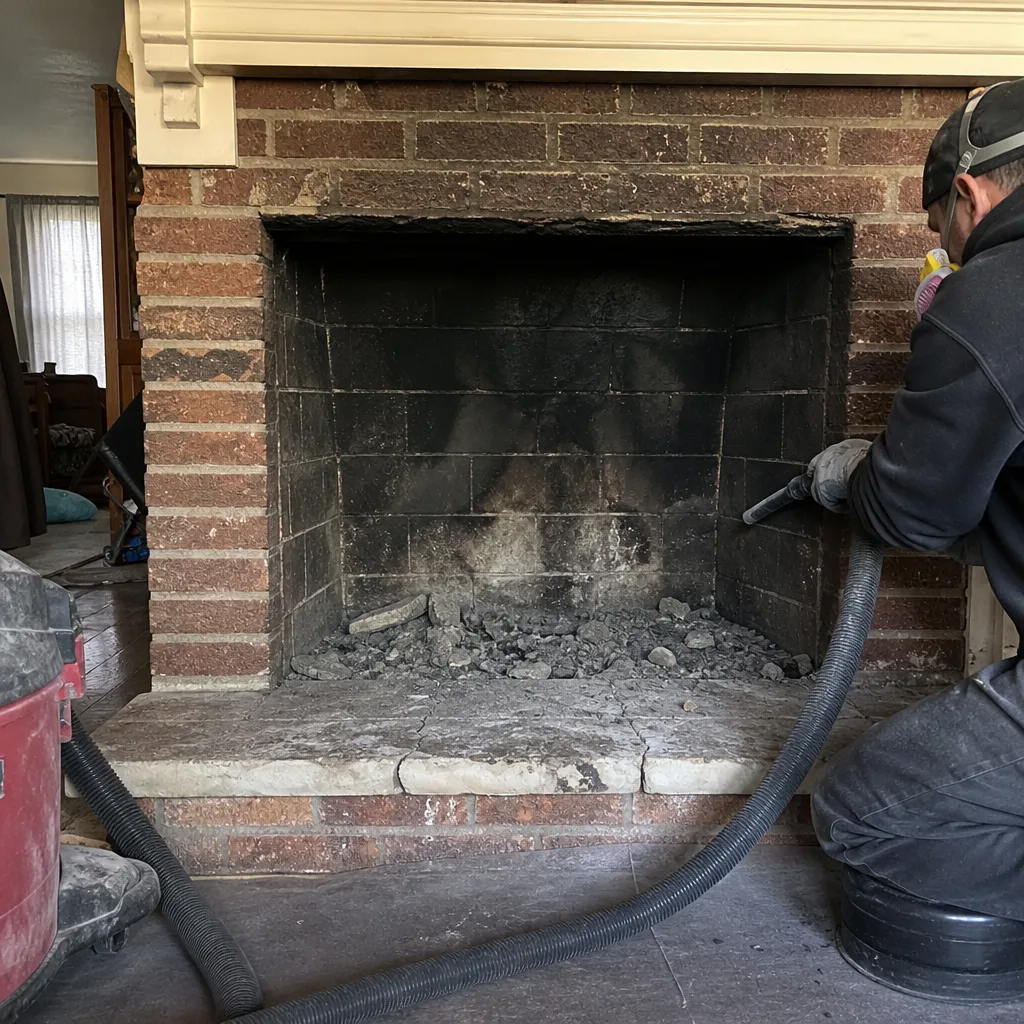 Before
 After
 Before
 After
When to Call a Professional
Most chimney work is not a homeowner project, and the reasons are the same ones the products in this guide exist. Call a chimney specialist when you’re planning a liner or cap replacement, when a flue camera has shown cracked or spalled tiles, when the crown or masonry is showing water damage, when glazed creosote has built up past what a routine brush can clear, or when a fireplace or insert isn’t drawing correctly. Chimney work involves heights, fire, and combustion gases. Carbon monoxide is a serious hazard, and a liner or cap that’s installed wrong is worse than the one it replaced. Chimney Sweep Park Hill is a chimney-only specialist offering sweeping, inspection, fireplace repair, chimney repair, and cap and crown work from a single provider. We offer free estimates in Park Hill. Call (877) 770-1914. We answer 24/7. Fast dispatch from 7am to 7pm, Sunday through Friday.
Frequently Asked Questions
Reputable contractors work with trade suppliers whose products are listed for the application and specified by chimney professionals: liner brands like DuraFlex and Olympia Chimney, restoration systems like HeatShield, and masonry and crown products from Gelco and Copperfield. The brand is a signal, but the spec behind it, in alloy grade, gauge, and UL 1777 listing for your fuel type, is what actually matters. Ask for the spec sheet, not just the brand name. Call (877) 770-1914 for a free estimate.
No. 316L is the upgrade when chlorides or wet acidic condensate are part of the flue’s life. 304 can be right for a hot-burning wood flue and is often a cheaper choice. 316L handles the harsher conditions better because of alloy chemistry, not marketing. Match the grade to the fuel and the appliance, not to the price tag. Call (877) 770-1914 for a free estimate.
Galvanized is the shortest-lived: the zinc coating wears through and the steel underneath rusts. Stainless holds up well to the sun and freeze-thaw cycling that Park Hill rooftops see and is the common trade choice. Copper lasts longest and develops a protective patina, at the highest up-front cost. The right material for your chimney depends on how long you want the cap to last and what you’re protecting beneath it. Call (877) 770-1914 for a free estimate.
They work as a tool and not as a replacement for a meeting with a brush. Chemical treatments soften glazed creosote so a sweep can remove it, but the deposit is still in the flue until it’s mechanically removed. A chemical treatment plus a proper sweep is a legitimate combination; a treatment alone leaves the fire risk in place. Call (877) 770-1914 for a free estimate.
Sometimes, yes. HeatShield restores deteriorated flue tiles from the inside, sealing cracks and rebuilding the flue’s interior surface without demolition, provided the chimney structure is sound and the tiles are still in place. If the flue is not a candidate, a stainless liner is the honest answer. A camera inspection and a specialist’s opinion make the call. Chimney Sweep Park Hill knows the difference. Call (877) 770-1914 for a free estimate.
Ask for the spec sheet, the alloy grade, the gauge, the UL 1777 listing by fuel type, and the crown product class. A materials-literate contractor answers in specifics and can show you the manufacturer’s documentation. A low-bid contractor answers in adjectives and often can’t produce either. The written estimate should reference the products by name. Call (877) 770-1914 for a free estimate.
The Bottom Line
The brand on a chimney part is only useful as far as someone in the trade can explain the spec behind it. Alloy grade and gauge decide how long a liner lasts. Stainless or copper over galvanized is the right cap material for Park Hill’s sun and freeze-thaw cycles. Contractor-grade, breathable crown sealants hold where consumer caulk fails. Chemical creosote treatments soften glazed deposits but never replace a real sweep. HeatShield restores flue tiles without demolition when the chimney is a candidate, and a specialist who works the full line, from the firebox to the crown, can tell you which conversations apply to your chimney. Inspection first, materials second, written estimate third. That’s the order that respects the homeowner and the system.
Chimney Sweep Park Hill is a full-service chimney specialist offering sweeping, inspection, fireplace repair, chimney repair, and cap and crown work from a single provider, working trade-grade products from DuraFlex, HeatShield, Gelco, Olympia Chimney, Famco, and Copperfield. Our technicians have up to 12 years of experience. Call (877) 770-1914 for a free estimate. We answer 24/7. Fast dispatch from 7am to 7pm, Sunday through Friday.
Written by the team at Chimney Sweep Park Hill.