
Last updated November 24, 2026
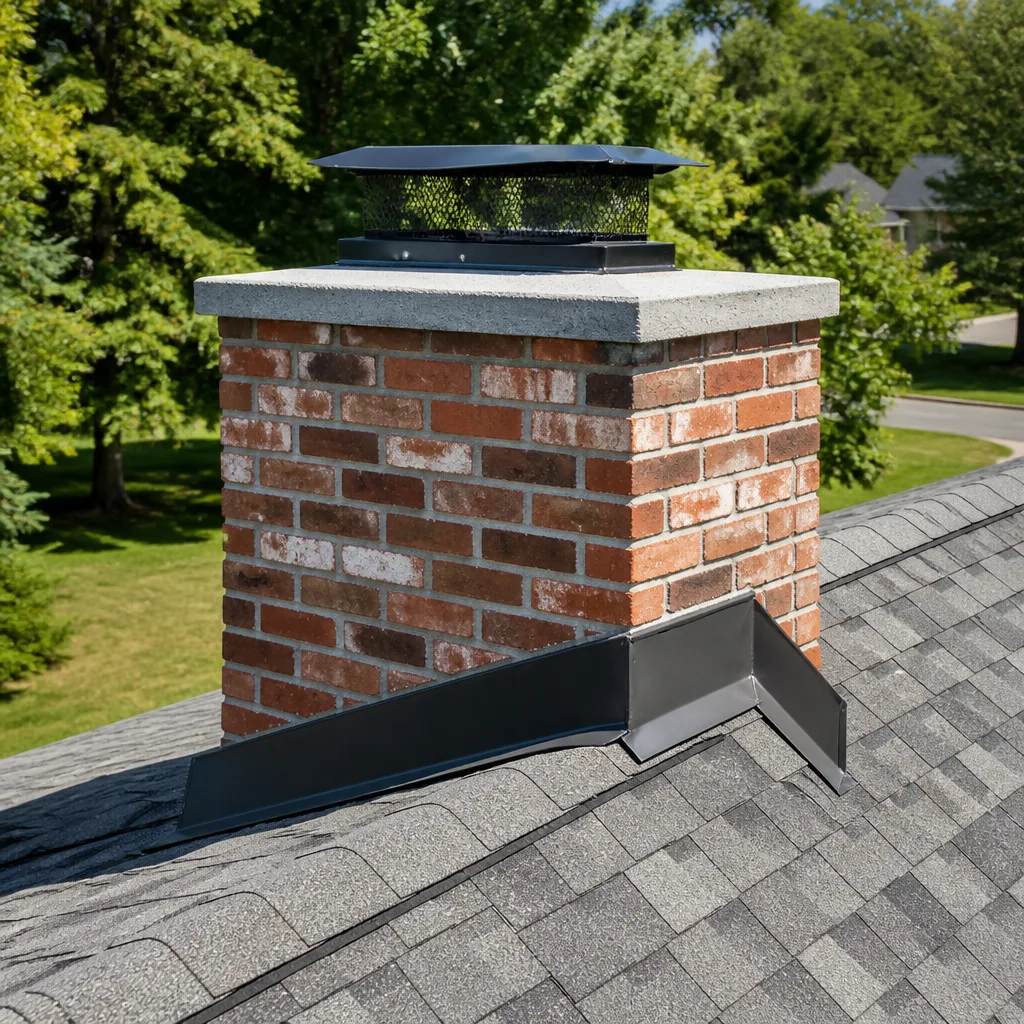 Sweep & inspection
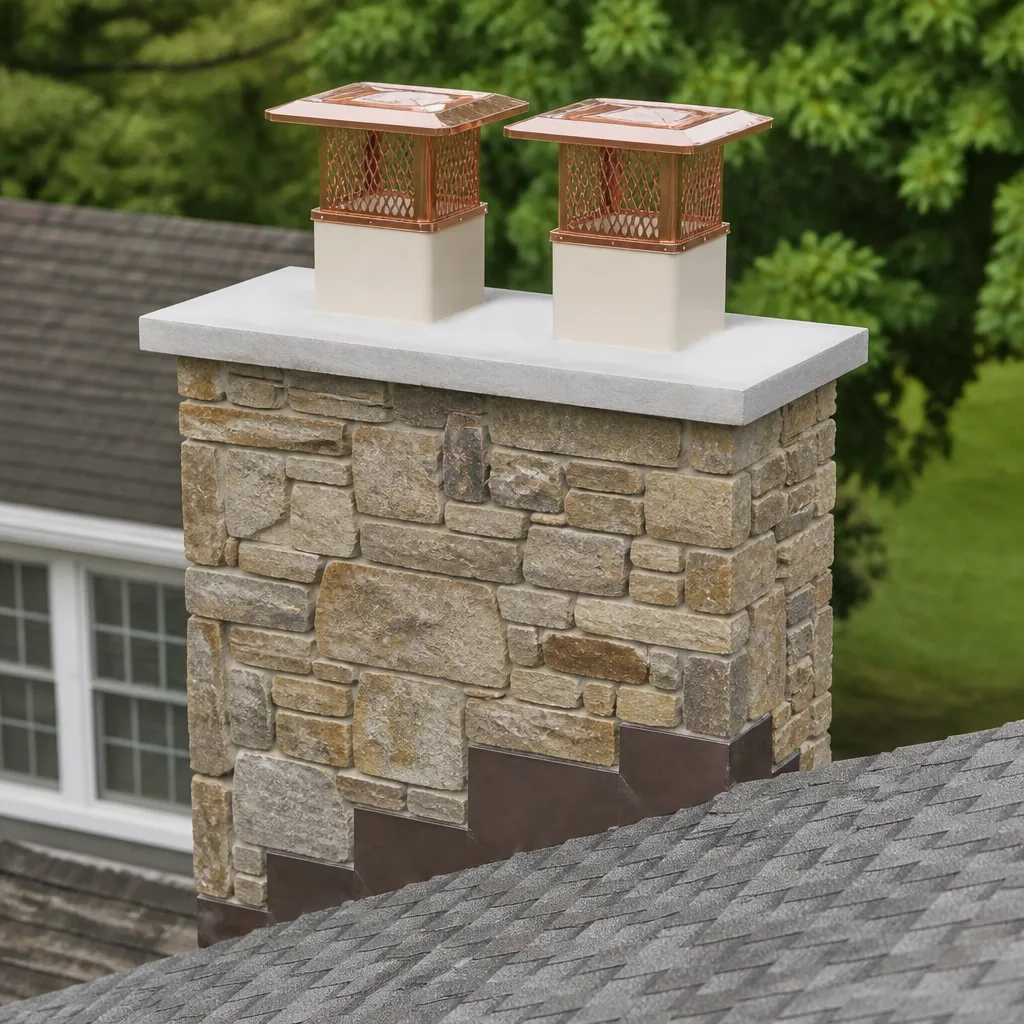 Caps & crowns
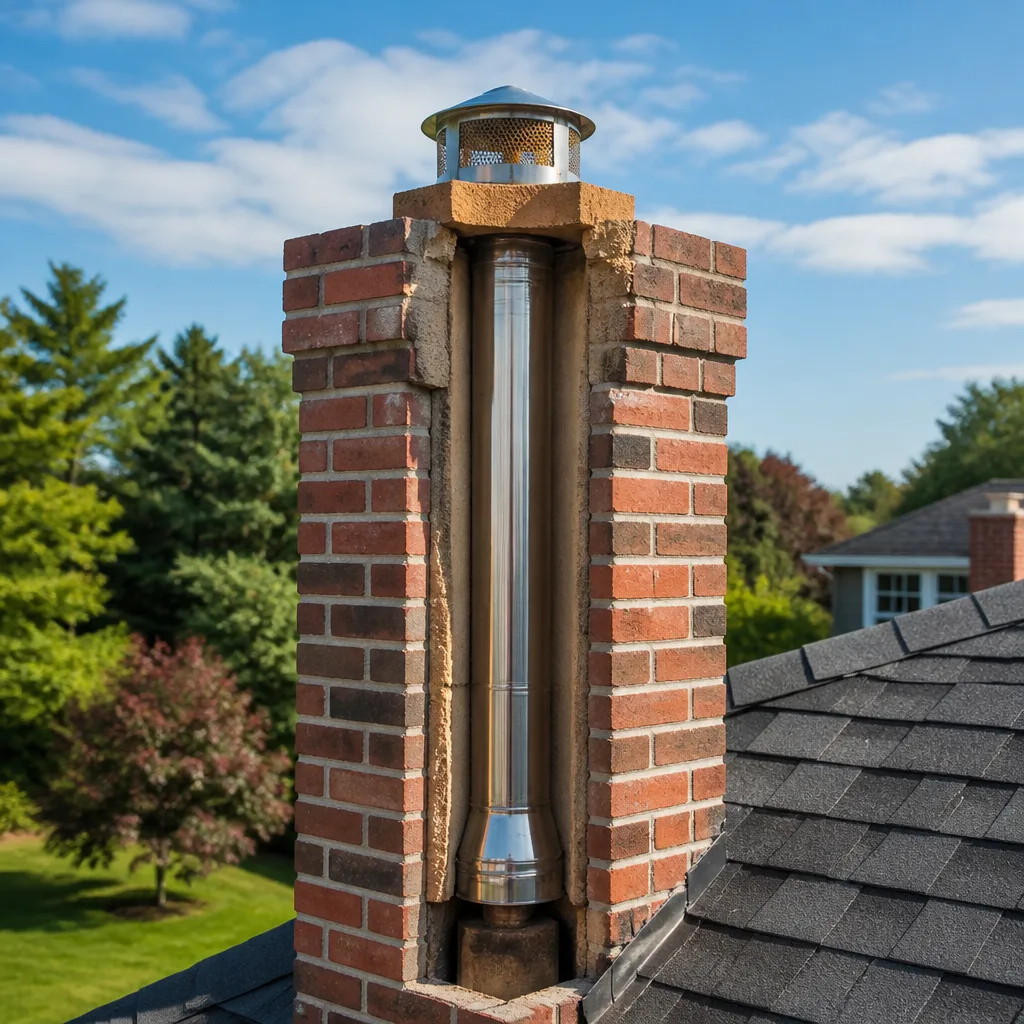 Flue relining
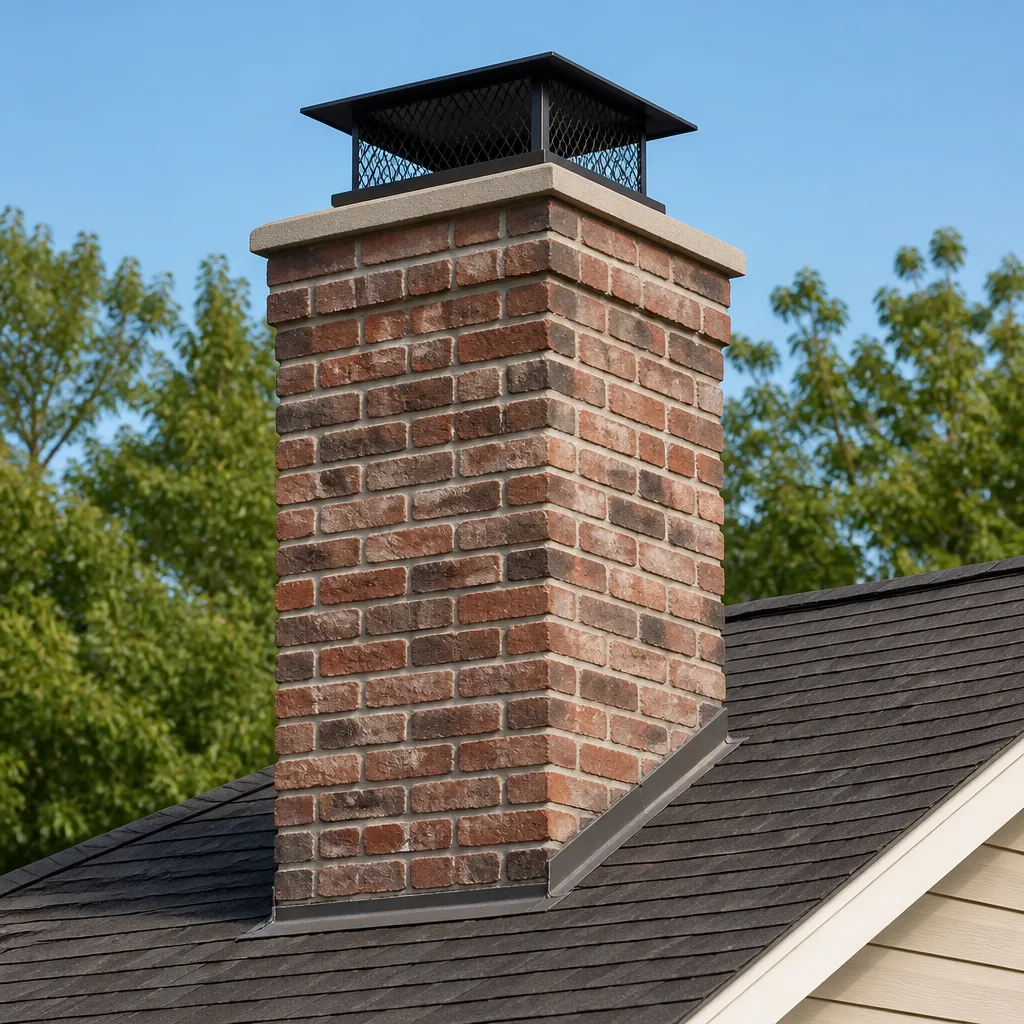 Masonry repair
 Gas fireplace service
Level 1 sweep and inspection to the NFPA 211 annual standard - flue, crown, cap, and flashing checked and photographed
Chimney sweep logs do not sweep chimneys. They loosen some creosote - which then falls where a brush and vacuum still have to collect it.
Chimney Sweep Maintenance Schedule: What to Do and When
Most homeowners treat the annual chimney sweep as the whole maintenance plan. It isn’t. The NFPA recommendation of an inspection and cleaning at least once a year was written for the median household burning one to two cords of wood a season. If you’re burning four or more cords through a Denver winter, or if your Park Hill home still runs on the original flue tiles from the mid-century build, that once-a-year floor is already behind where your system actually sits. A real schedule is built around burn frequency, fuel type, and the age of the chimney. What follows is the tiered version we use, season by season, so you can build one that fits your fireplace instead of guessing.
Quick Answer
Chimney maintenance runs on three clocks: a sweep and Level 1 inspection once a year for occasional burners, twice a year for heavy burners of four cords or more, and a Level 2 inspection any time the system changes (new liner, roof work, property sale). The spring post-season check matters as much as the fall one, because that is when snowmelt-driven moisture damage to the cap and crown is most visible and cheapest to fix. Everything else – damper lubrication, smoke shelf cleanout, firebox repointing – sits on a two-to-five-year cadence depending on how hard the fireplace works.
Styles & brands we work with
- Sweep & inspection
- Caps & crowns
- Flue relining
- Masonry repair
- Gas fireplace service
Table of Contents
- The Tiered Schedule: Occasional, Moderate, and Heavy Burners
- How Fuel Type Changes the Schedule
- The Spring Post-Season Tasks Everyone Skips
- Level 1 vs. Level 2 Inspections: What Each One Actually Covers
- The Maintenance Items Nobody Thinks About
- How a New HVAC, Insulation, or Roof Resets the Schedule
- What Park Hill Climate and 1950s Brick Demand
- Common Mistakes to Avoid
The Tiered Schedule: Occasional, Moderate, and Heavy Burners
A single sweep per year works as a floor, not a plan. The right interval depends on how much creosote your fire actually produces, which tracks closely with cords burned and how hot the fire runs. Here is how we tier it in Park Hill and across the Denver metro.
Occasional burner (1-2 cords, or decorative use)
- Annual: sweep and Level 1 inspection, ideally in late summer before the first fire.
- Annual: cap and crown visual check from the ground or roof, folded into the inspection.
- Every 2-3 years: full firebox joint check and damper lubrication.
Moderate burner (2-4 cords)
- Annual: sweep and Level 1 inspection in late summer.
- Annual spring: post-season cap and crown inspection while snowmelt moisture is fresh.
- Every 2 years: firebox repointing assessment and damper lubrication.
- Every 3 years: smoke shelf cleanout and smoke chamber check.
Heavy burner (4+ cords, primary heat source)
- Twice yearly: sweep and Level 1 inspection – one in mid-season, one in late summer.
- Annual spring: cap, crown, and flashing inspection.
- Annual: damper lubrication and firebox joint check.
- Every 2 years: smoke chamber and smoke shelf deep clean.
The reason heavy burners need a mid-season sweep comes down to creosote accumulation rates. A fire that runs daily builds glaze faster than one that runs a few times a month, and once creosote reaches the glazed stage, it is harder to remove and more dangerous to leave. The mid-season sweep catches it before it hardens into something a brush can’t touch.
How Fuel Type Changes the Schedule
Wood species and log type matter as much as volume. Seasoned hardwood burns hot and clean and produces less creosote than softwood or unseasoned wood. Gas logs generate almost no creosote but have their own inspection requirements.
Seasoned hardwood (oak, ash, hickory)
Burns hot, deposits less creosote. A heavy hardwood burner can often stay on the once-a-year sweep with a mid-season visual inspection. The key word is seasoned – wood below 20% moisture content burns efficiently; wood that hisses and smolders does not.
Softwood (pine, fir, spruce)
Burns hotter and faster but produces more creosote per cord. Softwood burners should treat their sweep interval as one tier heavier than the cord count alone would suggest. Two cords of pine behaves closer to three cords of oak when it comes to deposits.
Gas logs
No creosote, but gas logs still need an annual inspection for venting, connector condition, and debris accumulation in the flue. Gas appliances produce water vapor and mild acids that can attack the flue over time, especially in a pre-1970s chimney with no liner or an unlined one. Annual inspection catches this early.
Mixed fuel (wood plus a gas starter or gas log conversion)
Mixed setups get the stricter of the two schedules. If you run a gas log set for shoulder-season evenings and wood in the heart of winter, the annual schedule tracks the wood side and the gas-side vent check happens on the same visit.
The Spring Post-Season Tasks Everyone Skips
The fall sweep gets all the attention. The spring visit is where real damage gets caught before it becomes expensive. Here is what to prioritize when the last fire goes out.
- Inspect the crown. The crown is the concrete cap at the top of the chimney that sheds water away from the masonry. Freeze-thaw cycles in the Denver area crack crowns, and a cracked crown lets water run down the flue during spring rains. A chimney cap & crown inspection in April or May finds these cracks before summer storms drive water in.
- Check the cap and screen. A cap does two jobs: it keeps water out of the flue and keeps animals, leaves, and debris out. A cap that’s lost its screen or shifted in a winter wind storm does neither. Spring is the right time to reseat or replace it.
- Look at the flashing. The metal where the chimney meets the roof is a common leak point. Winter ice damming and spring snowmelt put stress on the flashing, and small gaps are easier to seal in dry weather than in the middle of a summer downpour.
- Check the firebox for moisture staining. Dark streaks or efflorescence (the whitish powder on brick) inside the firebox or on the exterior masonry signal water intrusion. Catching it in spring gives you months to correct it before the next heating season.
- Empty and clean the ash pit or ash dump. If your fireplace has an ash dump door, clear it before summer so old ash doesn’t pull moisture and corrode the metal.
- Schedule the summer or fall sweep early. Late summer is the busiest window for chimney appointments. Booking the annual sweep when the spring inspection is fresh locks in your slot.
The spring visit is also when we recommend the chimney cap & crown work that addresses water intrusion at the source, before the summer storm season does further damage. Catching a cracked crown in the spring is a repair; catching it after a wet summer is often structural masonry work.
Level 1 vs. Level 2 Inspections: What Each One Actually Covers
The NFPA defines three inspection levels, but the practical difference for a Park Hill homeowner comes down to whether or not the inspection involves a camera. Here is what each level actually covers and when you warrant one versus the other.
Level 1 inspection
A visual inspection of the readily accessible portions of the chimney: the firebox, the damper, the smoke chamber as far as can be seen without a camera, the flue from the firebox upward, and the cap and crown from the roof. It’s the standard annual inspection, done alongside the sweep. It assumes the system has not changed since the last inspection.
Level 2 inspection
Everything in a Level 1 plus a video camera scan of the entire flue interior, from the top of the chimney down to the firebox. It covers concealed portions of the flue, the liner joints, and the interior of the smoke chamber. A Level 2 is warranted when:
- The property changes hands (home sale or purchase).
- A new appliance has been installed or a fuel type has changed.
- The system has sustained an event – a chimney fire, an earthquake, or severe weather damage.
- The home has had a major structural change (new roof, new HVAC, insulation work).
- A Level 1 inspection reveals evidence of a problem that requires a closer look.
For a 1950s Park Hill brick chimney with the original flue tiles, a Level 2 inspection is worth having done once, even without any trigger event. Mid-century flues often have deteriorated mortar joints between tiles that no visual inspection catches, and once you know the state of the flue, you can plan around it rather than react to it. If the camera reveals joint deterioration without full tile failure, that is where HeatShield liner restoration earns its keep – it can address moderate flue damage without full demolition and rebuild.
What a Level 2 means practically: you see the camera footage, you get a written report, and the recommendation is based on what the camera shows, not on a guess. That’s the difference between being told you need a liner and being shown why.
The Maintenance Items Nobody Thinks About
A chimney is more than a flue. The moving parts and joints around the fire need their own maintenance, and they tend to get ignored until they fail. These are the items we bring up on every inspection because most homeowners have never heard them named.
Damper lubrication
The damper is the metal plate that opens and closes the flue. It’s a moving part, and it seizes over time from heat, ash, and moisture. A seized damper means you either can’t fully open the flue (smoke backs into the room) or can’t close it (heat loss and animal entry). Lubricating the damper pivot points every two to three years keeps it operating smoothly. It’s a small task that takes minutes and saves a frustrating problem.
Smoke shelf and smoke chamber cleanout
The smoke shelf is the ledge inside the chimney just above the damper. The smoke chamber is the tapered section above that funnels smoke up the flue. Both accumulate soot, creosote, and ash that the sweep can’t reach with a standard brush from below. Every two to five years, depending on burn volume, the smoke chamber should be cleaned properly – and if the chamber walls are rough or have deteriorated, that’s also where the HeatShield product family comes in, smoothing the surface for better draft.
Firebox joint repointing
The firebox is built from firebrick with mortar joints that take direct flame. Over time, those joints crack and erode. A hairline crack is normal; a joint that has opened to a quarter inch or more lets heat through to the surrounding masonry and can damage the structure. Repointing every five to ten years, or sooner if a joint opens early, keeps the firebox sound. A proper fireplace repair covers this, along with damper, firebox, and hearth assessment in a single visit.
Cap screen repairs
The screen on a chimney cap is fine mesh that degrades faster than the cap itself. A hole in the screen means birds, squirrels, and debris get in. Cap screen repairs range from a partial rebuild to a full cap replacement depending on the cap style.
How a New HVAC, Insulation, or Roof Resets the Schedule
A chimney’s draft depends on a balance: the temperature difference between the flue gases and the outside air, the height of the flue, the tightness of the house envelope, and the available combustion air. Change any one of those and the whole system rebalances. This is why a structural change to the home should trigger a fresh inspection even if the last one was recent.
New HVAC system
A new high-efficiency furnace or a switch to a sealed-combustion setup can change the pressure balance inside the house. Older HVAC systems pulled air from inside the home; many modern ones use outside air. When the balance shifts, the fireplace can lose draft and start smoking into the room. A Level 2 inspection after HVAC work catches pressure issues and venting problems before they cost you a winter of smoky evenings.
Added insulation or air sealing
Tightening the building envelope is great for energy bills and bad for fireplaces. A house that used to leak air freely now holds it, and the fireplace is left without enough combustion air to draft properly. A common remedy is an outside air kit; the right diagnosis happens during an inspection, not by trial and error.
Roof replacement
Roof work almost always disturbs the flashing at the chimney base and often the chimney cap as well. After a roof replacement, schedule a Level 2 inspection and a flashing check. The good news: roofers are on the roof anyway, so the timing aligns naturally with the spring or fall inspection visit. The bad news: skipped post-roof inspections are where a lot of slow leaks begin.
Adding or removing a wood stove
A wood stove insert changes the flue sizing, the draft requirements, and the creosote production profile. Any time a stove is added, replaced, or removed, the system needs a Level 2 inspection and a liner compatibility check. Our chimney sweep works through these transitions with the homeowner so the insert and flue match.
What Park Hill Climate and 1950s Brick Demand
Park Hill is a neighborhood of mid-century and older brick homes, and that shapes the maintenance calendar in ways a general guide doesn’t capture. The Denver climate swings hard: hot, dry summers, cold winters with repeated freeze-thaw cycles, and a spring that can dump a foot of wet snow after a warm week. Each of those puts specific pressure on a chimney.
Freeze-thaw and the crown
Water gets into a hairline crack in the crown, freezes overnight, expands, and widens the crack. Repeat that twenty or thirty times over a Denver winter and a minor crack becomes a real failure. That’s why the spring crown inspection is not optional in Park Hill – it’s the first line of defense against the summer storm season that follows.
Original flue tiles in older Park Hill homes
A chimney built in the 1950s or earlier often has clay flue tiles with mortar joints that have been cycling through heat and cold for decades. The tiles themselves may be sound while the joints between them have deteriorated. Only a Level 2 camera scan shows this. When we do find joint damage without full tile collapse, HeatShield restoration is often the answer – it smooths and seals the damaged section without demolishing the chimney. Where the tiles are cracked or displaced, a DuraFlex or Olympia Chimney stainless liner is the appropriate repair.
The fireplace as a backup heat source
When the furnace goes down in January, the fireplace becomes the heat source. If it hasn’t been maintained since the previous winter, that’s the worst time to discover the damper is seized or the flue is blocked. A pre-season sweep and inspection in late summer is the practical insurance policy in a Park Hill home.
Common Mistakes to Avoid
- Treating the annual sweep as a full maintenance plan. The sweep is one task in a schedule. Skipping the cap, crown, damper, and firebox checks in between is where most costly repairs begin.
- Waiting for the fall to book. Late summer is the busiest window for chimney work in Park Hill. Booking the seasonal sweep early locks in the slot and avoids the scramble when the first cold snap hits.
- Running a Level 1 when the system needs a Level 2. A visual inspection can’t see deteriorated flue tile joints. After a roof replacement, HVAC change, or home purchase, specify a Level 2 with camera.
- Skipping the spring visit because the fire is out. The spring inspection is the one that catches snowmelt damage to the cap and crown. It’s the cheapest time of year to fix water intrusion.
- Assuming a cracked crown will self-seal. A hairline crack in summer becomes a runaway crack after one freeze-thaw cycle. A crown that can’t shed water loses its whole purpose.
- Ignoring gas log inspections because there’s “no creosote.” Gas appliances still need annual vent and connector inspection. Venting problems are a carbon monoxide risk, not a creosote risk.
- Letting a seized damper stay seized. A damper that won’t open fully forces smoke into the room; one that won’t close fully lets heat out and animals in. Lubrication is a small fix compared to a damper replacement.
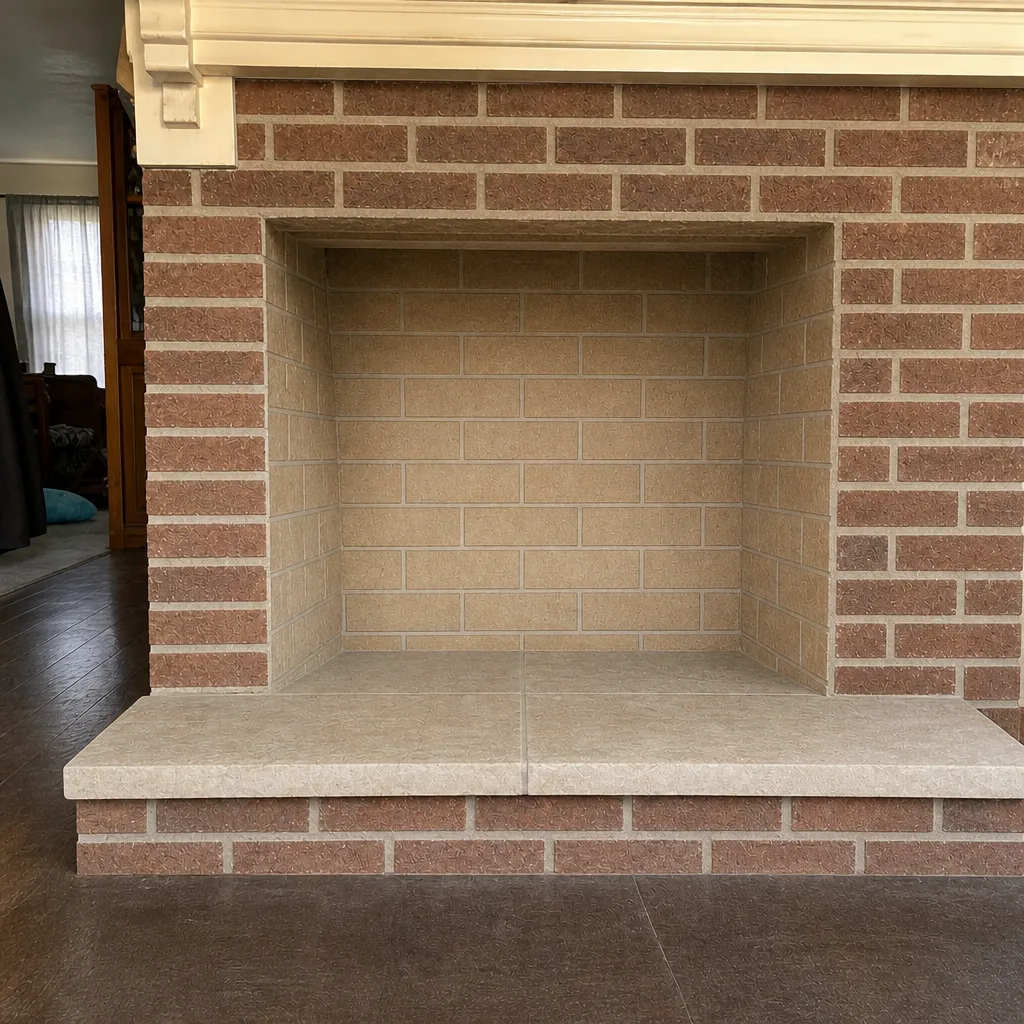
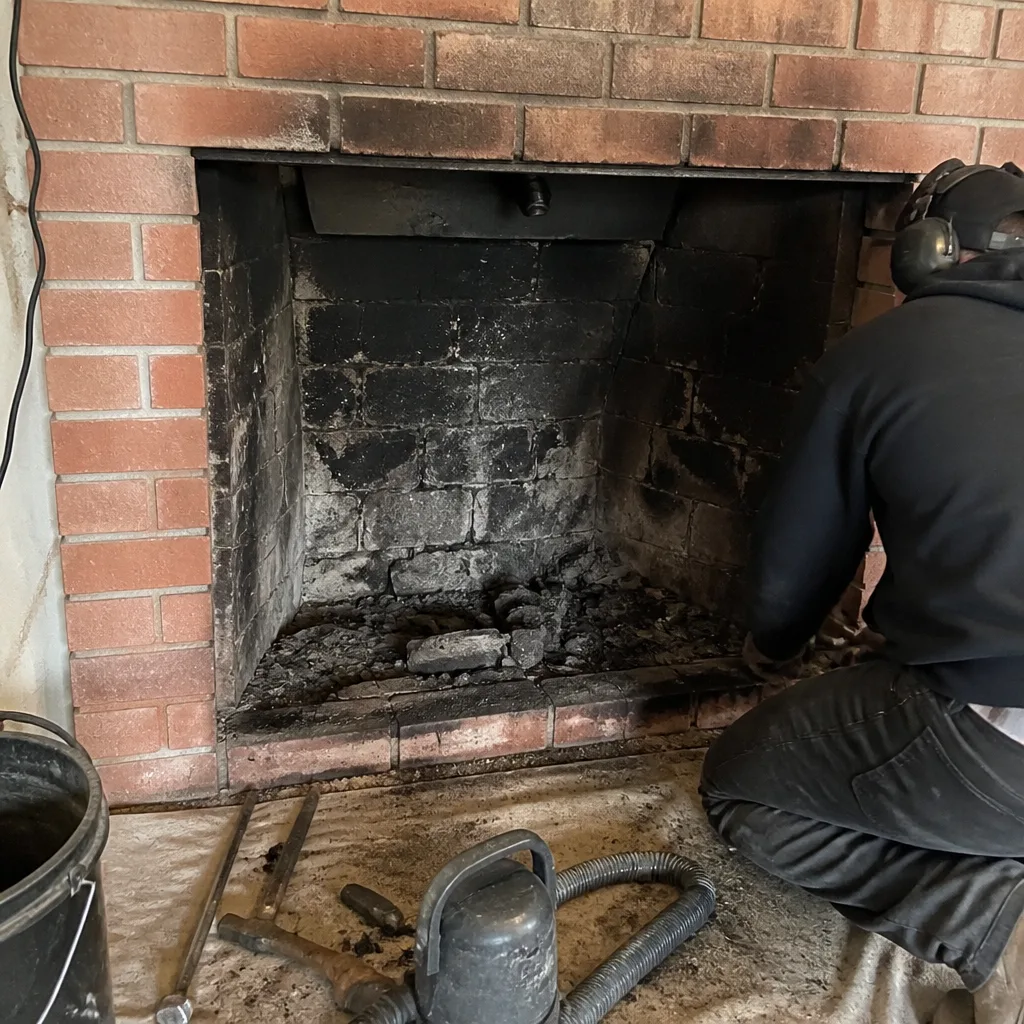
See the difference
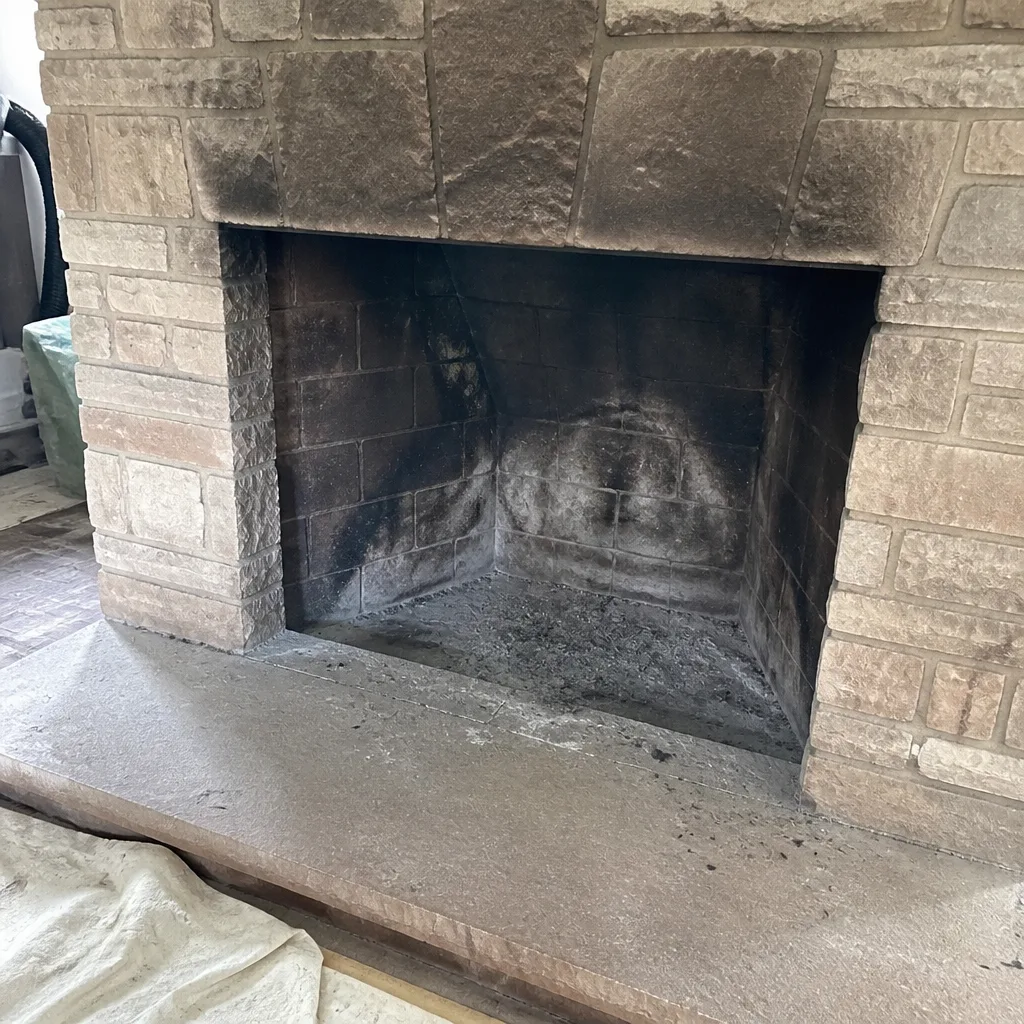 Before
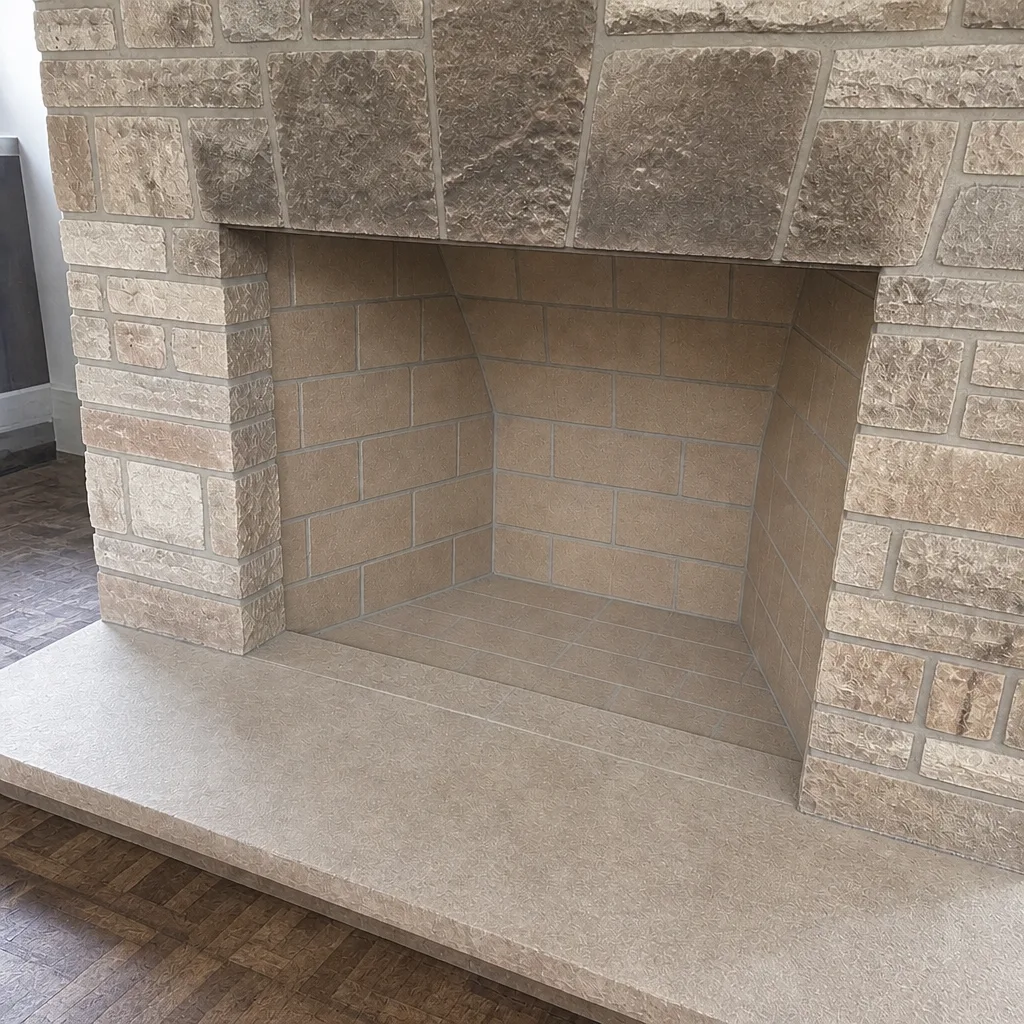 After
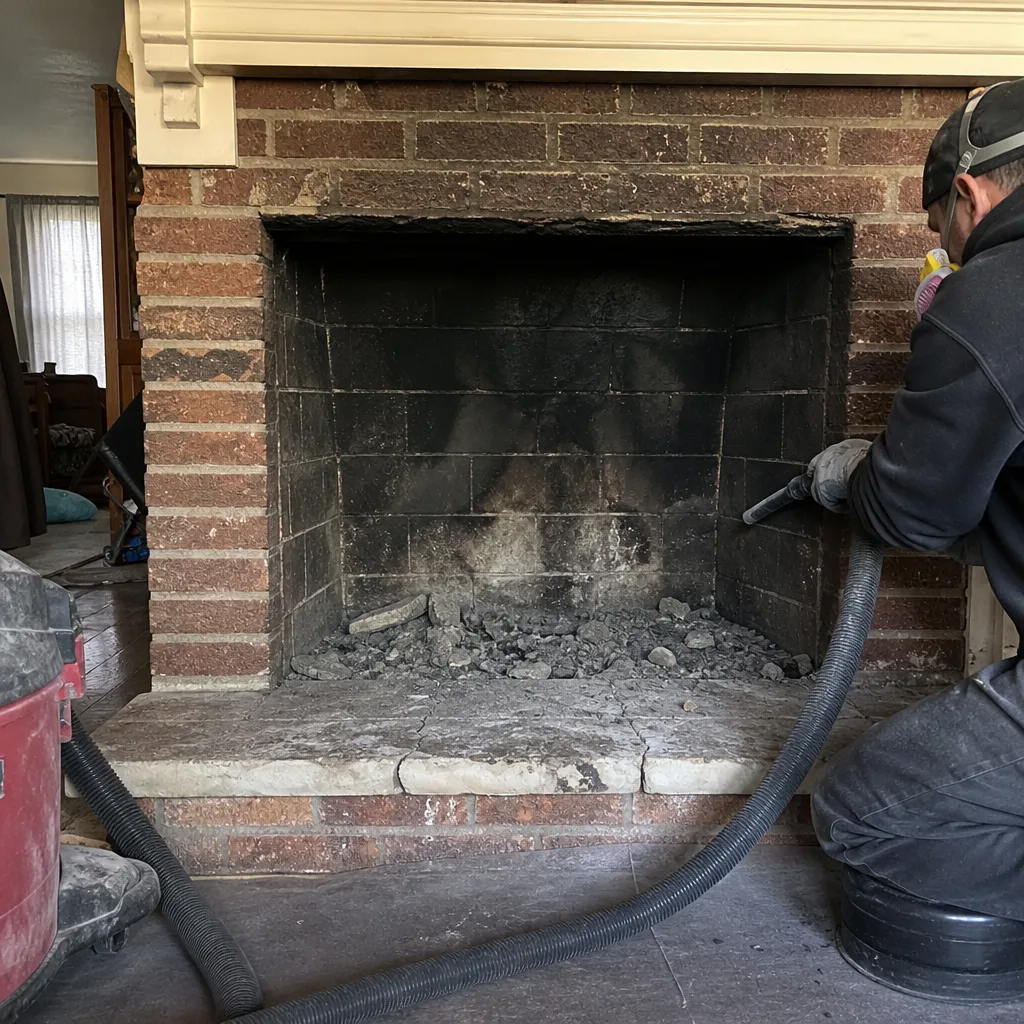 Before
 After
 Before
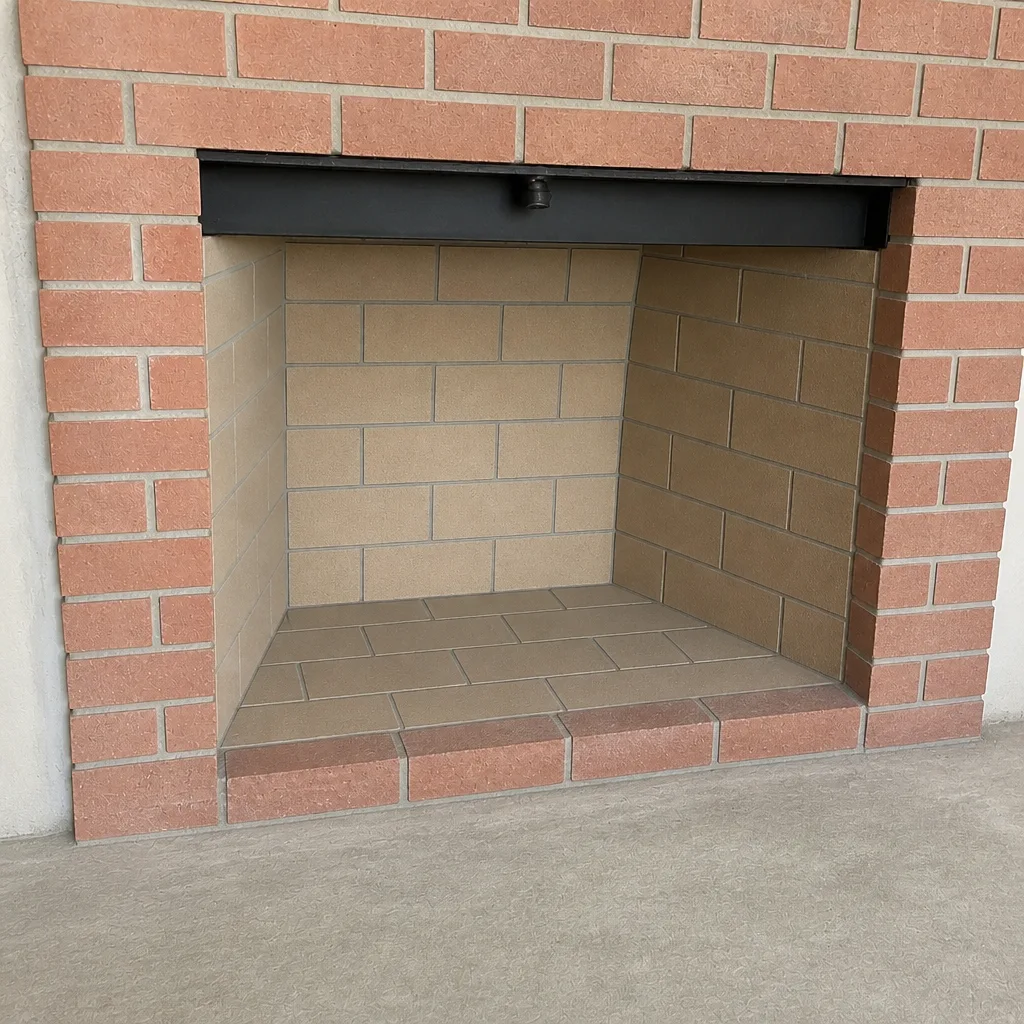 After
When to Call a Professional
Some tasks in this guide belong on your own calendar: booking the annual sweep, checking the cap from the ground, emptying the ash pit. Others belong to a trained chimney specialist, and it’s worth knowing the line. Call a professional when you smell smoke in the house, when the fire struggles to draw, when the firebox has visible cracks or the mortar joints have opened, when the cap is missing or damaged, when you notice water staining on the brick, or when you’ve had a chimney fire or suspect one. Also call after any roof replacement, HVAC change, or home purchase, and before the first fire of any heating season where you’re unsure of the last inspection. We can work with your insurer when a claim is in play; the first step is an inspection.
Chimney Sweep Park Hill offers free estimates in Park Hill. Call (877) 770-1914. We answer 24/7. Fast dispatch from 7am to 7pm, Sunday through Friday. Inspection first, recommendations second – nothing is recommended without camera evidence you can see for yourself, and we’ll tell you plainly when work can safely wait.
Frequently Asked Questions
Once a year for occasional burners, and twice a year for anyone burning four or more cords. The NFPA annual recommendation is a floor for typical use, not a one-size schedule. Heavy burners produce creosote fast enough that a mid-season sweep pays for itself in reduced glazed-creosote risk. Call (877) 770-1914 for an exact quote on a Park Hill sweep – estimates are free.
Creosote builds up in the flue and goes from soot to glaze over successive seasons, and glazed creosote is the fuel that feeds a chimney fire. Skipping also means you lose the yearly inspection that catches cap cracks, flue joint deterioration, and damper problems before they become structural. The risk isn’t lost sleep – it’s a chimney fire followed by a chimney rebuild. Call (877) 770-1914 to schedule the annual sweep before the next heating season.
A Level 1 is a visual inspection of the accessible parts of the chimney; a Level 2 adds a video camera scan of the full flue interior. Level 1 is the annual default. You need a Level 2 when the property changes hands, after a chimney fire or major structural change, when a new appliance is installed, or when a Level 1 flags a problem. For a 1950s Park Hill brick chimney with original flue tiles, one Level 2 is worth doing to establish a baseline. Call (877) 770-1914 for a free estimate on a Level 2 with a photo report.
It depends on the state of the flue tiles. If joints are deteriorated but the tiles themselves are sound, HeatShield restoration can seal and smooth the damaged section without full demolition. If tiles are cracked, displaced, or the flue needs to vent a new appliance with different requirements, a new stainless liner from DuraFlex or Olympia Chimney is the right repair. The decision needs to come from a Level 2 camera scan, not from a guess. Call (877) 770-1914 for an inspection first, then the estimate.
No. Gas logs produce no creosote, but they still need an annual inspection of the venting, the connector, and the flue for moisture-driven damage. Gas appliances give off water vapor and mild acids that can attack an unlined or pre-1950s flue over time, and a venting problem is a real carbon monoxide concern. Annual inspection is the safeguard. Call (877) 770-1914 to book a gas fireplace inspection.
Late summer for the pre-season sweep and Level 1 inspection, and spring for the post-season cap and crown check. The spring visit catches snowmelt-driven moisture damage at its freshest; the late-summer visit gets the flue clean before the first fire. Booking both windows puts you on a schedule that actually fits a Denver climate. Call (877) 770-1914 to lock in your appointment – fast dispatch from 7am to 7pm, Sunday through Friday.
The Bottom Line
A chimney maintenance schedule is not a single annual sweep – it’s a calendar built around burn frequency, fuel type, and the age of the system. Match your sweep interval to your cords: once a year for occasional burners, twice for heavy burners. Put the spring cap and crown inspection on the calendar alongside the fall sweep, because that’s where water damage starts. Know when a Level 1 stops being enough and a Level 2 camera scan is warranted. And don’t overlook the damper, the smoke shelf, and the firebox joints – the parts that make the fireplace work smoothly from one season to the next. Chimney Sweep Park Hill covers the whole schedule from the firebox to the crown. Call (877) 770-1914 for a free estimate.
Written by the team at Chimney Sweep Park Hill.