
Last updated November 24, 2026
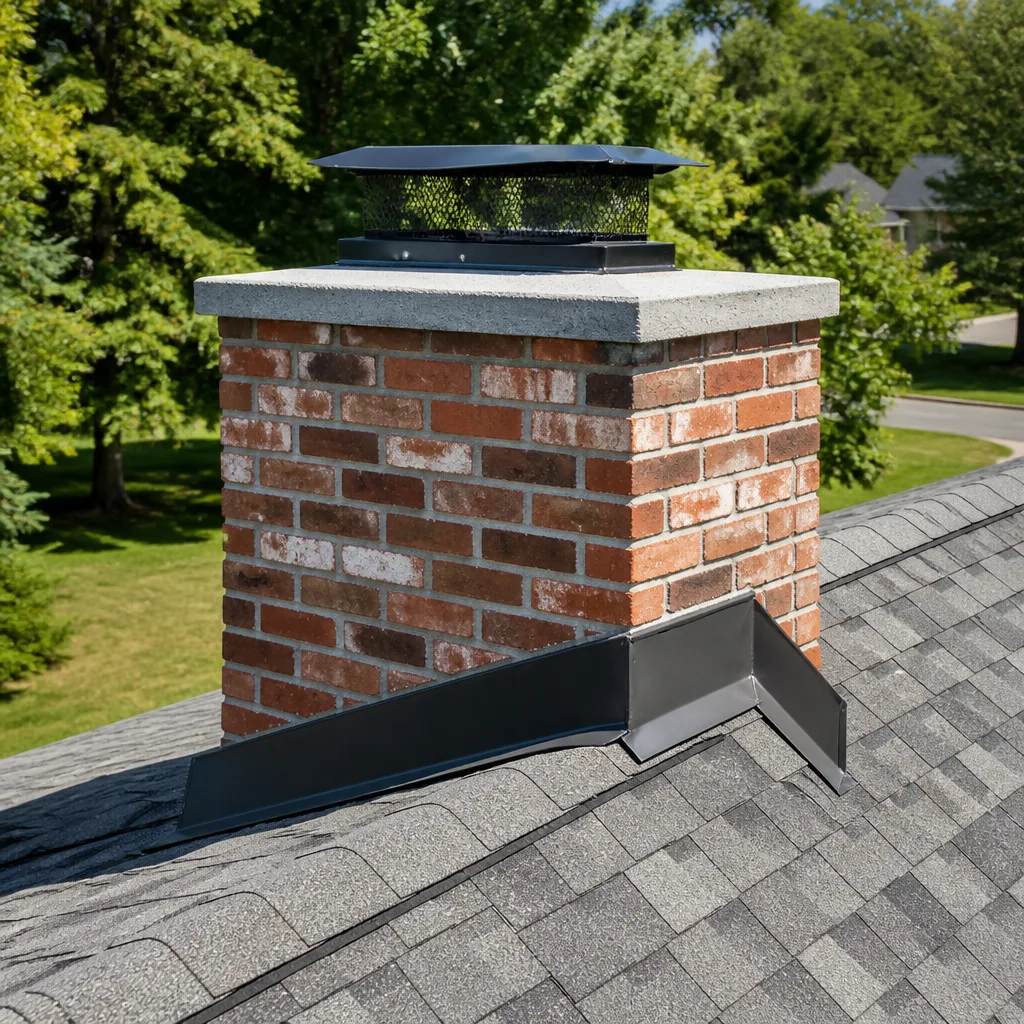 Sweep & inspection
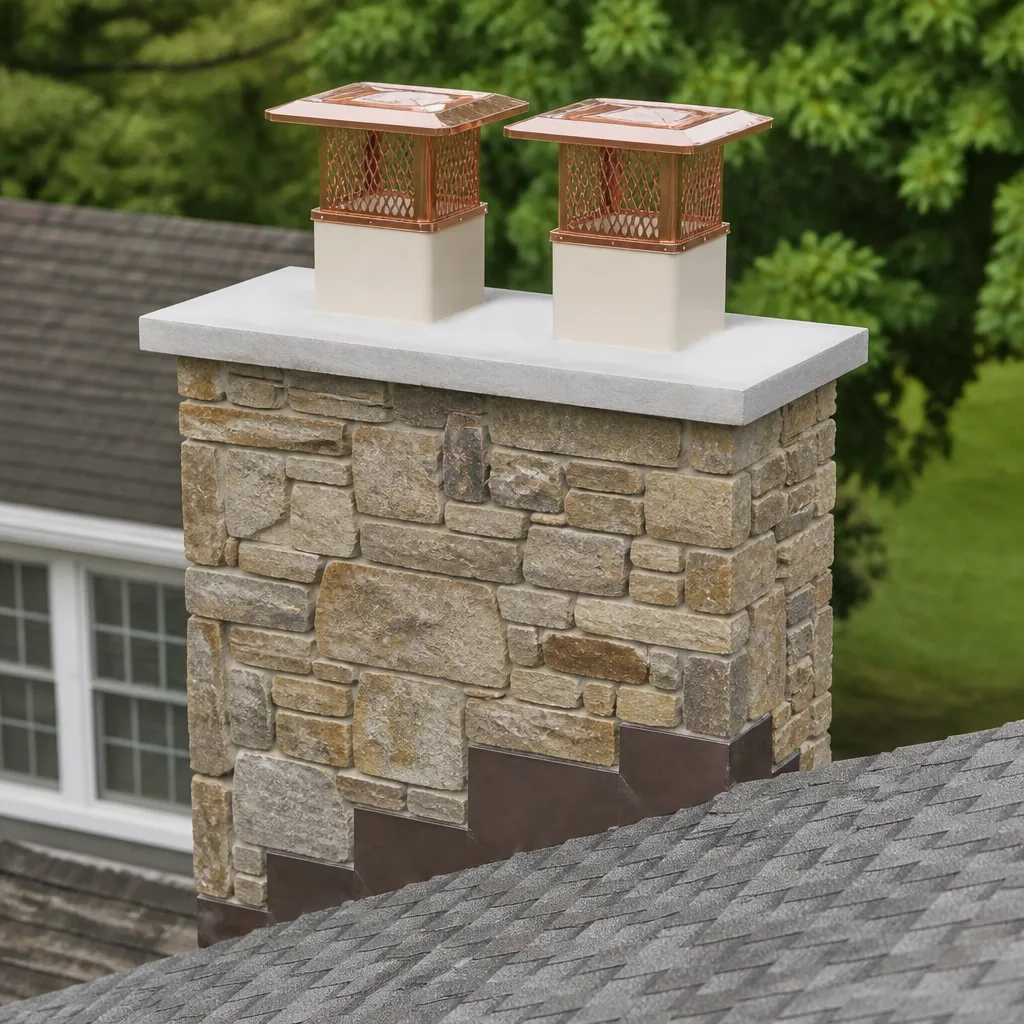 Caps & crowns
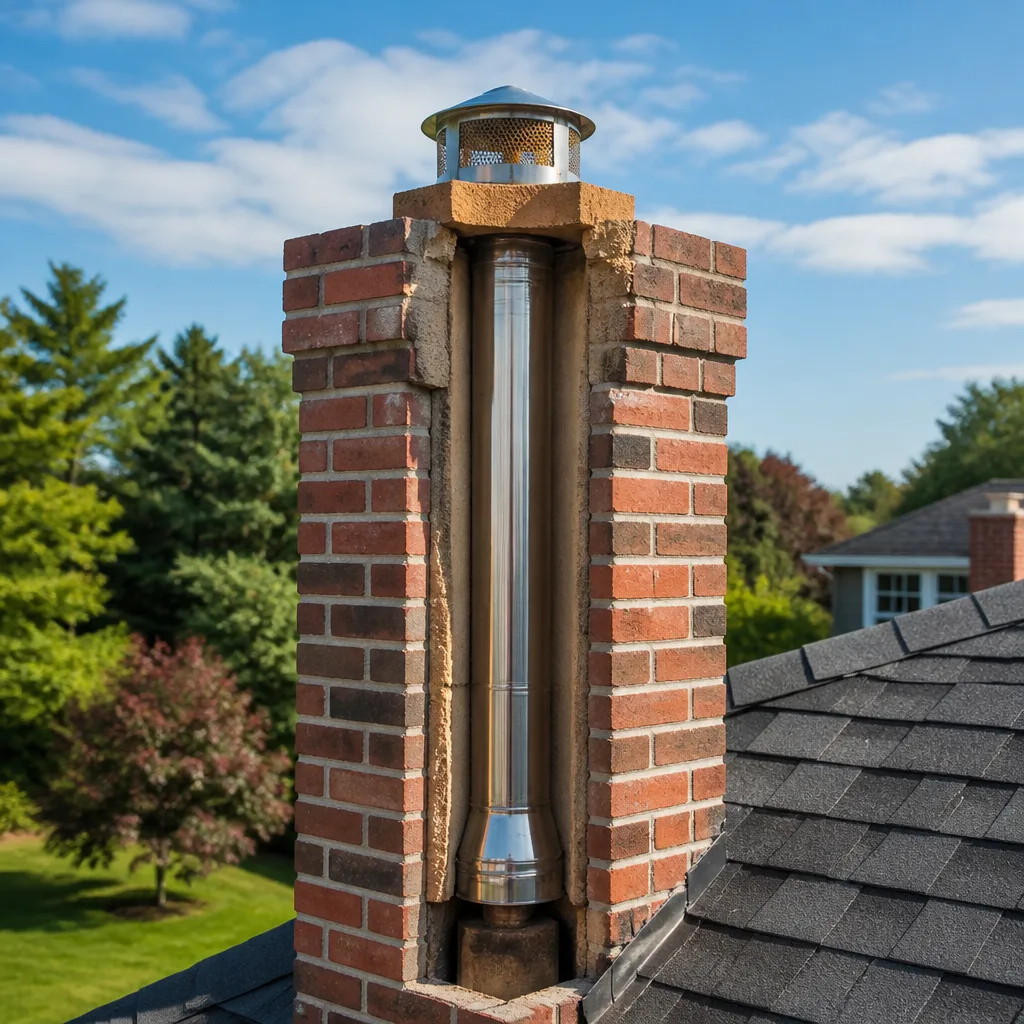 Flue relining
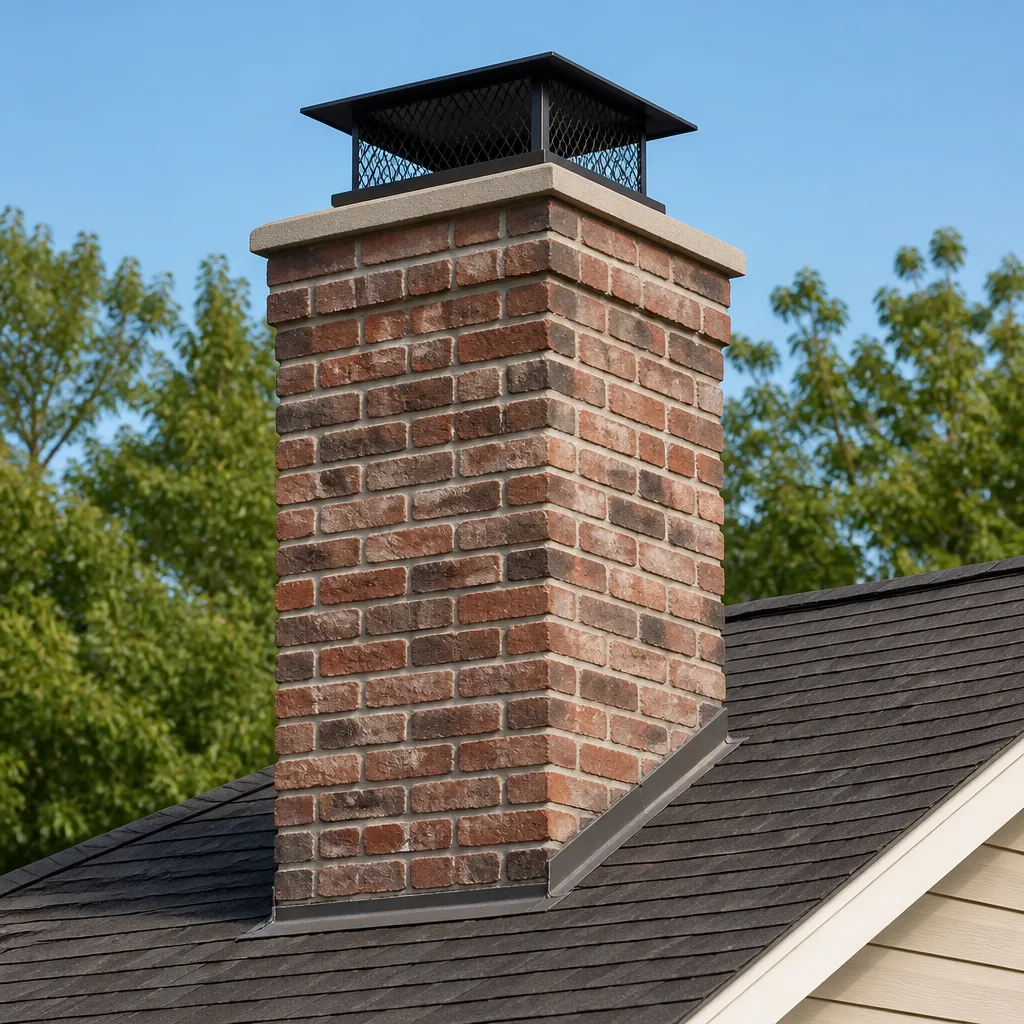 Masonry repair
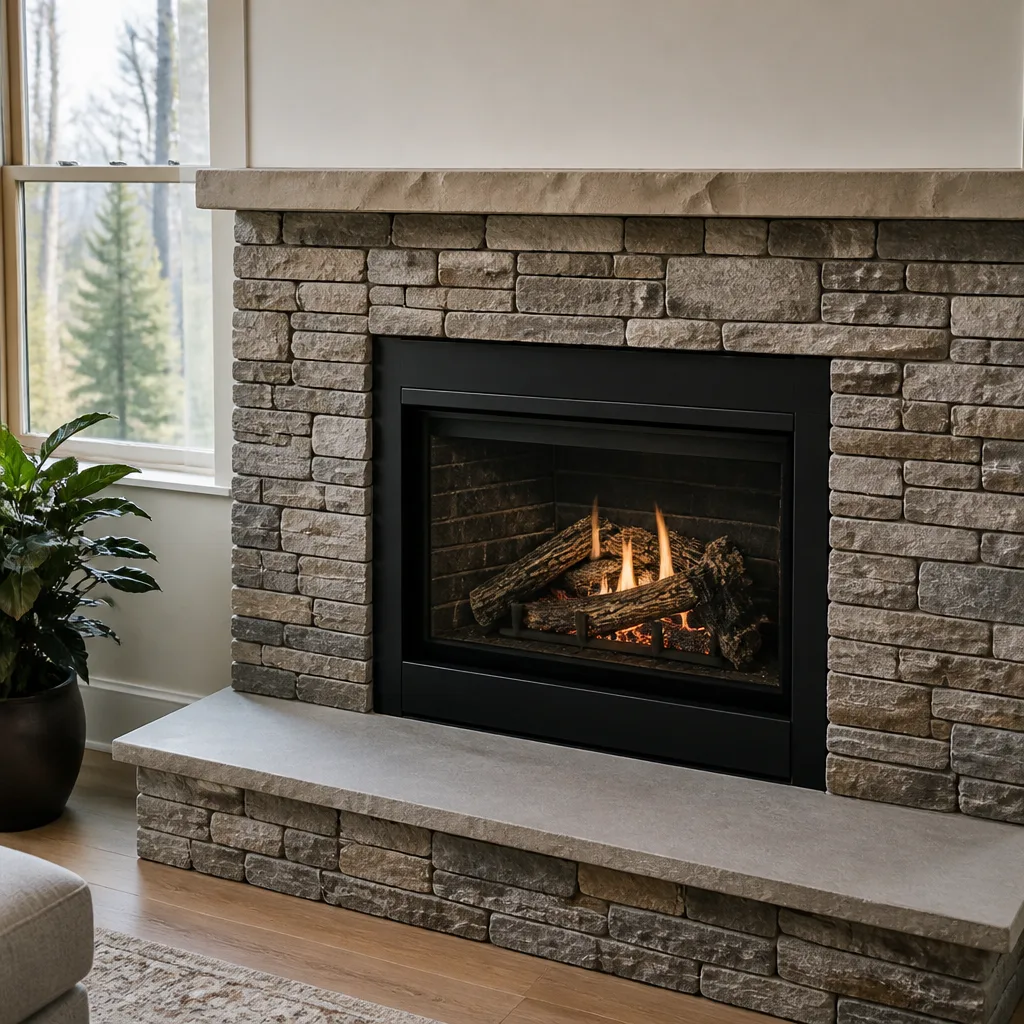 Gas fireplace service
Level 1 sweep and inspection to the NFPA 211 annual standard - flue, crown, cap, and flashing checked and photographed
Chimney sweep logs do not sweep chimneys. They loosen some creosote - which then falls where a brush and vacuum still have to collect it.
Chimney Cleaning Emergency Preparedness Guide for Park Hill Homes
The most dangerous chimney fire is the one nobody notices. Slow-burning creosote fires can run for twenty minutes at temperatures above 2,000°F without a bang, a roar, or a visible flame, quietly warping a liner while the household sits in the next room watching television. That gap between what a chimney emergency looks like on television and what it actually looks like in a Park Hill living room is where this guide lives. We’ll cover how to recognize both types of chimney fire, how carbon monoxide sneaks past smoke alarms, exactly what to do in the first five minutes, and the preventive work that keeps you out of that situation altogether.
Quick Answer
A chimney emergency in Park Hill usually starts with deferred maintenance, not bad luck. If you suspect a chimney fire, call 911 first, get everyone outside, and never throw water into a hot firebox or close the damper on an active fire. After any chimney fire, the system needs a Level 2 inspection before it’s used again, because the damage that matters most is usually invisible from the room.
Styles & brands we work with
- Sweep & inspection
- Caps & crowns
- Flue relining
- Masonry repair
- Gas fireplace service
Table of Contents
- The Two Types of Chimney Fires (And How to Tell Them Apart)
- The First Five Minutes: What to Do and What Never to Do
- Carbon Monoxide: The Chimney Risk Smoke Detectors Miss
- Sudden Blockages and What They Feel Like
- After the Fire: Why a Level 2 Inspection Is Not Optional
- Prevention: The Maintenance That Actually Lowers Your Risk
- Creosote Stages and Why They Matter
- Park Hill Specifics: Housing Stock, Climate, and Seasonal Timing
The Two Types of Chimney Fires (And How to Tell Them Apart)
Chimney fires come in two forms, and they behave nothing alike. Knowing which one you’re dealing with shapes your response in the first few minutes, which is why it belongs at the top of any emergency plan.
Explosive Chimney Fires
These are the ones people recognize. A sudden ignition of accumulated creosote produces a loud roar that some homeowners describe as a freight train or a low-flying plane. You may hear popping and cracking, see flames or sparks from the top of the chimney, notice dense smoke in the firebox, or feel the stovepipe itself vibrate. Explosive fires are dramatic and frightening, but they’re also the ones that get 911 called quickly.
Slow-Burning Chimney Fires
These are the quiet ones. A slow-burning fire smolders in a thick creosote deposit, reaching extreme temperatures over twenty to thirty minutes with almost no sound. What you might notice instead:
- A smell of hot metal or a burning, tarry odor with no obvious source
- Puffy, honeycombed, or “popcorn” textured creosote visible inside the firebox or at the damper
- Warped or discolored damper components
- Flakes of creosote on the roof or in the yard
- Heat radiating from a chimney chase that normally stays cool
In our experience, many slow-burning fires are only discovered months later, when a technician finds cracked flue tiles or a distorted liner during a routine inspection. The fire already happened; nobody in the house knew. That discovery changes the whole conversation about maintenance, because the damage was real even though the event was invisible.
How to Tell Which One You Have
If it’s loud, visible, and violent, treat it as explosive and act immediately. If you notice odd smells, discoloration, or strange creosote textures without an obvious event, have the system inspected before you light another fire. When you aren’t sure, always err toward treating it as a live emergency. Our chimney sweep visits include an assessment of existing creosote condition, which is where these stories usually begin.
The First Five Minutes: What to Do and What Never to Do
The correct sequence in the first five minutes of a suspected chimney fire is simple, and the wrong moves are common. Here’s the order we’d give any Park Hill homeowner, and then the list of things you should never do.
The Correct Sequence
- Call 911 immediately. Even if the fire seems to be dying down, do not wait to confirm. Fire crews can verify the chimney isn’t still cooking inside the chase.
- Get everyone out of the house and gather at a safe distance. Count heads. Take pets if you can do it in seconds, but never go back inside for anything.
- If you can safely reach it, close the glass doors or the firebox door on your way out to limit oxygen. Do this only if it takes one second and doesn’t delay the exit.
- Alert neighbors if the house is attached to a shared wall or is in a dense block, so they can keep an eye out for embers on their roofs.
- Wait for the fire department and do not re-enter until they clear the building.
What Never to Do
- Never throw water into a hot firebox or stove. The thermal shock can crack firebrick, warp metal, and send steam and ash into the room.
- Never close the damper on an active fire. Trapping combustion gases pushes them back into the house, which is a carbon monoxide event waiting to happen.
- Never climb onto the roof. A burning chimney means hot embers and an unstable surface, and falls are one of the most common rescue calls during house fires.
- Never assume it’s out because it’s quiet. Slow-burning fires can reignite when fresh oxygen reaches them. Let the fire department make that call.
- Never go back for belongings. A chimney fire can spread into the attic or framing within minutes of a breach.
Print this list and keep it somewhere in the room with the fireplace. In a real event, nobody’s opening a browser.
Carbon Monoxide: The Chimney Risk Smoke Detectors Miss
Carbon monoxide from a chimney doesn’t require a dramatic event to happen. A partial flue blockage or a hairline crack in a liner can send combustion gases into a living space continuously, with no smoke, no smell, and often no trigger on a standard smoke alarm. This is the failure mode that most emergency-preparedness content skips, and it’s the one worth understanding best.
How a Chimney Leaks CO
Your chimney works by pressure and heat. Hot combustion gases rise and exit through the flue. Anything that interferes with that upward flow, or that opens a path from inside the flue into the house, creates a carbon monoxide pathway. The usual culprits:
- Partial blockages from bird nests, leaf litter, or crumbling mortar can slow draft enough that gases back up into the room instead of leaving it.
- Cracked or missing flue tiles let gases escape into the surrounding masonry and chase cavity, eventually finding their way inside the home.
- Displaced or damaged liner sections, especially in older systems, create both weak draft and open seams.
- Blocked or undersized chimney caps can restrict flow when debris accumulates over the intake screens.
Why Your Smoke Alarm Won’t Help
Smoke alarms respond to particles in the air. Carbon monoxide is invisible, odorless, and doesn’t produce particles. A properly placed CO alarm on every level of the home and near sleeping areas is the only reliable detector for this risk, and it should be tested on the same schedule you use for your smoke alarms. If you don’t have one near the fireplace room, that’s the single cheapest safety improvement in this entire guide.
Signs of a Potential CO Problem
Be alert for headaches, dizziness, or nausea that seem worse in one part of the house and improve when you leave it. If a CO alarm sounds, treat it as a live emergency: get everyone outside and call 911. If you merely suspect the chimney and no alarm has sounded, the right move is to stop using the fireplace and schedule an inspection. Our Chimney Sweep Park Hill inspections include a draft test that maps how well the system is pulling, which catches partial restrictions before they become a headline.
Sudden Blockages and What They Feel Like
A sudden blockage can announce itself in several ways, and none of them should be shrugged off. Older masonry chimneys in Park Hill frequently have partially blocked flues from raccoon nests, dislodged tiles, or decades of accumulated debris, and the chimney often keeps working just well enough to hide the danger until it doesn’t.
What You’ll Notice
- Smoke rolling back into the room instead of going up the flue
- A fire that struggles to stay lit or produces weak heat
- A sharp, pungent smell in the room after the fireplace has been running
- A damper that feels stiff or won’t open fully
- Visible debris or nesting material near the damper or at the flue tile
What to Do When the Flue Won’t Draft
- Extinguish any fire in the firebox if you can do it safely by limiting air.
- Open a door or window in the room to relieve pressure, then step out.
- Do not run the fireplace again until it’s been inspected. A blocked flue is the same problem tomorrow that it was today.
- Schedule an inspection. Diagnosing the blockage is not a flashlight-in-the-firebox job; it needs a camera run from the top and bottom.
We’ve pulled bird nests, tennis balls, crumbling chimney crown fragments, and dislodged flue tiles from flues around the neighborhood. None of them announced themselves as an emergency. All of them were, quietly.
After the Fire: Why a Level 2 Inspection Is Not Optional
After any chimney fire, regardless of its severity, the system requires a Level 2 inspection before it’s used again. This is not a matter of preference.
The reason comes down to visibility. The damage from a chimney fire typically shows up as:
- Hairline cracks in clay flue tiles that spread over time
- Warped, delaminated, or skipped seams in metal liners
- Distorted dampers that no longer seal
- Compromised mortar joints between flue tiles, allowing gas migration
None of those are visible from the firebox. A Level 2 inspection runs a camera through the flue, evaluates the interior surface, and checks adjoining construction. The report tells you, in plain terms, whether the system is safe to use as-is, needs a liner repair like a HeatShield application, or requires a full reline with a system such as DuraFlex. That decision should be made on the evidence, not on the visible state of the room.
Many standard homeowners policies will ask for documentation of a post-fire inspection if you file a claim, so a written report with photos is worth having regardless.
Prevention: The Maintenance That Actually Lowers Your Risk
Emergency preparedness starts well before the emergency. Here’s what actually shifts the odds, ranked by impact.
1. Sweep on Schedule
Sweep when your firebox has burned roughly a cord of wood, or annually as a guideline, and have the flue inspected at the same time. A homeowner who burns frequently can build dangerous creosote much faster than the annual cadence suggests. Ask the technician to show you the creosote depth before sweeping, so the schedule is based on your actual use, not a rule of thumb.
2. Monitor Creosote Stages
Creosote has three recognizable stages, and each corresponds to a different risk profile. We’ll cover the detail in a dedicated section below. Watching for the transition from stage 1 to stage 2 is the difference between a sweep and a much bigger problem.
3. Keep the Cap and Screen Intact
A properly fitted cap with a screen keeps birds, raccoons, and leaf litter out of the flue. When the screen rusts through or the cap blows off in a storm, the flue becomes a birdhouse and a leaf collector. Our chimney cap & crown work exists because a $150 cap protects every dollar downstream. If you haven’t checked yours since last season, that’s the first inspection.
4. Burn Seasoned Wood, Not Wet Wood
Wood that hasn’t had time to dry produces more creosote per degree of heat. Buy wood early, stack it with airflow on all sides, and cover only the top.
5. Watch Crown and Chase Water Damage
A cracked crown lets water into the chimney masonry. Water, freeze-thaw cycles in Park Hill’s winter weather, and time combine to break down the system from the inside. Most water intrusion shows up as staining, flaking, or a rusted damper, and by then it’s been going on for a while.
6. Test Your CO Alarms
Monthly. It takes ten seconds and it may be the only detector that catches a chimney carbon monoxide problem early.
Creosote Stages and Why They Matter
Creosote is the tar-like residue left by wood smoke, and how it accumulates is what actually determines your risk profile. There are three recognized stages, and each calls for a different response.
| Stage | Appearance | Flammability | Typical Response |
|---|---|---|---|
| Stage 1 | Fine soot and dusty flakes | Low | Standard sweep |
| Stage 2 | Crumbly, crusty, or flaky deposits | Moderate to high | Sweep and reassess within the same visit |
| Stage 3 | Hard, shiny, glazed surface | Very high | Specialized removal or liner restoration |
Why Stage 3 Matters Most
Glazed creosote is essentially tar in its densest state. A standard sweep brush skips over it. Burning a hot fire to “clean it out” is exactly how a slow-burning chimney fire starts. Stage 3 requires a different approach, and sometimes a liner restoration system like HeatShield is the right answer because it seals a damaged flue while addressing the surface condition.
How to Watch for the Transition
Ask your technician to describe the creosote stage each visit. After two or three visits you’ll see the pattern in your own burning habits. If you find yourself moving from stage 1 to stage 2 over a single season, the fix is usually fuel quality or draft. If you’re hitting stage 3, the system’s had a hard run and needs attention before the next cold snap rather than after.
Park Hill Specifics: Housing Stock, Climate, and Seasonal Timing
Park Hill’s housing stock shapes chimney risk in ways that a general national guide misses. The neighborhood has a deep bench of older homes, and many have original or half-renewed chimney systems with details that reward a technician who knows them.
Housing Stock
Park Hill’s mix of early-to-mid-1900s homes and later infill construction means you find two very different systems side by side. Older masonry chimneys often carry unlined or clay-tile-lined flues, sometimes patched across decades, sometimes serving a fireplace that’s been converted from wood to gas without a proper liner upgrade. Newer construction frequently uses factory-built systems with metal liners, which fail differently. Cracked clay tiles versus delaminated metal: both quiet, both consequential. Inspections here need to account for both types, and the brand lineup matters. That’s why we work with DuraFlex, Olympia Chimney, Gelco, and HeatShield rather than universal parts, because each of those products exists to solve a specific failure mode.
Climate and Burning Season
Park Hill’s winters are cold enough to drive heavy fireplace use for months, and its shoulder seasons swing wide. That long burn season means more wood through the flue than a milder climate would see, and creosote accumulates accordingly. Spring and early fall are both smart times to book an inspection, because the writing done during the previous season is what you’re reading on the report.
Seasonal Timing
Book a sweep and inspection before the first sustained cold, not after. Chimney systems that sat through the summer are the ones that surprise people in November, and the calendar fills as the season gets serious. Fall is a good window. Late summer is better.
Common Mistakes to Avoid
- Burning a hot fire to “burn off” creosote. That’s the exact method that starts slow-burning chimney fires when the deposit has reached stage 2 or 3. Hot fires make a deposit worse, not better.
- Assuming “gas fireplace” means the chimney is out of scope. Gas systems produce moisture and need inspection too, and venting problems on gas can produce carbon monoxide without a single wood fire.
- Relying on a smoke alarm as a CO alarm. Two different devices, two different jobs. You need both, and the CO alarm belongs near the fireplace room and the sleeping areas.
- Skipping the post-fire inspection because the fire seemed small. Slow-burning fires are invisible, and their damage doesn’t announce itself. The Level 2 inspection is the whole point of the exercise.
- Hiring a general handyman with a brush. A chimney is a system, from the firebox to the crown. A multi-trade contractor who swings by once a season can’t spot liner failure, crown crack, or cap screen damage in a single pass. A specialist, not a side service, is what catches those.
- Ignoring a wobbly or missing cap because “it just looks like sheet metal.” The cap is the first line of defense against an animal nest and water intrusion. Small investment, big consequence.
- Waiting until the season starts to book. Park Hill’s calendar fills, and the list of homes that needed an inspection “eventually” is longer than you’d expect.
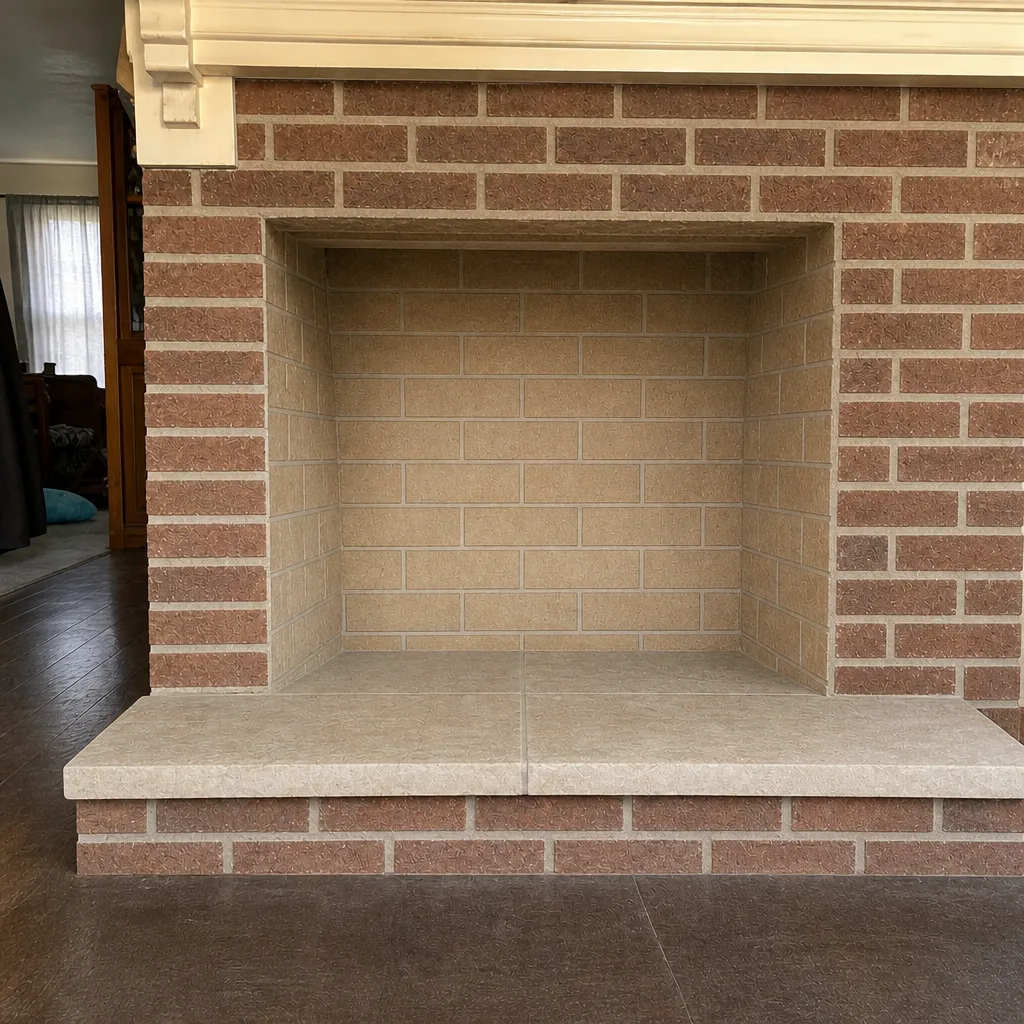
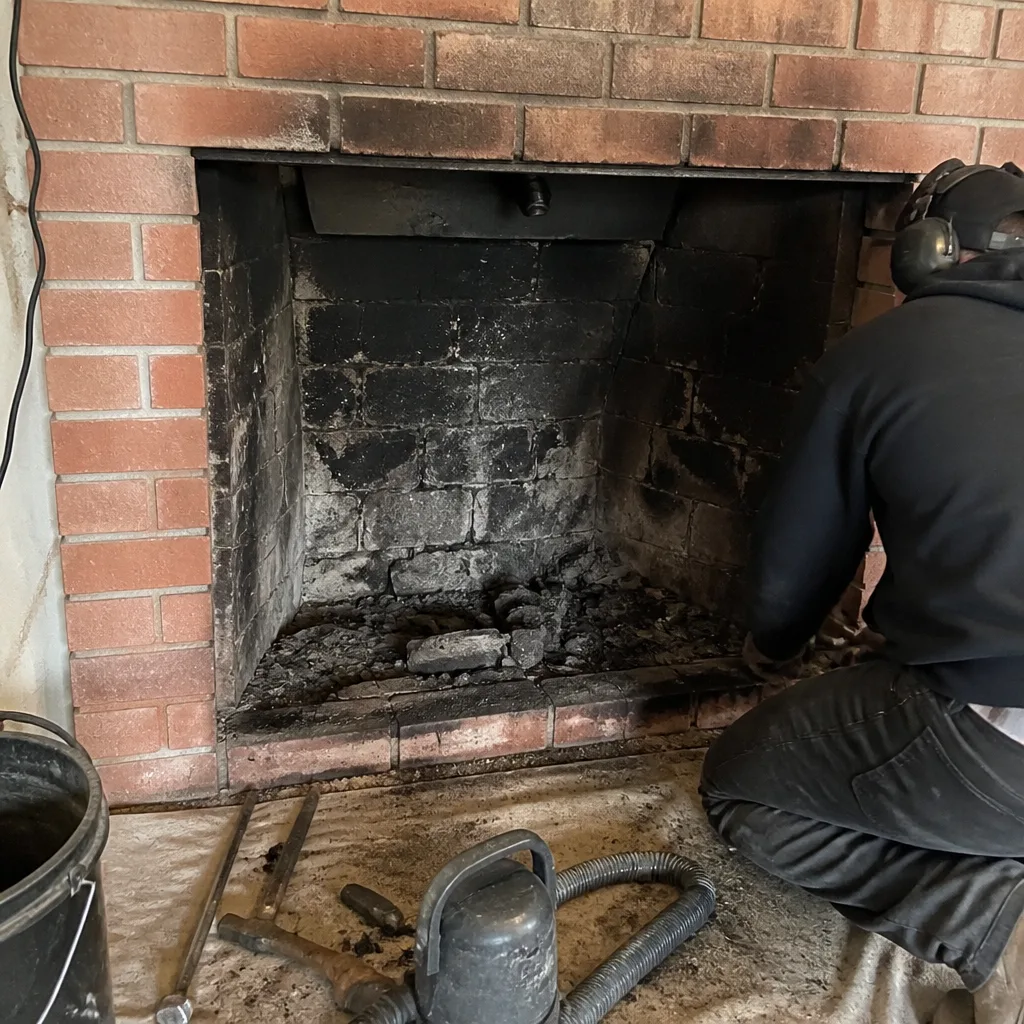
See the difference
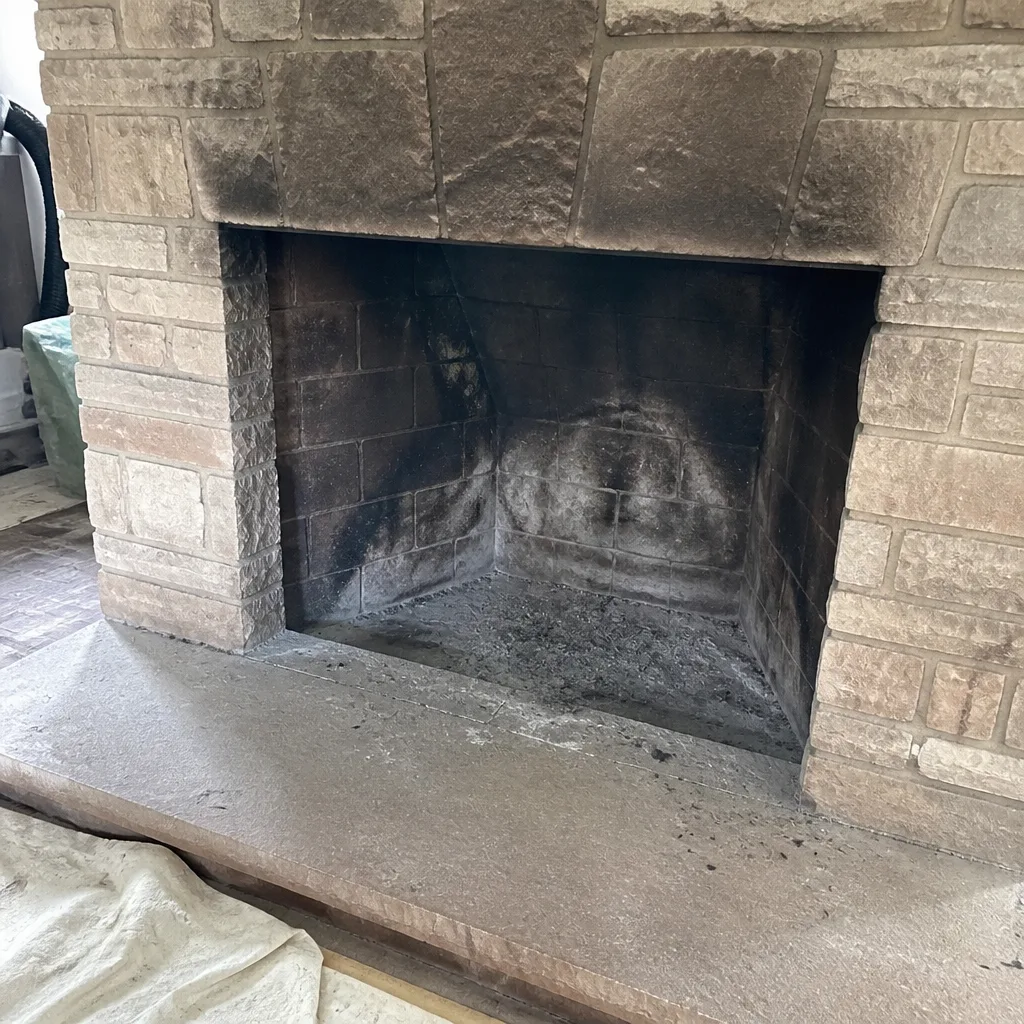 Before
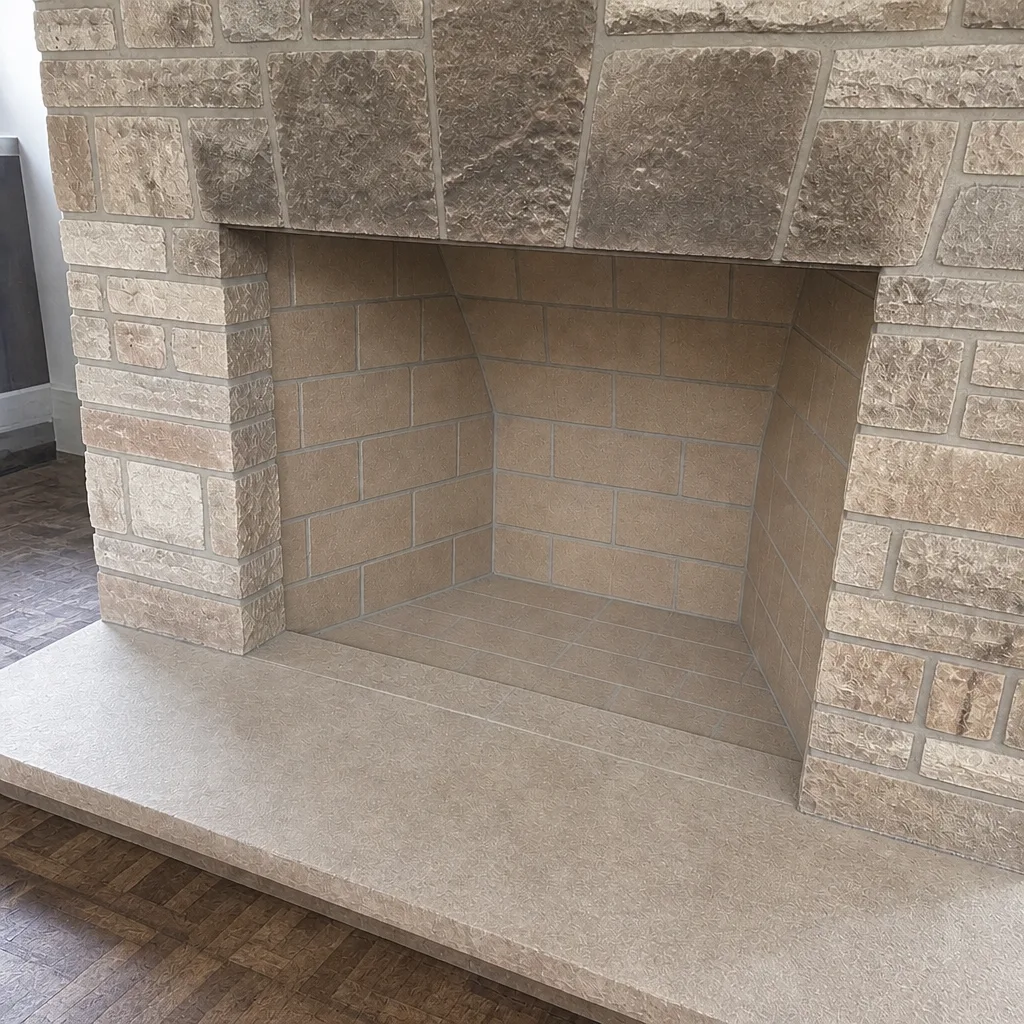 After
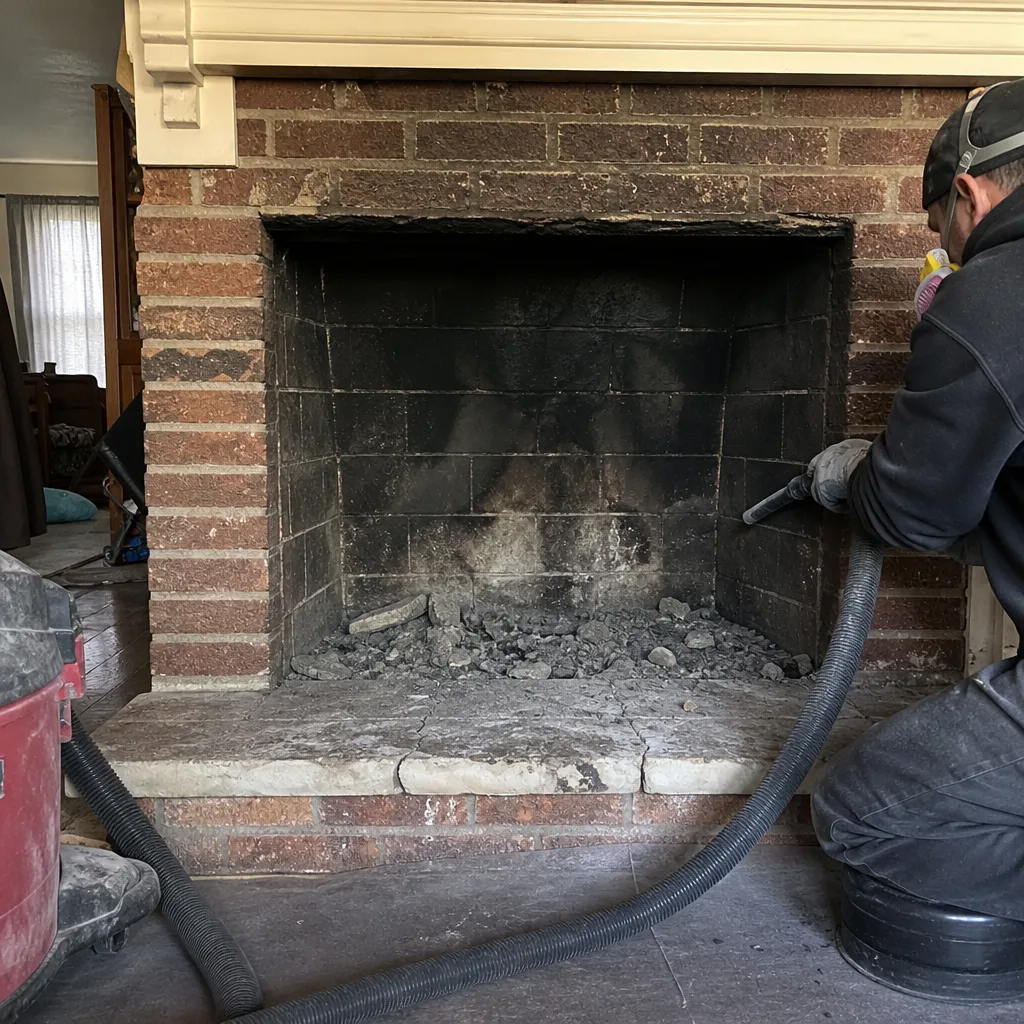 Before
 After
 Before
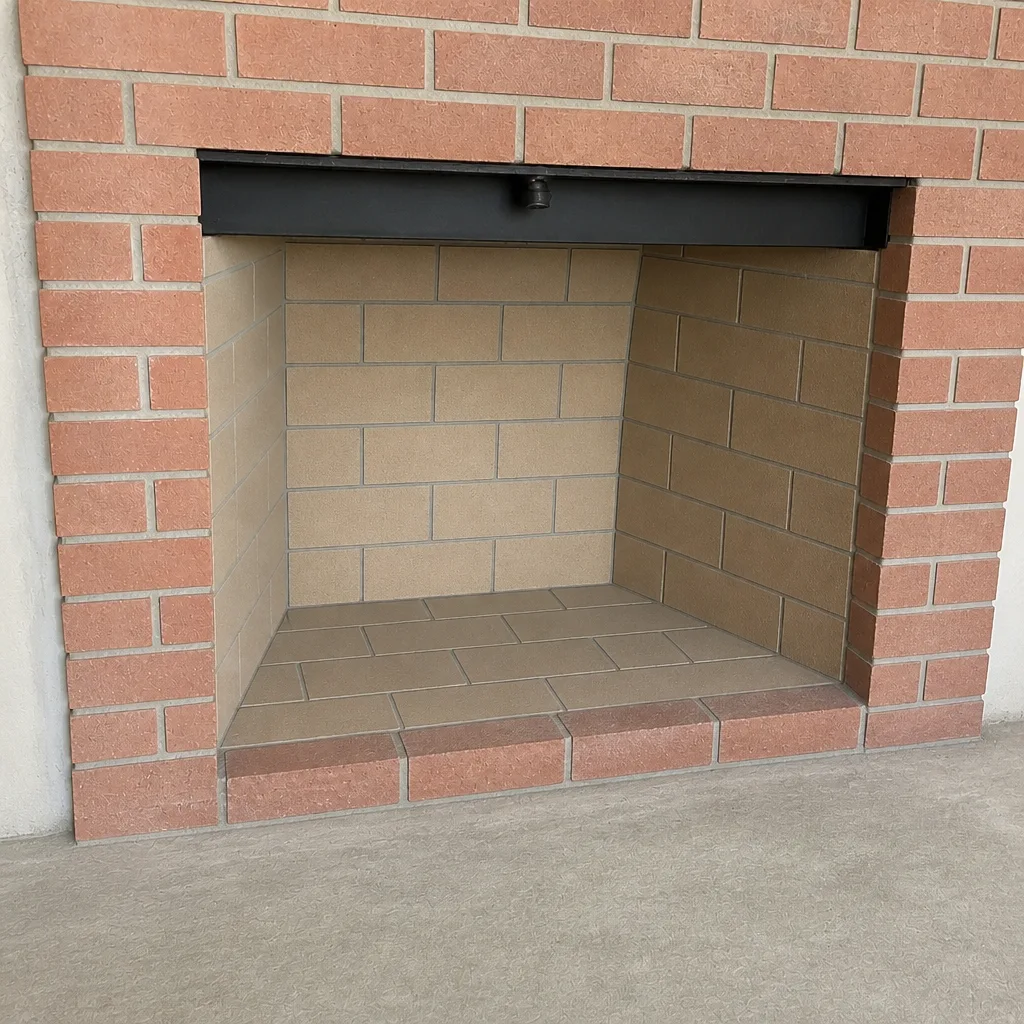 After
When to Call a Professional
Call a professional when: you suspect any chimney fire, even a small one; your CO alarm sounds; you notice a persistent smoky smell in the house when no fire is burning; the flue won’t draw; the crown has visible cracks; the cap or screen is missing or damaged; you’re buying a home with a wood-burning fireplace you haven’t had inspected; or you can’t remember the last time the system was swept. We also recommend a Level 2 inspection any time there’s been a chimney fire, a liner change, or a change in the fuel type being burned. Chimney Sweep Park Hill offers free estimates in Park Hill – call (877) 770-1914. We answer 24/7. Fast dispatch from 7am to 7pm, Sunday through Friday. Nothing gets recommended without camera evidence you can see for yourself, and if the work can safely wait, we’ll tell you so.
Frequently Asked Questions
Call 911, then get everyone out of the house. Do not wait to confirm whether the fire is “big enough” to matter. Once outside, do not re-enter until the fire department clears the building. If you can safely close the glass doors on your way out, do so, but never delay the exit to do it. Call (877) 770-1914 afterward to schedule the required post-fire inspection.
You often don’t know until an inspection. Look for puffy, honeycombed, or shiny glazed deposits inside the firebox or at the damper, warped damper components, or discoloration on the chimney chase. If any of those are present, stop using the fireplace and schedule an inspection. The evidence is usually inside the flue, not the room.
Yes. A blocked flue or a cracked liner can leak combustion gases into the home whenever the appliance is running, which for a gas system can include a standing pilot or routine heating. Carbon monoxide has no smell, no taste, and no visible presence, and smoke alarms don’t detect it. A working CO alarm on every level of the home and near sleeping areas is the only reliable early warning. Call (877) 770-1914 to schedule a draft inspection.
As a general guideline, sweep when you’ve burned roughly a cord of wood, and have the system inspected annually. Park Hill’s long burn season can push a heavy fireplace user into higher creosote stages faster than that guideline suggests, so ask your technician to report the creosote stage each visit and adjust the schedule from there. Call (877) 770-1914 for an exact quote – estimates are free.
No. Explosive chimney fires are loud and visible, but slow-burning creosote fires can run for twenty minutes or more at temperatures above 2,000°F with no obvious sound or visible flame. Those are the ones that do quiet damage to the liner while the household stays in the room. If you ever smell hot metal or a burning tar odor with no obvious source, turn off the fire and schedule an inspection. Call (877) 770-1914 to book.
Not necessarily. What you need is a Level 2 inspection with a camera run so the condition of the liner is visible. Some systems can be restored with a HeatShield application instead of a full reline, and a proper inspection will tell you which category your chimney is in. We won’t recommend a liner on a guess. Call (877) 770-1914 and we’ll walk you through the findings.
The Bottom Line
The emergencies in this guide follow predictable patterns, and most of them start long before the smoke alarm sounds. Deferred maintenance, missed sweeps, a cap that’s been missing for two seasons, and a stage 3 creosote deposit nobody looked at: those are the opening acts, not the fire. The skills that get a Park Hill household through a chimney emergency are the same ones that prevent one: knowing the two types of fires, understanding the carbon monoxide risk smoke alarms miss, remembering the first five minutes don’t involve water or a closed damper, and getting the Level 2 inspection after the event. Whether you’re due for a routine fireplace repair or want your system inspected before the cold arrives, our technicians have up to 12 years of experience and work with trade-grade products from DuraFlex, Gelco, Olympia Chimney, and HeatShield – professional-grade brands, not hardware-store substitutes.
If this guide raised a question about your own chimney, the answer is a phone call away. Call Chimney Sweep Park Hill at (877) 770-1914 for a free estimate. We answer 24/7. Fast dispatch from 7am to 7pm, Sunday through Friday. It’s the fastest way to get from worry to a written camera report you can read for yourself.
Written by the team at Chimney Sweep Park Hill.