
Last updated November 24, 2026
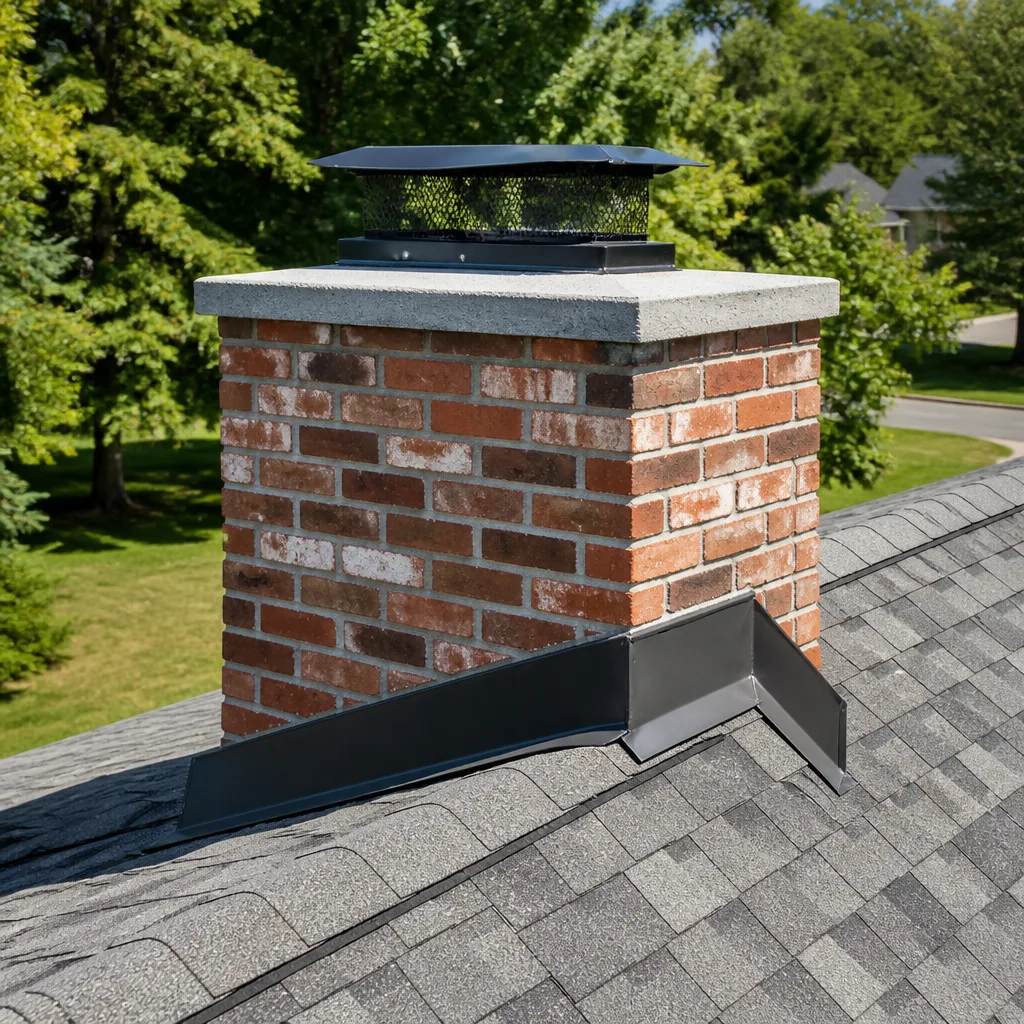 Sweep & inspection
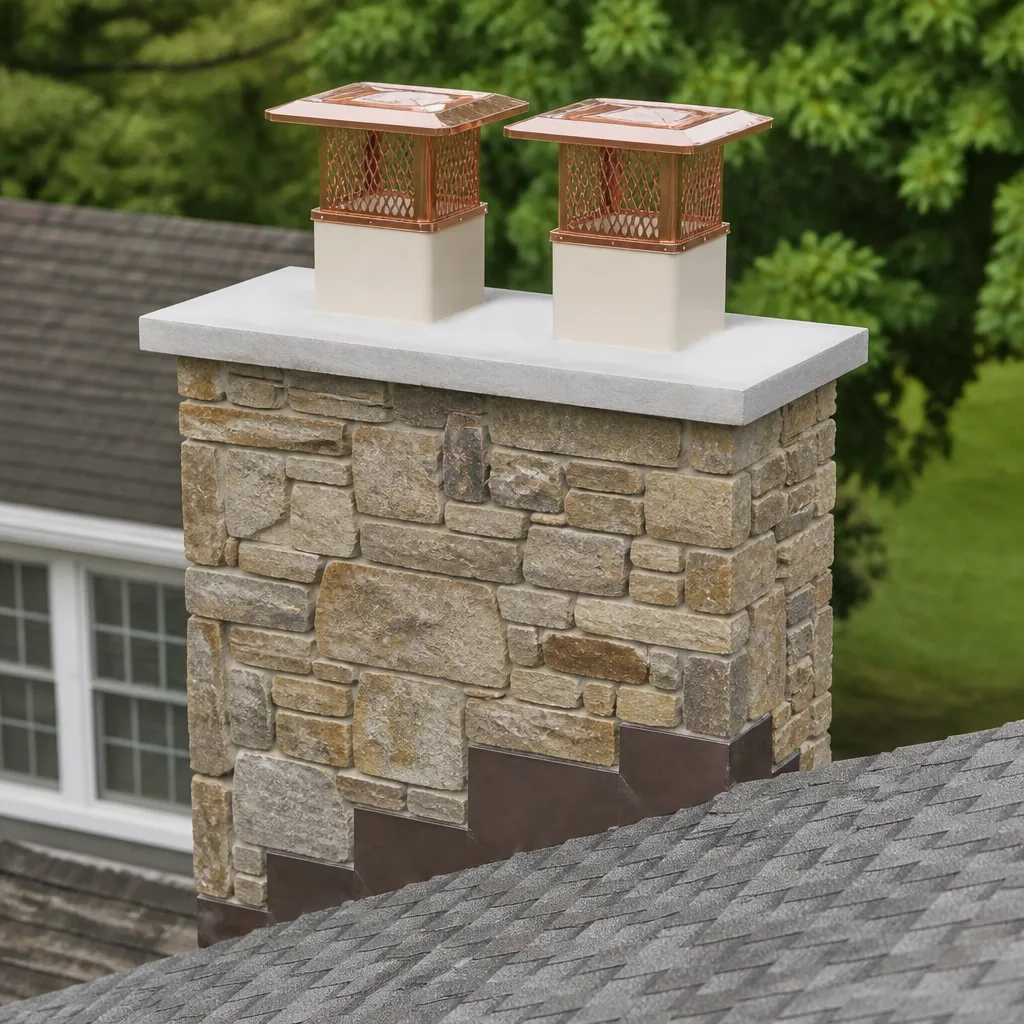 Caps & crowns
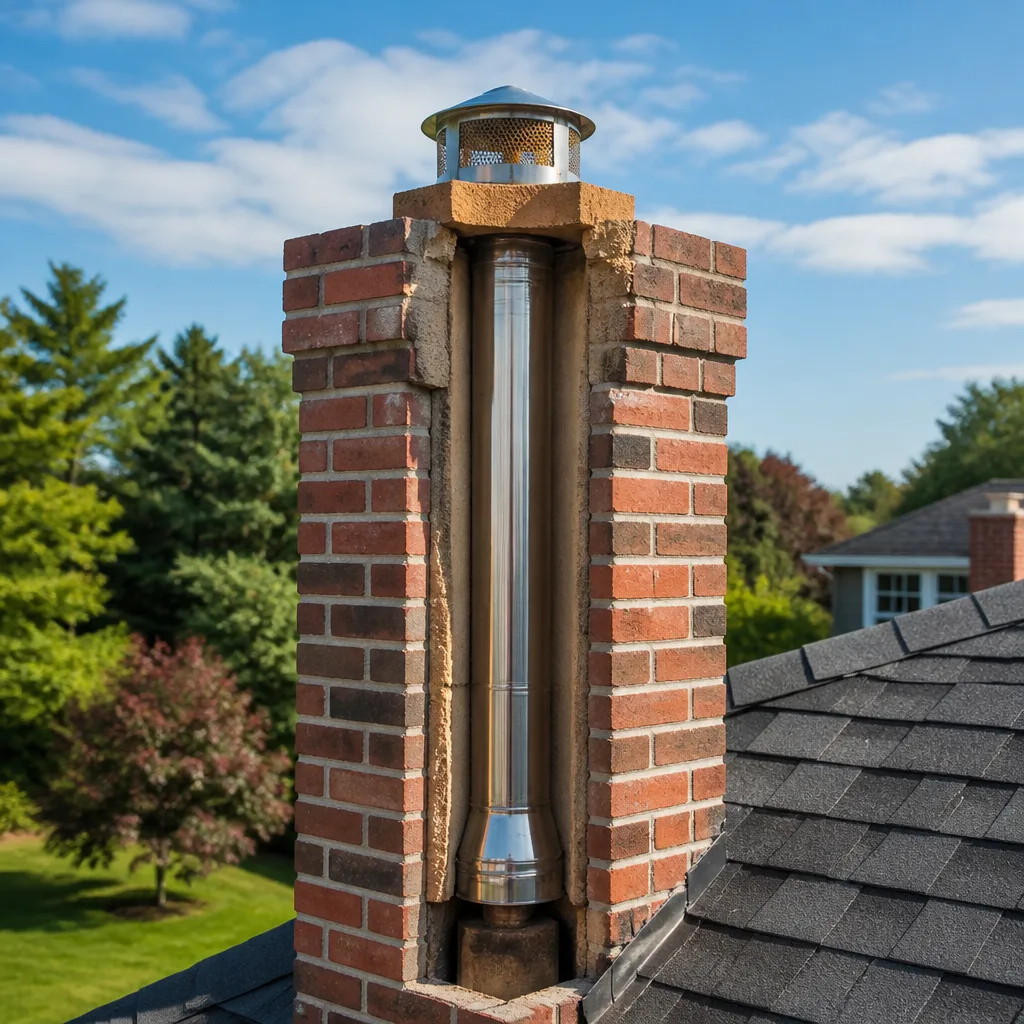 Flue relining
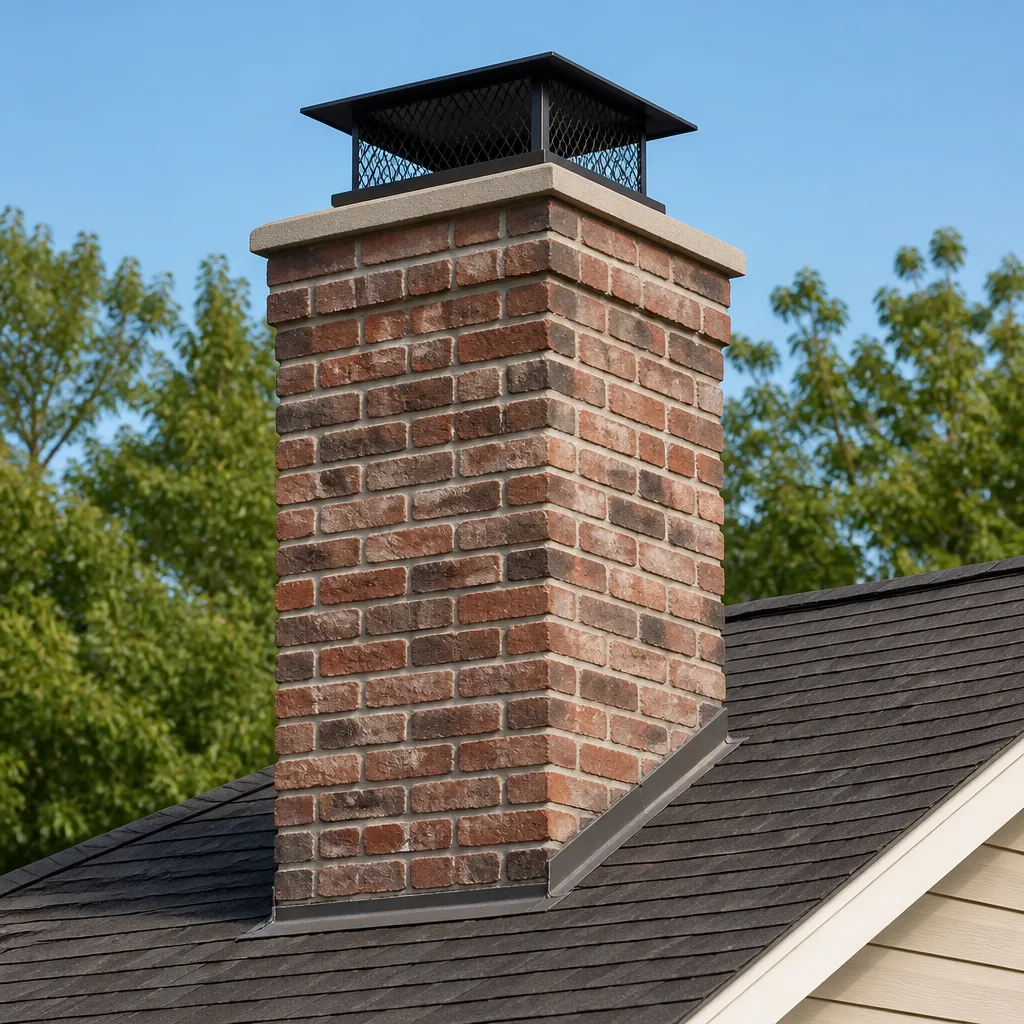 Masonry repair
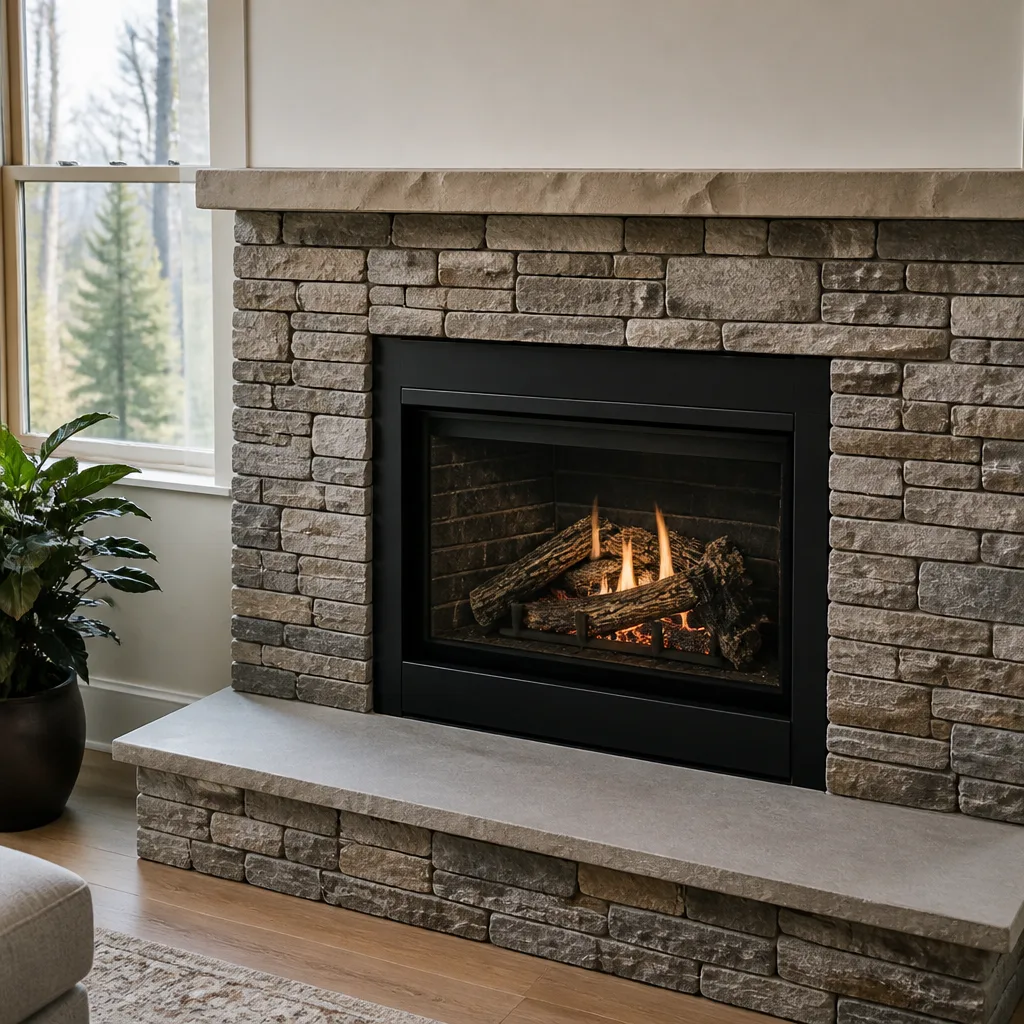 Gas fireplace service
Level 1 sweep and inspection to the NFPA 211 annual standard - flue, crown, cap, and flashing checked and photographed
Chimney sweep logs do not sweep chimneys. They loosen some creosote - which then falls where a brush and vacuum still have to collect it.
Chimney Cleaning Cost Breakdown: The Park Hill Homeowner’s Reference for 2026
The $79 chimney sweep special exists. It covers about 20 minutes of labor, no camera, no written report, and no recourse if something was missed. That’s not a scam, exactly – it’s a defined scope, and the definition is narrow. Understanding what that price leaves out is worth more to you than knowing what it includes, because the gap between a brush pass and a documented inspection is where most Park Hill homeowners get surprised. In this guide we break down what chimney work actually costs in the Denver market in 2026, why nominally identical jobs vary so widely, and how to read a written quote so you know which line items protect you and which are padding. You’ll finish knowing how to compare bids on merit.
Quick Answer
A standard chimney sweep in Park Hill typically runs $180 to $350, a Level 1 inspection $100 to $200, a Level 2 camera inspection $250 to $500, liner repair with a HeatShield restoration $1,200 to $3,500, a full stainless liner replacement $3,500 to $8,000, a cap replacement $150 to $450, and crown repair $300 to $900. The written estimate sets the final price, and every figure in this guide is a typical range, not a quote. The single biggest driver of what you pay isn’t the neighborhood – it’s what’s actually included in the line item labeled “sweep.”
Styles & brands we work with
- Sweep & inspection
- Caps & crowns
- Flue relining
- Masonry repair
- Gas fireplace service
Table of Contents
- Why Chimney Service Prices Vary by 400% for the Same Job
- Line-Item Cost Breakdown for Every Common Service
- What Actually Drives the Price of a Sweep
- The Real Cost of Deferred Maintenance
- How to Read and Compare a Written Chimney Quote
- Park Hill-Specific Cost Factors
- Common Mistakes to Avoid
- Frequently Asked Questions
Why Chimney Service Prices Vary by 400% for the Same Job
Two Park Hill homeowners with identical colonials can call two companies for “a chimney cleaning” and receive quotes of $90 and $380. Both are honest. The word “sweep” simply isn’t standardized, and the trade has never agreed on what it covers.
At the low end, a sweep is a rotary brush run down the flue, a shop-vac pass at the firebox, and a verbal “you’re good.” At the high end, it’s the same brush work plus a video scan of the flue interior, a check of the damper, smoke chamber, cap, crown, and flashing, and a written report with photos you keep. Those are different products that share a name.
In our experience across Park Hill, most of the confusion comes down to three questions the low-price quote doesn’t answer:
- Is there a camera? A brush doesn’t tell you whether a flue tile is cracked 12 feet up. A camera does.
- Is there a report? Verbal findings vanish. A written report with photos is your record – and your leverage if a problem is found later.
- Is there liability? A quick brush pass carries little accountability. A documented inspection does.
None of this means the cheap sweep is worthless. If your flue was inspected recently and you’re simply due for a cleaning, it may be all you need. The point is to know which tier you’re buying, and to never assume the label on the ad tells you. When you’re ready to see what’s actually in your flue, you can schedule a chimney sweep with a scope spelled out in writing before anyone arrives.
Line-Item Cost Breakdown for Every Common Service
Below are typical 2026 Denver-market ranges for each service. These are estimated ranges based on current trade pricing, not fixed rates. Your written estimate sets the final number, and it should itemize every line so you can compare bids fairly.
| Service | Typical Range | What It Usually Includes |
|---|---|---|
| Standard chimney sweep | $180 – $350 | Rotary brush cleaning of flue, firebox cleanup, basic visual check |
| Level 1 inspection | $100 – $200 | Visual check of accessible components, no camera |
| Level 2 inspection | $250 – $500 | Camera scan of flue interior, written report with photos |
| Level 3 inspection | $800 – $2,500+ | Invasive access to concealed areas, may require wall or masonry opening |
| HeatShield liner restoration | $1,200 – $3,500 | Resurfacing of deteriorated flue tiles without full demolition |
| Full stainless liner replacement | $3,500 – $8,000 | New DuraFlex or equivalent liner, insulation, connections |
| Chimney cap replacement | $150 – $450 | New cap installed, sized to flue |
| Crown repair | $300 – $900 | Repair or rebuild of the concrete crown at the top of the chimney |
Notice that a sweep and a Level 2 inspection are not the same purchase, even though some companies bundle them under one price. If someone quotes you $120 for “a full inspection and cleaning,” ask what the report looks like and whether there’s a camera involved. That question alone will sort out most of the market.
The liner numbers deserve a note. HeatShield is a restoration product – it resurfaces flue tiles that are cracked or spalling rather than replacing the flue outright, and that’s why it can cost a fraction of a full reline. Not every flue qualifies. When the tiles are too far gone, a full stainless liner is the honest answer, and a company that carries both should be able to tell you which one your chimney needs and show you why.
What Actually Drives the Price of a Sweep
Two chimneys of the same height in the same block can cost differently to clean. Price isn’t assigned by neighborhood – it’s assigned by the work in front of the technician. Here are the factors that move the number:
- Flue height. A one-story ranch with a short flue is faster to clean than a two-and-a-half-story Park Hill home with a tall stack. More height means more rods, more time, more setup.
- Accessibility. A chimney on a steep roof, behind a fence, or boxed in by mature trees takes more care and, sometimes, more equipment to reach safely.
- Creosote stage. Creosote comes in grades. Light soot brushes out quickly. Heavy, glazed creosote – the hard, shiny, tar-like stage – needs more aggressive removal and costs more. Glazed creosote is also the most flammable stage and the main reason a sweep shouldn’t be skipped when buildup is significant.
- Liner material. Clay tile, stainless, and cast-in-place liners each clean differently and require different brush types. A technician who doesn’t match the brush to the material can damage the flue.
- Report documentation. A written report with camera photos takes time to produce. That time is part of the price, and it’s the part that protects you.
- System complexity. A fireplace with a single straight flue is straightforward. A system with offsets, a smoke chamber, or multiple appliances connected to one chimney takes longer to clean properly.
None of these factors are random. When a company quotes a flat price sight-unseen, they’re either building a cushion into the number or planning to add line items once they’re on the roof. A written estimate after a look at the system is a fairer arrangement for both sides. Estimates are free, and we’d rather see the chimney than guess.
The Real Cost of Deferred Maintenance
A $300 annual sweep sounds like a chore you can skip for a year. Consider the alternative: a $3,500 to $8,000 liner replacement that the skipped maintenance was quietly moving toward.
Here’s how deferred maintenance compounds. Creosote accumulates with every fire. Mild soot and light flake are manageable. Glazed creosote is a fire hazard, and the heat of a fire against it can ignite it. A cracked flue tile – often invisible from the firebox – lets heat and combustion gases reach the framing and masonry around the chimney. Carbon monoxide from a blocked or damaged flue has a path into the house. These aren’t scare tactics; they’re the mechanical reality of a combustion system running through your roof.
The math of the trade-off is stark:
- Annual sweep, done properly: $180 to $350 per year, with problems caught while they’re still cheap.
- A cracked flue tile caught early: HeatShield restoration in the $1,200 to $3,500 range.
- A flue caught too late: full reline at $3,500 to $8,000.
- A chimney fire or water-damaged masonry: often more than any of the above combined.
In our experience, the work that gets deferred isn’t usually the sweep – it’s the cap and crown. A missing or damaged cap lets water straight into the flue and masonry, and freeze-thaw cycles here in the Denver area accelerate the damage through the winter. Water intrusion is the quiet killer of chimneys in Park Hill, and it’s almost always cheaper to fix the cap and crown than to repair the masonry underneath. That’s why we treat chimney cap & crown work as routine maintenance, not a repair you schedule after the damage shows up.
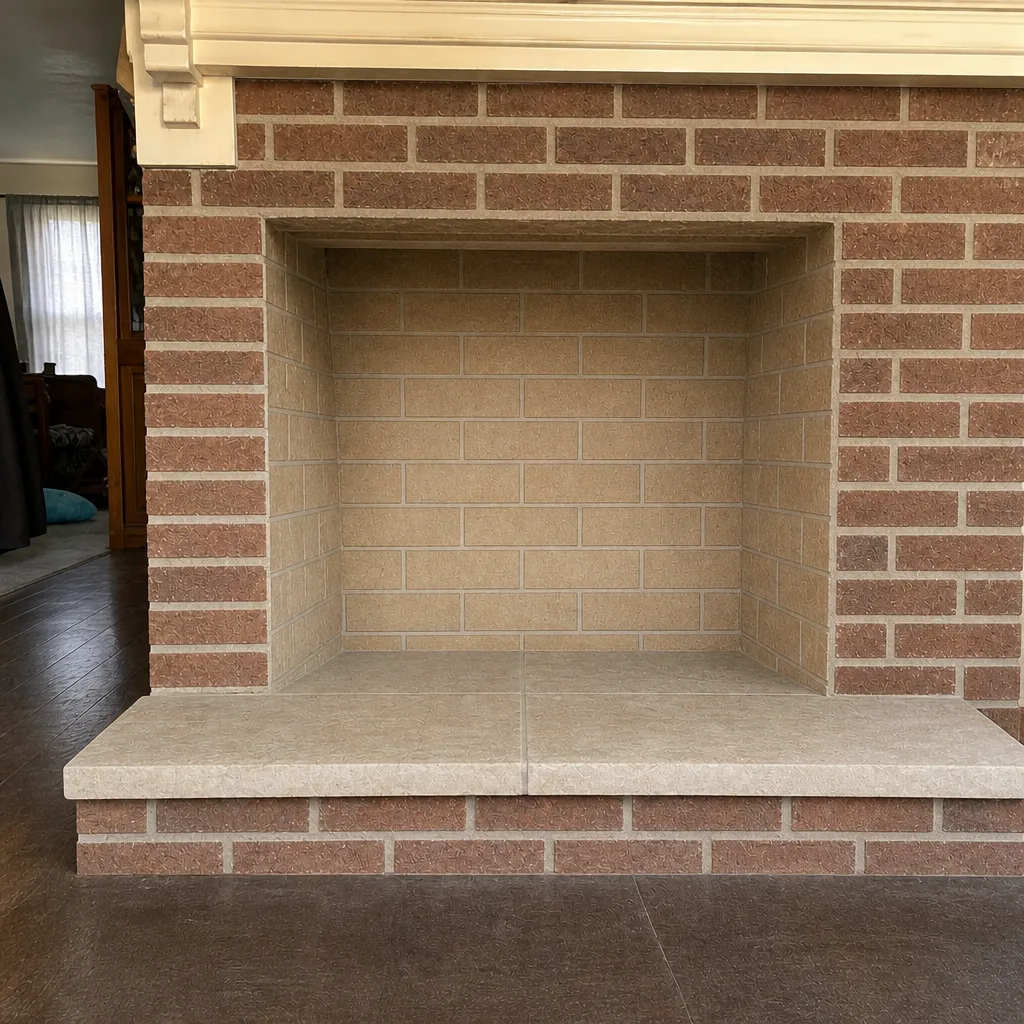
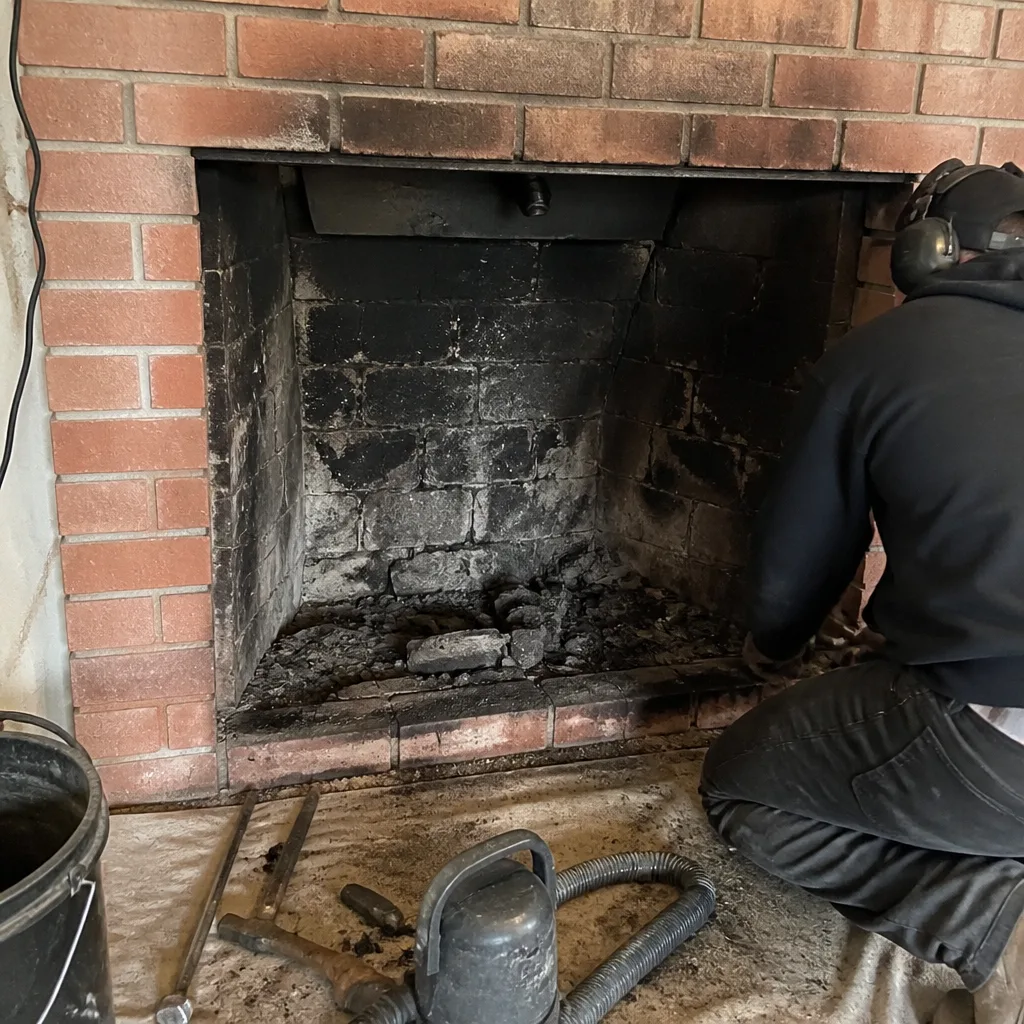
See the difference
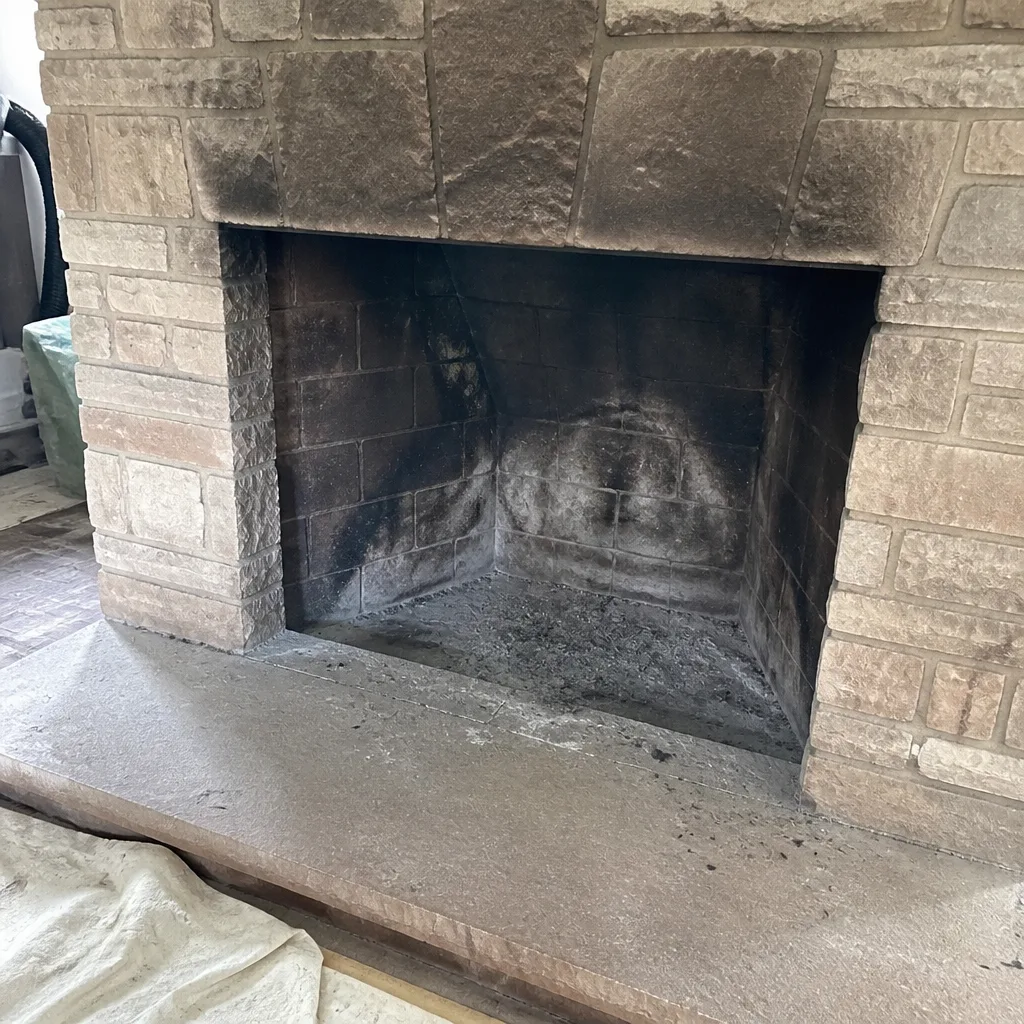 Before
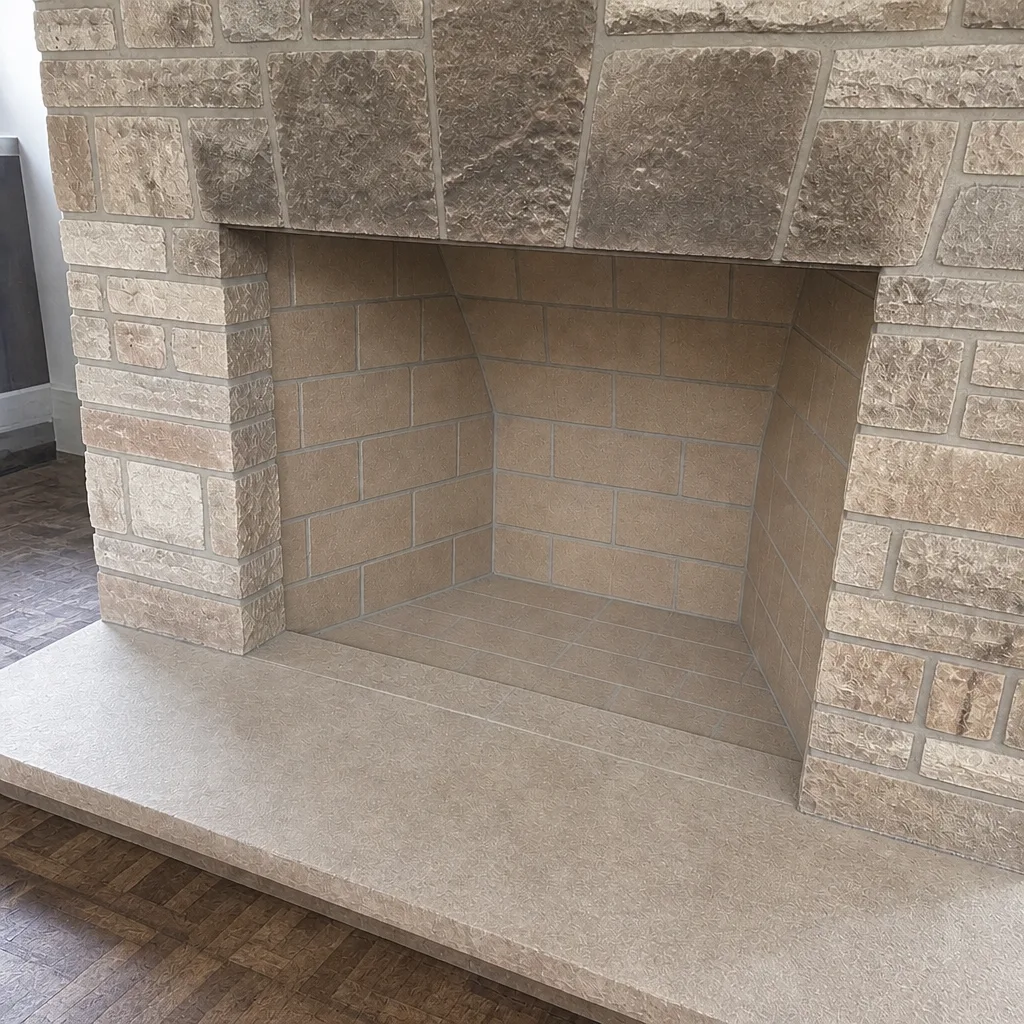 After
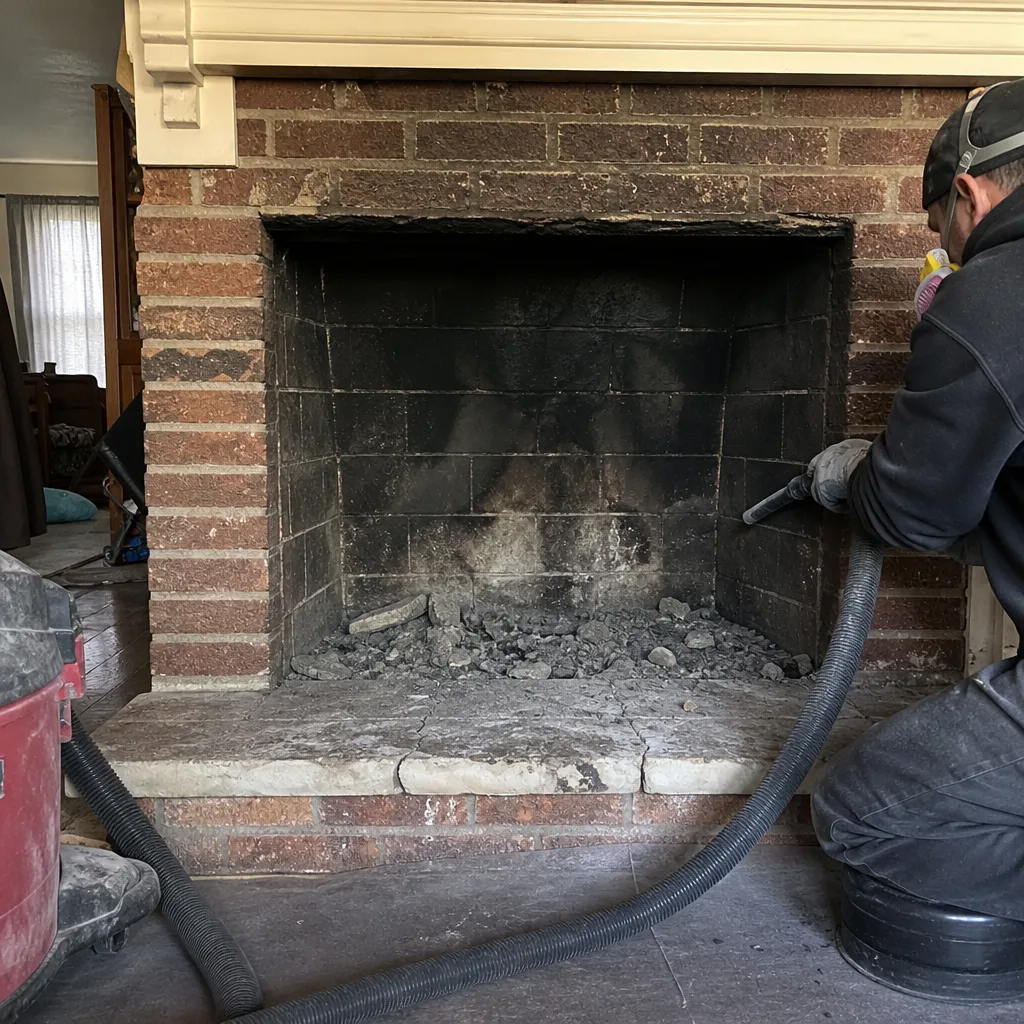 Before
 After
 Before
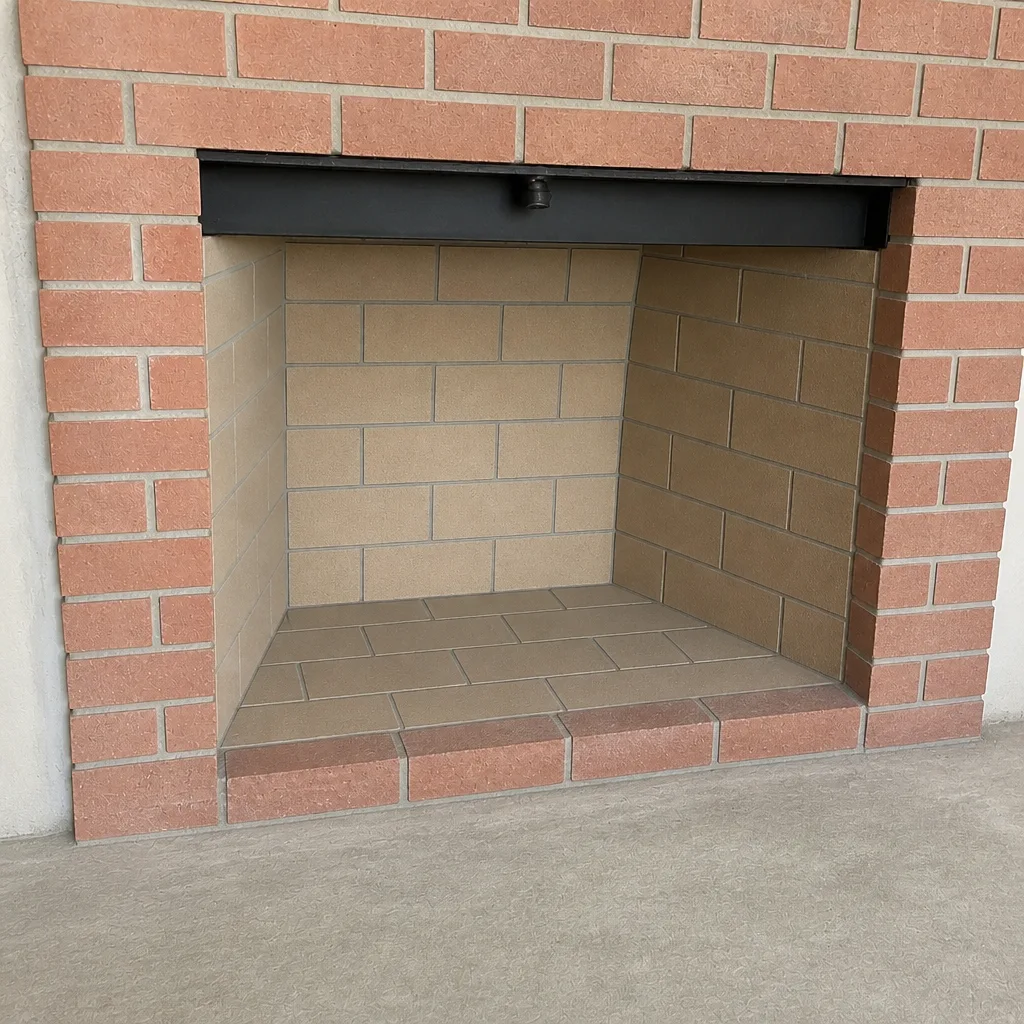 After
How to Read and Compare a Written Chimney Quote
A written quote should let you compare bids apples to apples. Most don’t. Here’s what to look for, and how to separate the non-negotiable from the negotiable.
Non-negotiable line items:
- Camera inspection with a report. Any quote for more than a basic cleaning should include a camera scan and a written, photo-documented report. No report, no basis for the recommendation.
- Explicit scope on the sweep. What’s being brushed, what’s being vacuumed, what’s being checked. “Sweep” alone is too vague.
- Cap and crown condition. Any thorough quote should state whether these were inspected, because they’re the first line of defense against water.
Legitimate items to evaluate on merit:
- Liner upgrades. If your flue has deteriorated clay tiles, a liner recommendation is likely sound – but ask for the camera evidence and a photo. If it can’t be shown to you, it can wait until it can.
- Cap upgrades. A new cap is a small line item with real long-term value. Ask what it’s protecting against.
- Crown repair. Cracked crowns happen. Ask whether repair or rebuild is being proposed and why.
Red flags in a quote:
- Recommendations without photos or camera footage.
- A price that changes substantially between the phone call and the on-site estimate.
- Pressure to approve major work on the spot, before you’ve seen the evidence.
The habit worth building is simple: inspection first, recommendations second. Any line item that can’t be shown to you on camera is a line item you can safely hold on. If the flue can wait, we tell you so.
Park Hill-Specific Cost Factors
Chimney costs in Park Hill aren’t meaningfully higher than elsewhere in Denver, but they do have particular characteristics worth knowing before you get quotes.
Older masonry construction. Much of Park Hill’s housing stock dates to the early-to-mid 20th century, and a lot of it was built with clay tile flues that have had many decades of heating cycles. That means more chimneys here carry some degree of tile deterioration, and more of them sit in the zone where HeatShield restoration is the smart middle path between doing nothing and a full reline. It also means masonry and crown repair come up more often than on newer construction.
Taller chimneys on multi-story homes. Park Hill has a good share of two-and-a-half-story and full two-story houses, and the chimneys on those homes are taller than average. Taller flues take longer to clean, need more rods, and often need steeper roof access, all of which push the sweep toward the upper end of the typical range. A tall chimney isn’t a problem – it’s just more work, and the quote should reflect that honestly.
Two-flue systems. A lot of homes here have two flues sharing one chimney structure – often one for the fireplace and one for a furnace or boiler. Each flue is a separate cleaning and a separate inspection. If you’re quoted for “a chimney sweep” on a two-flue system and the price doesn’t reflect two flues, ask whether both are being cleaned, because only one of them will be.
These factors don’t change the fundamentals of pricing – height, access, creosote, and documentation drive the number everywhere – but knowing them means you’ll recognize a fair quote when you see it, and you’ll know to ask the two-flue question up front. When you’re ready to look at your own system, a Chimney Sweep Park Hill visit covers the full range from the firebox to the crown in a single scope.
Common Mistakes to Avoid
- Buying on the lowest price alone. The $79 sweep is real, but it doesn’t include a camera or a written report, so you may leave with no knowledge of what’s inside your flue. Compare tiers, not just dollars.
- Skipping the inspection to save $100. On a Park Hill home with older clay tiles, the inspection is often what prevents the expensive line item. A camera scan is the cheapest insurance you’ll buy all year.
- Assuming a two-flue chimney is one job. If both flues aren’t quoted, both aren’t being cleaned. Ask before booking, not after.
- Ignoring the cap and crown because the sweep came back clean. A clean flue with a missing cap is a chimney waiting for water damage. The interior can be spotless while the crown quietly cracks.
- Approving major liner work without seeing the footage. You’re entitled to see what your technician sees. If the recommendation is real, the evidence will be too.
- Waiting until the heating season to book. The busiest weeks of the year are the ones right before the first cold snap, and scheduling gets tighter. Book ahead and get a written estimate you can act on calmly.
- Using a generalist for a chimney problem. A handyman who cleans gutters and fixes a flue is splitting attention. Chimney work has its own brushes, its own codes, and its own failure modes.
When to Call a Professional
Call a professional if you’ve never had the flue inspected, if the fire has been smoking back into the room, if you smell a strong creosote or tar odor when the fireplace isn’t in use, if you can see cracked tile or missing mortar inside the firebox, if the cap is missing or the crown is crumbling, or if it’s simply been more than a year since the last sweep. Those are the situations where the cost of looking the other way climbs fast. Some of them, especially smoke coming into the room, mean you should stop using the fireplace until someone has looked at the system – that’s a safety call, not a schedule call. Chimney Sweep Park Hill offers free estimates in Park Hill – call (877) 770-1914. We answer 24/7. Fast dispatch from 7am to 7pm, Sunday through Friday.
Frequently Asked Questions
A standard chimney sweep in Park Hill typically runs $180 to $350 in 2026, and a Level 2 camera inspection with a written report runs $250 to $500. The exact price depends on flue height, access, creosote condition, and whether your chimney has one flue or two. Call (877) 770-1914 for an exact quote – estimates are free.
Because they’re different services with the same name. The $79 sweep is a quick brush pass with no camera and no written report; the $300 tier usually includes a camera scan and a documented inspection. Neither is automatically the right choice. What matters is knowing which one you’re buying and whether it answers your actual question about the flue.
Only if the camera shows your existing flue is compromised, and you should be able to see the footage before approving anything. Many deteriorated flues can be resurfaced with a HeatShield restoration rather than replaced entirely, which often runs a fraction of a full reline. If the tiles are too far gone for restoration, a full stainless liner is the honest answer. Call (877) 770-1914 for an exact quote – estimates are free.
Once a year is the standard recommendation for a wood-burning fireplace, with the frequency adjusted upward if you burn hot or often, and adjusted for the flue’s condition. A gas fireplace needs an annual inspection even though creosote isn’t the issue there. The annual visit isn’t only for cleaning – it’s how small problems get caught before they’re big ones.
Creosote keeps accumulating, and at the glazed stage it becomes a genuine fire hazard. Meanwhile, a cracked flue tile lets heat and gases reach the framing around your chimney, and a missing cap lets water soak into the masonry through the winter freeze-thaw. The sweep is cheap; the liner replacement it prevents isn’t. Call (877) 770-1914 for an exact quote – estimates are free.
Often it does, because taller flues take more time, more rods, and more careful roof access. The difference is usually modest, not dramatic, and it reflects real labor rather than a neighborhood premium. A written estimate will show you exactly where the cost lands.
The Bottom Line
Chimney cleaning costs in Park Hill range so widely because “sweep” means so many different things. The price you pay should buy a defined scope: brush work, a camera scan, a written report, and a recommendation you can verify. Cheap tiers exist and sometimes fit, but the question to ask before booking is always what the price includes, not what it costs. When you’re ready to know what’s actually in your flue, call us. Call (877) 770-1914 for a free estimate. We answer 24/7. Fast dispatch from 7am to 7pm, Sunday through Friday. With up to 12 years of experience and a product lineup that includes HeatShield, DuraFlex, and Copperfield, our chimney-only focus means the work covers the full system from the firebox to the crown – and a written, photo-documented estimate for fireplace repair or anything else, so nothing is recommended without evidence you can see.
Written by the team at Chimney Sweep Park Hill.